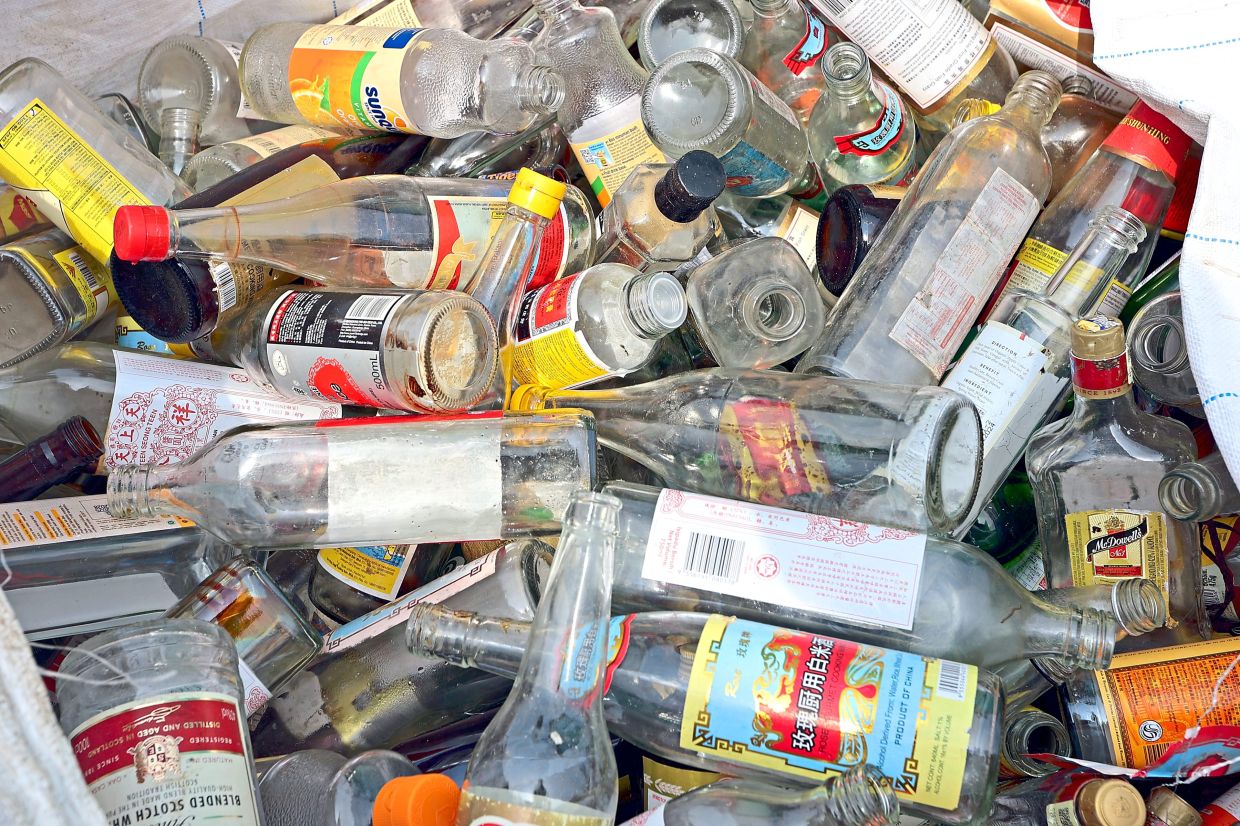
OFTEN viewed as having little value, used glass jars and bottles are commonly tossed into rubbish bins once their contents are gone.
In Iskandar Puteri, Johor, a community is showing that these discarded items can have a second life, by crushing them into glass sand and turning them into useful and marketable products.
The Iskandar Puteri Agriculturalist Community (IPAC) is working with Impactlution, a glass upcycling initiative.
They aim to promote awareness of glass upcycling and the circular economy, while creating income opportunities for communities.
IPAC secretary Sakinah Mohd Muslim hopes the collaboration can help change people’s mindset about recycling glass.
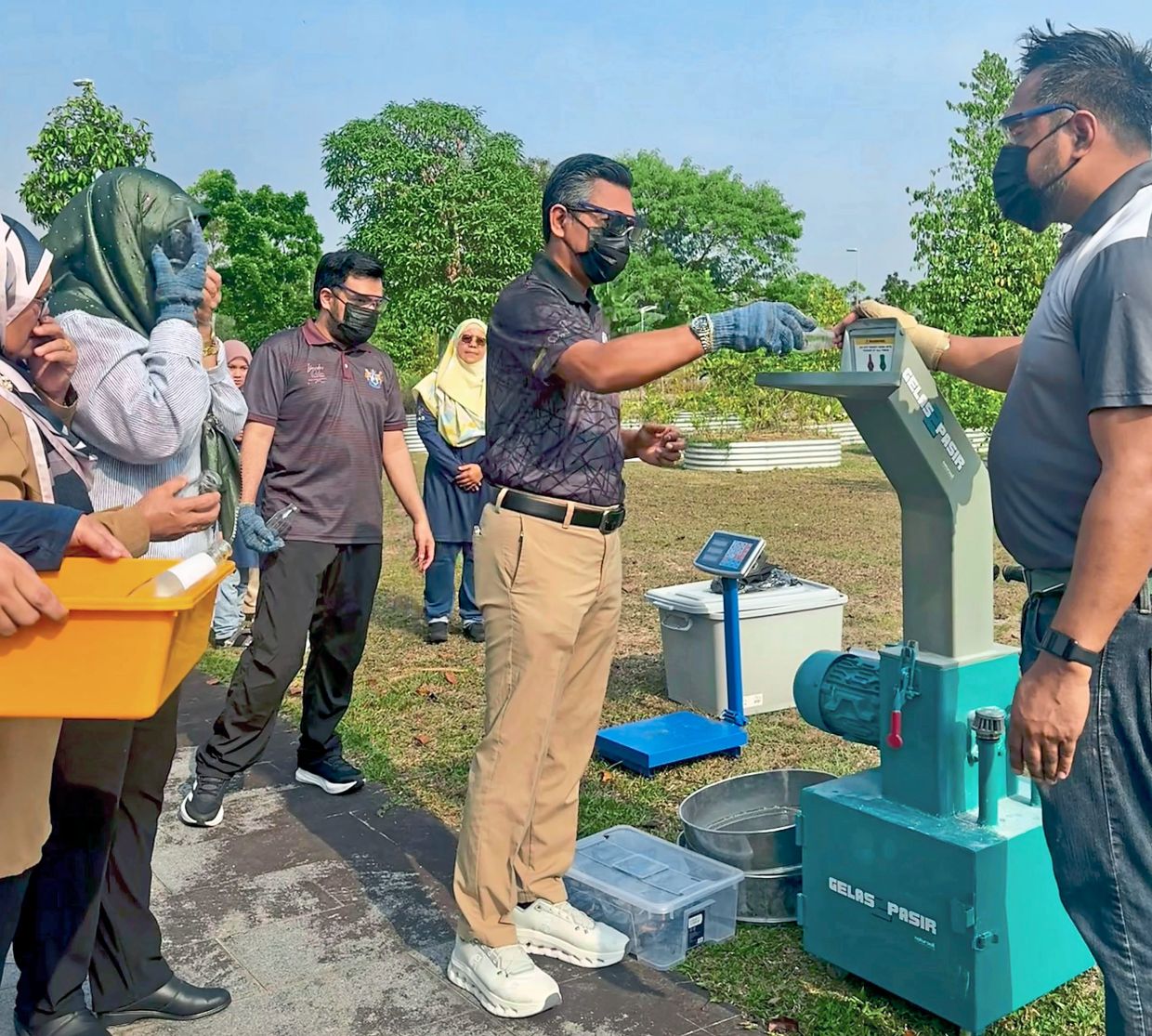
“We recently held our first tutorial session, involving about 30 participants from various communities in Iskandar Puteri who learned how used glass is crushed into sand and repurposed into new products,” she told StarMetro.
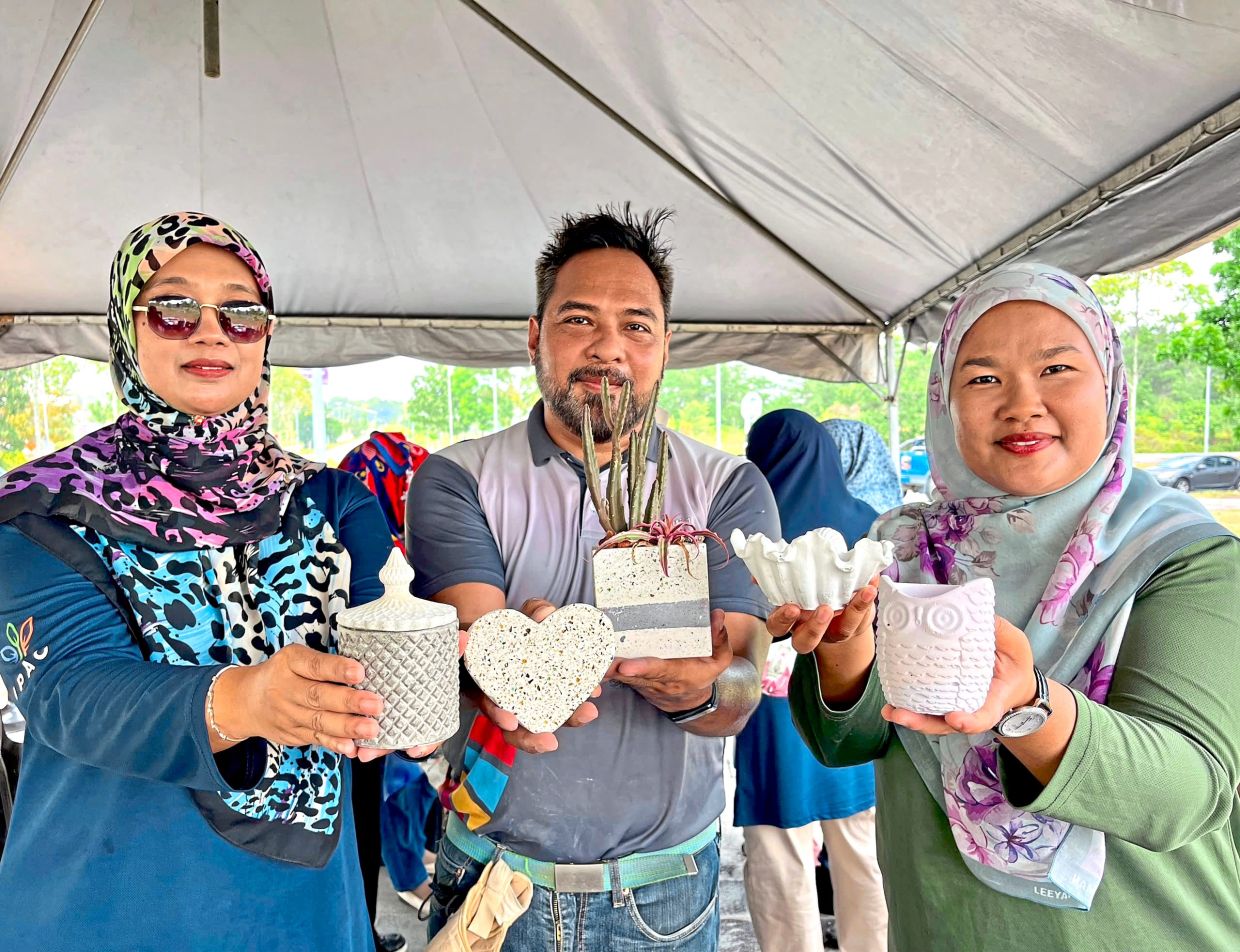
She said the session was the first of several planned training programmes, with IPAC members now set to teach other communities how to turn crushed glass into products such as pen holders, plant pots, jewellery plates and other trinkets.
She explained that IPAC’s collaborator, Impactlution, received a grant from the Iskandar Puteri City Council (MBIP) under its Iskandar Puteri Low-Carbon Community Grant 6.0 (IPRK), which was used partly to purchase a glass crushing machine.
“IPAC has been tasked to operate and maintain the machine.
“We will then supply the crushed glass sand and granules to the participating communities so they can focus on making the products.
“We want to train communities so they can craft the products at home and earn a side income, especially women from the B40 income bracket,” she added.
As part of the initiative, IPAC has also set up a glass collection bin at the Edible Park in Medini, where people can drop off unwanted glass bottles and jars to be processed for upcycling.
Sakinah said the used glass containers should be cleaned before being sent for recycling, because food residue such as chilli sauce can damage the blades of the glass crushing machine, with vinegar and other ingredients potentially causing corrosion.
Looking ahead, she said IPAC planned to conduct more community training sessions soon, targeting those living in flats and lower-income households.
She said IPAC also hoped to work with communities such as those in Kampung Sungai Melayu, where many are fishermen.
“The idea is to help diversify their income through products such as tourism souvenirs inspired by the village and its surroundings.
“Fishermen may not be able to go out to sea when the weather is bad, so we hope this will be another source of income for them,” she said.
Promoting circular economy
Impactlution co-founder and programme director Faisal Abdur Rani said they started working with IPAC in July, after receiving the IPRK grant.
“The main scope is to supply a Malaysian-made glass crushing machine and train communities to turn glass sand into income-generating products,” he said.
“The collaboration aims to demonstrate the environmental value of keeping glass in a circular economy instead of sending it to landfills.
“The glass crushing machine saves roughly 98kg of carbon dioxide for every 100kg of glass crushed per hour,” he said.
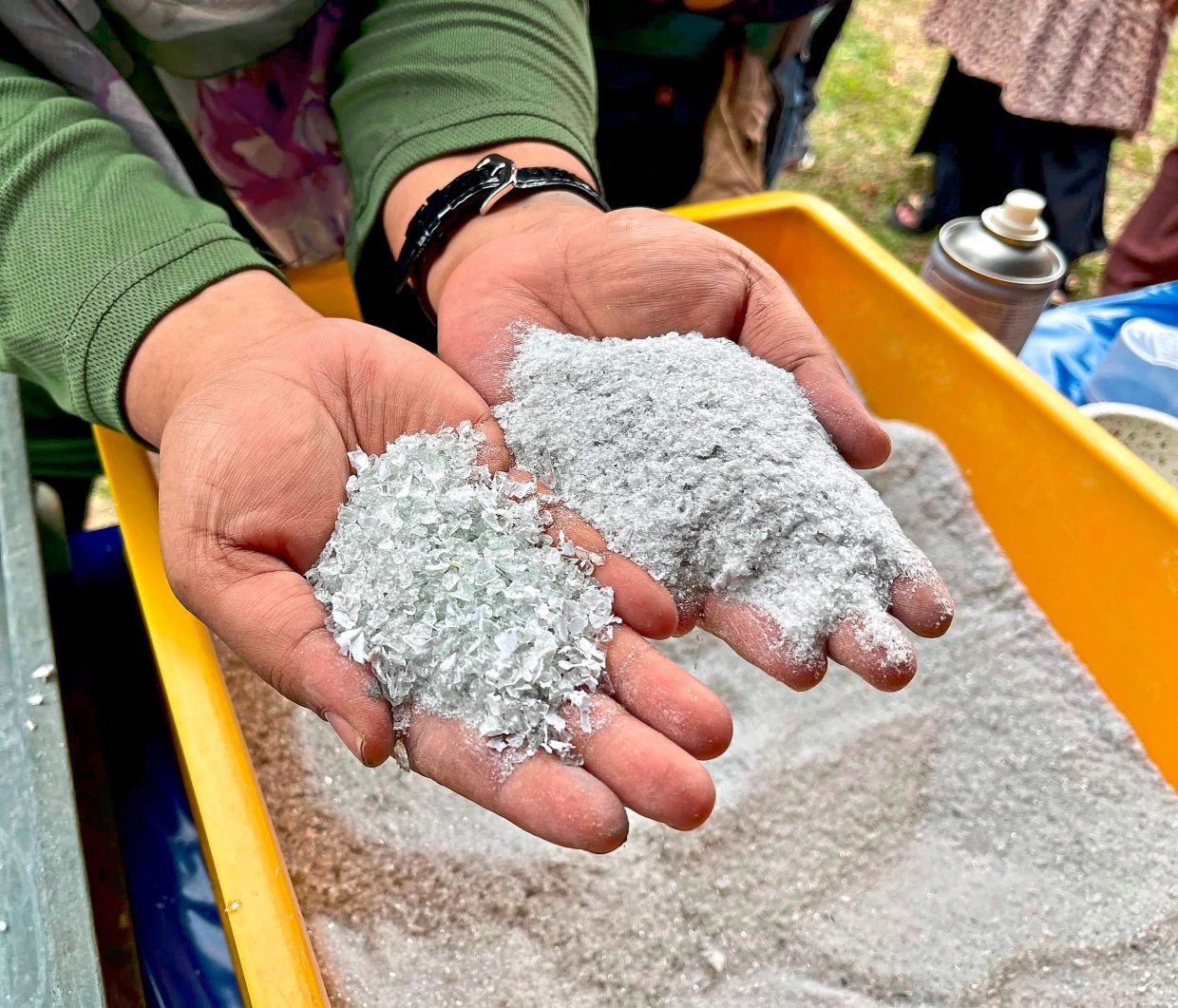
The upcycling process begins with collecting and sorting non-tinted glass bottles and jars to be fed into the crushing machine.
The crushed glass is then sifted using different mesh sizes to obtain the required grain sizes before being mixed with cement, water and other aggregates to form concrete.
“The mixture is then poured into silicone or customised moulds to create products such as candle holders, soap dishes, ornaments and customised souvenirs.
“We are also developing customised trophy moulds made from recycled glass for an upcoming sustainability programme, allowing participating schools or organisations to opt for locally made alternatives to conventional plastic or metal trophies,” said Faisal.
He said glass sand, which is safe to be handled by children, could also be used in agriculture.
It can be mixed with soil to improve aeration or added to compost, where silica could help enhance its performance as a fertiliser.
SWM Environment Sdn Bhd corporate general manager Mohd Norlisam Mohd Nordin said such collaborations added value to recycling initiatives that they carried out in Johor.
“As of July, SWM Environment has collected about 400,000kg of glass bottles through our recycling programmes, including those involving schools.”
He said the concessionaire has been actively promoting sustainable management of used glass bottles since 2021 through its communication, education and public awareness initiatives, including through the KITARecycle reward programme.
The public can drop off glass and other recyclable materials at SWM Environment’s drive-through recycling collection centre in Taman Bukit Layang-Layang, Pasir Gudang; recycling hub at B5 Johor Street Market in Tampoi and the IPRK recycling station at Sunway Boulevard in Iskandar Puteri.
Recyclable materials can also be sent to its drive-through recycling collection centre in Bandar Seri Impian, Kluang.