
CRAMPED, windowless rooms with little to no ventilation or lighting may not sound like an ideal home, but to some, the low cost makes up for the discomfort.
For as little as RM300 a month, tenants can rent such units in “bird’s nest” hostels – illegally modified upper floors of shophouses in busy commercial areas across Johor Baru.
Fire and Rescue Department officials say these premises earned the nickname because, much like real bird nests made of twigs and dry scrap, these tightly packed quarters can ignite and burn with terrifying speed.
These cheap living spaces potentially come at a deadly price.
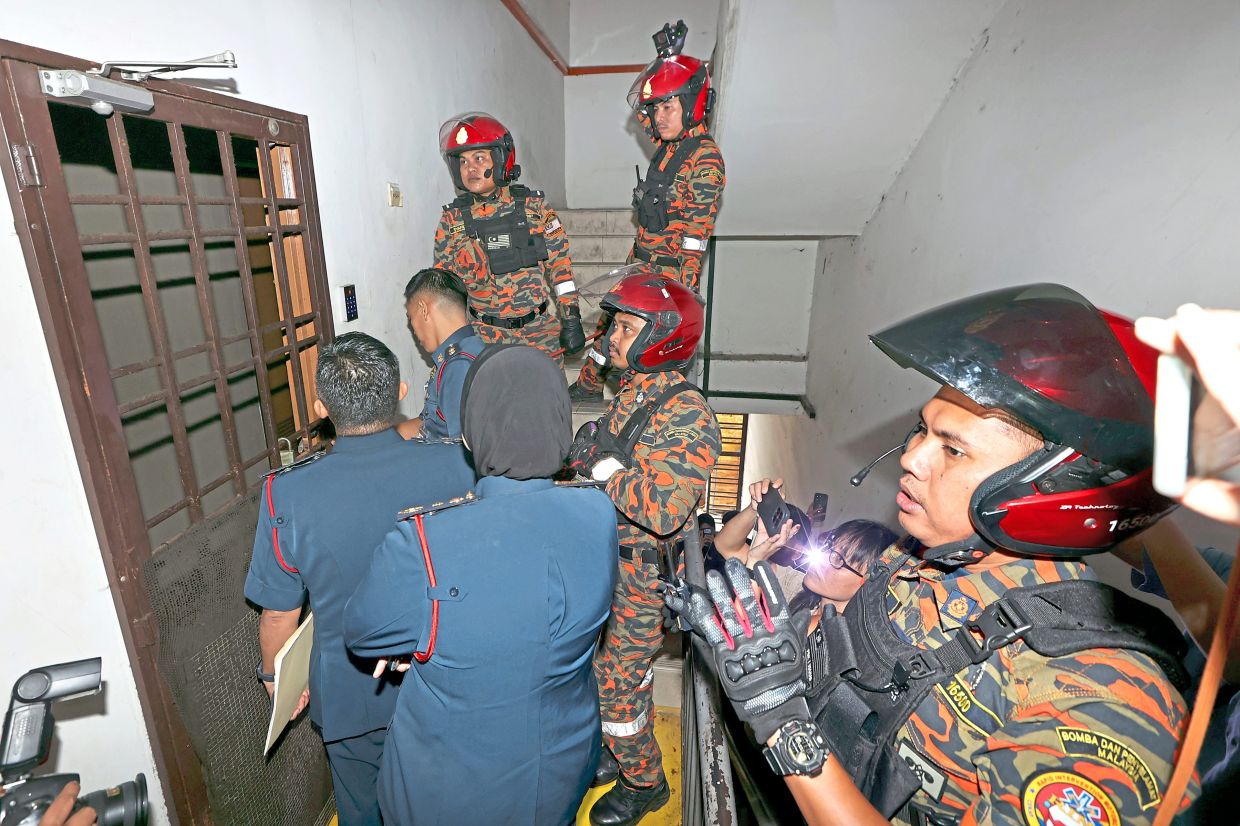
Johor Fire and Rescue Department director Siti Rohani Nadir said the main concern with such premises was the risk of occupants being trapped during a fire.
“The high number of occupants and small room sizes, coupled with limited or obstructed escape routes, make it difficult for them to get out safely.
“Some of these premises lack adequate fire-resistant doors and safety equipment, while emergency lights and exit signs might be missing or non-functional.
“Unauthorised modifications and layout of these premises could further hamper the quick evacuation of occupants during a fire,” she told StarMetro.
Siti Rohani said the department had stepped up inspections across Johor Baru, recording 15 cases and issuing 50 notices so far this year in high-density areas including Kempas, Tebrau and Larkin.
“The inspections are being carried out in stages at premises suspected of being used as bird’s nest hostels, in collaboration with local authorities and other enforcement agencies.
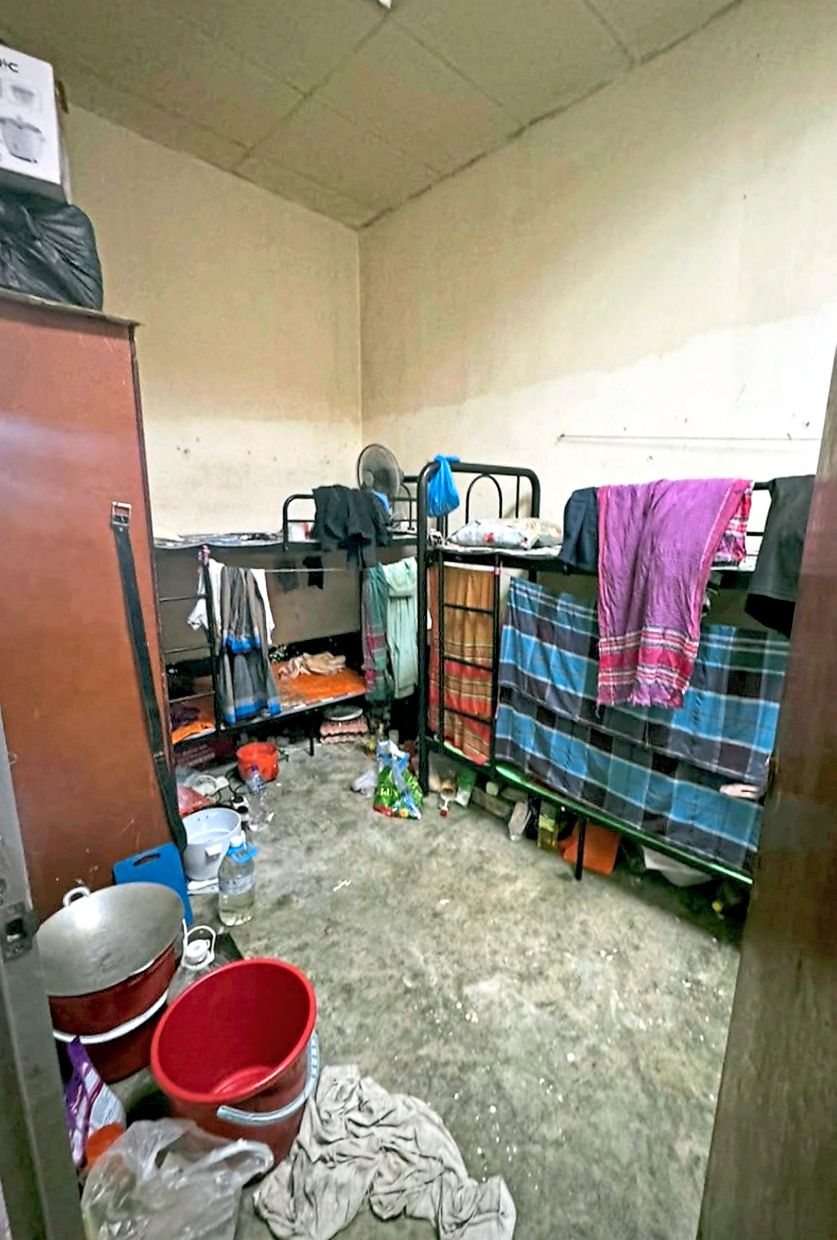
“Among the common offences detected were unauthorised renovations and partitioning spaces into too many small rooms.
“Other violations include obstructed or unsafe escape routes, missing fire-resistant doors, inadequate protection systems and overcrowding.”
She said some of the premises inspected had been divided into as many as 21 rooms in a single building.
“Rental rates at such premises range from RM300 to RM500 a month, depending on location and room condition.
“Occupants vary depending on the premises and room size.
“Among those found staying at these premises are local and foreign workers, families, people working in industrial areas as well as those who commute to Singapore for work.”

Siti Rohani added that the risks posed by such living conditions had already resulted in one fatality, citing a fire at a three-storey shophouse in Taman Mutiara, Pontian, on May 12, 2024, where the second floor had been partitioned into six rental rooms.
“Each room measured only about 100sq ft, with all six rooms affected by the fire.
“The fire destroyed about 60% of the premises and one person was found burnt to death in a room near the kitchen,” she said.
She also cited a fire at a three-storey shophouse in Jalan Tun HS Lee, Kuala Lumpur, this year, which led to another death.
“There were 12 foreigners inside the premises at the time of the fire, with 11 rescued by firefighters.
“Some of the occupants were rescued from the second floor, while others had to be brought down from the roof using a Fire and Rescue Department ladder.
“The incident showed the difficulties occupants could face in escaping through normal exit routes when a fire breaks out in a densely occupied building.”
She added that both incidents highlighted the risks of converting buildings into packed rental rooms.
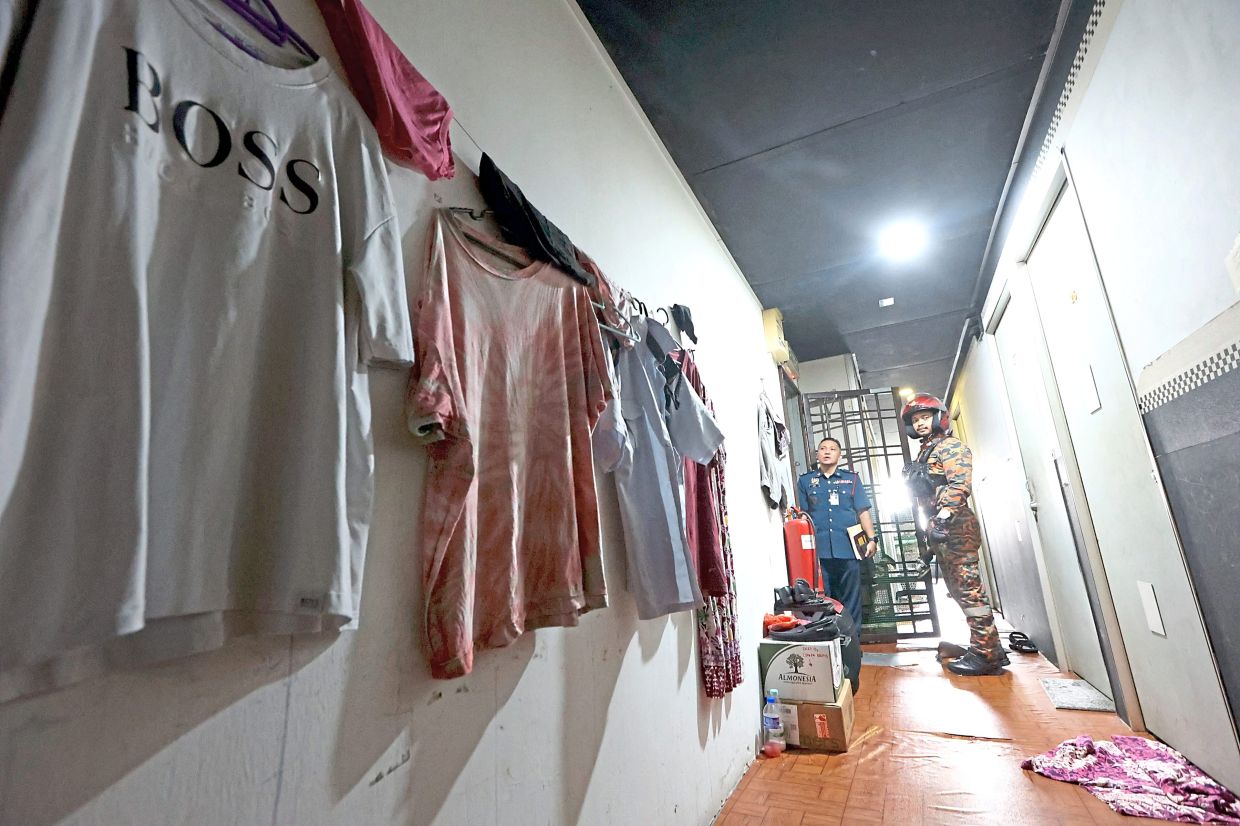
Siti Rohani said when a fire hazard was detected, the department could issue a Fire Hazard Abatement Notice under Section 8 of Fire Services Act 1988.
“The compliance period given depends on the type and severity of the offence as well as the extent of rectification required.
“A follow-up inspection will be conducted after the stipulated period to ensure the necessary action has been taken.
“If the operator fails to comply with the notice, further action can be taken and the case may be brought to court.”
She said under Section 10 of the Act, those who fail to comply with a notice could face prosecution and, upon conviction, be fined up to RM5,000 or jailed for up to three years, or both.
“Additional fines could also be imposed for offences that continue after conviction.
“In cases where premises pose a danger to life or property, the department could also apply to the court for a closure order.
“Local authorities could take separate action over unauthorised changes in building use, renovations or construction.”
Siti Rohani urged operators not to prioritise profits at the expense of occupants’ safety.
“Any renovation or change in the use of a building must first obtain approval from the relevant authorities.
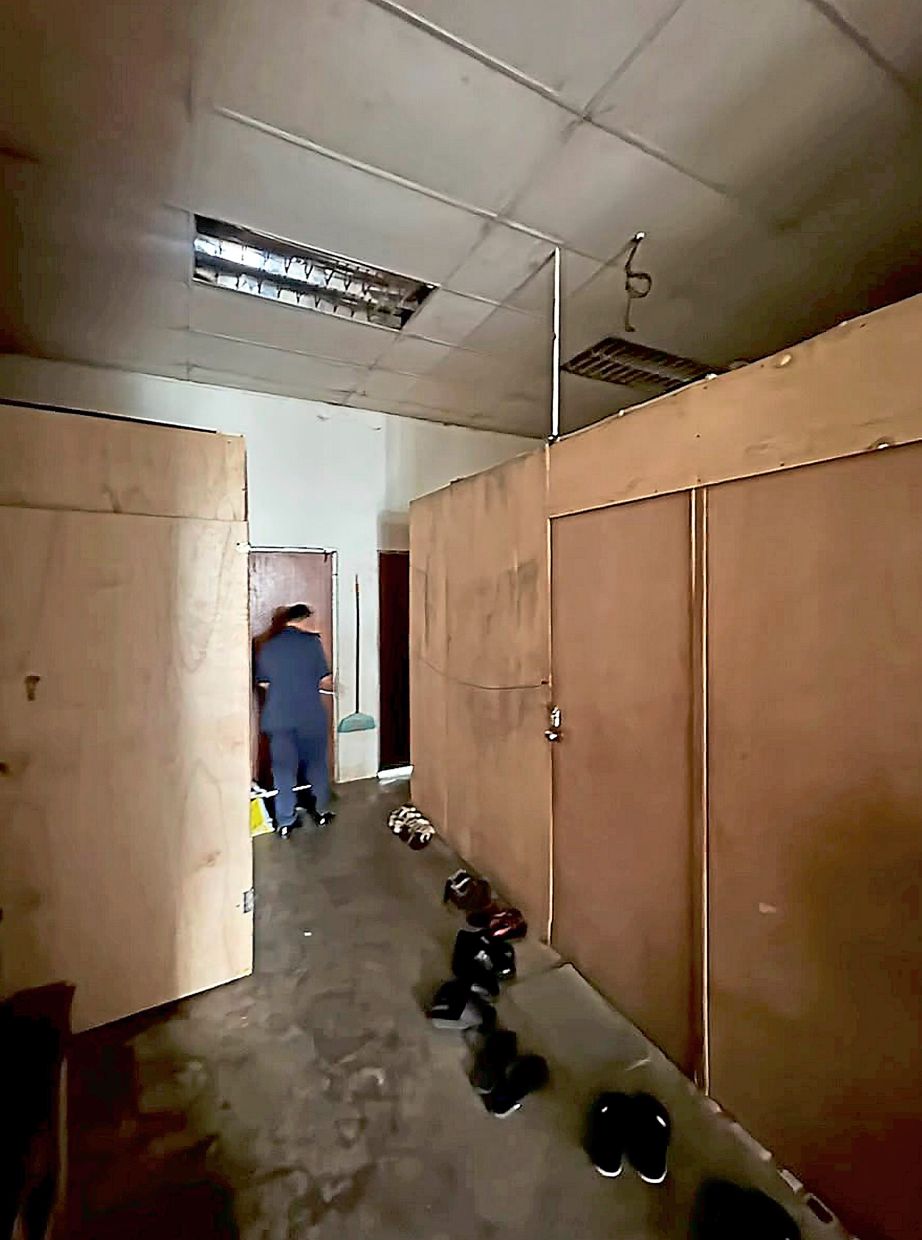
“Operators must ensure that escape routes are safe and unobstructed, fire safety systems are provided and maintained, and emergency lights and exit signs are functioning.
“Fire-resistant doors must also be provided where required and fire extinguishers must be available and properly maintained.”
She said operators must ensure the number of occupants did not create additional safety risks.
For those looking for affordable accommodation, Siti Rohani advised them not to base their decision solely on rental rates.
“Safety must come first,” she said.
Meanwhile, Johor housing and local government committee chairman Datuk Mohd Jafni
Md Shukor lauded the department’s proactive measures,
adding that all 16 local authorities in the state would give their full cooperation.
“We welcome the Fire and Rescue Department’s efforts to address this issue, and the local authorities are also involved in some of these joint operations.
“They will continue to strengthen enforcement and take the necessary action against premises that do not comply with the regulations.
“This is a serious safety issue that should not be taken lightly,” he said, adding that local authorities were also beefing up enforcement on the matter.
He stressed the need for the public to understand the dangers posed by these premises, especially when they are overcrowded or modified without the necessary approvals.
“We have seen how fires involving such premises can lead to the loss of lives, so awareness is very important.”

Mohd Jafni also noted that there were safer options for those seeking affordable accommodation.
“While we understand that some people may choose such accommodation because it is cheaper, safety must never be compromised.
“For Johor folk, there are initiatives under Rumah Kasih Johor, such as the one-off rental cash assistance they could look into.
“Those eligible could also try their luck and apply for the People’s Housing Project (PPR),” he said.