
FOR some young Malaysians, dropping out of school is not the end of the road to learning.
Across the country, community-driven initiatives and non-formal education programmes are offering a vital second chance to those who have fallen through the cracks.
Many former dropouts are now rebuilding their lives, gaining practical skills and rediscovering their self-worth.
Organisations such as Adab Youth Garage (AYG) are playing an important role in this effort, providing a nurturing space for young people from low-income communities, particularly those living in People’s Housing Project (PPR) flats.
Harsh reality
For 25-year-old Muhammad Ammar Hasimi, the journey was a turbulent one.
After a quarrel with his mother, he ran away from home at the age of 16, believing it was the best way out of his problems.
Having studied only up to Form Four, the sixth of seven siblings found himself struggling to navigate life after leaving his family.
Without an SPM certificate, job opportunities were limited.
“I ran away because my mother scolded me for racing motorcycles with friends. I was rebellious at the time and acted without thinking,” he said.
He later found work at a shoe shop in Kelana Jaya, Selangor.
Growing up in PPR Kota Damansara in Petaling Jaya, Muhammad Ammar admitted he often rebelled and craved for freedom during his teenage years.
“I first joined AYG when I was 15 because my mother encouraged me to join since I wasn’t interested in studying. But I left after a short while and later ran away from home.
“After leaving my family, life became difficult. That was when regret began to set in, but I was too ashamed to return home,” he said, recalling how lonely it felt spending Ramadan alone while others his age broke fast with their families.
However, Muhammad Ammar considers himself fortunate as he managed to avoid negative influences.
“Several months after leaving home, I met a family who gave me a job at their shoe shop and allowed me to stay with them. They treated me like their own,” he said.
After nearly a year working and living with the family, he returned to the AYG centre in PPR Kota Damansara.
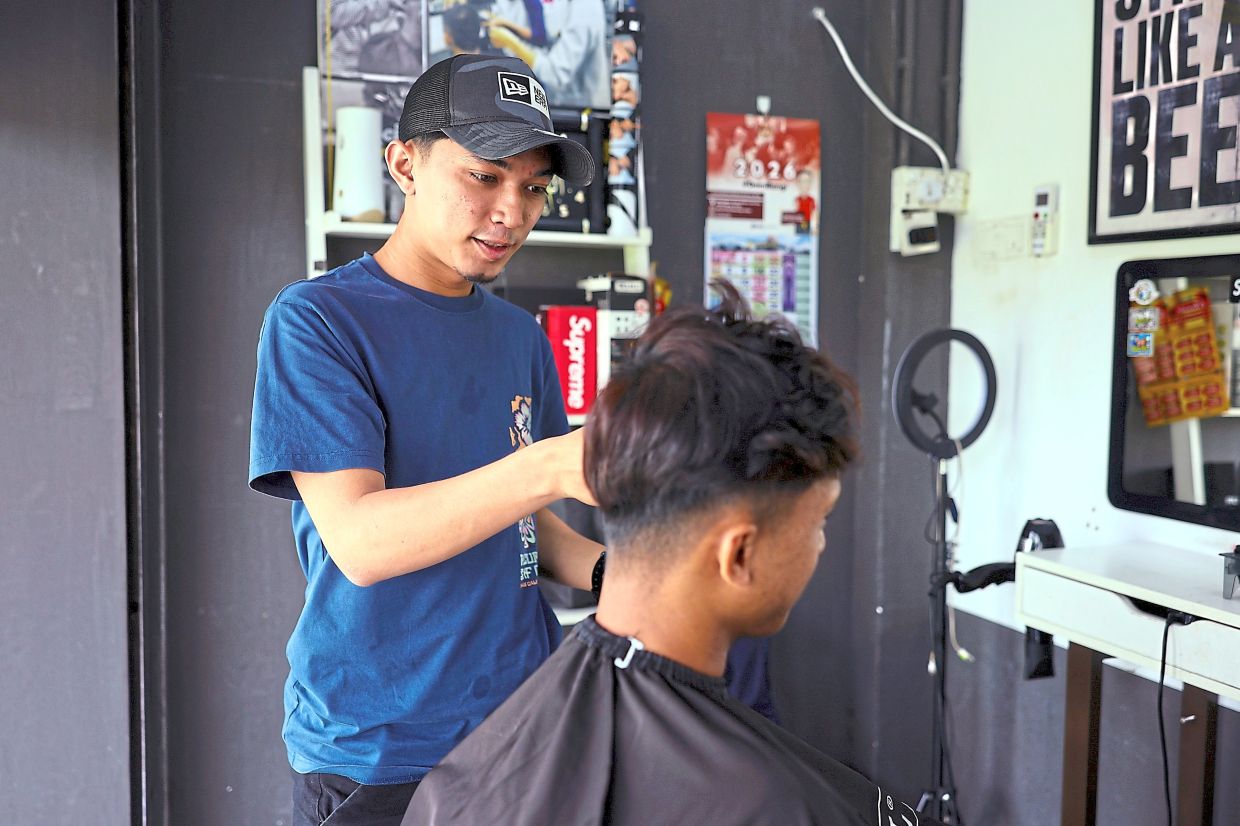
Recognising his talent for hair cutting, the centre sent him for a short course before entrusting him to manage the AYG Barbershop.
He has been managing the barbershop in Section 1, Bandar Baru Bangi since 2018.
“The AYG centre is not just a place to learn technical skills, but also a safe space for us. Here I learned discipline, responsibility and the meaning of second chances.
“It feels like a second home that helped shape who I am today,” he said.
Leading through adversity
For Mohamad Daniel Haikal, 23, the struggle was less about rebellion and more about survival.
Growing up in PPR Taman Medan, he frequently sacrificed school to help his mother care for his three younger siblings.
His father worked as a lorry driver before later running a small food business with a partner.
Two years ago, Mohamad Daniel assumed the role of head of the household after his father died due to kidney ailment.
A turning point in his life came when he was introduced to AYG at 16.
“My first encounter with the centre happened by chance while I was playing futsal in my neighbourhood.
“A youth worker approached me and invited me to act in a short production organised by AYG.
“That was how I became familiar with the centre and started joining its programmes,” he said.
Mohamad Daniel said the programmes helped nurture leadership skills among youths.
Since then, he has been actively involved in various AYG initiatives aimed at engaging young people in his neighbourhood through positive community activities.
He said the experience helped him better understand community needs while learning to organise programmes to benefit youths.
Although the group initially involved only two PPR housing blocks, the programmes received support from residents and the local Rukun Tetangga sector’s neighbourhood watch group.
“That support shows youth development initiatives can create a positive impact within the community,” he said.
Through his involvement, Mohamad Daniel realised youth development was not only about activities, but also building social connections and strengthening community support networks.
After completing SPM, he pursued a diploma in computer science, but discontinue it due to financial constraints.
He later took on various jobs to support himself and his family.
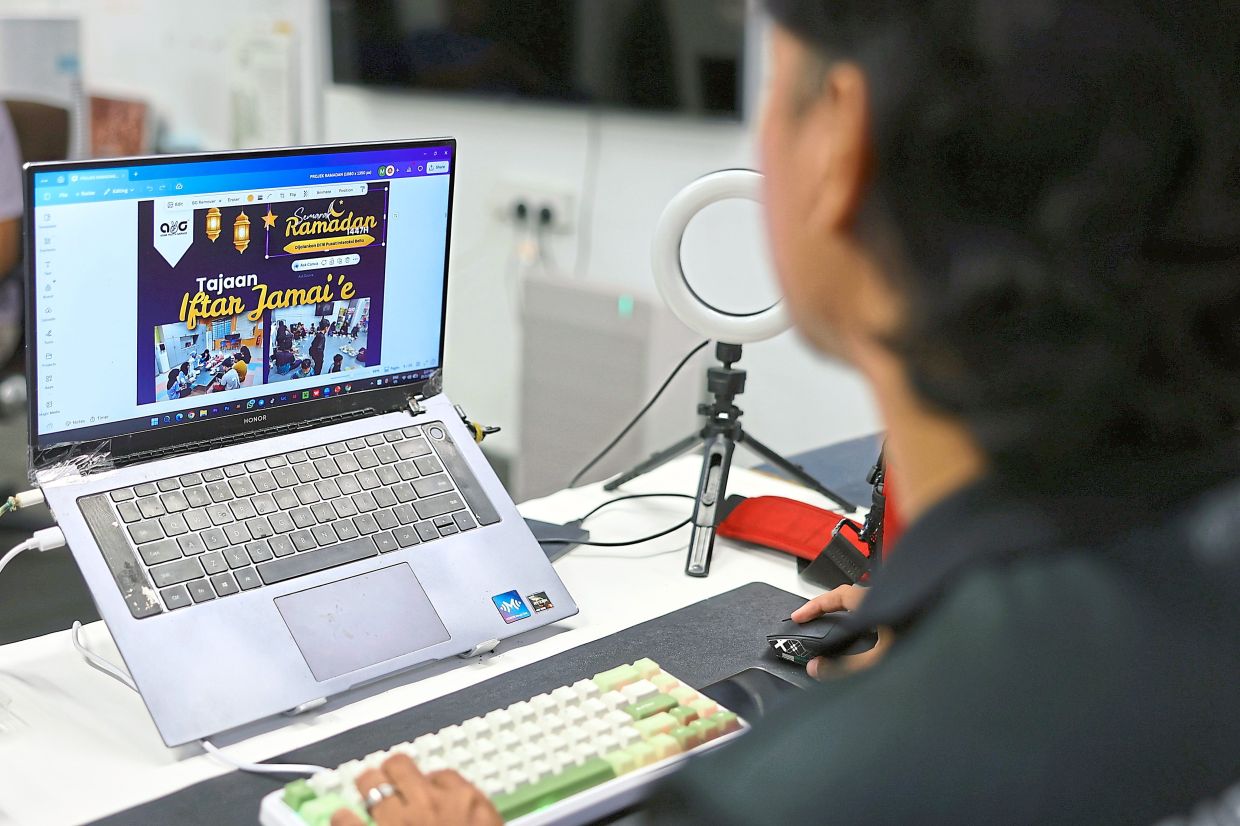
His self-taught skills in graphic design opened another opportunity when AYG offered him a position as a youth worker and graphic designer two years ago.
“Graphic design was not my original interest, but I taught myself through the Internet to improve my skills.
“The management here has been very supportive and this job has opened new opportunities for me,” he said.
“If I had not joined AYG, I might have ended up working in a factory and my skills would not have developed,” added Mohamad Daniel.
A growing safety net
AYG chief executive officer Muhammad Nizam Samsudin said the journeys of Muhammad Ammar and Mohamad
Daniel showed how young people can develop despite difficult circumstances.
Their experiences demonstrate that even without higher education, youths can still transform their lives and contribute positively to society.
Founded in 2013 with support from community donations,
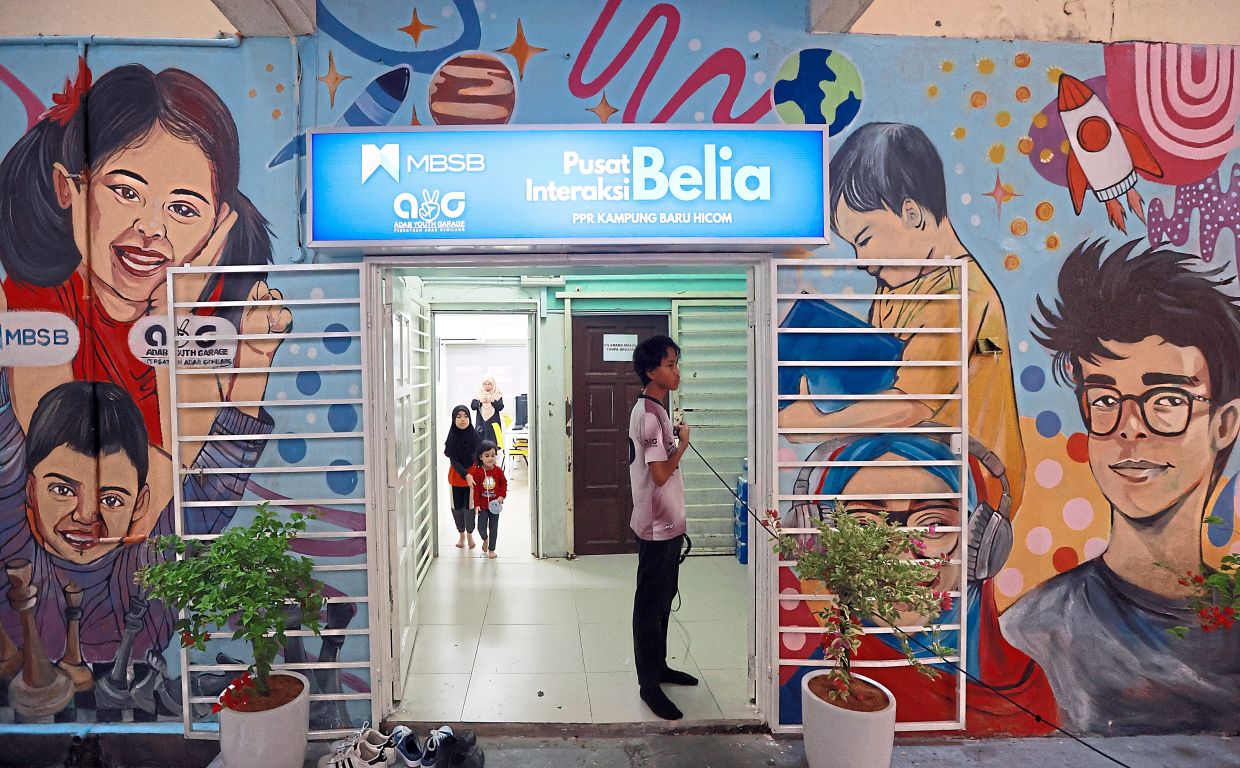
AYG now operates 16 centres across Selangor, Kuala Lumpur, Penang, Johor, Melaka and Negri Sembilan, supported by 33 youth workers.
According to Muhammad Nizam, the centres provide non-formal education in a safe and inclusive environment where young people can gather, share their experiences and explore their potential with the guidance of trained youth workers.
“Non-formal learning can take many forms, including videos, study groups, forums and performance support, as well as activities such as congregational prayers and guidance,” he said.
He added that the transformation experienced by Muhammad Ammar and Mohamad Daniel also showed how community-based interventions can serve as effective support mechanisms for at-risk youths, particularly those facing educational dropout and socioeconomic challenges.
Muhammad Nizam added that studies have shown Malaysia is facing literacy challenges, particularly in reading, following the Covid-19 pandemic.
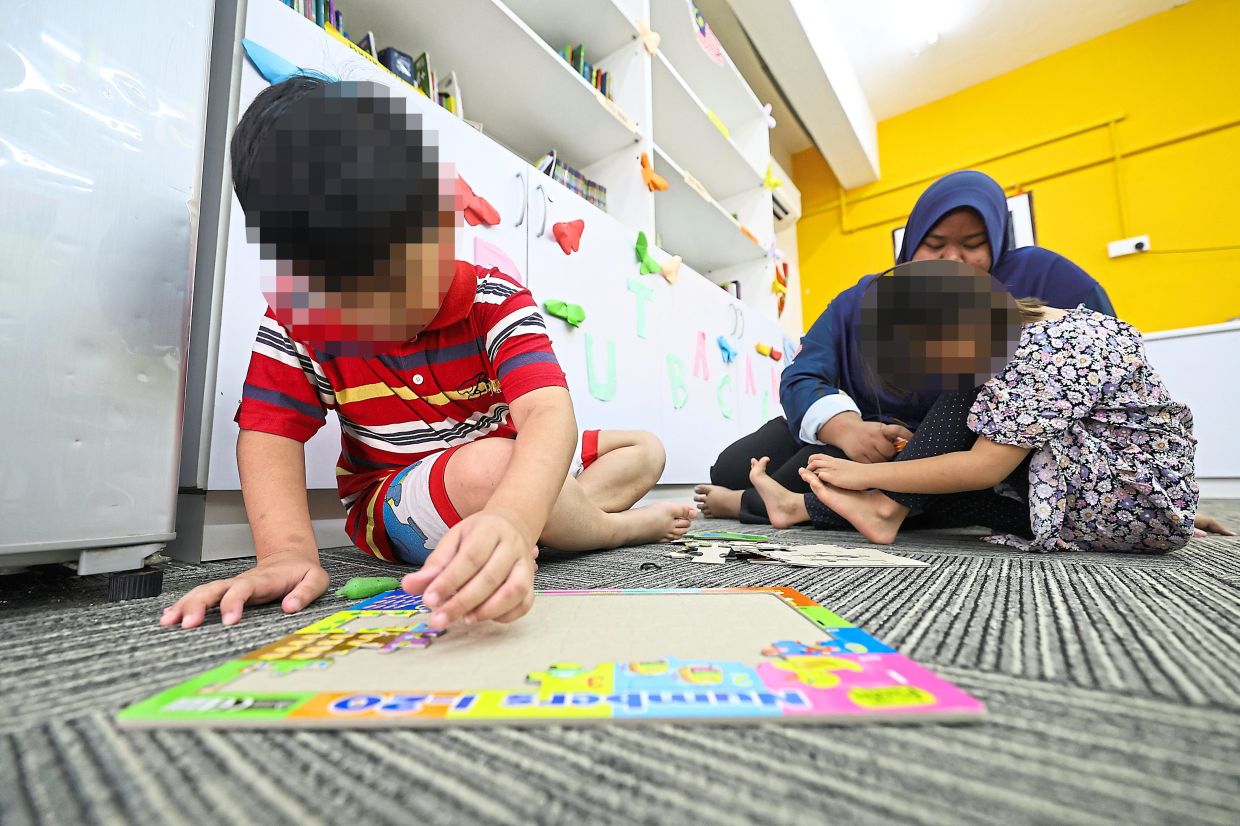
As such, one of the first initiatives implemented at the AYG centre in Kota Damansara in 2022 was teaching children in the surrounding PPR communities to read.
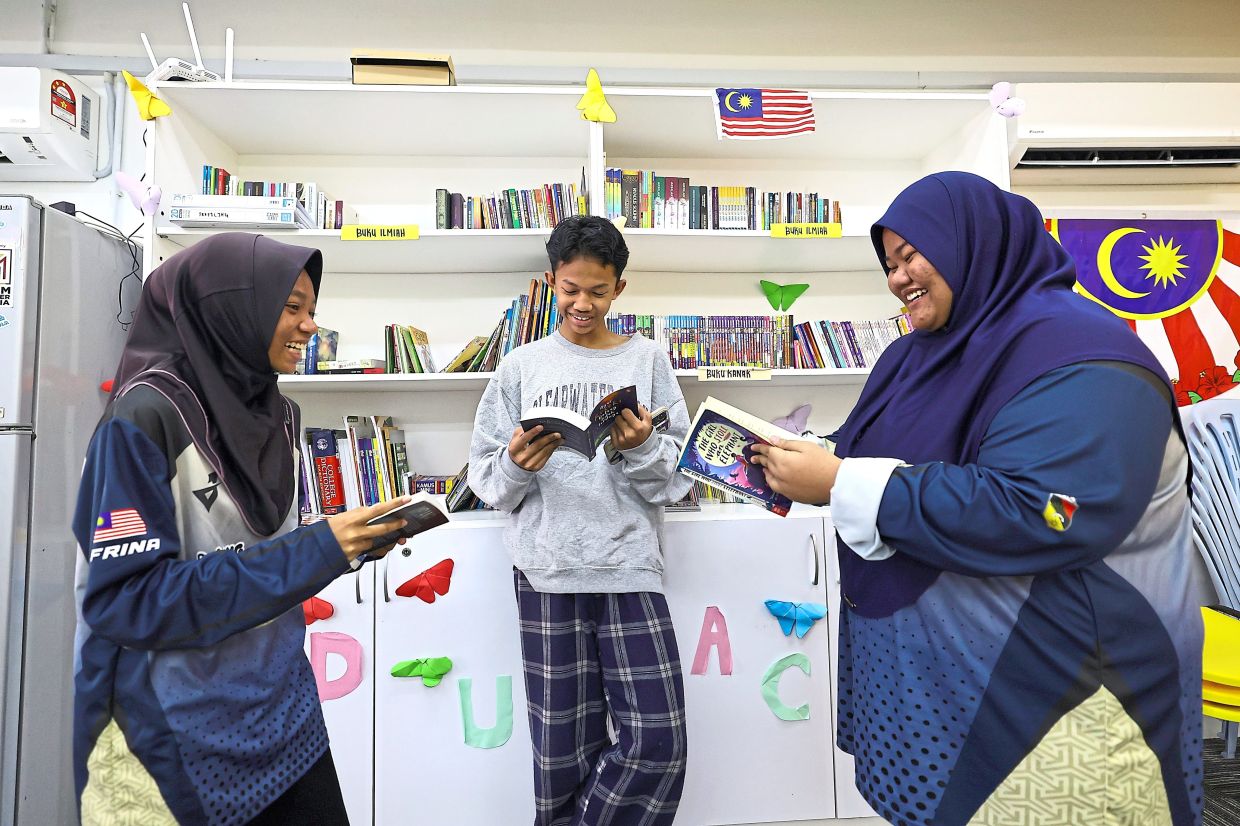
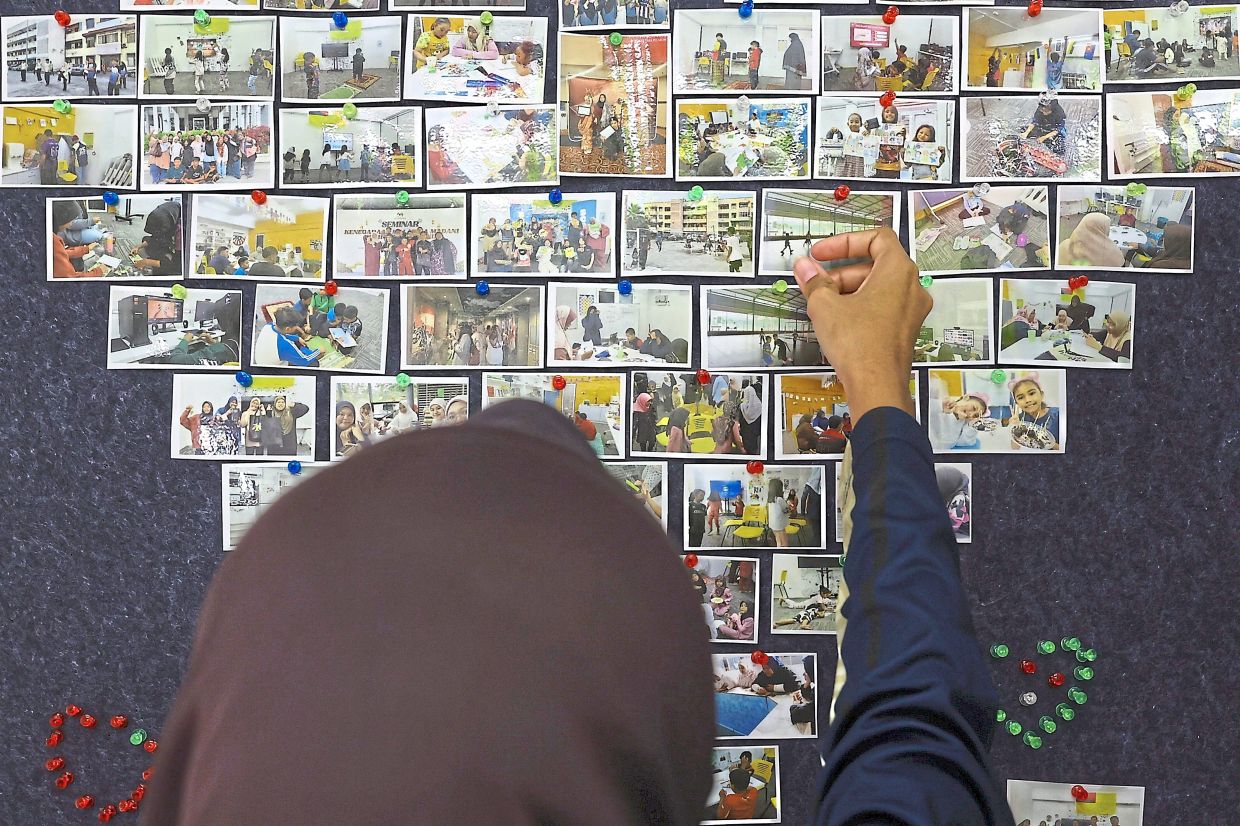
AYG provides spaces for young people to gather and share their experiences. — Bernama
Muhammad Ammar at the AYG Barbershop in Bandar Baru Bangi.
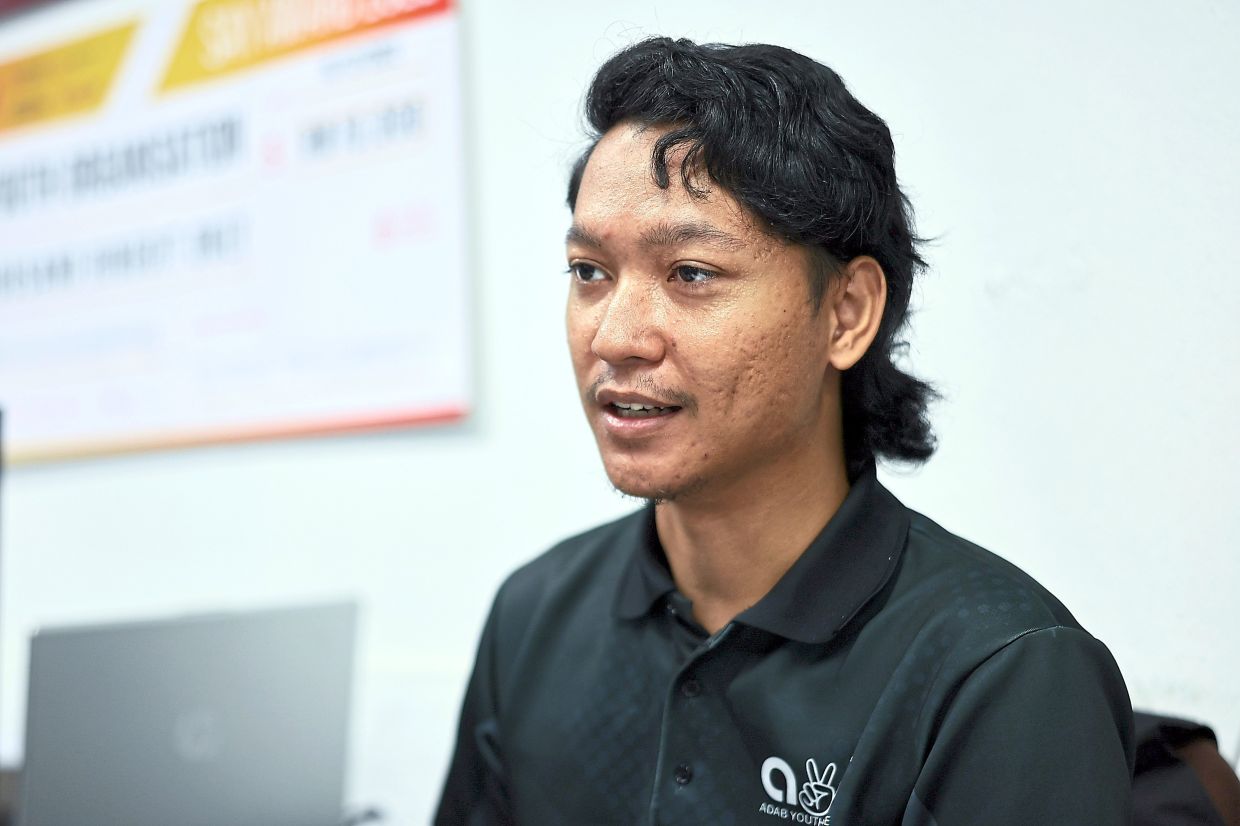
Mohamad Daniel says his skills in graphic design may not have been developed, if not for AYG.
Youths who once dropped out of school are discovering new opportunities to rebuild their lives at AYG.
AYG provides non-formal education in a safe and inclusive environment.
Mohamad Daniel demonstrating his graphic design skills at AYG.
Founded in 2013 with support from community donations, AYG now operates 16 centres in six states. — Filepic