




The prospect of ageing brings a unique sense of dread to parents of children on the autism spectrum, who often face the daunting reality of providing lifelong care.
As the community observes Autism Awareness Month this April, the focus for many families has shifted from early intervention to the more urgent question of what happens when a parent is no longer there.
Many on the autism spectrum require lifelong supervision due to challenges they face in functioning independently.
However, parents are acutely aware that time is limited and worry about what will happen when they are no longer around to care for their children.
For 60-year-old single father Yong Yek Ming, the passage of time is a source of quiet dread rather than a path to retirement.
With two sons on the autism spectrum who require constant supervision, his thoughts are rarely on himself.
“My prayer is that I die only after my children – because they depend on me,” he said, voicing a fear that many parents in the community carry.
This vulnerability was pushed to the limit during the Covid-19 pandemic, when some autistic adults lost both parents.
Yong said the sudden shift to new caregivers was emotionally gruelling for everyone.
While some families teach able-bodied siblings from a young age to take over, Yong believes this is a heavy ask.
“The responsibility should not fall entirely on such siblings, as they have their own careers and families,” he said.
Beyond the future, there is the immediate, daily worry about his sons’ safety.
“They can be adventurous and may easily lose their way, sometimes ending up in dangerous situations,” Yong explained.
To keep them safe, he has turned to practical tech.
When they travel, he fits his sons with tracking devices and hands them walkie-talkies.
The gadgets have already proven their worth; when one of his sons wandered off during a trip, the tracker led Yong straight to him in a nearby toy store.
The walkie-talkies allow him to stay in touch or even ask a stranger for help if his sons ever stray from his side.
Autism group homes
For parents with autistic children, dedicated group homes –safe, structured communities providing supervision and purposeful activities – represent the ideal solution.
Such homes would especially cater to those without guardians, enabling them to continue living with dignity and care.
Yong said this sentiment was widely shared among parents who want facilities that are government-supervised to ensure sustainability, proper management and transparency.
“I have my own life hacks to care for my autistic sons who are in their 20s, but they need a community where they can live, work and enjoy life safely – even without me,” he said.
Yong suggested such communities, or “autism villages”, be built on gazetted land and include workshops, training centres and activities tailored to the autistic community.
“These homes should also be integrated within housing areas so that the residents are not isolated from society, and should be equipped with closed-circuit TV cameras for safety,” he added.
He also stressed the importance of financial sustainability, saying, “These centres can generate income, but the profits should be reinvested into the homes.”
Another proponent of such homes is Katherine Ho, whose 30-year-old son, Jonathan Chia, is autistic.
Chia’s journey has included the government’s Pendidikan Khas programme as well as speech, occupational and sensory therapy.
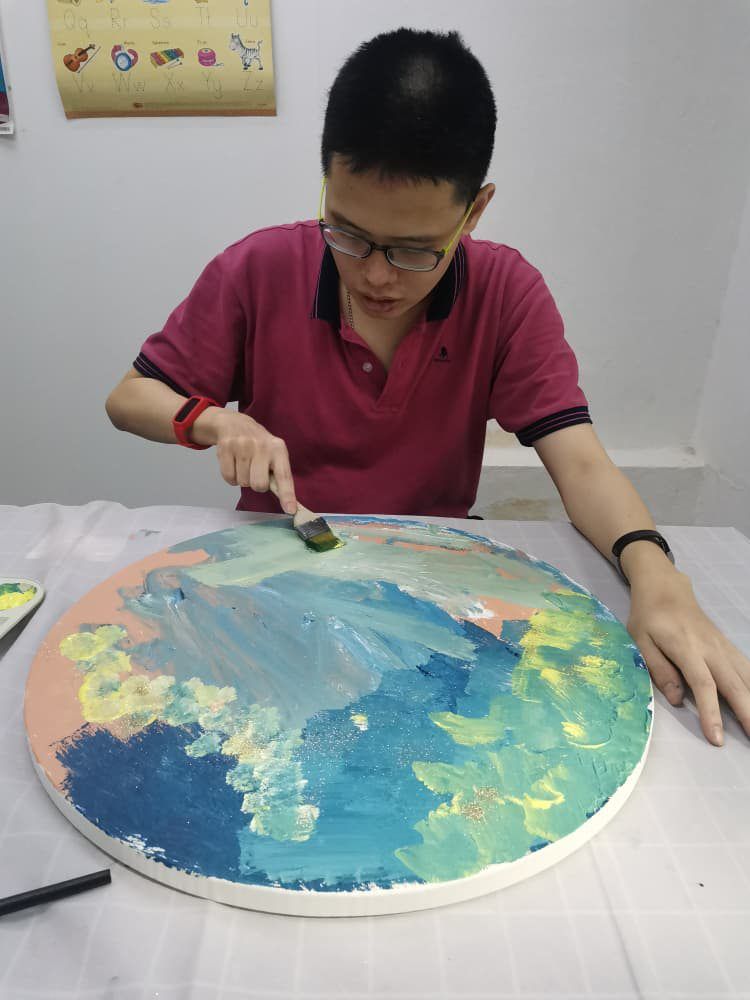
He currently attends vocational training in beading, cooking and painting at Persatuan Kebajikan Sinar Cahaya Istimewa in Kuala Lumpur.
“He goes twice a week and has learned a lot.
“However, he still requires supervision and is unable to travel independently.
“He has siblings, but we would prefer for him to live in a group home with adequate manpower to support and supervise residents,” Ho said.
“There are more training programmes available now, but what we really need are group homes.
“Parents will eventually pass away and their autistic children will lose their primary caregivers.”
Ho believes that group homes could offer a lifeline for exhausted parents, providing much-
needed respite from the relentless demands of caregiving.
“Many parents haven’t had a proper break since their child was born because the level of dependency is so high,” she said.
By offering a safe environment staffed by professionals, these homes would allow parents a chance to rest and recharge.
Beyond the emotional relief, Ho pointed out the significant financial impact.
Many families find it nearly impossible to save for their own retirement while simultaneously funding the specialised needs of their child.
And while she admits that setting up and running these facilities would require substantial funding and manpower, she sees them as an essential investment in the well-being of both the individual and the family.
Independent living
According to National Autism Society of Malaysia (Nasom) chairman Julian Wong, while there is no exact data on the number of individuals with autism in the country, about 500,000 are registered with the government.
“We believe the actual number could exceed one million.”
Wong added that Nasom had been championing the Smart Autism Village (SAVe) initiative, which aims to improve quality of life and promote independent living, reduce long-term dependency, and provide permanent care for autistic adults without guardians.
“We also aim to develop individuals who are productive and skilled, contributing to the nation’s economy,” he said, adding that such programmes included job placements at welcoming businesses.
“We want to reduce social issues such as neglect and inappropriate institutionalisation, while also serving as a long-term social investment that can lower future welfare costs.
“This service aims to build foundational skills for adolescents and adults with autism, enabling them to manage daily life safely, with dignity, and in real-world settings.
“The training approach is not child-based but focuses on adult life skills,” he said.
Wong noted, however, that funding remained a major challenge for the SAVe initiative.
“So far, we have raised RM500,000, but we need about RM3mil to kick-start the project.
“We are looking at accommodating around 100 individuals aged 18 and above,” he said.
He added that at the moment, Nasom’s Residential and Vocational Centre in Bandar Puteri in Klang, Selangor, provided early intervention, transition, skills development, intensive intervention and vocational programmes.
At the centre, adolescents and adults with autism stay from Sunday evening to Friday afternoon and learn living skills.
Wong said the 2026 global theme, “Autism and Humanity – Every Life Has Value”, is a powerful reminder that their work in Malaysia must go beyond simple awareness.
“My deepest hope for Nasom and our local autistic community is that we see a structural shift towards genuine inclusion – where neurodivergent individuals are guaranteed equal access to education, fair employment, and everyday dignity.
“When we actively value every autistic life, we don’t just empower individuals; we enrich the fabric of our entire nation,” he added.


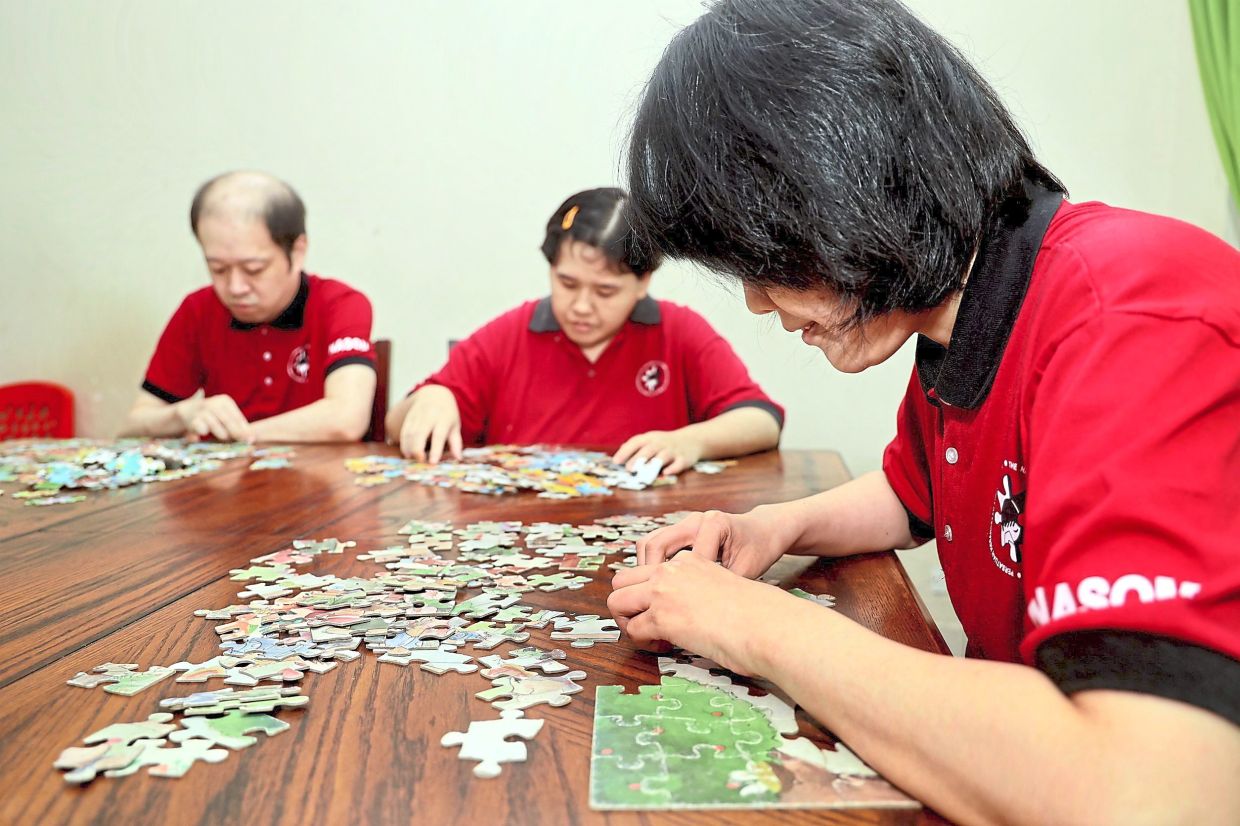
Two adults with autism (in red) learning job skills during a placement at a cafe in Petaling Jaya, Selangor.
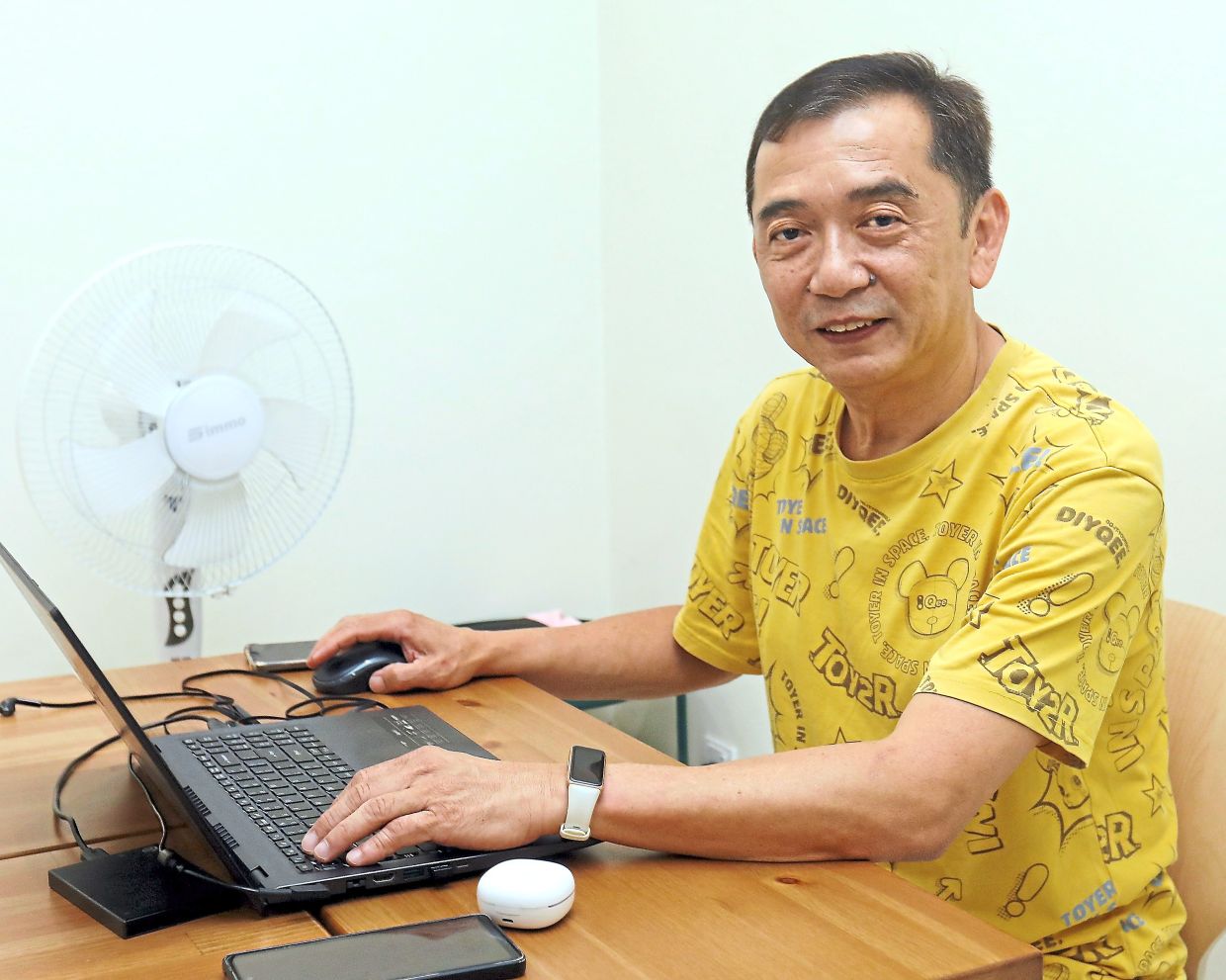
Yong suggests ‘autism villages’ be built, with work and training activities tailored to the autistic community.
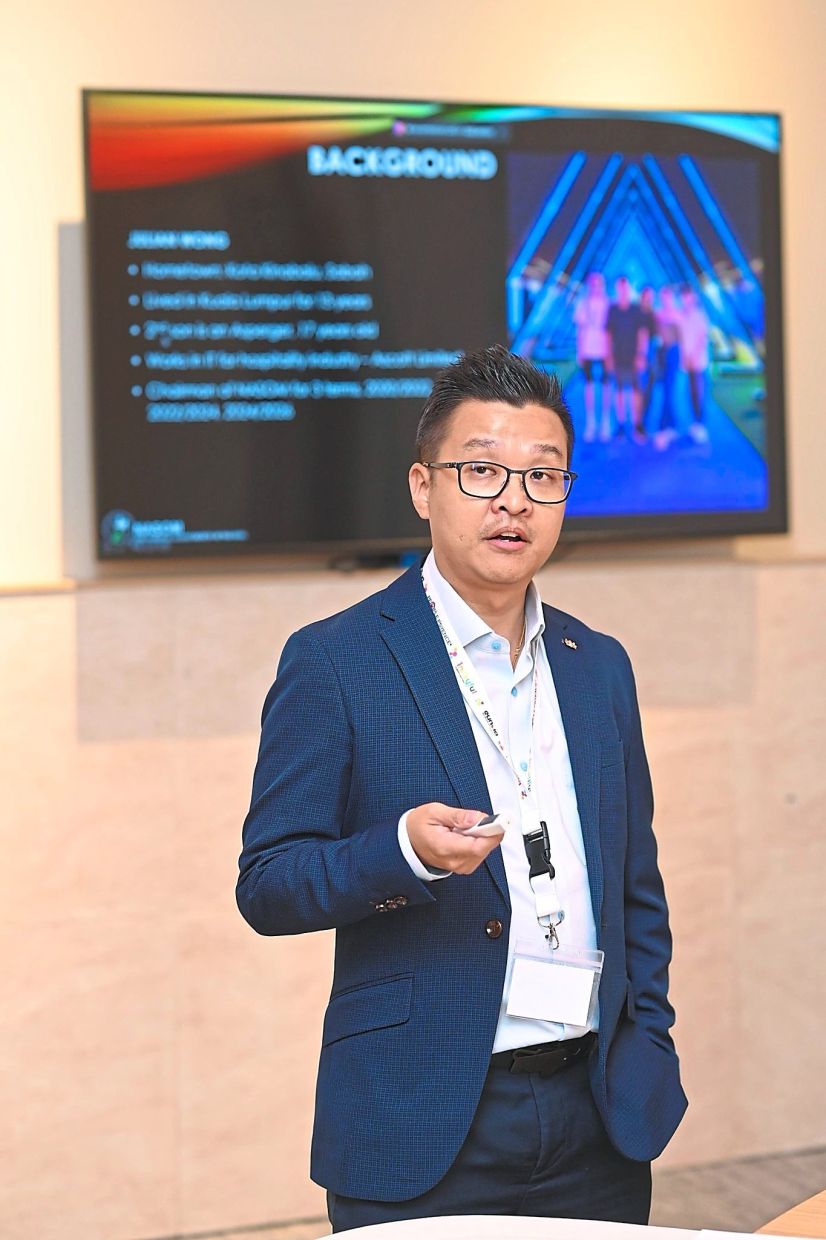
Wong: Nasom has been championing SAVe to provide permanent care for autistic adults without guardians.
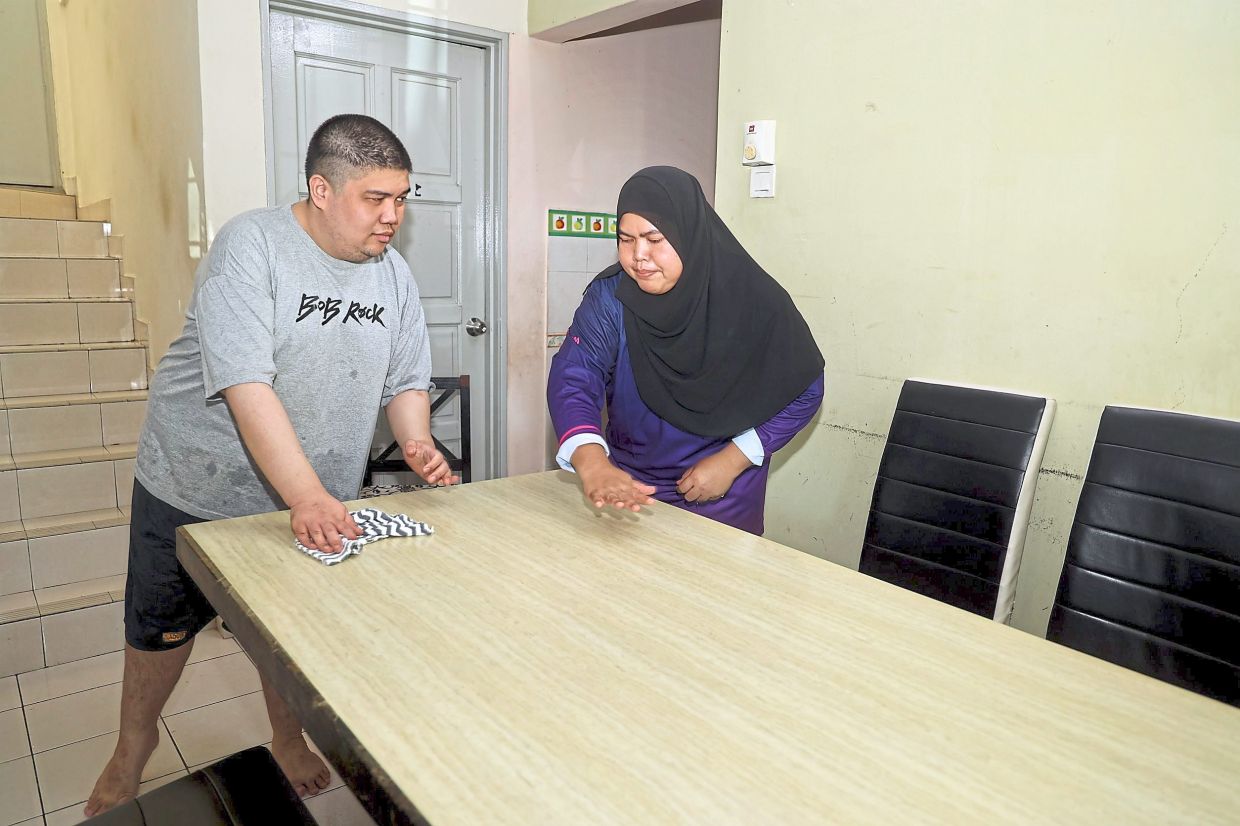
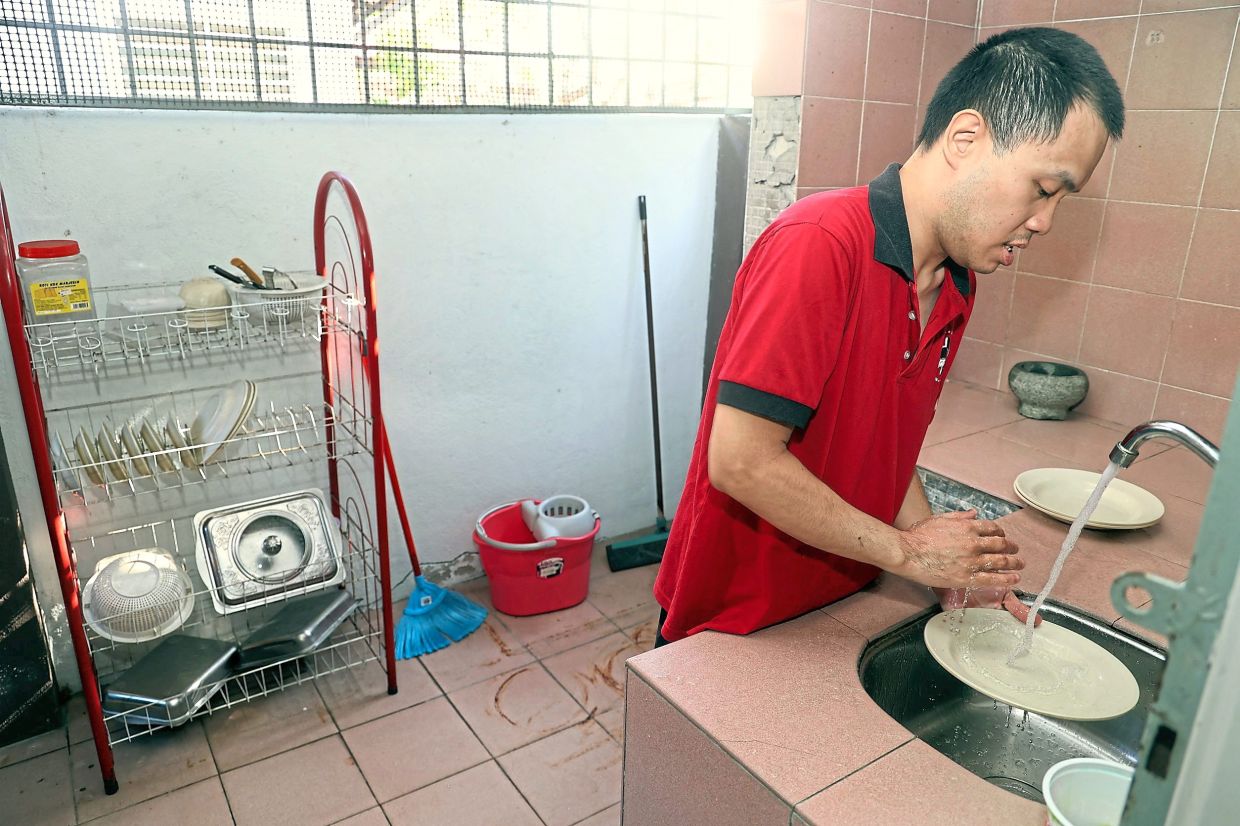
Young adults with autism learning to carry out basic house chores at Nasom’s Residential and Vocational Centre in Bandar Puteri.
Young adults with autism learning to carry out basic house chores at Nasom’s Residential and Vocational Centre in Bandar Puteri.
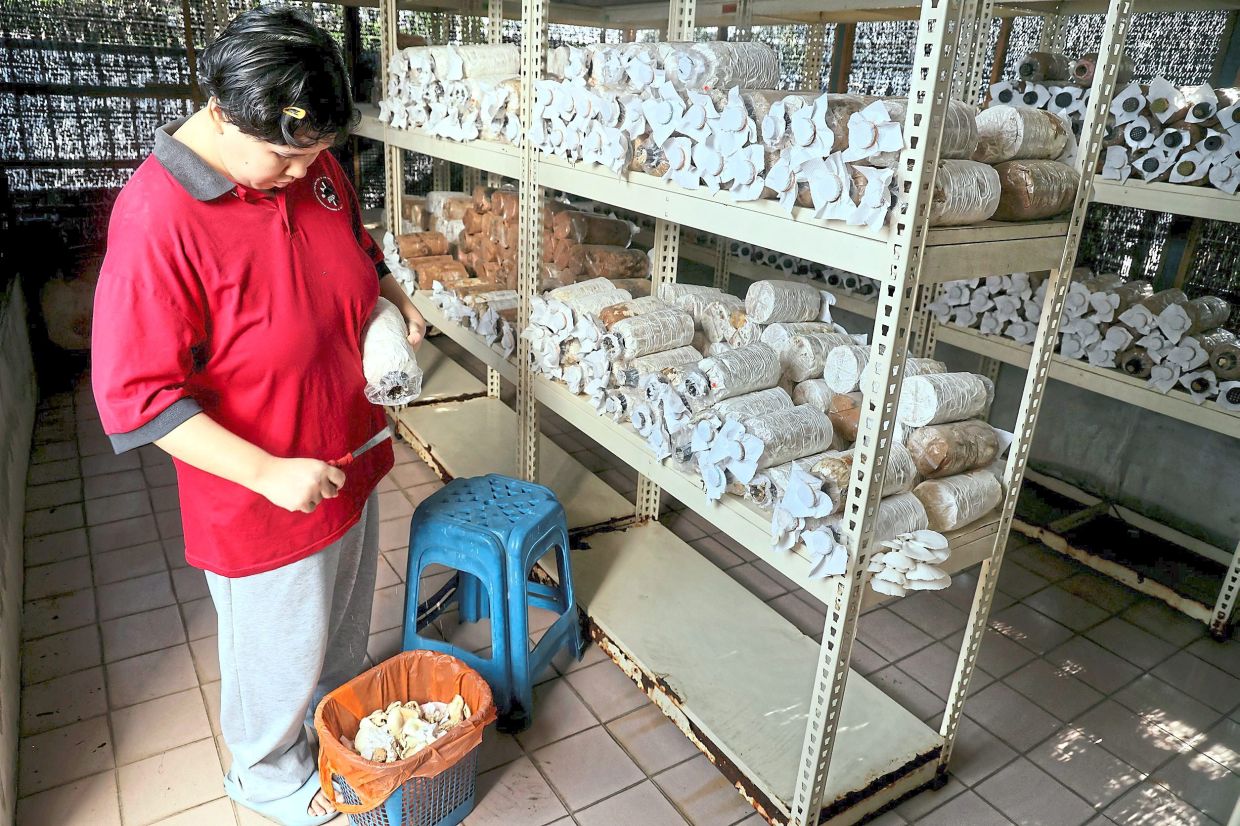
Nasom’s Residential and Vocational Centre in Bandar Puteri, Klang, provides skills development and vocational programmes. — Photos: KK SHAM/The Star and courtesy photos
Yong (centre) uses practical tech to ensure his sons, both with autism, remain safe while travelling.
Cultivating mushrooms among Nasom activities for individuals with autism.
Chia taking part in a painting session as part of vocational training in Kuala Lumpur .

