MORE than a year on, Penang island food operators are still in the dark over the announced ban on foreigners cooking 13 types of hawker dishes at privately owned outlets.
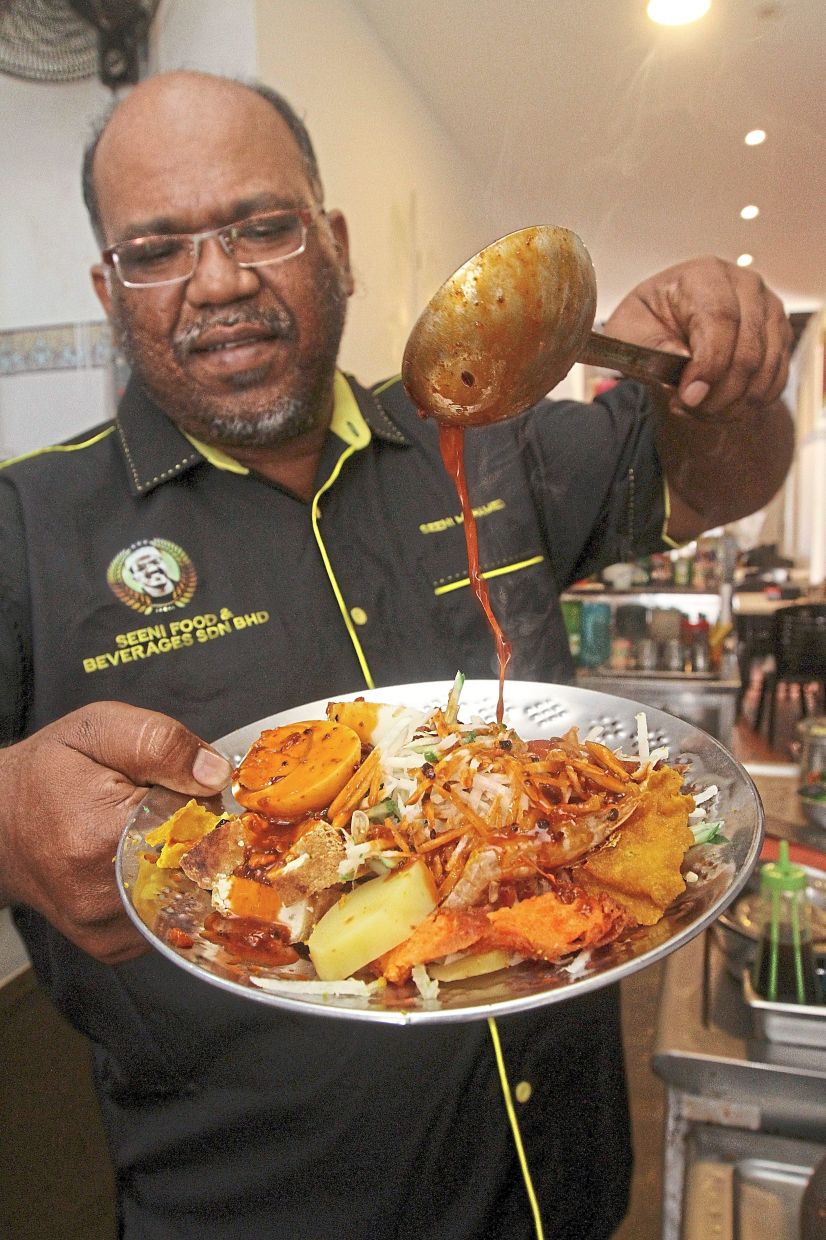
Transfer Road coffeeshop owner Seeni Mohamed Sheikh Abidin is, however, relieved that it has not been enforced, saying the ban could affect business.
He sells pasembor, mee sotong and char kuey teow (basah), which are all on the no-go list.
“I can’t imagine running my eatery without foreign workers in the kitchen,” said Seeni, who has been operating his business for two years.
He said foreign workers were more dependable as locals preferred other types of jobs.
“As the owner and person who prepares the food, I make sure the quality is top-notch.
“I won’t ask my foreign workers to cook unless they have been trained by me.
“If they cook poorly, I’m the one who will suffer from bad business.”
Nasi lemak seller Razman Ali said it had become increasingly difficult to hire locals as cooks for coffeeshops.
“Locals demand high salaries and extensive benefits, and as a small coffeeshop owner, I simply cannot meet those expectations.”
He said the local authority must conduct further research to prevent hawkers and the industry from being negatively impacted.
A chee cheong fun vendor who wanted to remain anonymous said food like hers, as well as nasi lemak and pasembor, should not be on the list.
“Ingredients can be prepared by the owners while the foreign workers just combine the items or plate the food up – no actual cooking or frying involved, only basic preparations,” she said.
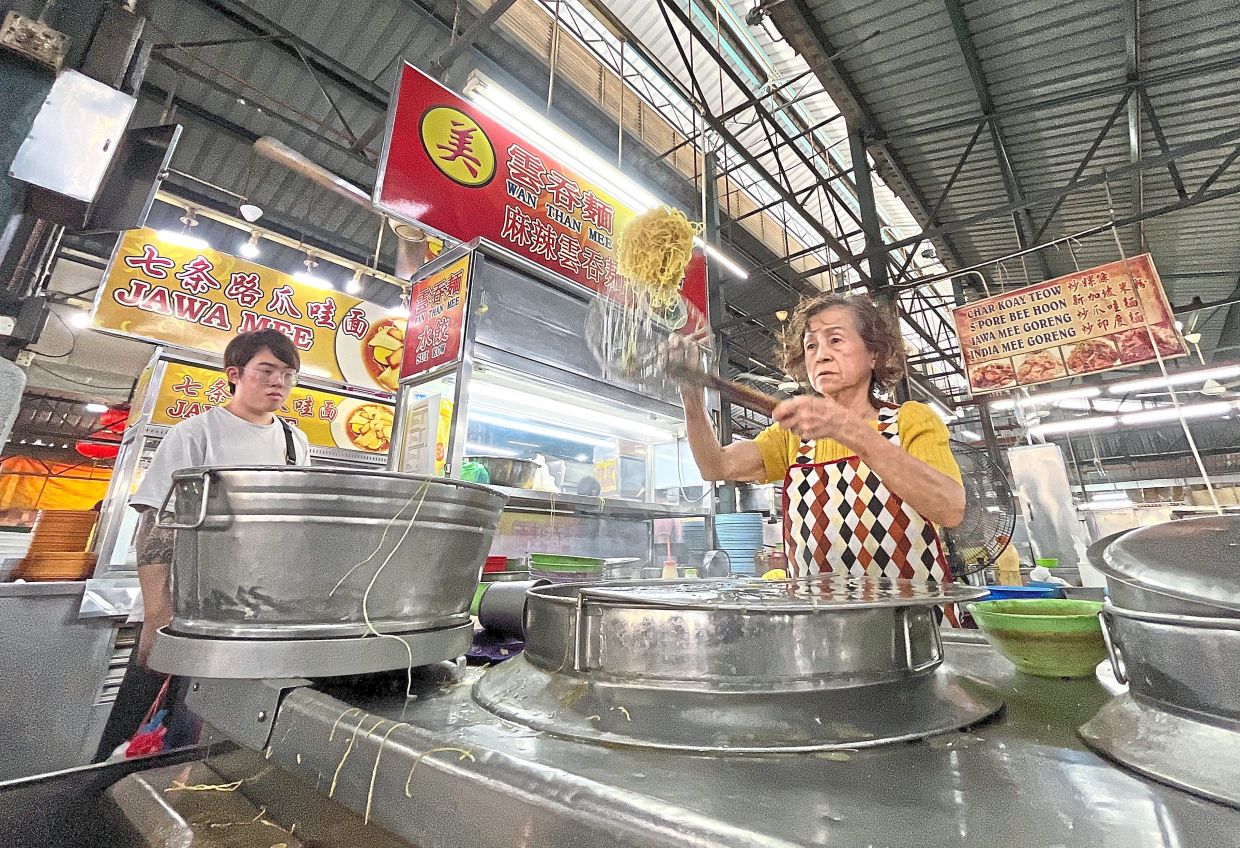
A previous report said Penang Island City Council (MBPP) identified 13 hawker dishes that could not be prepared by foreign cooks at hawker stalls, food courts or coffeeshops.
Other dishes included in the list are asam laksa, kuey teow soup, Hokkien mee, kari mee, wan tan mee, loh bak, char kuey kak and oh chien.
The ban does not affect cafes, restaurants, hotels or franchises offering the same dishes.
When contacted, local government committee chairman Jason H’ng Mooi Lye said the ban only applied to premises and complexes owned by MBPP.
He said the city council was still studying whether to gazette the ban as part of new by-laws.
“Since 2016, foreign nationals have not been allowed to cook these 13 hawker dishes.”
Operators who breach the rule will be issued a notice and have their licences revoked, he added.