
Haikaa Canteen is more than just a cafe serving local fusion fare. It is a vision of how old spaces can be thoughtfully repurposed to breathe new life into the community.
Tucked away in a bustling corner of Tanjung Sepat New Village, Selangor, the cafe serving local fusion fare once housed the village’s first timber depot and hardware shop.
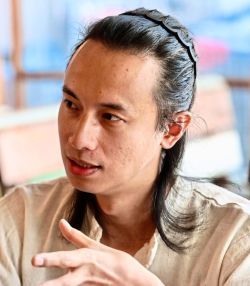
“The idea was to start a business but at the same time, we wanted to do something for the people in Tanjung Sepat,” said cafe co-founder Lim Tik Hau, who ventured into the business with eight hometown friends.
“Here, we utilise a ‘village to table’ concept, sourcing most of our ingredients from local traders to create a circular economy.”
StarMetro previously highlighted that most new village youths rarely return to earn a living in their hometown.
Depopulation, driven by a lack of job opportunities, significantly impacts new villages across the nation, particularly those further from urban areas.
Nevertheless, revitalisation efforts are underway, with villagers actively promoting their hometowns.
Selangor government, too, is planning for the redevelopment of some new villages as tourist destinations.
Lim believes that repurposing and revitalising old spaces will create economic opportunities and strengthen Tanjung Sepat’s identity.
“Boosting the economy is a fundamental requirement as a stable livelihood will entice young people to return and settle in new villages,” he said.
With this vision in mind, Lim rented an old hardware shop, at Jalan Besar, Tanjong Sepat, in 2020 and began remodelling.
“Stalled by the Covid-19 pandemic, we continued furnishing the place, with help of our neighbours, once movement restrictions were lifted.
“The project involved the community and brought everyone together,” he said.
The cafe space, previously housing goods like sand and pipes as well as an office, underwent significant transformation.
The hardware shop’s original signage and movable items were salvaged and now add charm as unique decoration pieces at the cafe.
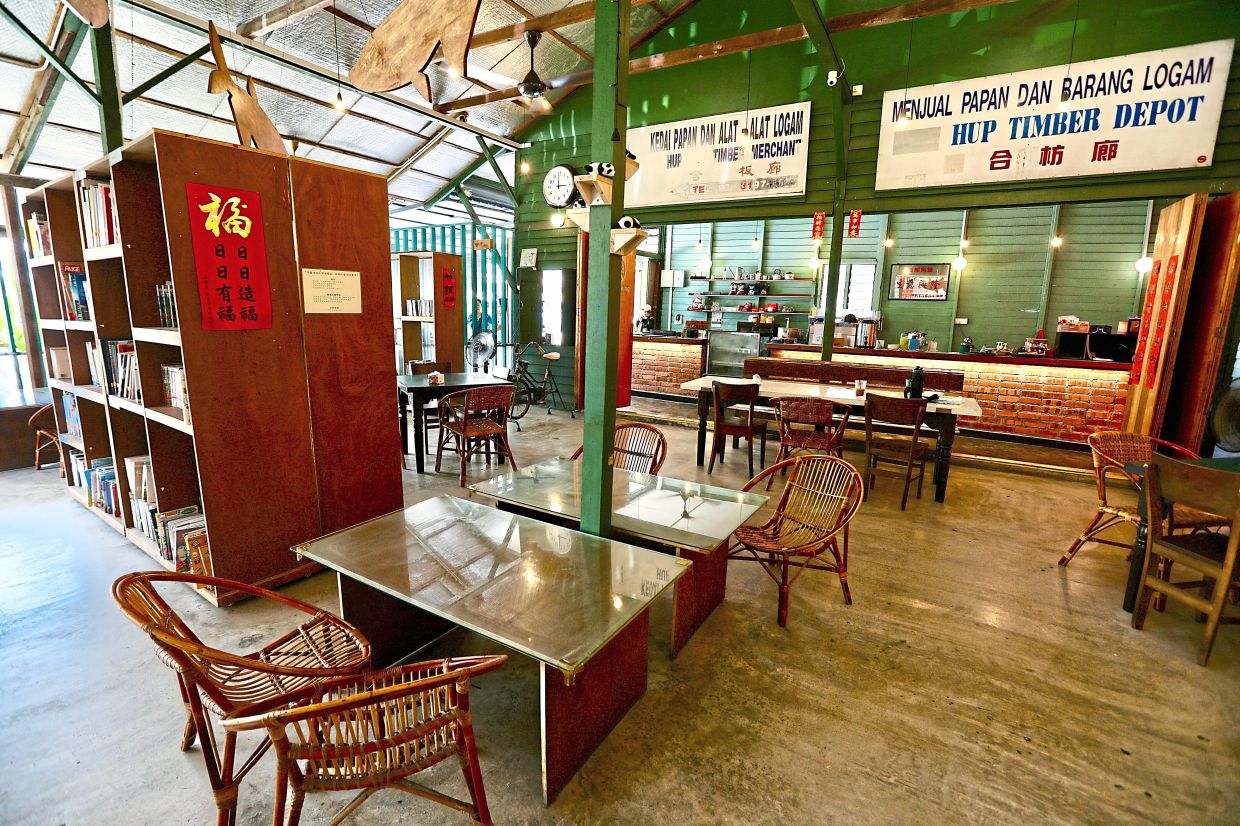
Even biscuit tins adorning one part of the wall were bought from local biscuit sellers.
The name “Haikaa” itself, is a Hokkien term. It is a nod to people who make their living at sea, a profession that was once central to the lives of new villagers.
Lim said incorporating features from the old hardware shop into the new cafe served as a form of architectural continuity, while keeping the cafe’s nostalgic spirit alive.
He said a strong economy was needed for cultural advancement to thrive.
“When the new village strives economically, it draws tourism opportunities or even cultural advancement to further grow the new village.
“This will lead to better livelihood for the villagers, helping them to stay relevant in this modern society,” he said.
The cafe also hires local part-timers for its daily operations, with one of Lim’s partners serving as the main cook.
“We sometimes invite local women to cook native delicacies, then add these to the menu so that tourists and outsiders can experience authentic flavours cherished in new villages.
“By doing this, we can help villagers earn a living to sustain their lives,” he said.
Repurposing old spaces
Contributing to new villages is not solely an effort undertaken by those born and bred there.
Architectural designer Tey Tat Sing, with a firm in Jalan Kelang Lama, Kuala Lumpur, was attracted by Salak South New Village’s charm, which has remained untouched despite rapid development surrounding the area.
“The new village is progressing slowly regardless of what is happening around them. Finding such a rustic place amid the city is quite a catch,” he said.
Tey, co-founder of Tetawowe Atelier architecture firm in Jalan Kelang Lama said they took up the offer when approached by Housing and Local Government Ministry officials on a community-led effort to repurpose an old space in the new village into a library.
The project involved one of three rooms in a building beside the community hall along Jalan 1 in the Salak South New Village.
The other two rooms are being used as communal space for community events.
“This room, conveniently located next to the community hall, once served as the primary kitchen for wedding banquets.
“The kitchen was a neglected space and in bad shape,” Tey said, adding that in 2019 makeover for the old space started.
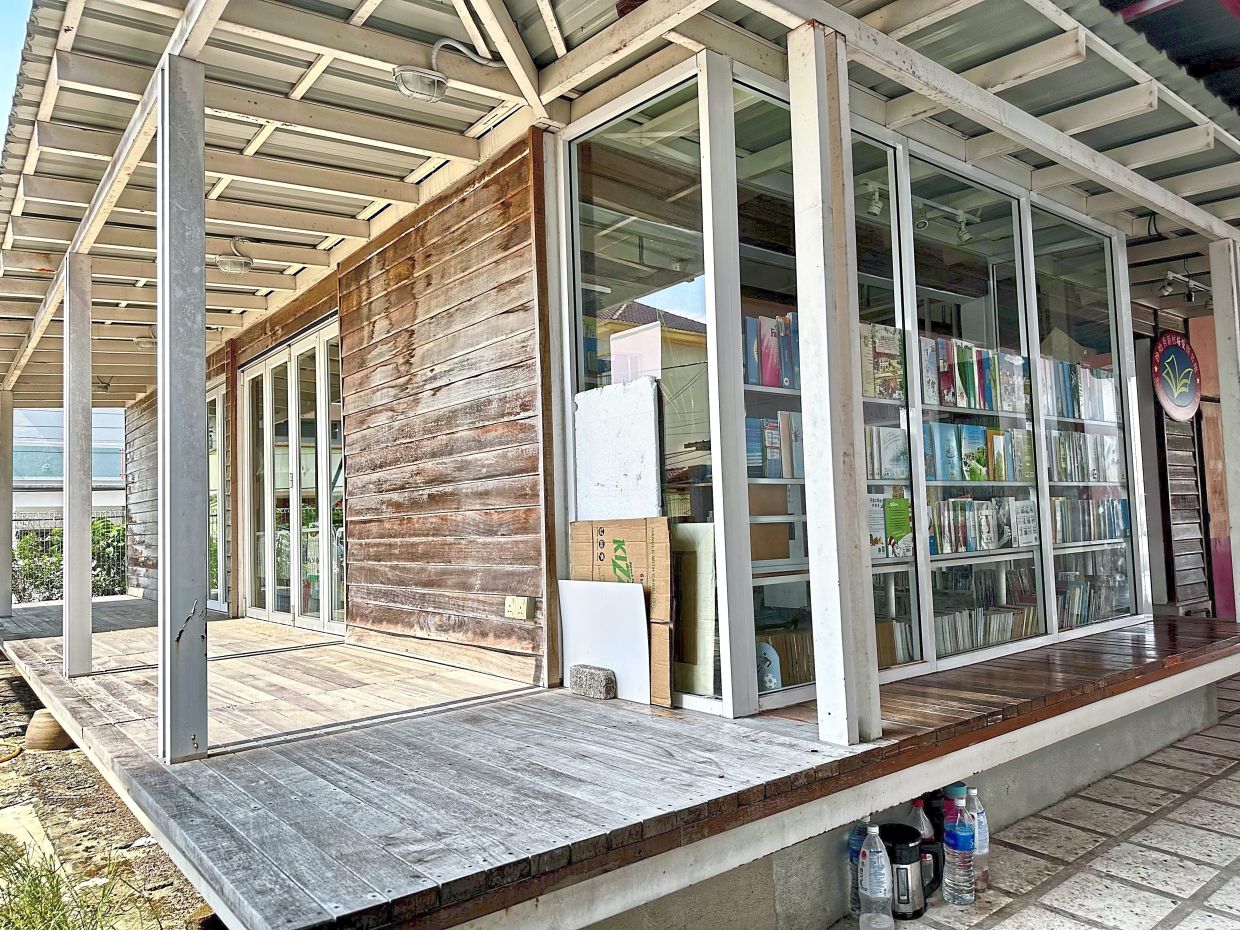
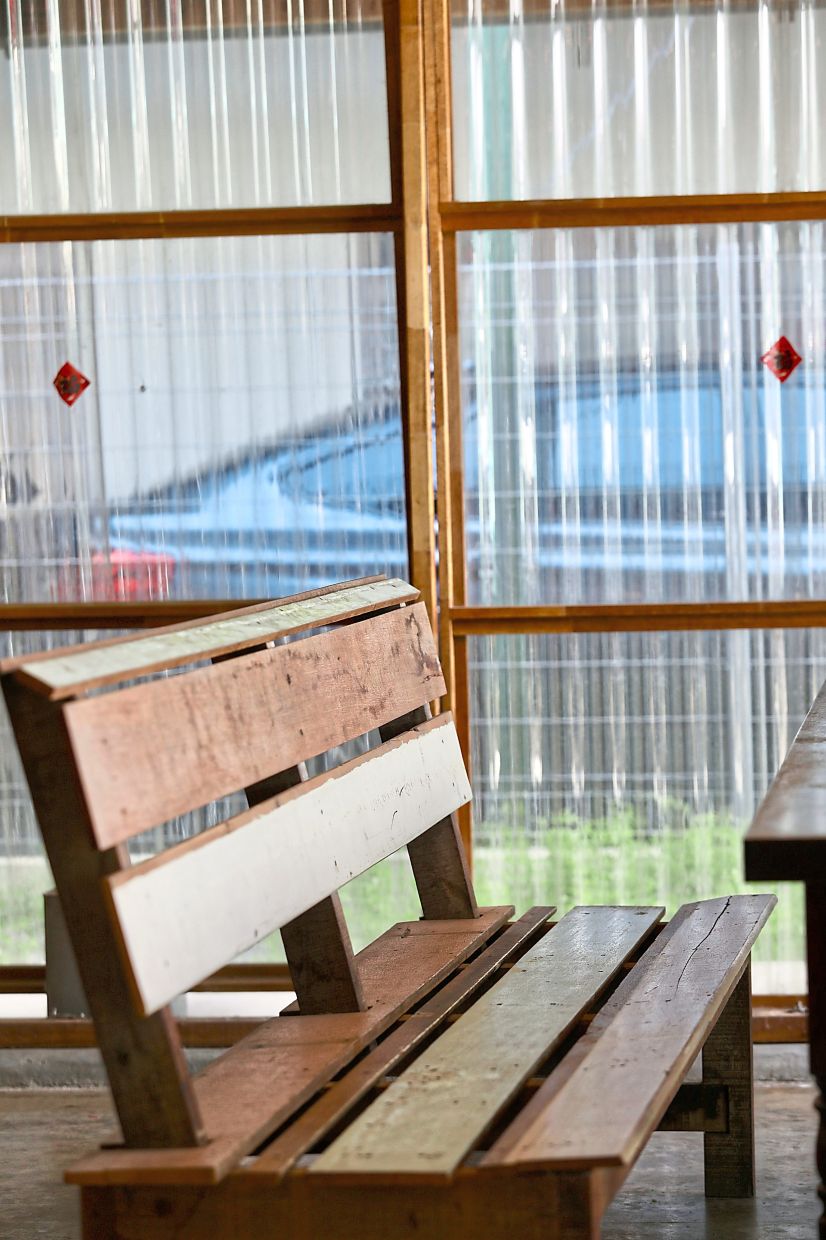
Using recycled timber, salvaged plywood and the help of an experienced team of contractors, Tey transformed the space into a library – a quiet refuge ideal for reading programmes, schoolchildren and workshops.
“Plywood was used for shelving units while the facade and benches were built from recycled timber.
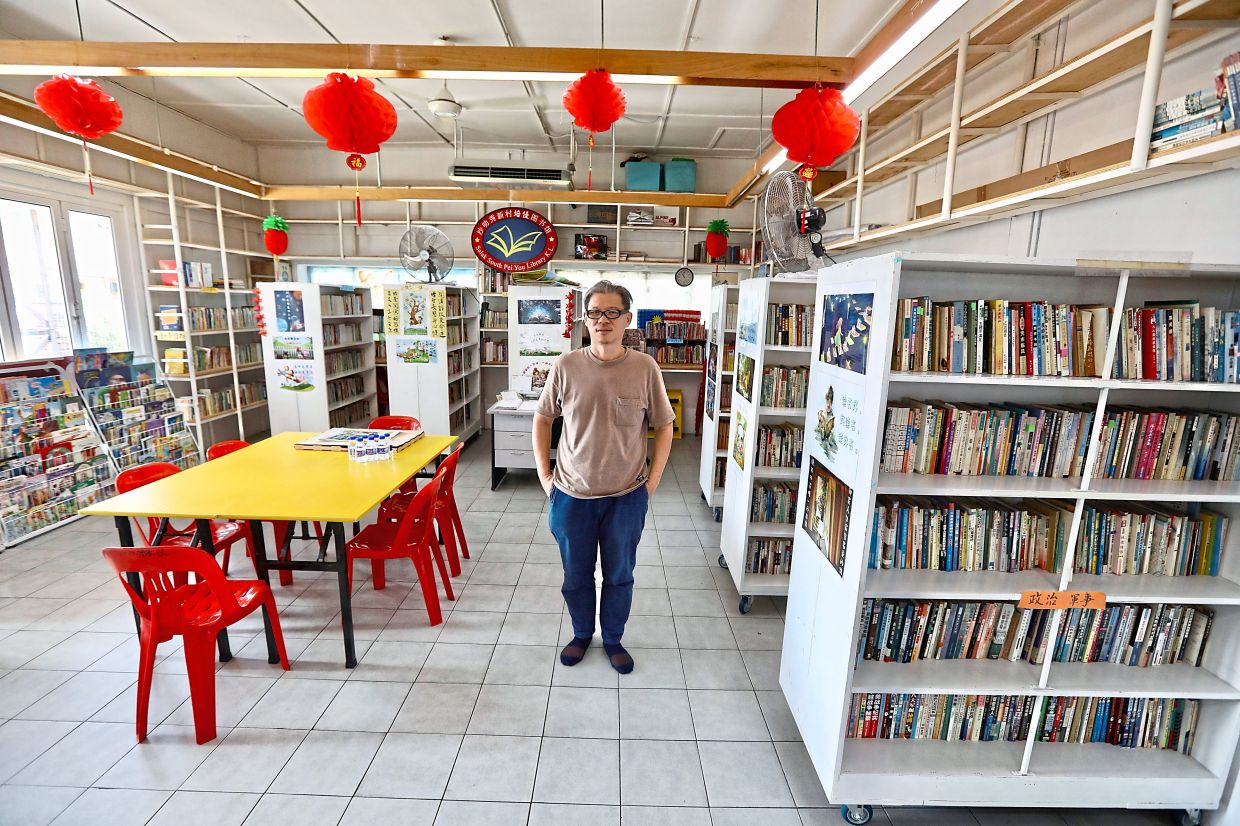
“Some of the shelves were also fitted with wheels so they can be moved around to serve different purposes, such as a reading space, workshops, even talks and seminars.
“It also gives the library a rustic vibe that gels with the new village,” he said.
The library, now called the Salak South Pei You Library Kuala Lumpur, is managed by the alumni association of SJK (C) Salak South – a key part in the village’s evolving ecosystem.
For Tey, the project is more than a design work, it is a bridge uniting the community.
“Unlike modern housing areas where residents tend to keep to themselves, village folk often step up, volunteering time, energy, and ideas to build shared spaces,” he said.
“After its completion, the library now hosts community- related programmes that promote community bonding.”
This initiative is also a part of a broader effort to stem the exodus of young folk from new villages – a trend that is not unique to Kuala Lumpur but visible across Malaysia’s second- and third-tier towns.
Tey said repurposing old spaces into new, relevant spaces could help narrow the perceived gap between urban and rural living, making new villages more competitive in retaining their young population.
“Young people leave for jobs, for a better life elsewhere in the city, but I hope that through my efforts, it can be a catalyst to attracting further development in the village,” he said.
Historical significance
Revitalising Malaysia’s new villages through community empowerment has long been a core objective of non-governmental body Village Vision.
Initiated by Persatuan Sahabat Komuniti Mampan Selangor dan Kuala Lumpur, Village Vision works to foster community togetherness and redefine the role of new villages nationwide by unearthing their unique characteristics and inherent values.

“Chinese new villages are a product of the Malayan Emergency, which has a place in world history and the ideological divide where the British colonial government sought to suppress communism,” he said.
“Rural Chinese communities were resettled into fortified camps, known as new villages.
“Hence, the villages’ existence offer a unique opportunity to commemorate that era in Malaysia.”
While acknowledging the inevitability of depopulation in many new villages, Teoh said with proper planning, these communities could endure and even thrive.
He said the original formation of new villages during the Malayan Emergency was intended to be temporary, leading to land title leases varying from 30 to 99 years.
“This often discourages residents from investing significantly in property renovations.
“However, I believe the government should continue to promote these as ideal places for people to live and develop a comprehensive blueprint for their future,” he said.
Village Vision has actively organised competitions focusing on projects that unite and empower communities, particularly encouraging younger generations to return to their ancestral villages.
Teoh said he had observed an emerging trend of young people returning to new villages, repurposing old houses into community spaces or cafes.
“While there are many who are returning to new villages to settle down, such a trend is not gaining enough traction.
“However, such efforts must be carefully managed to prevent gentrification, ensuring that long-term residents are not displaced from their homes,” he said.
To address this, Teoh said a transitional model where senior villagers and young people could share living spaces could be looked into.
“Given the larger village houses, homeowners can rent out different areas for various purposes, such as working studios, cafes and living quarters.
“This arrangement would provide elderly owners with rental income while fostering interconnected spaces, preventing the marginalisation of older residents in the process,” he said.
Teoh also said the exciting possibility of new villages being nominated as a Unesco World Cultural Heritage Site.
“However, such an aspiration would necessitate the development of a comprehensive heritage management plan,” he said.
“This plan is crucial for demonstrating the long-term sustainability of the sites, much like existing heritage areas such as George Town and Melaka, by outlining necessary restrictions, including on building height.
“It must also ensure the improvement of living conditions within the villages.”