
Stakeholders say lack of maintenance at Sg Midah facility impeding its function
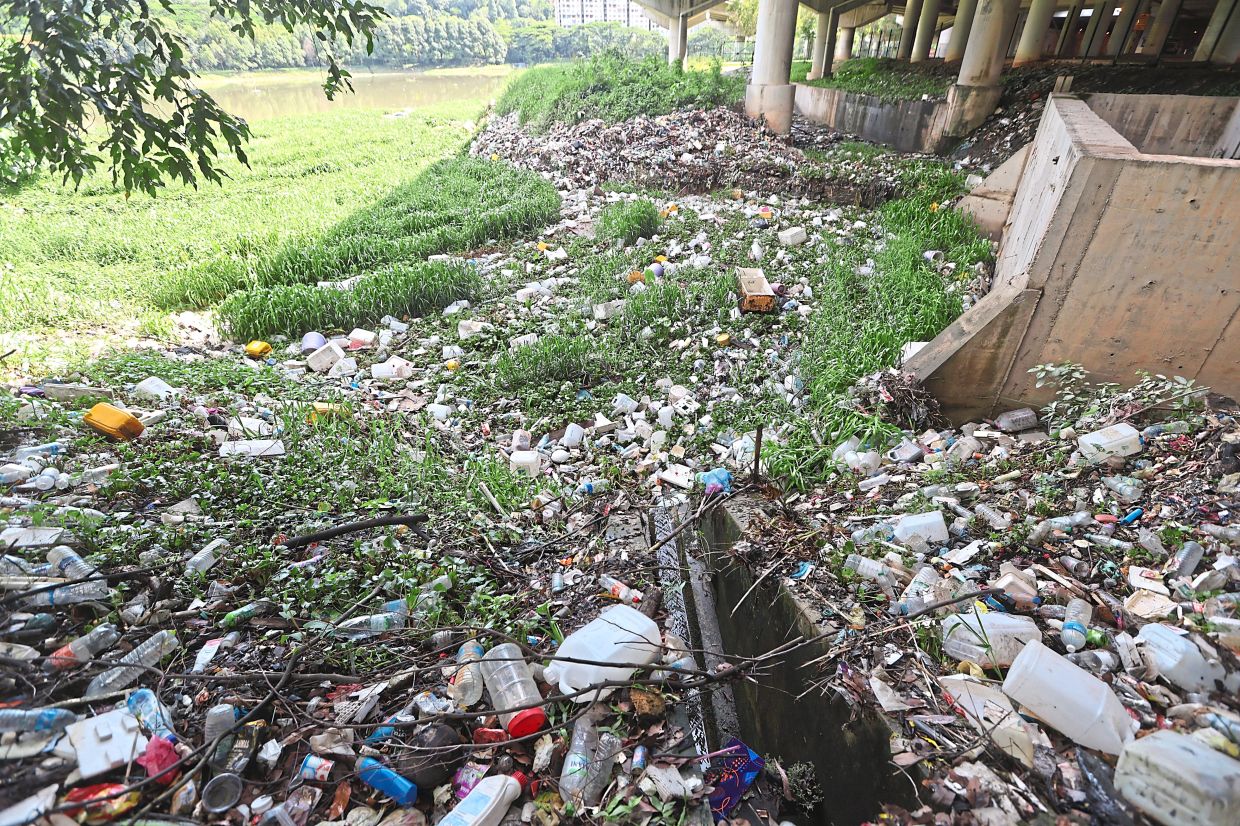
BLOCKED drains and a build-up of rubbish are posing a serious threat of floods and pollution at Sungai Midah flood retention pond in Bandar Tun Razak, Kuala Lumpur.
This has sparked considerable alarm among residents and stakeholders, particularly with the anticipated arrival of the monsoon season.
Originally intended to mitigate flooding, the pond is now struggling to function effectively, which an environmental group claims is compounded by recurring lapse in maintenance.
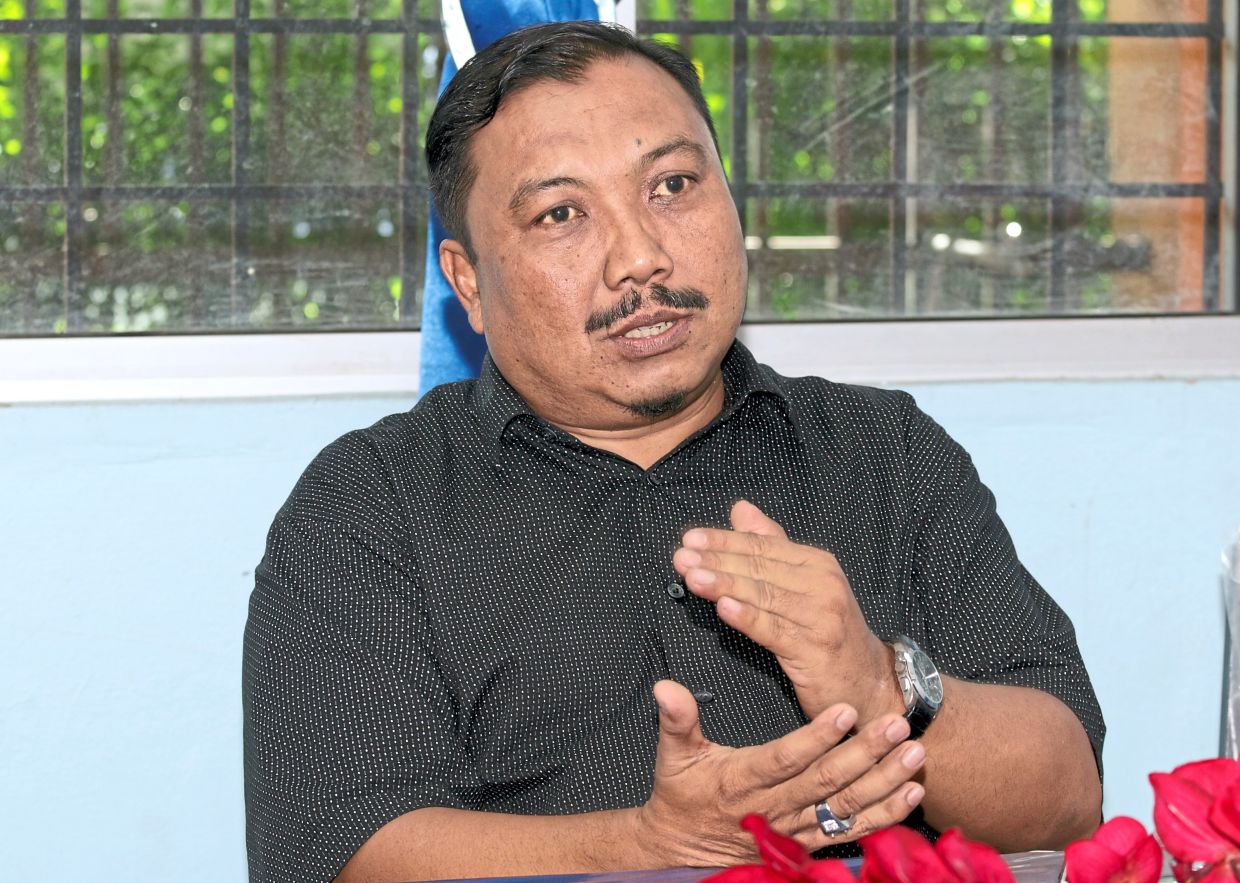
Sungai Midah Flood Retention Pond Nature Lovers Club chairman Mohd Zainuddin Amran said the Drainage and Irrigation Department (DID) failed to carry out regular upkeep of the facility.
He said this has resulted in an unchecked build-up of waste.
“Such neglect over the years has transformed this vital infrastructure into not only a public health hazard but also an eyesore for our community.
“DID must devise a more sustainable, long-term strategy to guarantee the pond’s regular maintenance,” said Mohd Zainuddin.
Residents also expressed growing disillusionment with the pond’s diminished effectiveness.
“After heavy rain, the pond becomes a floating landfill,” said nearby resident Salmah Husin.
“The majority of the rubbish originates from factories in the vicinity and without consistent maintenance, it stagnates here for weeks on end,” she added.
Sandy Low, another resident, echoed this sentiment: “It’s not just the floodwaters we’re worried about – the sheer volume of rubbish is making everything worse.
“The drains are clogged, preventing proper water outflow and causing everything to back up. It’s frankly disgusting.”
A recent check by StarMetro corroborated these concerns, revealing swathes of floating debris lining the pond’s edges, plastic waste obstructing drainage channels and stagnant water lingering on adjacent walkways.
In some areas, rainwater had yet to recede several days after the last downpour.
Constructed in 2008 with a 300,000 cubic metre water holding capacity across 17.5ha, the pond was once a key defence against flooding for neighbouring areas.
Now, residents complain that it is choked with floating rubbish, stagnant water and debris, believed to be washed in from smaller factories in Cheras via Sungai Midah.
“I suspect the persistent stagnation is due to a lack of a clear outlet,” Low said.
“I fear that one day following heavy rain, this area could face severe flooding.”
The pond’s proximity to key transport hubs such as Terminal Bersepadu Selatan (TBS) and KLIA Transit station intensifies these worries.
Just last month, floodwaters were reported in the area, with walkways submerged and rubbish scattered across the transit hub entrances.
Residents say this occurs after every significant rainfall, leading stakeholders to question the efficacy of current flood mitigation measures.
Mohd Zainuddin further asks: “Why isn’t maintenance conducted throughout the year?”
“What measures are being taken against those polluting upstream?
“And crucially, who will be held accountable should severe flooding occur?”
Last year, StarMetro reported that DID had allocated RM1.3mil for the pond’s maintenance, which was then battling a dense infestation of water hyacinths that had covered the entire surface.
These invasive aquatic plants, known locally as bunga kiambang, are notorious for their rapid spread and clogging of waterways, leading to a range of environmental problems.
The scope of work includes desilting, cleaning and grass cutting.
However, the current state of the pond suggests minimal impact from these efforts.
When contacted for comment, a DID spokesperson acknowledged the concerns raised and stated that the issue had been escalated to senior management within the department.