Photography is the art of capturing moments, and how one chooses to capture these moments significantly affects the emotion, narrative, and technical aspects of the images.
One of the key techniques for photographers is adjusting shutter speed. Slow or long-exposure photography opens up a world of unique possibilities.
Unlike the fleeting click of a snapshot, slow exposure photography elongates time. Typical photographs might capture a split second, but slow exposure captures several seconds, minutes, or even hours in a single frame.
Unlike standard shots, this creates photos with sharp, stationary objects and blurred motion, giving a dreamy effect.
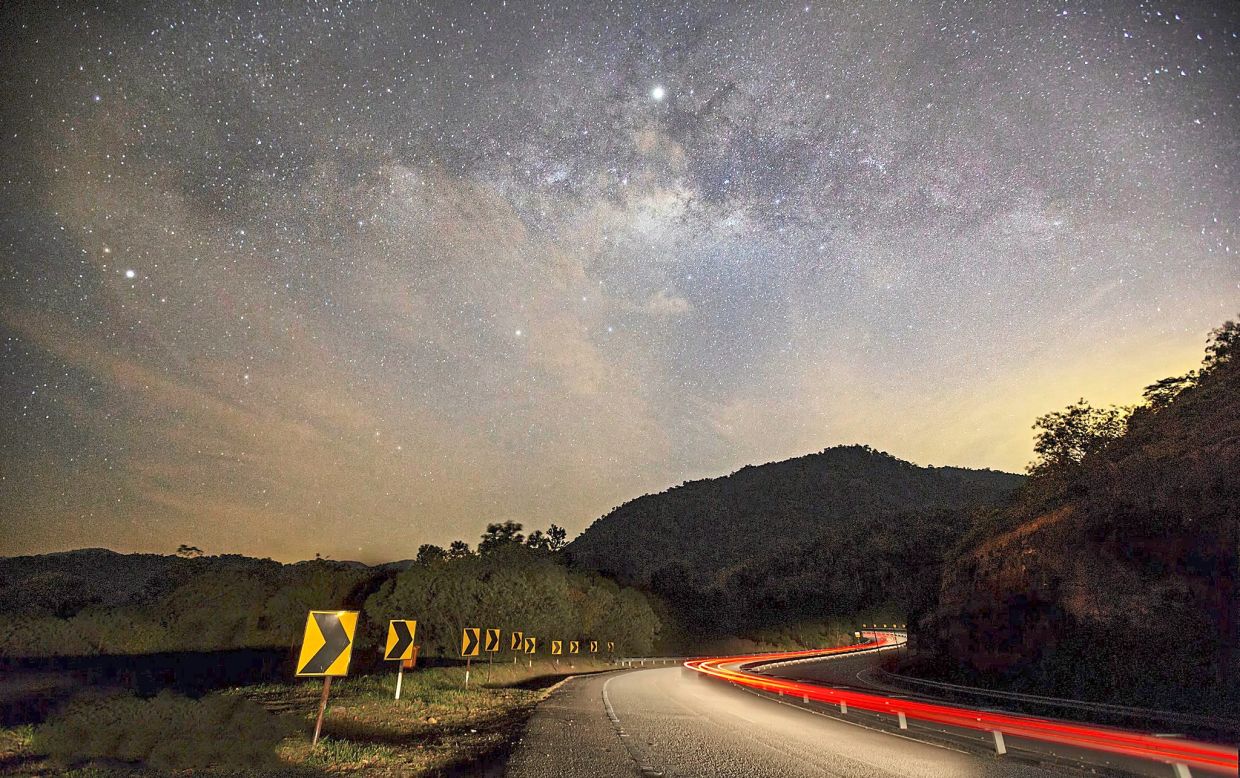
For example, water transforms from defined ripples to a smooth, misty veil, and bustling city streets melt into a sea of colours and lights, where the city’s energy can be felt rather than the individual cars or people.
Among the requirements for such photography is a sturdy tripod and Neutral Density (ND) Filter that acts like sunglasses for the camera, allowing it for longer shutter speeds even in daylight.
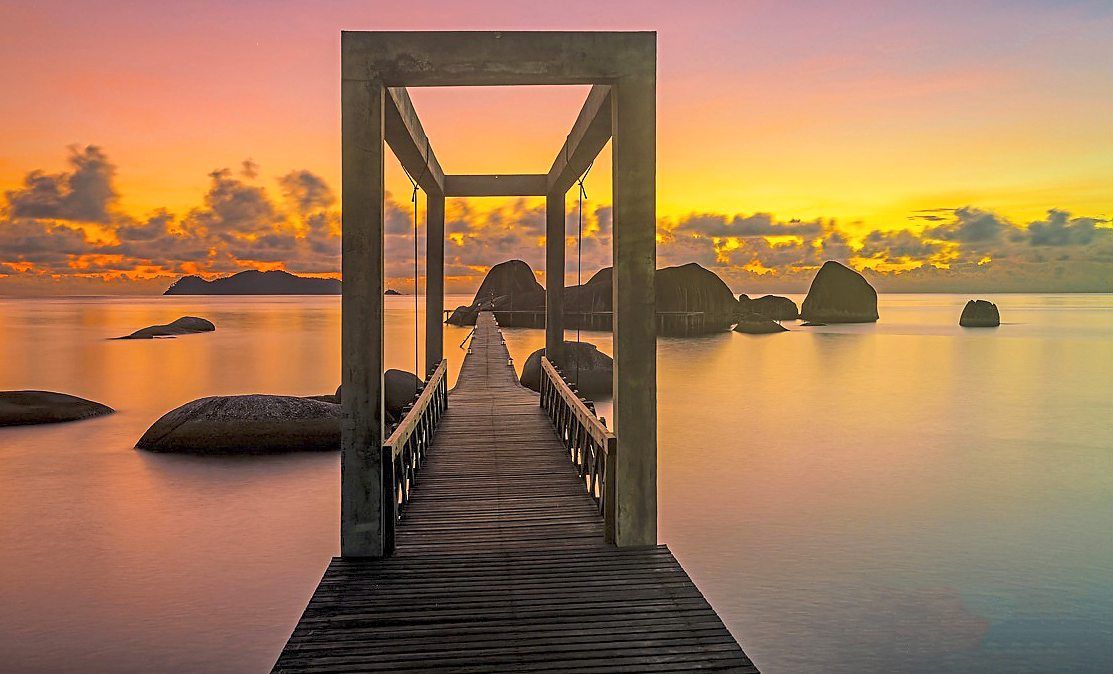
To get the long exposure effect, one must manually adjust the shutter speed.
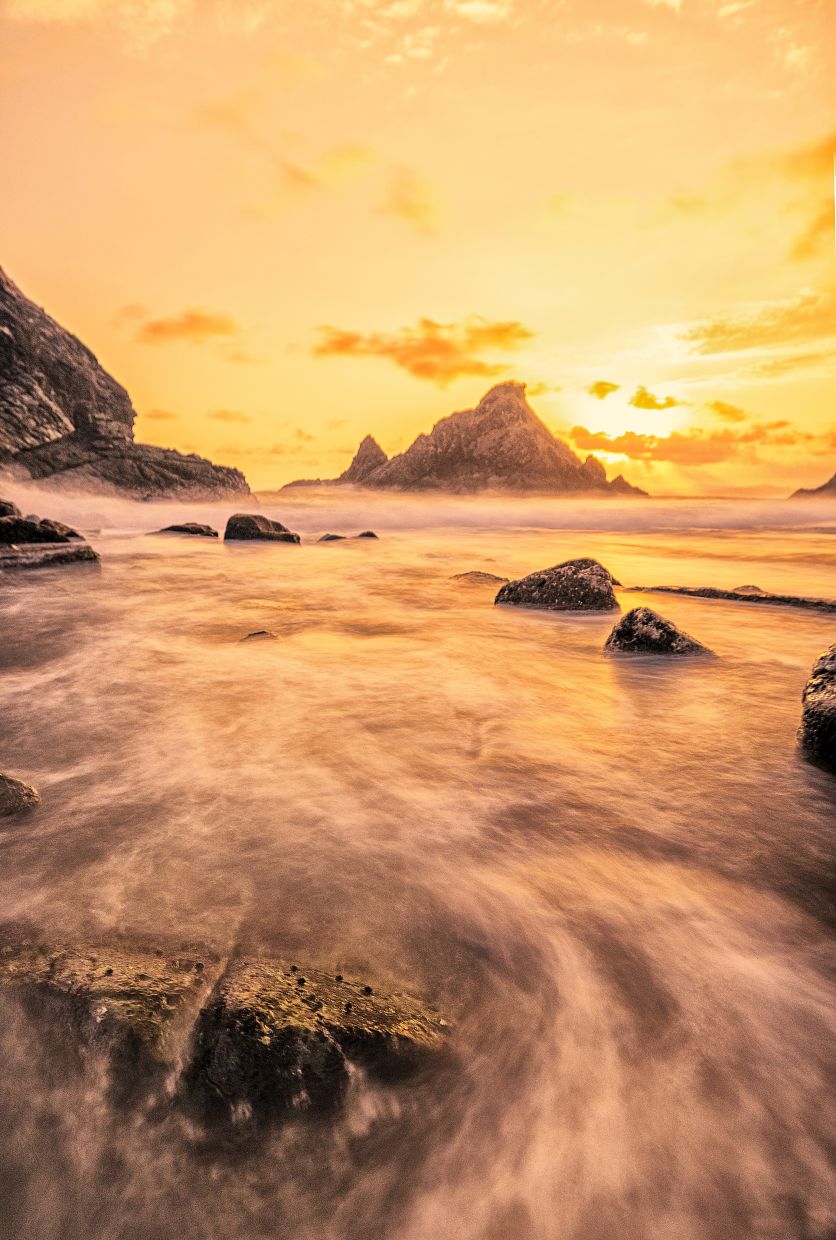
Depending on the scene, an aperture of f/8 to f/16 is a good starting point to ensure a wide depth of field.
Start with 0.5 seconds and adjust based on your desired effect.
Only some scenes are suited for slow exposure. Look for elements of movement contrasted against still elements.
Long exposure means one has to wait for a longer period for the shutter to click. Use the moment to observe the surroundings.
One has to anticipate the movements and how things will move over time. Waves, stars, and cars all offer unique movement patterns.
For long exposure, one can capture the movement of stars or do a star trail in the night sky. This often requires very long exposures or stacking multiple exposures.
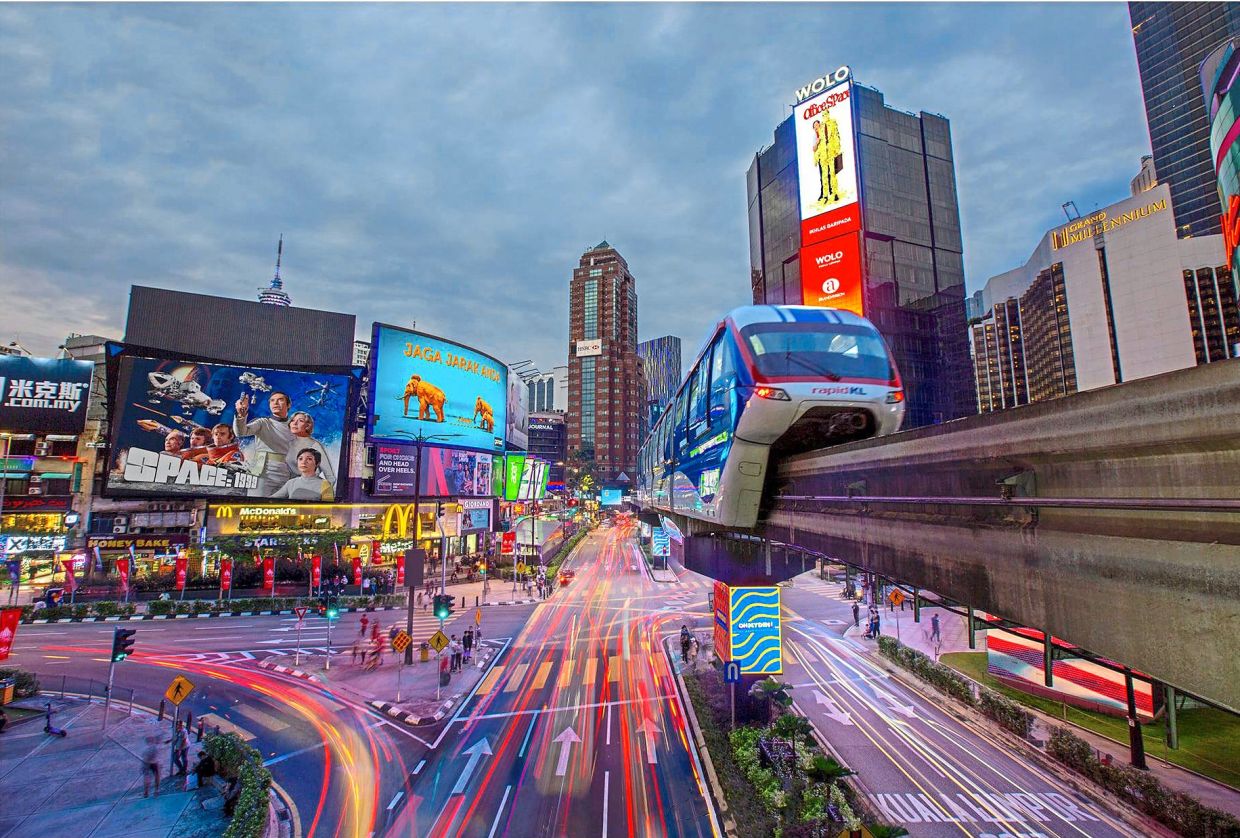
Capturing the lights of moving vehicles or light trails is particularly striking in urban settings.
Photographers can also transform fast-moving rivers or waves into a smooth, misty wonderland, creating silky water scenery.
Showing the paths and patterns of moving clouds against a landscape or cityscape is yet another presentation in photography.
Slow-exposure photography transforms the everyday into the extraordinary. By blurring time, it offers a perspective on the world that our eyes can’t naturally see.
With practise and the proper techniques, one can unlock a world of visual poetry that’s waiting to be discovered.
Already a subscriber? Log in
Get 20% OFF The Star Digital Access
Cancel anytime. Ad-free. Unlimited access with perks.