From bold silhouettes to intricate craftsmanship, the Met Gala will set the stage for fashion to once again be seen, admired and revered as artistry in May.
This year’s dress code is simply “Fashion Is Art”, a message as clear as it gets.
A little more open-ended than previous themes in terms of what to wear – “Tailored For You”, “In America: A Lexicon Of Fashion”, “Chinese White Tie”, it will, nonetheless, give guests room to experiment with their looks.
“What connects every curatorial department and every gallery in the museum is fashion, or the dressed body,” Andrew Bolton, curator of the Metropolitan Museum’s Costume Institute, the beneficiary of the annual gala, told Vogue.
“It’s the common thread throughout the whole museum, which was really the initial idea for the exhibition.”
Read more: Schiaparelli art show honours 'one of the most ingenious and daring designers'
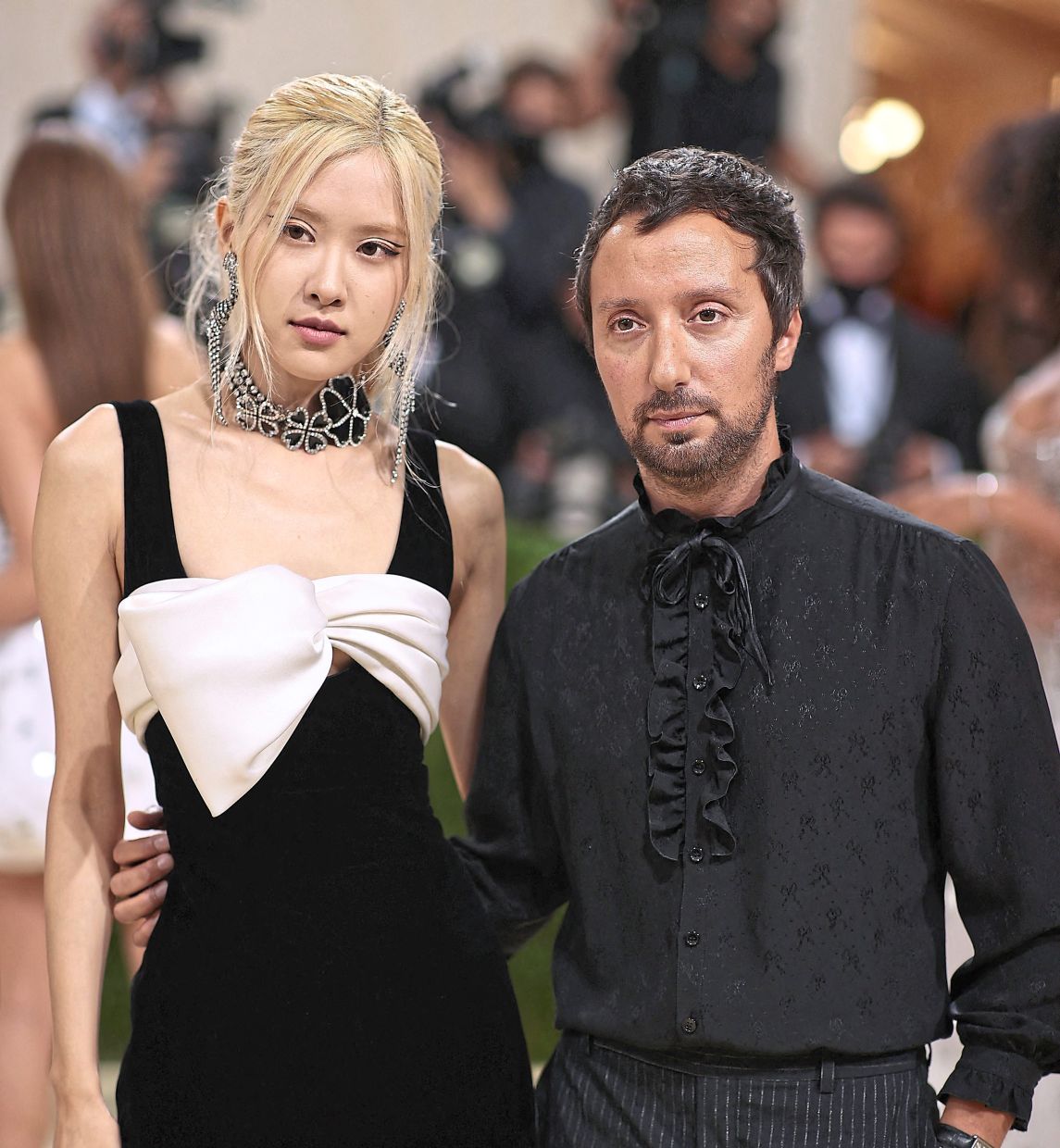
It is dubbed as “fashion’s biggest night out” and commands attention globally – usually because of the bold outfits that make an appearance on the red carpet.
The exhibition this year, titled Costume Art, will explore nearly 400 objects from the museum’s collection. It focuses on the idea of the body as a “living gallery”.
Bolton further explained to Vogue that it has been designed to put fashion at the forefront.
Clothing will be displayed on mannequins perched on six-foot (1.8-metre) tall pedestals, onto which artwork will be embedded.
“When you walk in, your eye immediately goes up, you look at the fashions first,” Bolton said.
The Met Gala committee typically includes at least one fashion designer among its high-profile members every year.
For 2026, Anthony Vaccarello joins as a committee member, bringing his decade-long expertise as creative director of Saint Laurent to help shape the event’s fashion vision.
Past high-profile designers who have served in the same role include Tom Ford, Alessandro Michele, Jonathan Anderson, Donatella Versace, Rei Kawakubo, Miuccia Prada, Stella McCartney and others.
Museums around the world have frequently featured the works of fashion designers in their spaces, elevated to the same status as art.
Last year, a major exhibition featuring the creations of late fashion designer Giorgio Armani opened in Italy’s Pinacoteca Di Brera, where they stood among world-famous paintings by artists including Caravaggio and Raphael.
Read more: Giorgio Armani’s fashion legacy shines in Milan’s stunning art exhibition
In universities, fashion design courses are frequently parked under the Faculty Of Fine Arts.
High-profile fashion collaborations with visual artists, architects and even sculptors – think Louis Vuitton’s partnership with Jeff Koons, or Balenciaga’s immersive installations – further elevate clothing into a multidimensional art experience.
Fashion weeks themselves are increasingly treated as performative art, with avant-garde runway shows in Paris, New York and Tokyo staged like theatrical exhibitions that merge costume, music and set design.
Together, these examples reinforce fashion’s place within the broader cultural and creative canon – a message this year’s Met Gala clearly celebrates.