
Functional fashion is often equated with little more than comfort.
Yet clothing designed with purpose goes beyond that, carrying a deeper significance that deserves closer attention.
Adaptive wear, for example, is a segment that addresses practical needs, offering thoughtful designs that support everyday living.
Much of its focus is on people with disabilities, a group long overlooked by mainstream fashion.
Dawn Adaptive founder, Usha Gopalan Nair, says inclusion should not be treated as an exception in the industry, but as the standard when it comes to functional design.
“True functionality means clothing that adapts to real lives, real bodies and real experiences, without compromising personal expression,” she stresses.
Her brand provides a solution for people with dressing difficulties, or simply anyone who wants to experience an easier dressing process.
It can be as simple as trousers with side zippers that allow them to be put on even by those with mobility issues, or more innovative solutions like magnetic closures on polo shirts that make buttoning easier for people with limited dexterity.
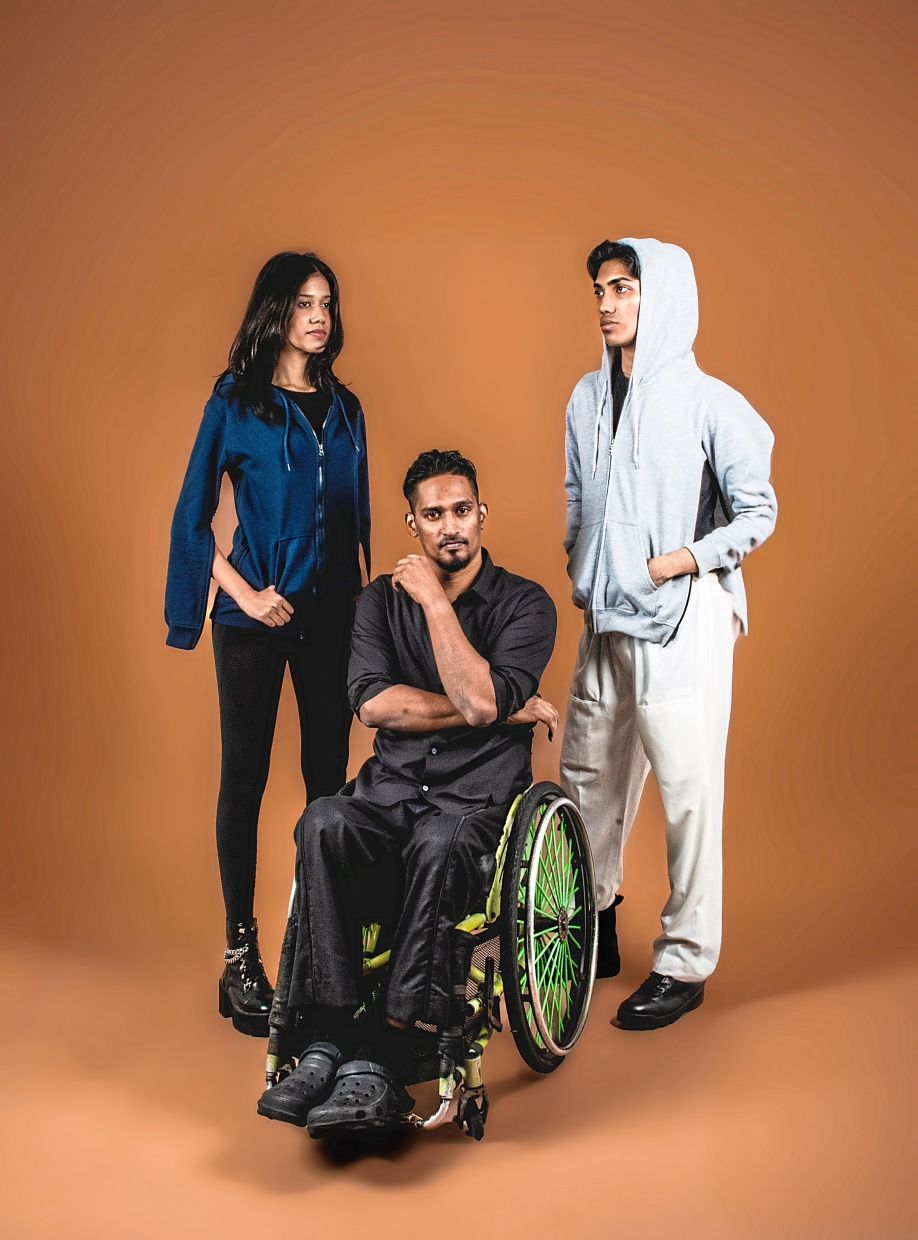
She explains that it was traditionally conceptualised for treatment and care rather than style, though functional fashion can and should be visually appealing too.
In an interview with the BBC last year, a UK-based designer recounted being told that “disabled people don’t need fashion”, highlighting the persistent misconceptions that still exist in the industry.
Hanan Tantush, inspired by her grandfather’s struggles following cancer surgery and living with a stoma bag, went on to show on the runways of London Fashion Week.
Dr Alshaimaa Bahgat Ezzat Alanadoly, senior fashion lecturer at Taylor’s University, says wearing garments that are oversized, difficult to manage, or not representative of the disabled person can be both isolating and discouraging.
She relates a story of a woman who shared how challenging it is for her daughter to wear a baju kurung, finding it both uncomfortable and difficult to put on.
“Another teenager spoke about loving jeans but being unable to wear them comfortably or independently, especially when sitting or using the toilet, leaving sports pants as the only practical option,” Alshaimaa relates.
“A grandmother once told me about her wish to attend her grandchild’s wedding in a presentable outfit, only to find that most formal clothing was too difficult to manage while using a walker.”
That said, designing functional fashion has its fair share of challenges too.
Usha shares how the biggest barrier is not creativity, but systems built around standardisation.
She explains that traditional fashion systems are built around standard sizing, speed and uniform production — while adaptive fashion requires rethinking patterns, closures, access points, fabrics, silhouettes and dressing processes.
“This challenges fast fashion timelines and traditional production models,” Usha notes.
“Meaningful adaptive design cannot be rushed. It requires time, listening, research and testing, and close collaboration with the community, which means products may cost more, but they are ethically made, thoughtfully designed and built for longer use.”
Read more: How plus-size fashion in Malaysia is shaping a new standard of inclusivity
Wide scope of functionality
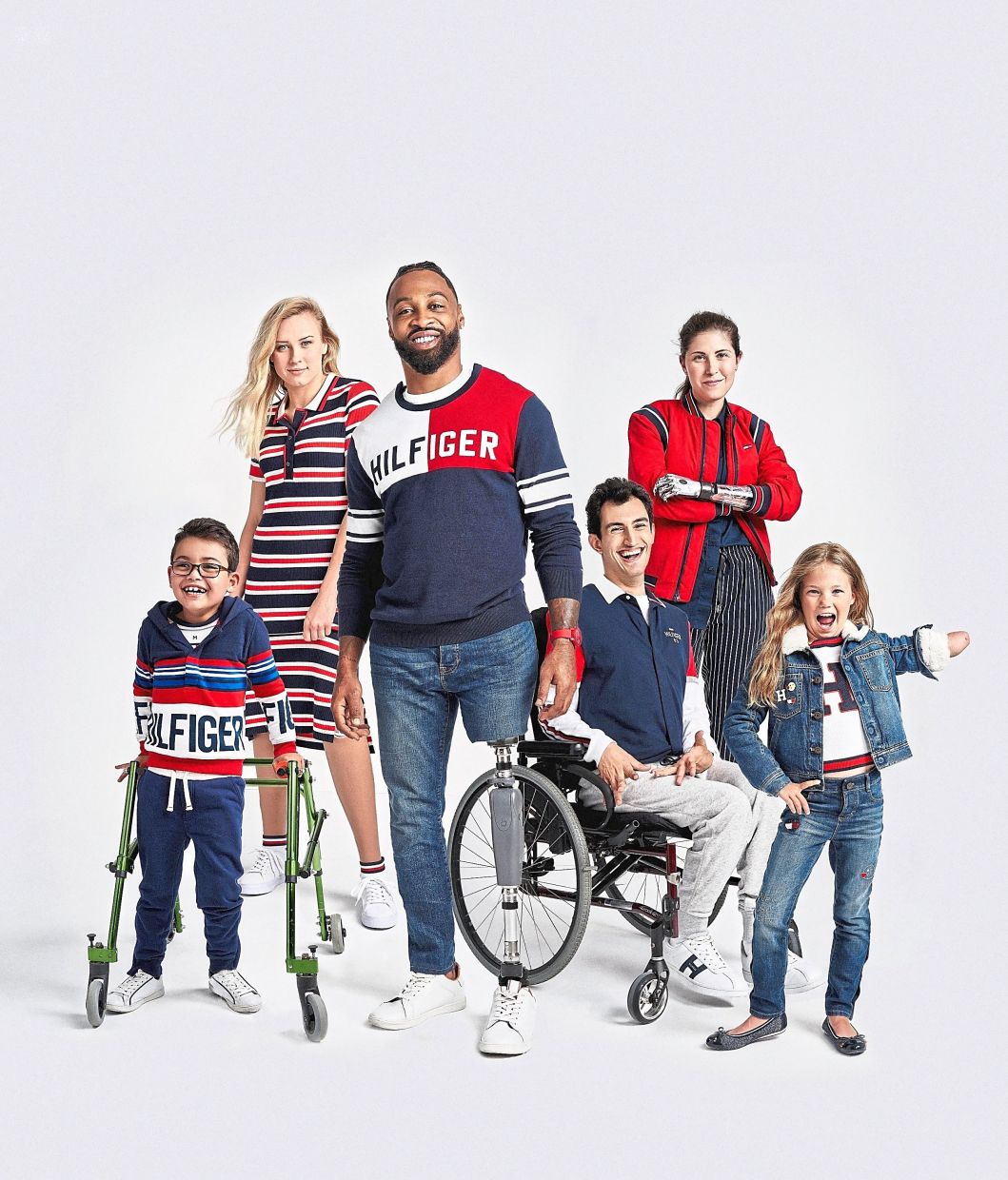
There are global brands that have released functional fashion collections aimed at people with disabilities in the past. Tommy Hilfiger Adaptive was launched in 2017, while Victoria’s Secret introduced the VS & Pink Adaptive line in 2023.
The question remains whether these efforts reflect a genuine commitment to inclusive design, or if they function largely as marketing exercises.
“True inclusion is not a campaign or a seasonal edit,” Usha says.
“It means embedding accessibility into design philosophy, production, sizing, representation, supply chains, imagery, storytelling and long-term brand values.”
Maternity clothing can also be considered a form of adaptive wear – a point many people overlook, underscoring how true inclusivity in fashion spans different life stages, not only specific disabilities or medical needs.
“Pregnancy-related body changes are visible, expected and socially accepted, which makes product development more straightforward than in many other adaptive contexts,” Alshaimaa says.
She adds that this shows how the industry can respond effectively when it recognises a need as both legitimate and commercially significant.
“By contrast, clothing for wheelchair users or people with motor disabilities involves more complex, long-term needs, greater design challenges and smaller market segments.”
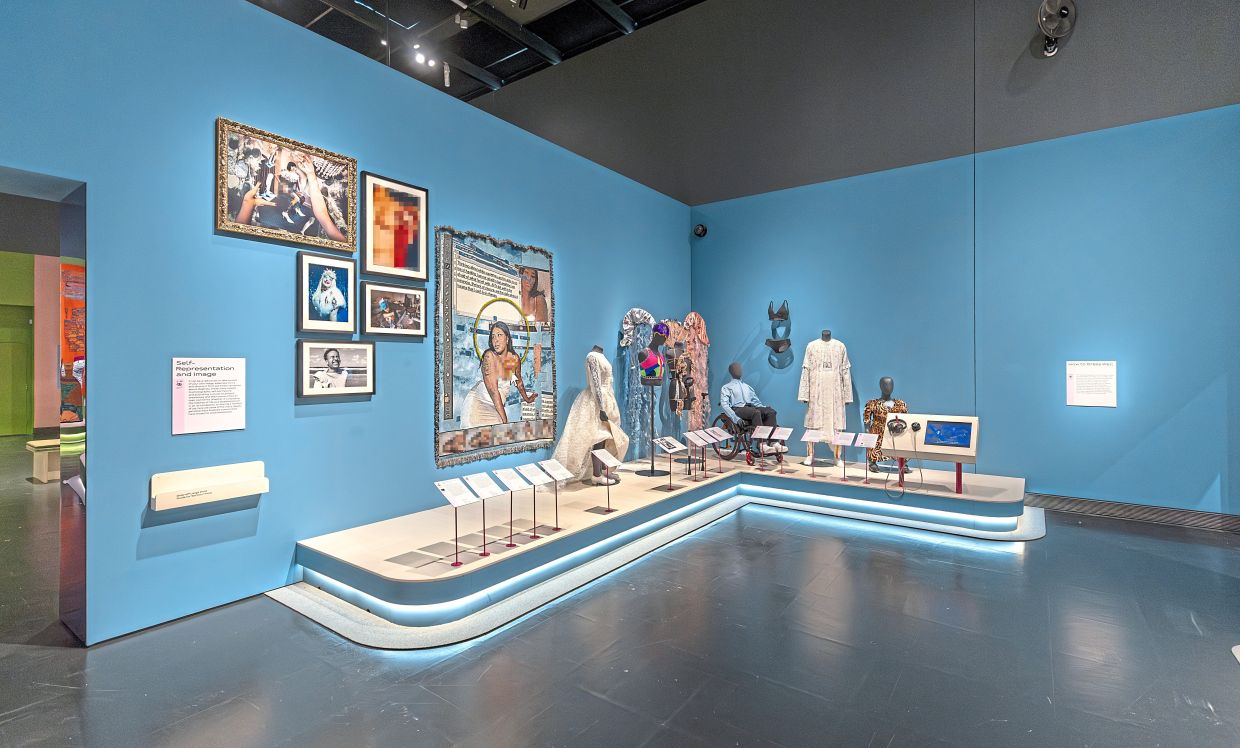
One of Usha’s designs is currently on show at London’s Victoria & Albert Museum.
The Design And Disability exhibition highlights the creative impact of disabled designers and reframes disability as a source of design innovation and insight.
Beyond garments themselves, functional fashion is also expanding into the rapidly growing world of wearables.
Devices such as smartwatches that monitor heart rate or health data are designed to support everyday life, helping people manage their health, feel safer and maintain independence.
In many ways, they function like clothing, they sit on the body, interact with daily routines and respond to individual needs.
“When technology brands and fashion designers collaborate, functionality is strengthened.”
Read more: How fashion breaks the rules by embracing authenticity over standard practice
Specific use of wear
Indeed, tech brands are moving into fashion accessories.
At this year’s CES in Las Vegas, a trade show known for showcasing the latest in consumer electronics, several companies unveiled wearable tech that blends style with functionality.
Such products range from smart jewellery to connected eyewear, highlighting the growing intersection between technology and fashion.
Functional fashion in this form is increasingly becoming part of everyday life.
“Design and craftsmanship have become increasingly central to today’s tech wearables because people no longer see them as standalone gadgets but they are objects they live with, wear daily and identify with,” says Sheena Sim, Garmin Singapore and Malaysia marketing team lead.
Garmin, in particular, has long offered a range of wearables that blend performance with style, including its sleek smartwatches.
Sim is, however, quick to dismiss the idea that this is mere fashion baiting, emphasising that stylish gadgets are genuinely designed to reflect personal style.
On the subject of whether there is a trade-off when function and fashion converge, she explains that at Garmin, aesthetics are never an afterthought – they are engineered alongside performance from the very beginning.
This approach mirrors a broader movement in the fashion world, where traditional fashion houses are increasingly designing their own functional gadgets.
“Fashion brands have an enormous opportunity to make wearable technology desirable. People don’t want to look like technology,” Vogue Business quoted Billie Whitehouse, CEO of fashion tech firm Wearable X, in a story last year.
Such a thought underscores the shifting mindset in both tech and fashion.
It also shows that style no longer exists in isolation or in conflict with function.
As the boundaries between clothing, accessories and technology continue to blur, functional design makes style purposeful, inclusive and effortlessly practical.