
As conversations around inclusivity grow louder, the spotlight on fashion for all has become increasingly brighter.
Homegrown brands that produce larger sizes have been refining their processes over the years to offer clothing that customers actually feel good wearing.
Designers are investing in proportion, wear-testing and customer dialogue, proving that inclusive fashion is about raising the standard and designing with intention.
Not one-size-fits-all
To homegrown brands that work with plus-sizes, the biggest misconception is that making clothes for this demographic is simply about enlarging standard sizes.
“In reality, that approach does not work,” says Mis Claire managing director Tan Bee Ai. “Plus-size bodies have different proportions, weight distribution and fit considerations.”
“Designing for plus sizes requires intentional adjustments to cut, structure and sizing to ensure the garment is flattering, comfortable, and wearable on real bodies,” says Tan, whose brand offers sizes S through 7XL.
Ms Read CEO Kristy Yong notes that true inclusive design starts with proportion, movement and empathy.
“It considers how garments sit, drape and move on different body shapes, not just larger measurements.
“Designing inclusively means prioritising silhouette, balance and comfort from the outset,” says Yong, whose brand features a variety of casual and modest clothing for sizes XL to 7XL.”
Read more: The 2026 fashion conversation: Expect a return of thoughtful, timeless designs
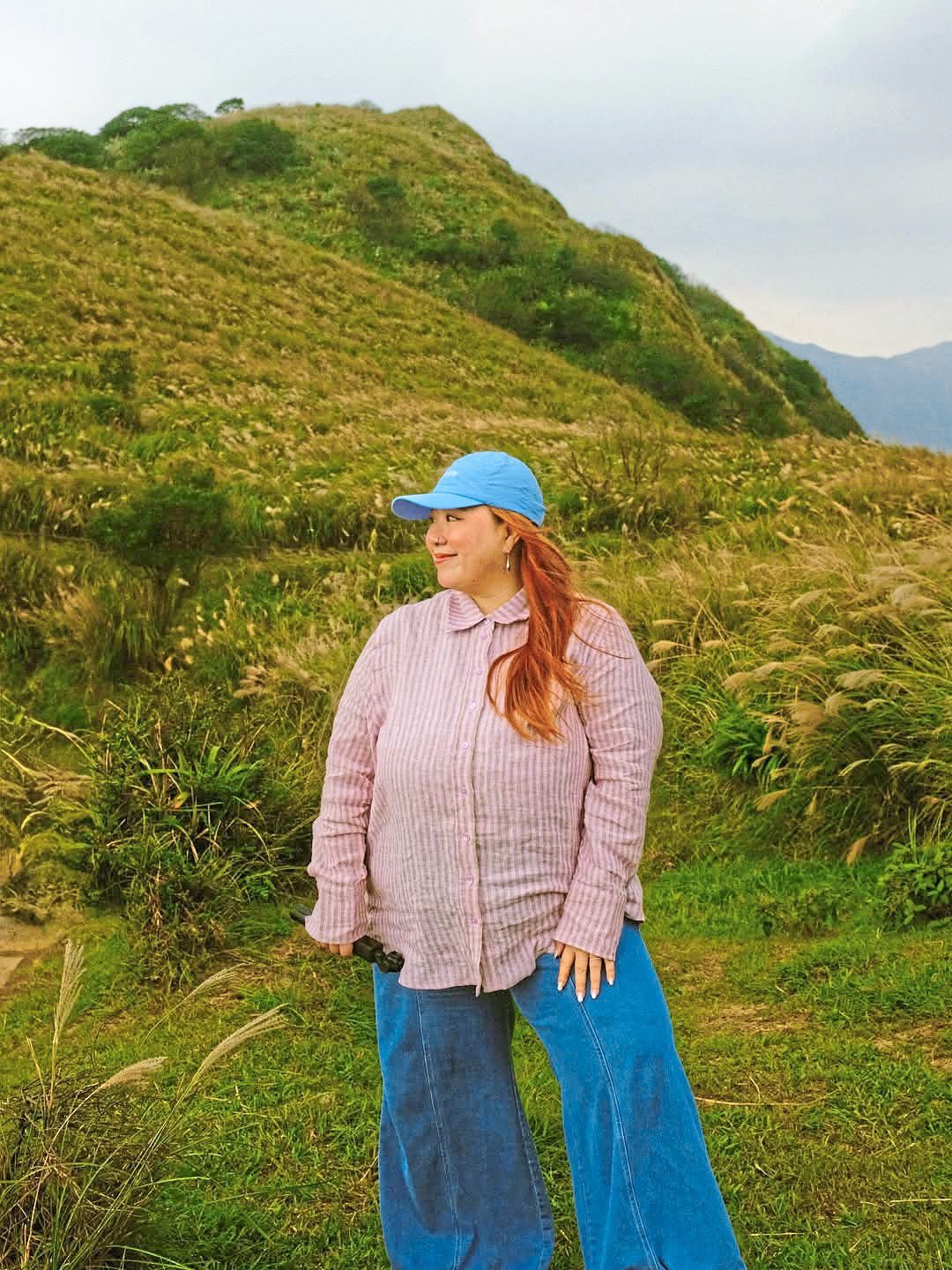
“Broadly, our designs are developed around two main silhouettes: A-line, it fits for most of the body types and is especially suitable for pear-shaped and hourglass bodies; and Boxy or relaxed cuts, which are more suitable for apple-shaped or inverted triangle bodies,” says Tan.
“Beyond that, we fine-tune proportions, fabric behaviour and construction details based on each silhouette. Fit is never one-size-fits-all, it’s a continuous process of testing, adjusting and refining.”
Yong notes that fit challenges arise from the wide variation in body shapes and the risk that grading can erode an intended silhouette.
“Our approach is iterative and evidence-based: multiple fit trials with real customers and fit models across the size range, careful grading that preserves design intent, detailed fit notes for production and additional prototyping rounds,” she says.
“This means more wear-tests, stricter QC and a willingness to refine rather than ship premature compromises.”
Designing for plus sizes requires careful consideration when it comes to cost, as sizing has a direct impact on production costs, especially for plus sizes, due to higher fabric consumption.
“This makes fabric selection and design planning extremely important,” says Tan. “We balance design and costing carefully.”
Premium or higher-cost fabrics are usually paired with simpler designs, while more detailed or complex designs are matched with more cost-efficient fabrics.
This allows the brand to maintain quality while keeping their products accessible and affordable.
“Inclusive ranges increase sampling, grading and quality-control effort, and they can raise minimum order requirements,” says Yong.
“We mitigate these costs through smarter merchandising, longer lifecycle planning and prioritising styles where fit and workmanship deliver clear customer value.”
“Our pricing philosophy is transparent value: customers pay for construction, longevity and a fit that actually works – not for ephemeral fast-fashion margins,” she adds.
Whimsigirl founder and chief creative officer Syazana Sukiman approaches fit challenges by maintaining design integrity across proportions.
“With my architectural background, I think instead of the foundation of a woman’s wardrobe. What she struggles with, what she likes, what does she do? We approach garments like spatial design, considering how each piece works with the others in her wardrobe,” says Syazana.
“System dressing helps because everything is made to work together, not in isolation,” she adds.
At the heart of every brand is the customer, which makes their feedback a critical factor when it comes to designing.
Yong’s team synthesises signals from sales and returns data from the brand’s dashboards, customer lifecycle behaviour and direct in-store conversations.
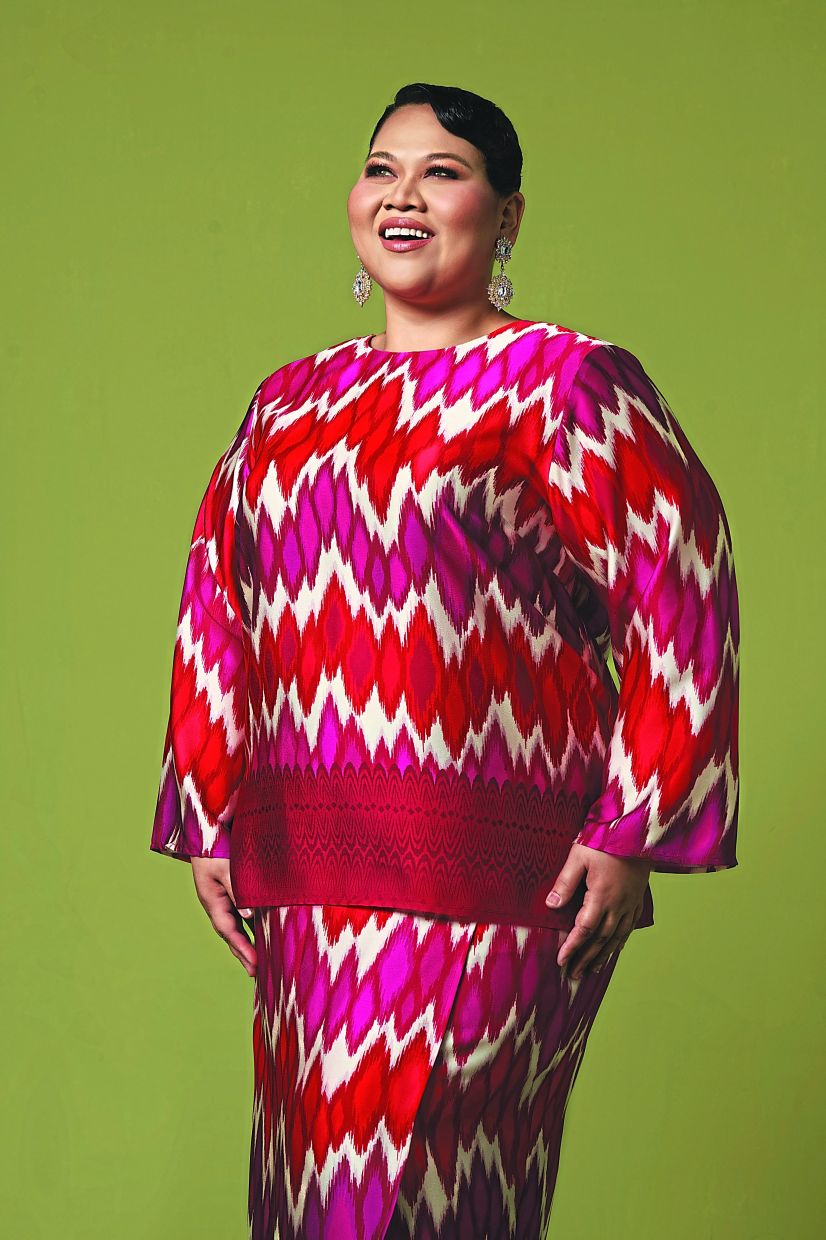
Syazana looks at what women return to, repurchase and how they style pieces over time.
“Customer feedback is part of an ongoing post-mortem process,” she says. “Feedback informs refinement; it’s not reactionary. It’s important to be willing, to welcome the conversation but at the same time, push the brand’s design direction forward.”
Keeping it real
Idealising one “ideal” body type is a thing of the past, with the idea of inclusivity and authenticity leading the charge in fashion.
“Authentic representation means showing real bodies in real clothing. We understand that many plus-size women carry insecurities when it comes to choosing clothes that truly fit them.
“That is why we pay close attention to areas that customers are often most conscious about, rather than idealising a single ‘perfect’ body type,” says Tan.
“Our designs are created with real customers in mind, not unrealistic standards. This commitment goes beyond product design – we choose models who genuinely represent our customer base, even if they have no prior modelling experience. We actively feature our own customers, build meaningful plus-size KOL representation and conduct makeover initiatives to help women see themselves differently.”
Read more: The 2026 beauty agenda: Gentler science and barrier-first, real-life formulas
To Yong, authentic representation means showing real customers in real contexts – genuine bodies, minimal retouching and storytelling grounded in lived experience.
“It’s not token casting; it’s ensuring that campaign imagery, fit samples and product narratives reflect the community we serve,” says Yong.
Looking ahead, there is still work to be done in the Malaysian context of plus-size fashion.
Tan hopes the industry can move beyond token inclusion and become truly size-inclusive by design.
“Plus-size customers should have access to the same level of style, quality and variety as straight-size customers – without compromise. I also hope more brands will invest in proper fit development and listen closely to the plus-size community, rather than treating plus sizes as an afterthought,” says Tan.
To Syazana, the wearer deserves to be honoured more than the label on the garment.
“Wearing the clothes because you love it, and not dictated by what’s available. True progress happens when design quality is consistent across all sizes,” she says.
Beyond design, various parties need to come together to increase the visibility of and accessibility to plus-size fashion.
“I want inclusivity to be normalised across omnichannel retail and merchandising,” says Yong.
“We invite collaboration from mall operators, marketplace platforms, prospective franchise partners and other business allies to showcase the commercial and social value of homegrown inclusive brands like Ms. Read.”
“When partners intentionally include inclusive labels in leasing, curation and seasonal programming – backed by customer insights and performance metrics – they expand appeal, sustain footfall and deliver long-term value,” Yong adds.