This year, fashion is expected to return to subtlety. With authenticity still a buzzword, trends are less likely to be driven by hype.
In 2023, “quiet luxury” exploded onto the scene, favouring understated design, high-quality fabrics and meticulous craftsmanship over logos or flashy details.
Although the movement showed signs of fading last year, designers believe it is poised for a big comeback.
Teresa Thian, founder of Malaysian fashion brand ByThian, says shoppers are once again reassessing their practical needs.
“Fashion is moving away from visual excess and back towards emotion, tactility and purpose,” she explains.
“It feels timely because people are reconsidering what truly matters. It’s no longer about making ‘noise’, but about offering quiet reassurance and pieces designed to last.”
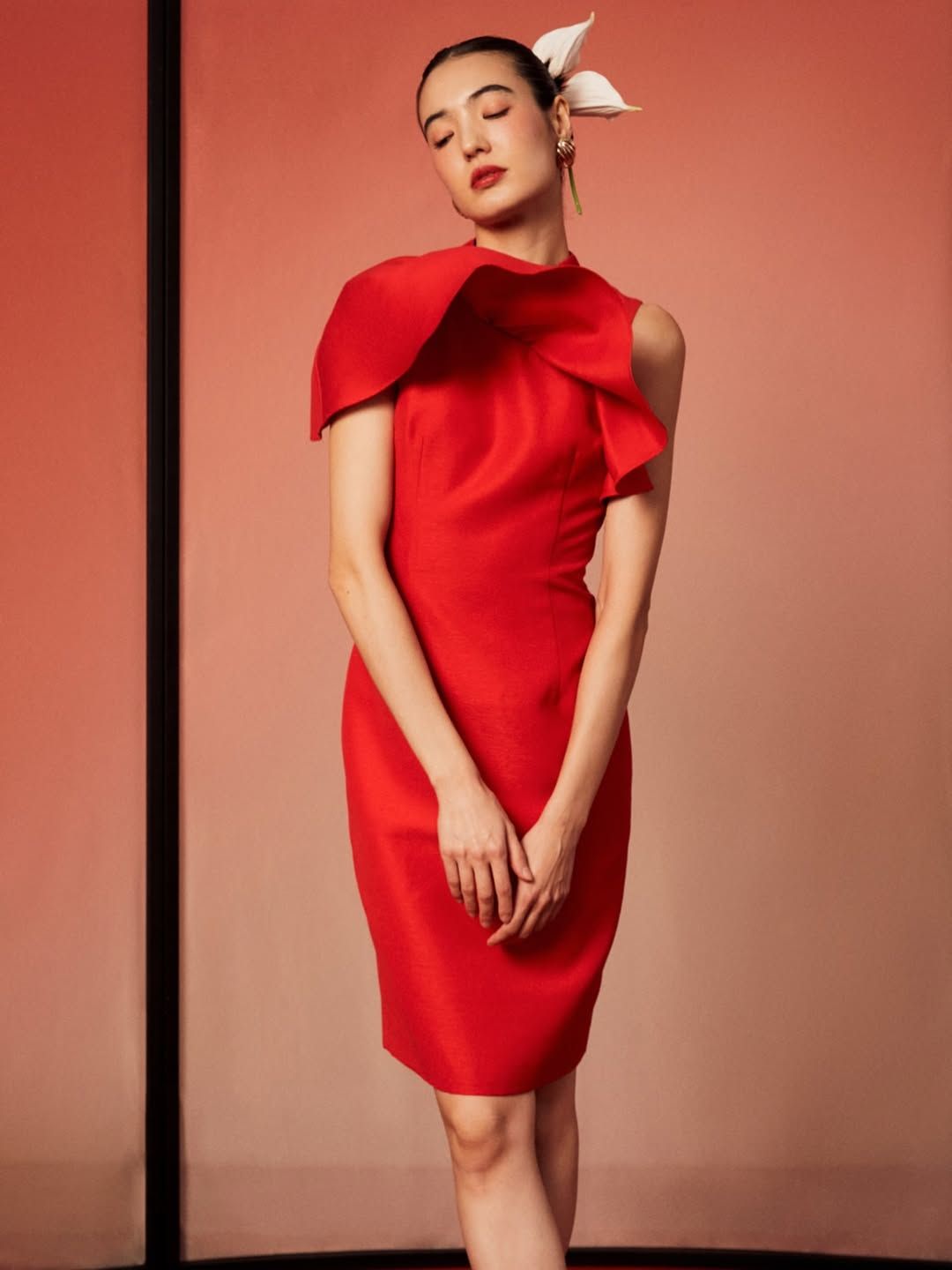
Jenn Low, owner of local jewellery brand Wanderlust + Co, notes that dressing up is now approached with less overthinking, allowing accessories to take centre stage.
She believes styling will, as a result, involve less bravado.
“Fashion feels more self-aware now,” Low observes. “It’s less about dressing for approval, and more about dressing with clarity.”
She intends to focus on jewellery that feels iconic without being obvious – earrings that become a signature, or a necklace that can survive changing trends.
“The best designs in 2026 aren’t trying to go viral,” Low quips.
The question of whether to go bold or exercise restraint has been widely debated in recent months, with no clear consensus.
Bottega Veneta and Gucci unveiled statement-driven collections last year under newly appointed creative directors with bolder visions.
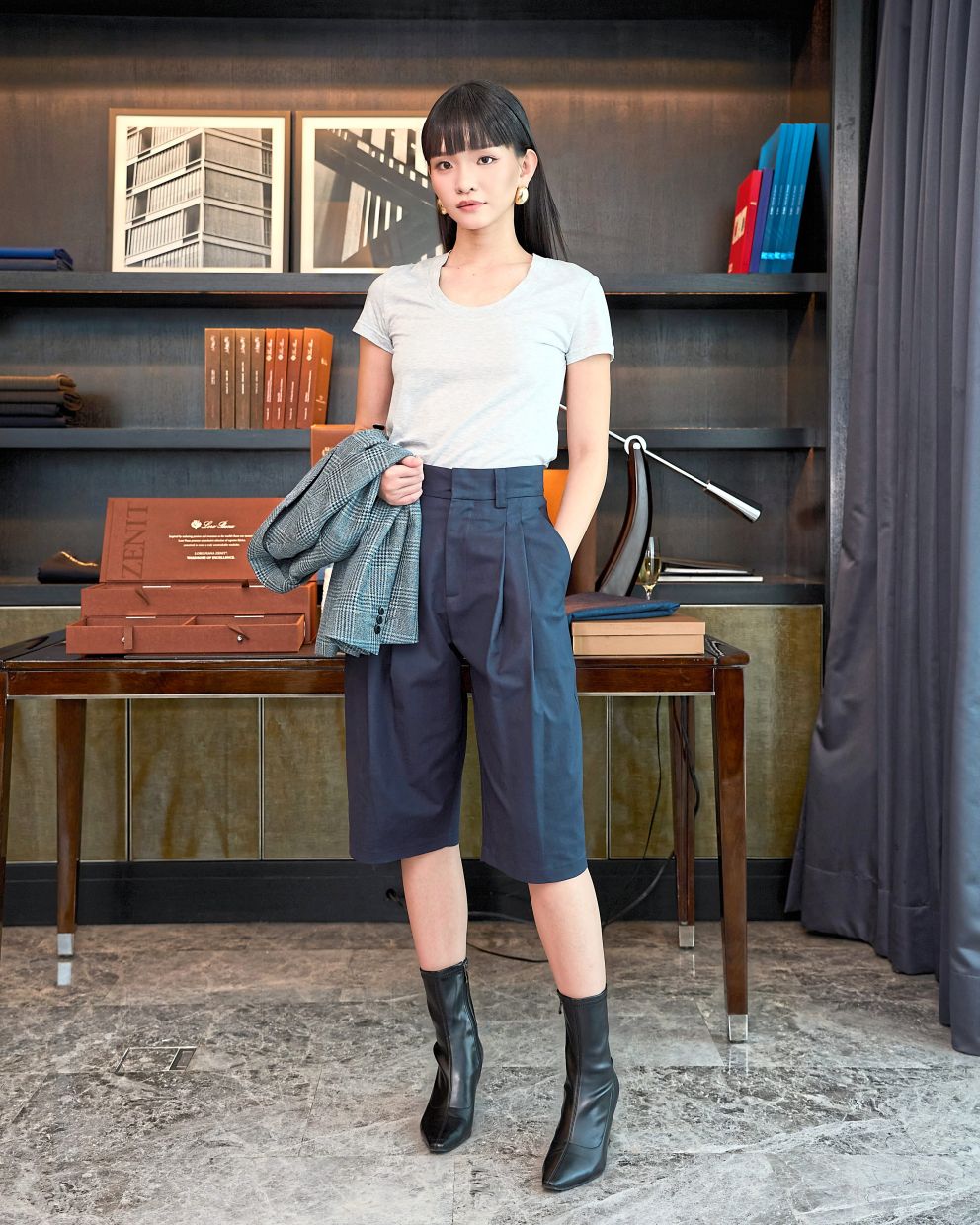
Other labels, such as Loro Piana and The Row, remained steadfast in their commitment to timeless elegance.
Both camps believe their approach is the right one – making 2026 a key test of what truly resonates with consumers.
Read more: The 2026 beauty agenda: Gentler science and barrier-first, real-life formulas
Keep calm and fashion on
From a business perspective, “quiet” may be exactly what some designers are hoping for.
“Covid-19 happened about five years ago, but its effects are still being felt in fashion,” he claims.
“When lockdowns ended, people started buying again as social lives picked up, and the industry enjoyed a sales boost for about two years. Eventually, though, shoppers grew weary of spending.”
Much of last year’s discourse centred on a slowdown in the luxury sector, where fashion largely sits. Consumer spending, however, appears to have stabilised.
An analyst report released by Bain & Company in November forecasts the market at €358bil (approximately RM1.704 trillion) for 2025, compared to €364bil (RM1.732 trillion) in 2024.
The outlook is expected to hold steady into 2026.
“Ahead lies a phase of quality-driven growth, fuelled by discipline, ethics and innovation,” it revealed, quoting Claudia D’Arpizio, senior partner and leader of the firm’s global fashion and luxury practice.
“Expansion will favour fewer, higher-impact locations – a shift towards a more discerning, experience-led model.”
Khoon Hooi adopts this mindset in his own strategy. Rather than investing in large-scale campaigns, he has opted to collaborate with other local labels.
A recent tie-up with Dressing Paula resulted in a mid-priced ready-to-wear collection that balances accessibility with his signature luxe aesthetic.
“I see this as a good move because it opens up my designs to a broader market,” he says.
“I can’t say for sure, but the signs point to a good year. Festive periods like Chinese New Year and Hari Raya – which fall in February and March in 2026 – are always strong for local designers.”
Low, who opened her first physical boutique in New York City last year, is similarly optimistic.
She does however believe brands need to rethink their marketing strategies and abandon the idea that louder messaging guarantees better results.
Read more: Fashionable films ahead: Costume-driven cinema is expected to define 2026
Beyond grand gestures
Indeed, slowing down and taking stock may help fashion companies stand out in 2026.
Thian says she plans to move away from sweeping narratives in favour of more intimate, personal moments.
“From a business perspective, we’re prioritising long-term relationships over short-term visibility,” she explains. “For us, relevance comes from consistency and purpose, not acceleration.”
Thian adds that consumers can expect more designs that feel timeless rather than seasonal.
“Elements like relaxed tailoring and hand-crafted details are becoming more refined, instead of being dramatic,” she says.
Multi-hyphenate creative Mughni Che Din, who runs a PR and events agency, does not expect campaigns or runway shows to be scaled back entirely. Instead, he sees them being refined.
“Brands are moving away from excess and spectacle for the sake of visibility, and towards more meaningful, targeted activations,” he says. “There’s greater emphasis on relevance and return on engagement, rather than sheer scale.”
He points to a recent afternoon he organised for clients and media members for designer Syomirizwa Gupta, held in a more relaxed, experiential setting rather than a grand soiree.
“Going forward, the brands that succeed will be those that understand restraint as a strength – investing in storytelling and community instead of volume or noise,” Mughni adds.
While he agrees that “quiet luxury” is returning, he views it more broadly as part of a shift towards “slow fashion”.
According to him, consumers are becoming increasingly thoughtful – not just about how they dress, but why they buy.
“People are asking questions like: Is this worth it? Will I wear this again? Does this align with who I am? These considerations naturally lead to more thoughtful purchases,” he concludes.