
Concerns about the environmental and health effects of plastic packaging have prompted a shift to paper, wood and other natural materials in recent years, amid much research showing microscopic plastic shards turning up in human organs and blood.
But even disposable coffee cups seemingly made of paper are not safe, it seems, going by tests carried out at the University of Queensland (UQ), where scientists have found that millions of plastic particles, some of them a thousand times thinner than a hair, are released into the body as the hot drink wears away at the cup's plastic lining.
"A cup made mostly of paper does not mean that the cup is plastic-free because many contain a thin plastic lining that provides water resistance and structural integrity," said UQ’s Elvis Okoffo, whose team's study was published in ACS Food Science & Technology.
The discovery highlights "a previously overlooked pathway of consumer exposure," the team said in the paper.
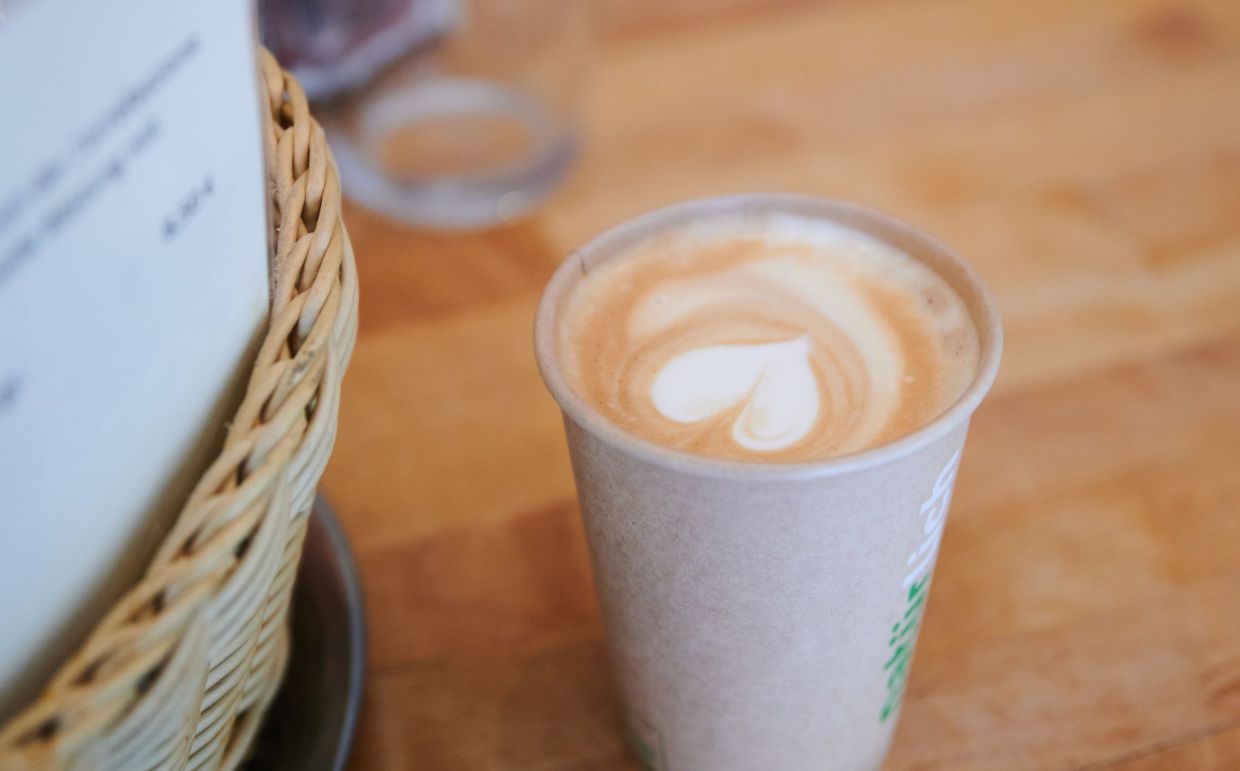
The researchers tested cups lined with biodegradable polylactic acid and fossil-based polyethylene. And while both types leached millions of nanoparticles when a hot drink was poured, the biodegradable type shed 12 times as many as those with the polyethylene lining.
And while the findings do not mean that people "should necessarily stop using paper cups," regulators should reconsider related product labelling, according to UQ.
Microplastics and nanoplastics have been found throughout the human body, even in genitalia, and have been shown to be able to seep through the blood-brain barrier and from mother to unborn child, though the jury remains out on whether this contributes to disease.
"The impact of plastic particles on human health is unclear and we know that the chemicals in plastic are not meant to be consumed," Okoffo said. – dpa