AT the University of Georgia’s veterinary teaching hospital, aspiring animal doctors learn to minister to a menagerie: dogs with dermatitis and horses with colic, diabetic cats and malnourished parrots, bleeding rabbits and wheezing snakes.
“Whatever hops through the door,” said Dr Jorg Mayer, an exotic animal vet at the hospital. “Or slithers.”
But on a breezy Sunday morning in April, Mayer was in a small, overgrown field, teaching students how to make house calls on a group of patients that rarely made it through the hospital door – or onto the standard veterinary curriculum. The students climbed into stiff white jumpsuits, donned protective mesh hoods and prepared to make the rounds on hundreds of thousands of honeybees.
“Is everybody ready?” Mayer asked.
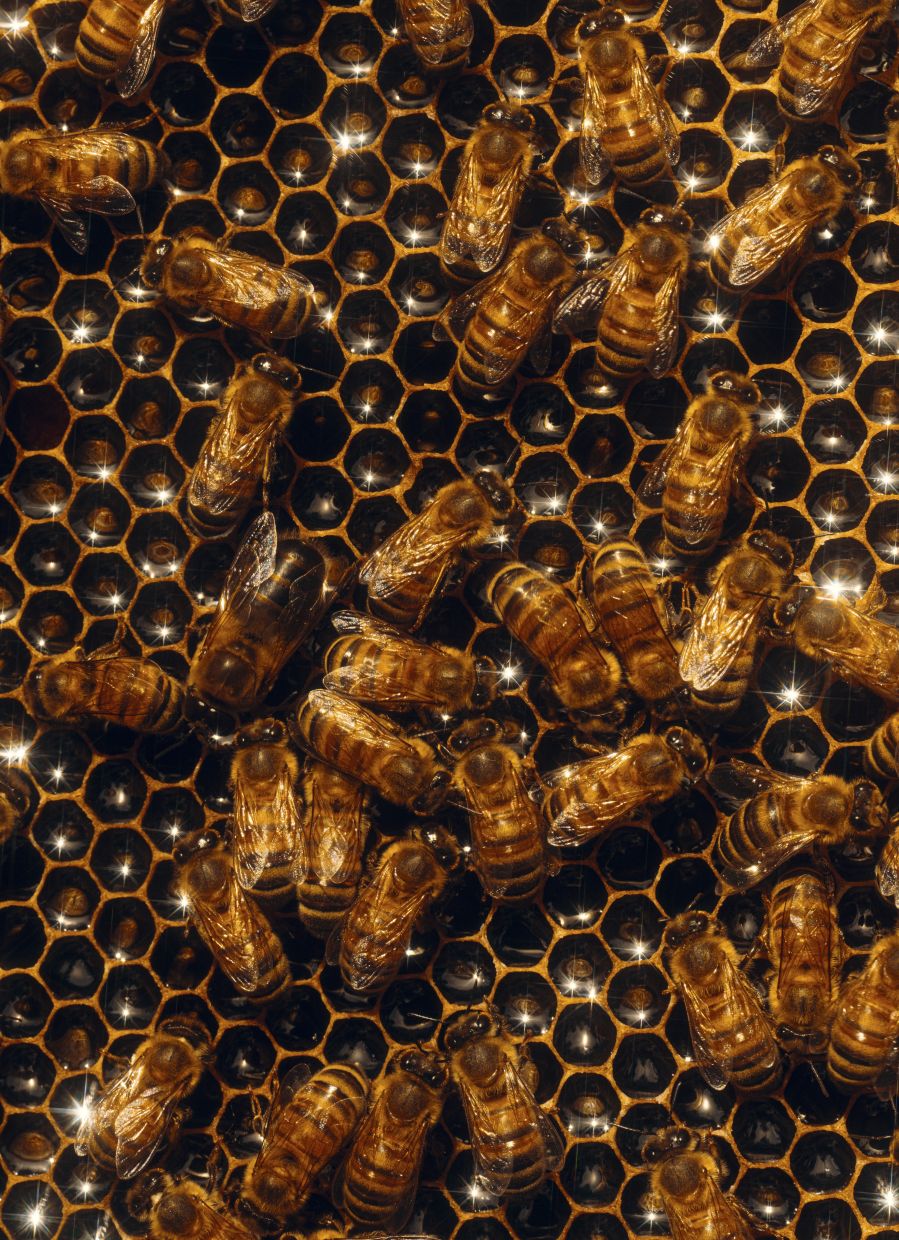
Over the next two hours, the students examined more than a dozen hives, holding the wax combs up to the sun and searching for signs of disease: the stunted wings, discoloured larvae or minuscule mites that can spell serious trouble for the nation’s bees and, by extension, its food supply.

Honeybees are agricultural all-stars, pollinating roughly US$15bil (RM61bil) worth of crops – more than 130 types of fruit, vegetables and nuts – every year. They are also increasingly in danger, plagued by parasites and pathogens and weakened by climate change, pesticides and malnutrition.
Mass die-offs have become commonplace; during the 2024 to 2025 season, the United States lost more than half of its managed honeybee colonies. Beekeepers are “fighting a war trying to keep their bees alive,” said Bob Binnie, a commercial beekeeper who owns the Blue Ridge Honey Co in Lakemont, Georgia.
The honeybee medicine programme at the University of Georgia is part of a nascent but growing effort to enlist veterinarians in the fight.
Most veterinary students are already required to master the biological basics of a range of domestic creatures, such as dogs, cats, horses, cows and pigs. “I think the honeybee deserves a similar status,” said Mayer, a professor at the university’s vet school.
If half of the nation’s dogs – or cats or cows or horses – were to unexpectedly drop dead every winter, it would be an animal health emergency. “Yet in beekeeping, it’s basically called Wednesday,” Mayer said. “It’s considered totally normal.”
Micro-livestock
Mayer, who grew up in a tiny agricultural town in southwestern Germany, spent much of his childhood around farm animals. But when he began veterinary school in Budapest, Hungary, he found himself drawn to birds, lizards and the exotic creatures about which much less was known.
He also fell in love with honeybees. Unlike in the US, many European vet schools made honeybee health part of the curriculum, presenting the invertebrates as “basically micro-livestock,” Mayer said.
Honeybee medicine was offbeat enough to capture his attention. “I also thought that’s super romantic, having your own bees, making your own honey,” Mayer said.
And in the early 2000s, after he took a job as an exotic-animal vet in the United States, he got a few hives of his own.
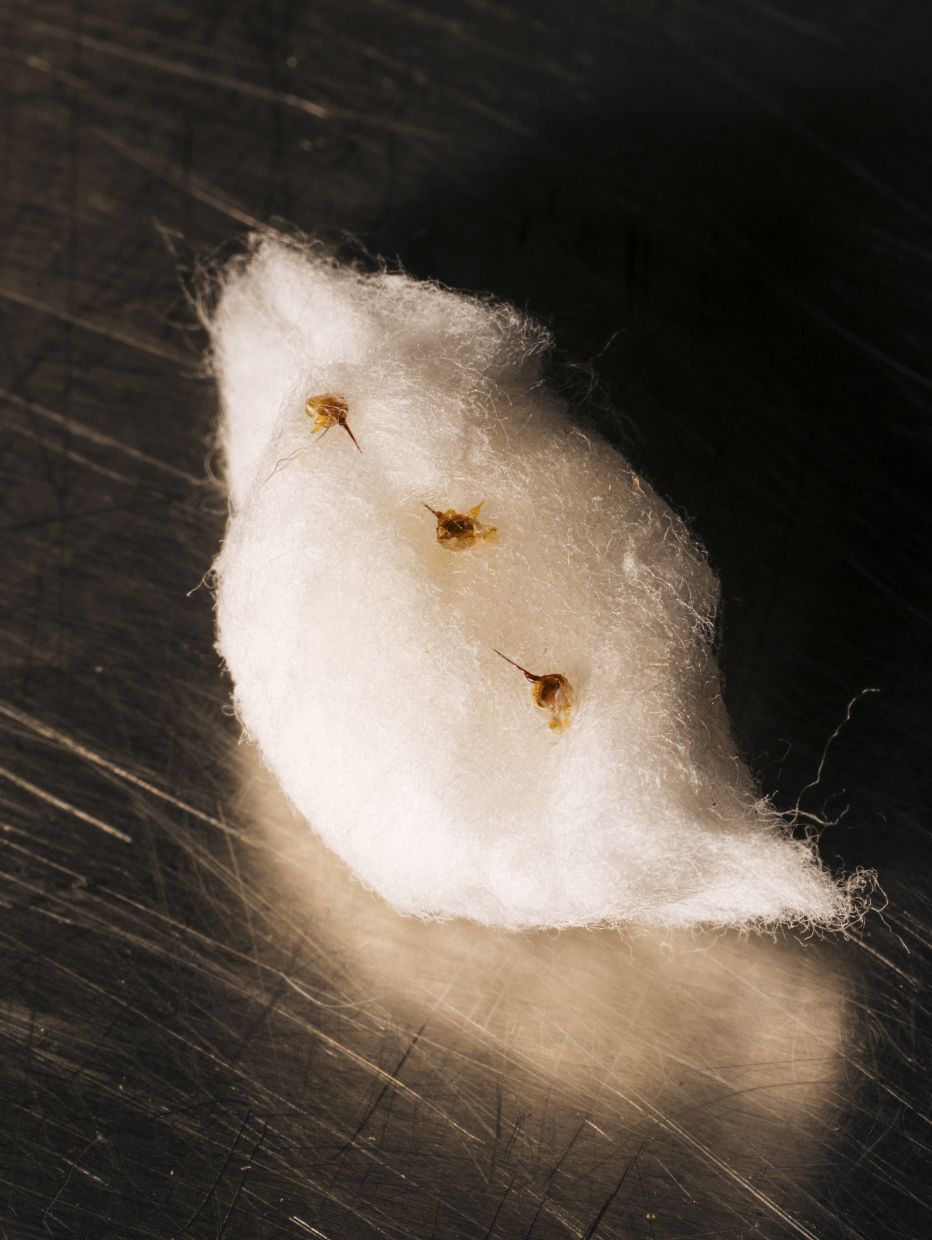
By then, it was clear that honeybees were facing serious threats. Varroa destructor, an invasive, parasitic mite that feeds on living bees, was at the top of the list. But dozens of dangers lurked: wax moths, hive beetles, digestion-disrupting fungi, viruses that caused paralysis or wing deformities, bacteria that could wipe out all of a colony’s young.
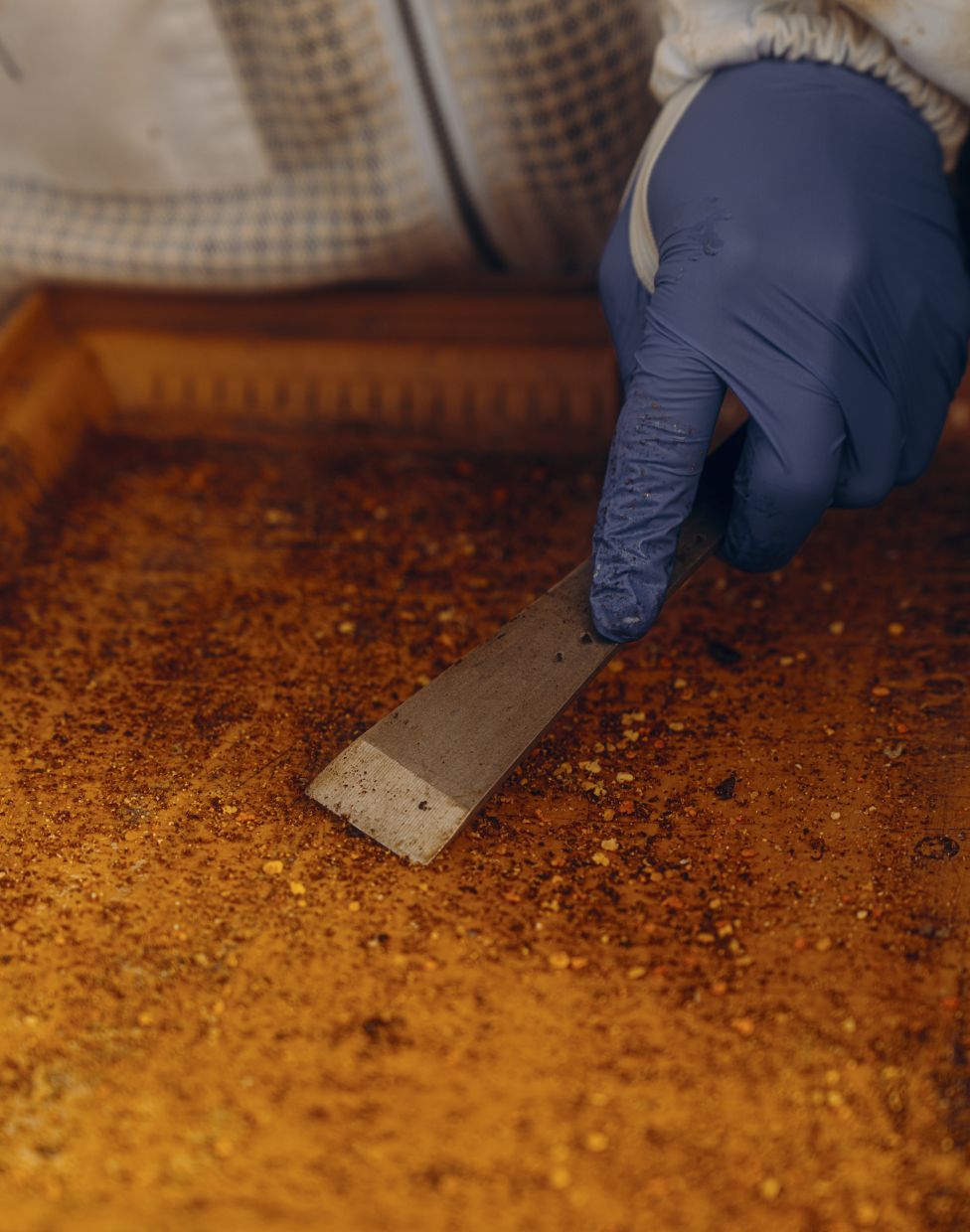
For years, American beekeepers managed outbreaks mostly on their own, diagnosing many diseases visually and then administering their preferred treatments. The fact that beekeepers could buy antibiotics over the counter, without consulting a veterinarian, helped enable this self-sufficiency.
But in 2017, amid concern about the rise of antibiotic-resistant microbes, federal regulators tightened access to antibiotics. Suddenly, beekeepers who wanted to use the drugs needed veterinarians.
There was just one problem. “In the US, we weren’t well trained for taking care of honeybees,” said Dr Tracy S. Farone, a veterinarian at Grove City College in Pennsylvania who took a sabbatical in Europe to learn more.
Since 2017, several professional organisations, including a newly formed Honey Bee Veterinary Consortium, have been trying to bring practicing vets up to speed, creating continuing-education courses and special certifications. Interest in the subject has been growing, experts said.
But the knowledge gap is large. In one survey, conducted in 2023 and 2024, 74% of veterinarians said they did not know how to write honeybee prescriptions; 89% indicated that they would be unable to identify honeybee diseases.
So some veterinary schools have also been working to give the next generation of vets a better grounding in bees.
“Having the vets come in is really needed because it’s so hard for the bees and the beekeepers right now,” said Meghan Milbrath, who helped establish, and now leads, a honeybee medicine program at Michigan State University and was an author of the vet survey. “We just really need all hands on deck.”
Minding the hives
At the University of Georgia, Mayer figured that he was well positioned to help vet students get a handle on honeybees. After the FDA rule change, he said he asked himself, “Well, why don’t I just combine my hobby, the beekeeping, with my job?”
He teamed up with colleagues at the university’s agriculture school, which was already home to a renowned bee lab and beekeeper certification program. Together, they created a program in honeybee medicine, which now includes a bee club, a bee treatment crew and a three-week elective rotation.
Madison Morgan, a fourth-year vet student from Austell, Georgia, surprised herself by signing up for all of it. She had arrived at school with no particular interest in bees. “They were not on my radar in the slightest,” she confessed.
But in some ways, bees challenge a central tenet of veterinary medicine, in which the life of each individual animal matters. “We all love animals, and we’re like, ‘Oh, we want to save each and every one,’” Morgan said.
That approach makes little sense for honeybees, which have life spans that can be measured in weeks and can survive only as part of a larger colony. Colonies are often described as “superorganisms,” with the bees working collectively to perform some basic biological functions.
So in honeybee medicine, the bee is not the patient; the hive is. The vet school’s teaching apiary had 13 of them, each housed in a tower of stacked boxes that grew taller as the colony expanded.
Holistic health
On that breezy Sunday morning in April, the inspections did turn up two Varroa mites, which was no cause for panic. The mites have become so widespread that it’s not unusual to find a few in a hive; treatment would not be required unless the mite population rose.
Although Varroa can bring down even the strongest hive, healthy, well-fed colonies can keep some pests and pathogens “in check” on their own, said Lewis J. Bartlett, who leads research at the University of Georgia’s bee lab and helped create the honeybee medicine program.
“But if we run out of good food for them, because we’ve seen losses of pollinator habitat,” he added, “and we’re poisoning them with all these insecticides and fungicides and other agrochemicals that we know inhibit their immune system, then you can get these huge outbreaks.”
So the programme encouraged students to think holistically about hive health, teaching them about the nutritional principles and environmental conditions that could protect bees, and beekeepers, from large-scale losses.
“If you get called out to an apiary,” Mayer said, “you don’t want to be that guy that just drives around in a station wagon and writes a prescription and says, ‘See you later.’” – ©2026 The New York Times Company