
Temperatures have been off the charts this year in Europe, the continent warming faster than any other.
Here are five reasons why Europe’s summer of 2026 will go down in the history of climate change.
While hitting 40°C in summer has become routine in some parts of Europe, in 2026 others crossed that threshold for the first time.
Regions of Europe (excluding Turkiye) that are home to 18 million people saw the thermometer his 40°C level for the first time since at least the year 2000 – according to an AFP analysis based on daily maximums from the European Drought Observatory (EDO) up to Aug 15.
This especially affected regions of Germany that are home to nine million people, particularly to the south and west of Berlin and around Frankfurt.
Regions of France home to four million people, notably eastern France, but also in Brittany, were also hit.
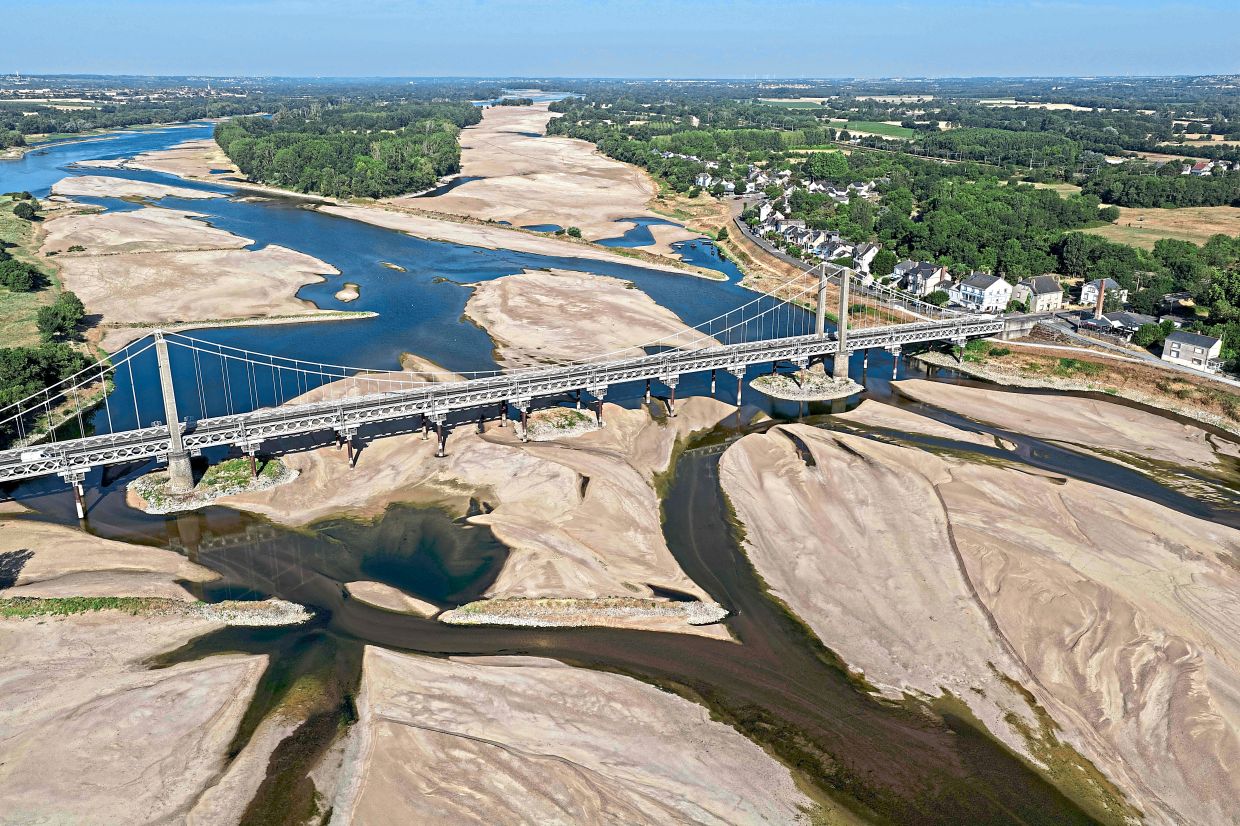
While heat spikes can be tough on the body, persistent high temperatures can also be exhausting.
From mid-June to mid-August, temperatures rose above 35°C on more than 55 days around the Spanish municipalities of Lerida (Catalonia), Cordoba and Granada (Andalusia), according to EDO data.
While such persistent heat over that period had been observed in Andalusia in recent years, notably in 2025 and 2023, it has never been seen before in Lerida, which lies further north.
The Lerida weather station recorded more than 35°C every day for over a month, according to data from Spain’s AEMET weather agency.
Residents of Nicosia in Cyprus likewise saw more than 55 days with top temperatures above that level.
Many countries in central, eastern and northern Europe broke their all-time temperature records this year, whether it was 37°C in Denmark or 42.2°C in Slovakia, alongside highs of between 40°C and 42°C in Germany, Austria, the Czech Republic and Poland.
But it was likely Italy that recorded the summer’s highest temperature, with 48.4°C in Orani, Sardinia, on July 19, according to the ARPAS regional environmental protection agency – just below the European record of 48.8°C set in Sicily in 2021.
When it’s very hot during the day, people long for the coolness of the night, but that is a respite that is becoming less common.
In 2026, parts of Europe home to around 18 million people experienced nights where the temperature did not drop below 25°C.
This was notably the case for nearly five million people in France’s Pays de la Loire region and also in the wider Paris region.
Several areas of Italy at the foot of the Alps that had previously been spared hot evenings also saw sweltering nights, while the phenomenon also spread to Poland, in particular around Warsaw.

In southern Italy, nights when the temperature doesn’t drop below 25°C are fairly common, and this summer they became entrenched in some places.
In the tip of the boot, in Sicily and along the southern Adriatic coast, some areas recorded more than 20 hot nights over two months. It was a similar story across the sea in Croatia, for example around the island of Brac, according to EDO data. – AFP