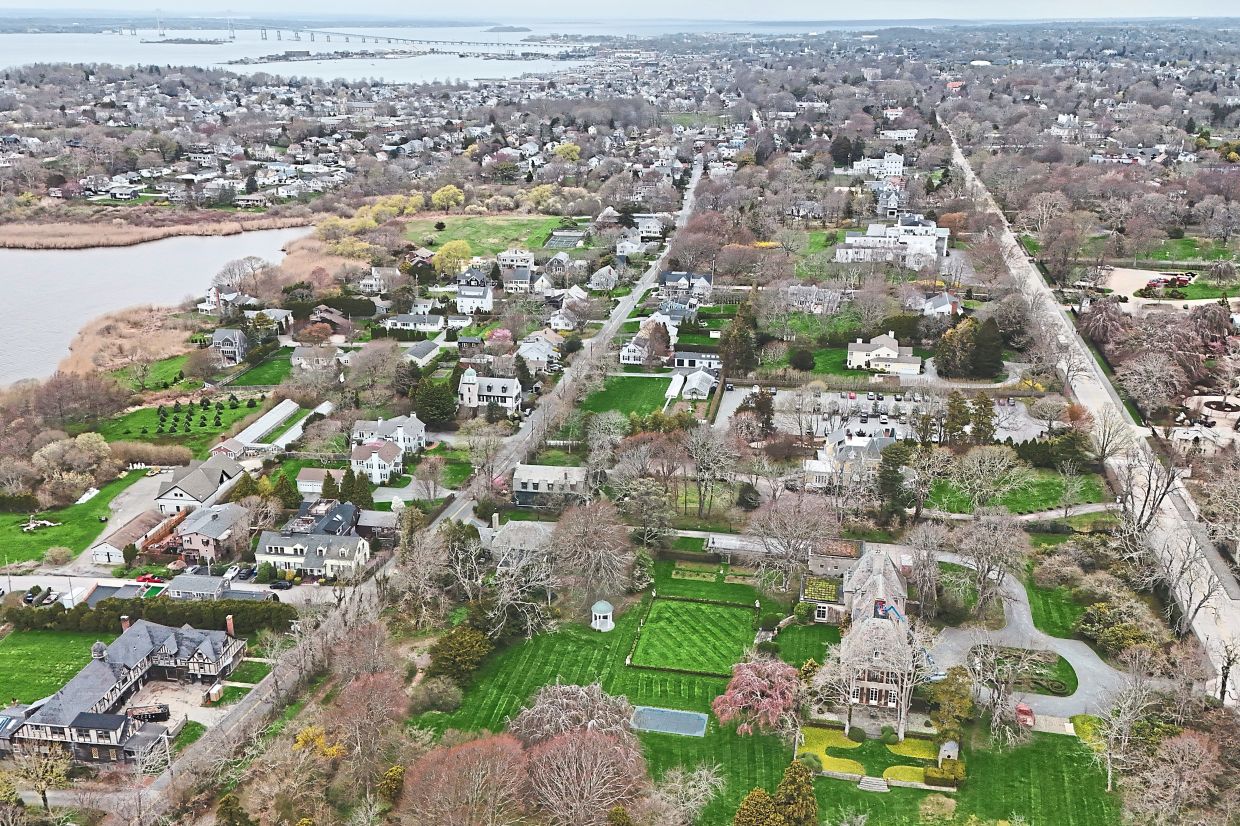
On Newport's south side on Rhode Island, the United States, historic and opulent mansions sit on an avenue with mature trees that help cool the neighbourhoods, clean the air and foster wildlife.
On the city's poorer North End, where some streets are dotted with subsidised housing, big trees are a lot fewer and far between."People in this neighbourhood aren’t receiving the benefits of trees,” said Natasha Harrison, executive director of the Newport Tree Conservancy. "They need more.”
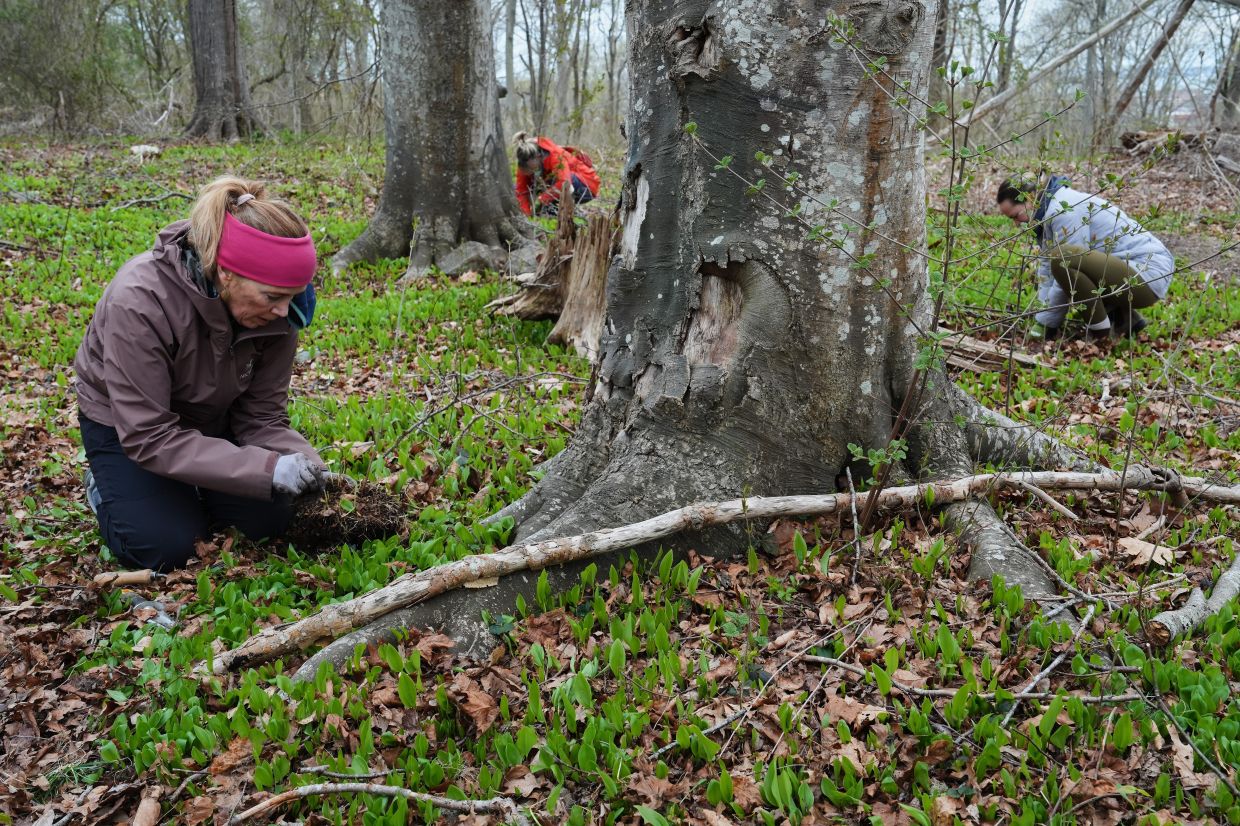
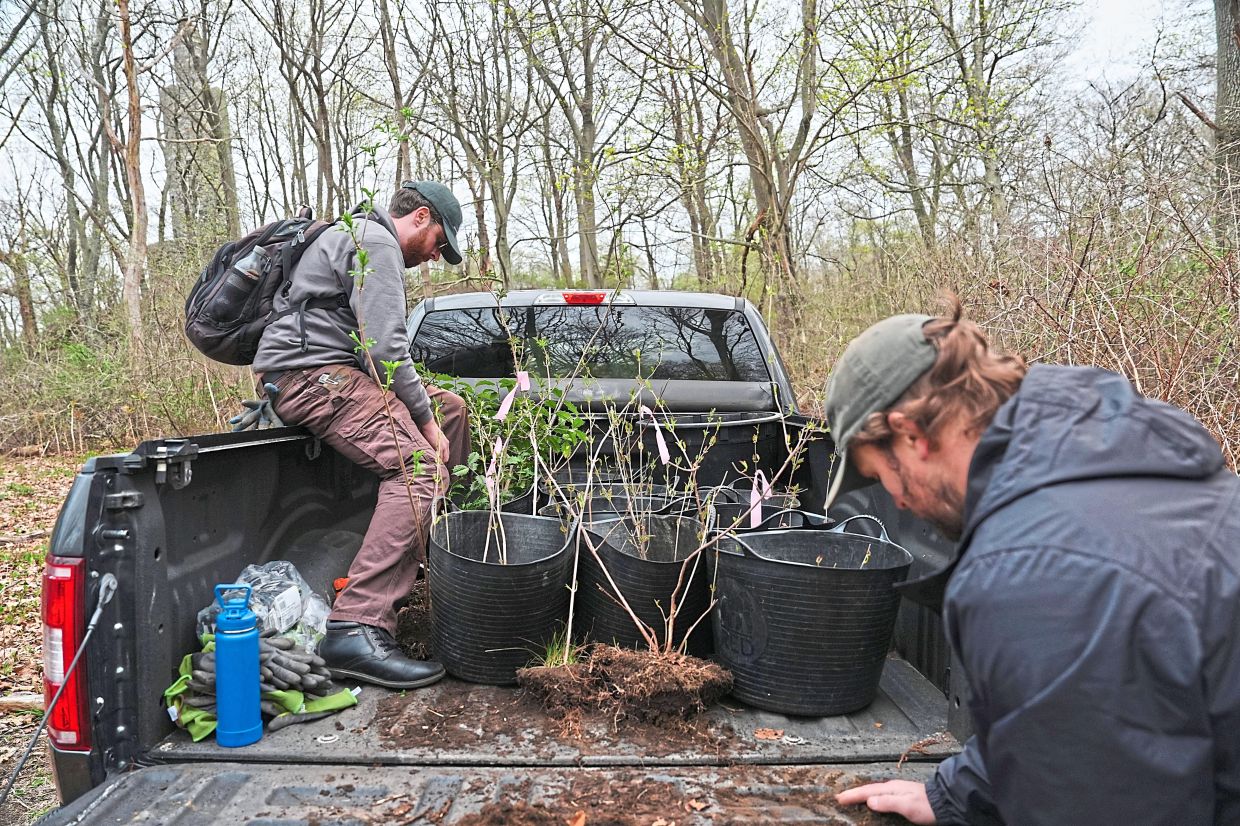
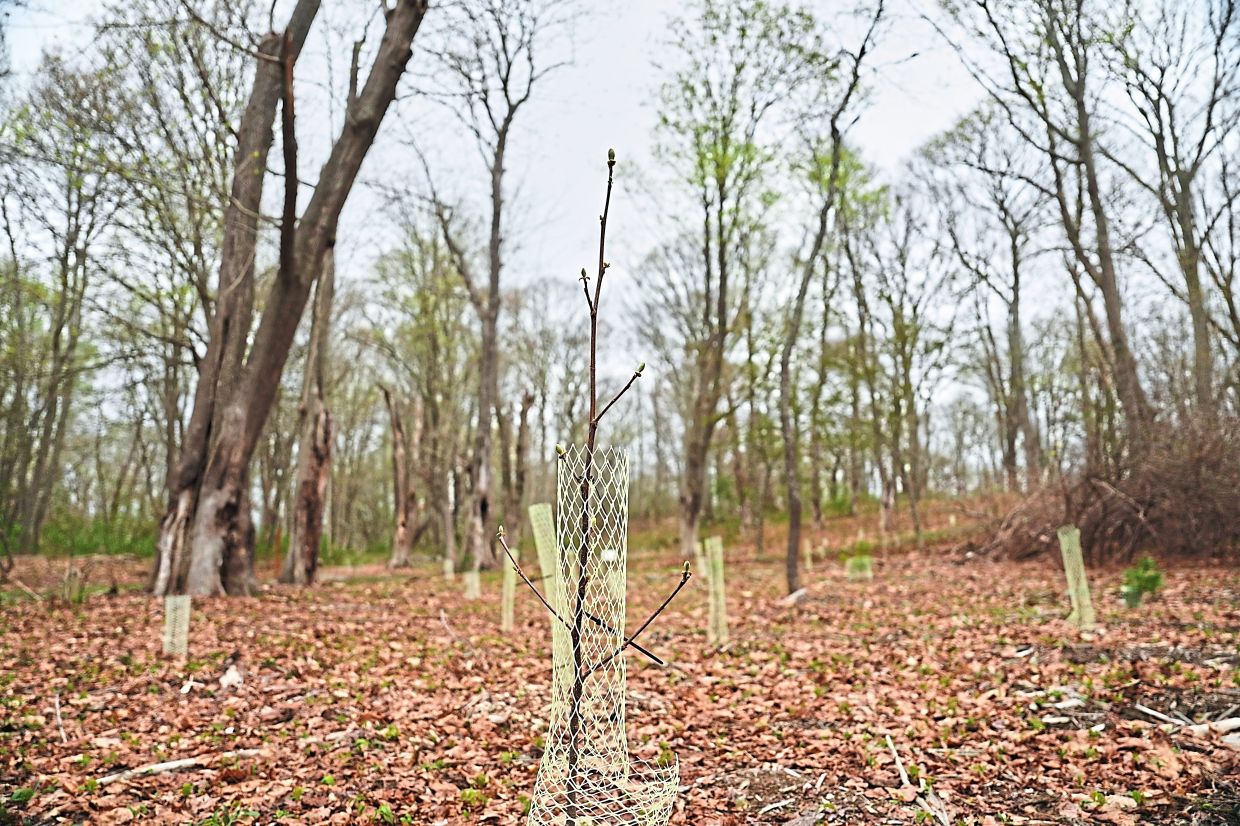
Many native trees in the park’s forest have been crowded out by invasive plants, killed by disease or eaten by deer, rabbits and squirrels. This year, for the first time, the conservancy wanted to dig up native seedlings to nurture the trees in their nursery and replant them in the forest to better their chances of survival.
The conservancy's goal is to grow the tree canopy in the area and raise its low "tree equity score”. The score is a measure of whether there are enough trees in a neighbourhood for people to experience the health, economic and climate benefits trees provide.
As President Donald Trump's administration sought to end environmental justice initiatives, the Forest Service terminated a US$75mil (RM295mil) grant last year to the foundation, which was working to plant trees in neighbourhoods that might not otherwise be able to afford them.
Harrison said the conservancy expected to receive US$150,000 (RM589,350) from the foundation. The conservancy's donors made up the difference after the cancellation, and volunteers help the nonprofit to achieve its mission.
"It was stressful, but I didn't want to let it derail us,” Harrison said.
The conservancy has been partnering with the city to plant trees throughout Newport for almost 40 years and improve the tree canopy.
At Miantonomi Park, Joe Verstandig, the conservancy's living collections manager, led the group into the forest. He pointed out the invasive species they are working against, like the groves of Aralia spinosa, commonly called devil’s walking stick, Norway maples and Japanese knotweed. He showed them how to methodically dig up the plants they wanted to save, such as the arrowwood that is common throughout Rhode Island, elderberry and American holly.
The group included friends Allie Bujakowski and Mara Swist. Bujakowski lives a mile from the park and walks her dog there. Swist lives nearby in Portsmouth, Rhode Island. They both said they wanted to get their hands dirty and help the conservancy, which planted a tree in Bujakowski's front yard.
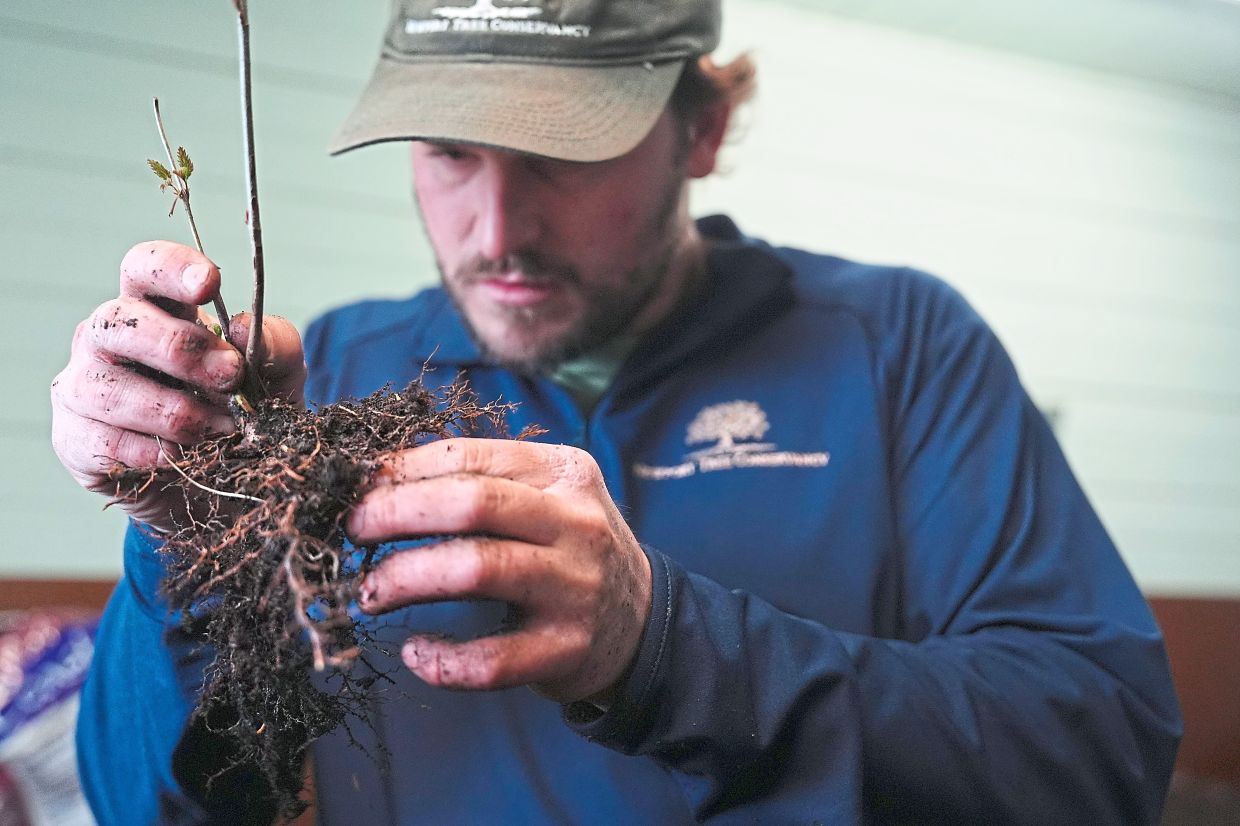
Verstandig removes excess soil from a native tree seedling.
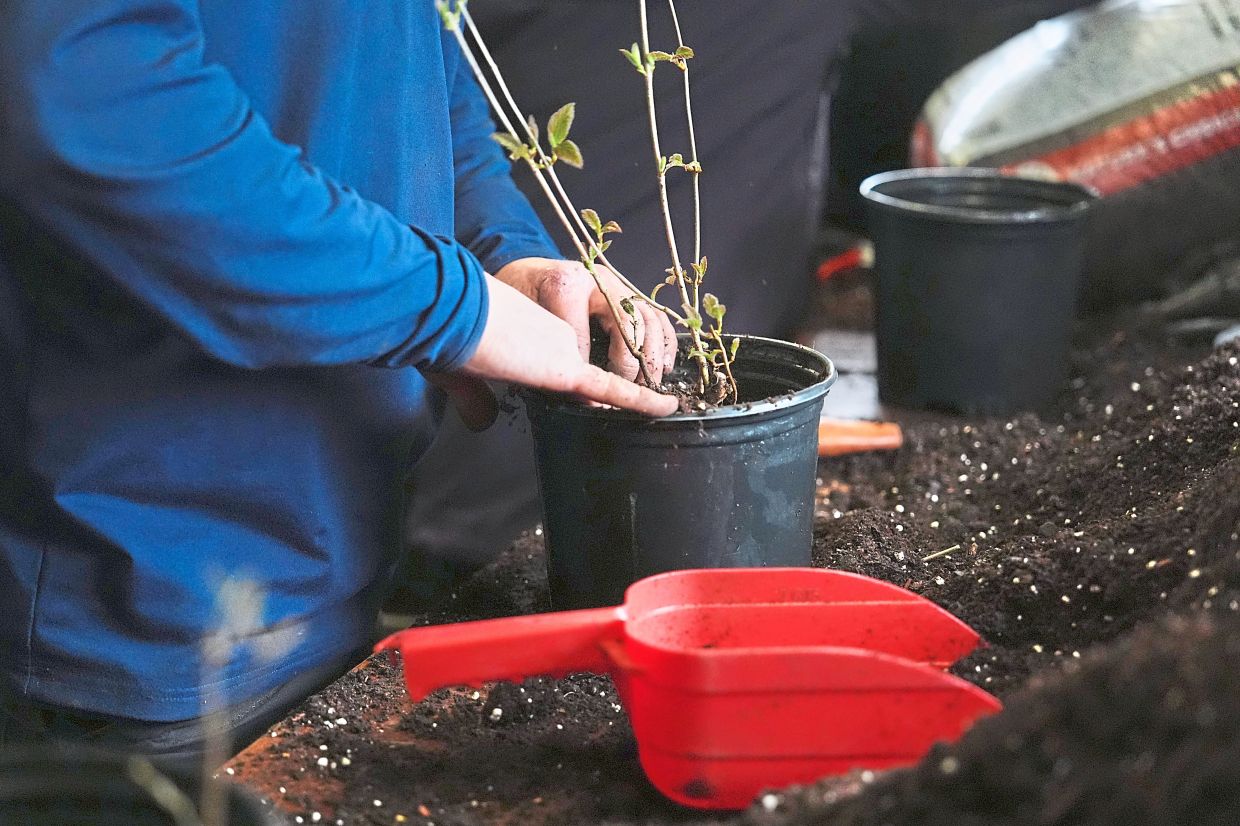
Verstandig repots a native tree seedling.
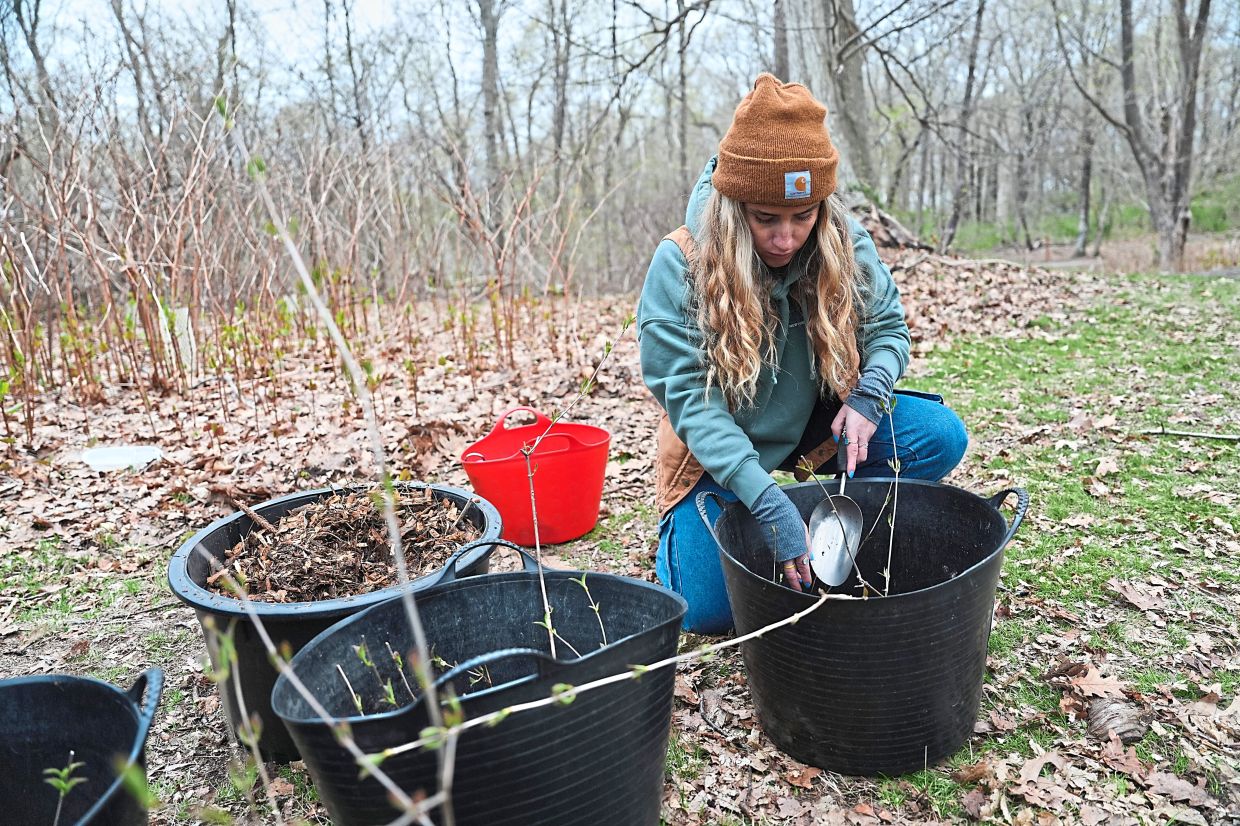
Sophie Colantuono, a programme director at the Newport Tree Conservancy, places soil around tree seedlings as part of a collection effort.
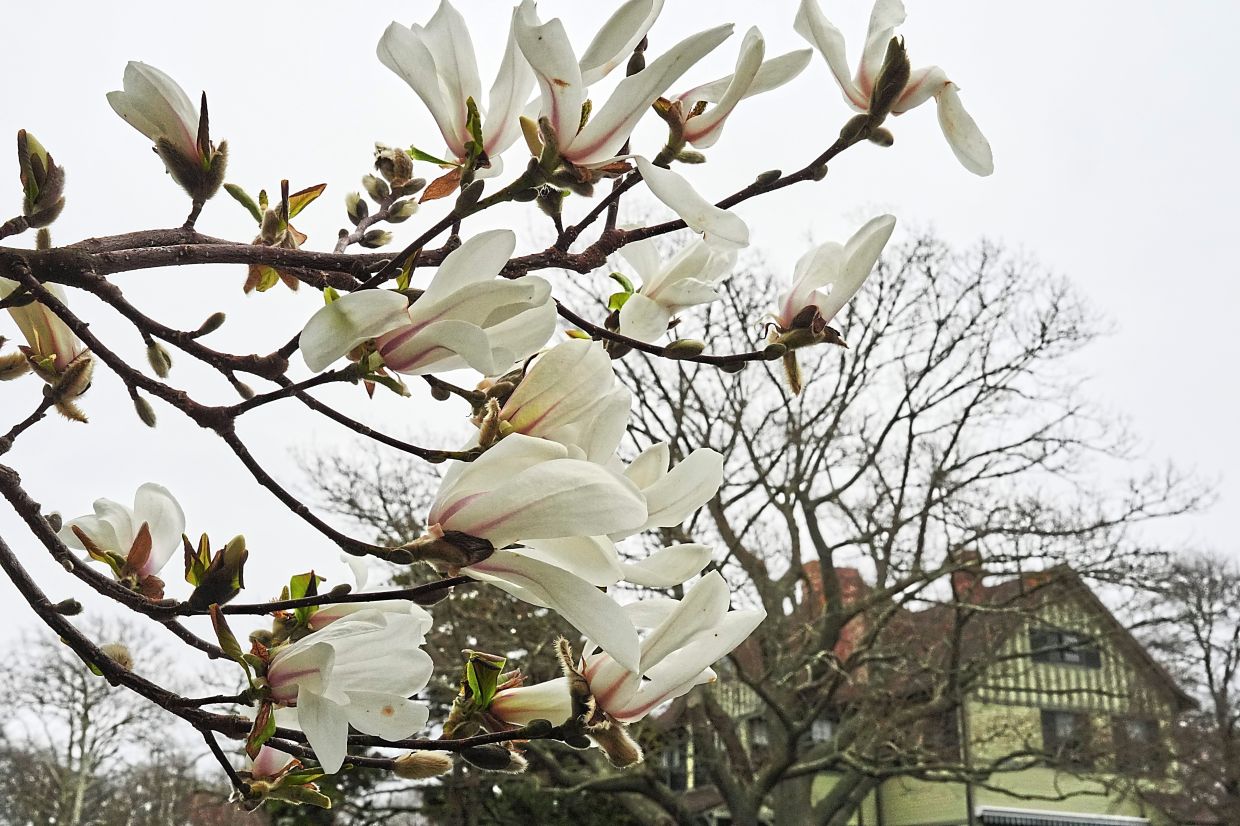
A magnolia tree blooms in April in Newport.
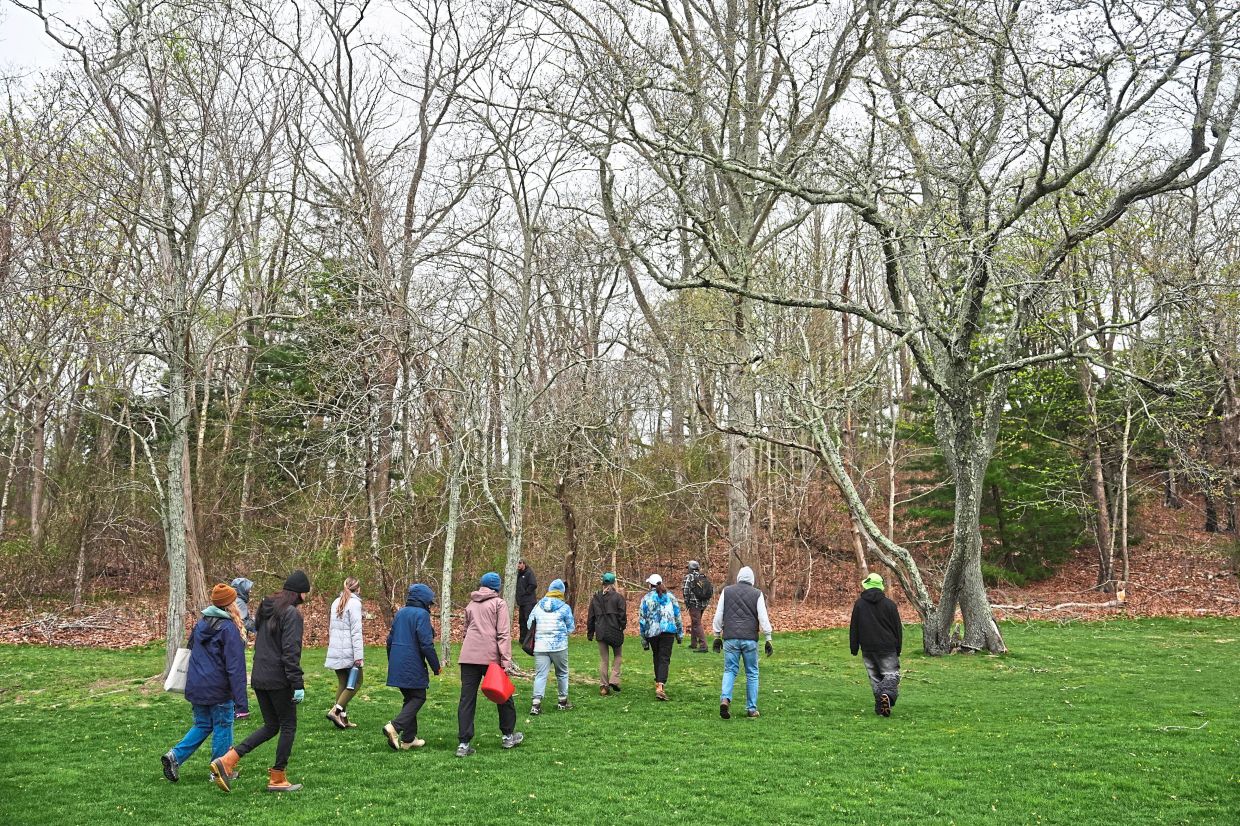
Volunteers walk into the woods at Miantonomi Park to collect native tree seedlings.
AP Photo/Joshua A. Bickel
Volunteers dig up native tree seedlings as part of a collection effort.
Ian Delmonico (left) inspects newly collected native tree seedlings.
Trees surround homes in Newport.
The Newport Tree Conservancy has planted hundreds of native trees to create a healthier forest in the Miantonomi Memorial Park. — Photos: AP