
An Eastern Shore mother and her 9-year-old son marked Autism Awareness Month by completing a journey years in the making: visiting all 50 states in the United States together.
Tiffany Brown, from Baltimore, Maryland, who is a retired Baltimore City police officer, reached the milestone in April with her son, Caleb, during a trip to Fargo, North Dakota. By November, with a planned visit to South Africa, they expect to reach another milestone – 50 countries."His first trip was to Puerto Rico at three months, and it's been a journey ever since," Brown said.
For Brown, the trips are about more than checking places off a map. They have become a way to help Caleb, who is autistic, experience new cultures, build confidence and practice communication in real-world settings.
They have also become part of a larger mission: showing other families raising autistic children that travel can be possible, with preparation, support and patience.
Brown said Caleb has level-two support needs, meaning he requires significant support in some areas. He is verbal, she said, but sometimes struggles with comprehension and fine motor skills.
"He can't ride a bike unless he has training wheels," she said.

Dr Stephanie Morris, medical director of the Center for Autism Services, Science and Innovation at Kennedy Krieger Institute in Baltimore, said the way autism is discussed and diagnosed has changed significantly over time.
"When we talk about the spectrum now, what we really mean is that there's an incredibly wide range of how it presents," Morris said.
Autism, she said, affects social communication, social interaction, sensory processing and behaviour differently from person to person.
"The way that the child presents within the spectrum is going to be very different and unique from person to person," Morris said. “No two individuals with autism are going to have the same strengths and challenges."
That can make travel especially difficult for some autistic children. Airports, airplanes, hotels and new cities can bring loud noises, crowds, disrupted routines and unfamiliar expectations.
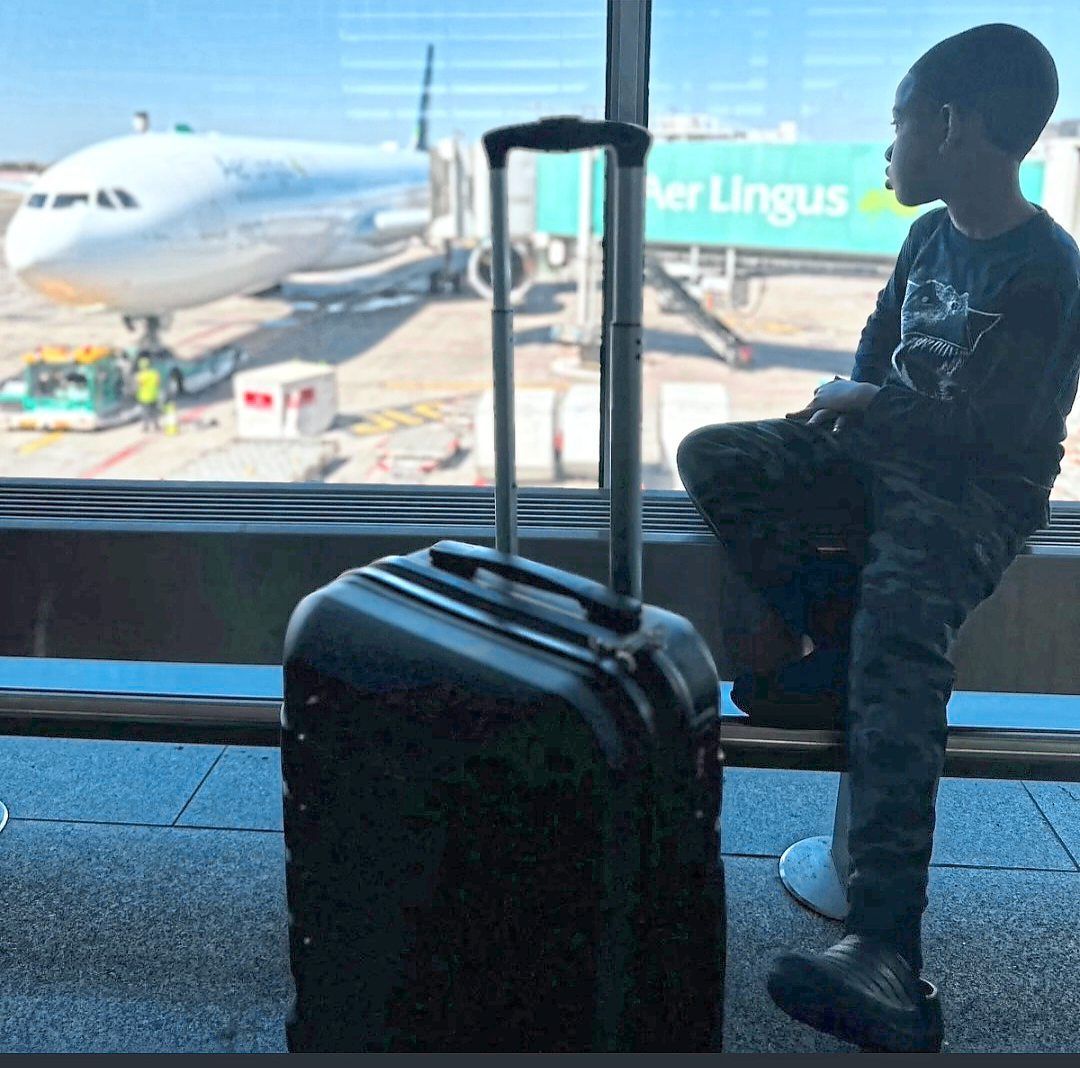
Exploring new environments
Brown said preparation is central to how she travels with Caleb. She recommends that families bring comfort items, snacks, toys, tablets or anything else that helps a child feel grounded in an unfamiliar place.
She also encourages families to use the Hidden Disabilities Sunflower programme, which allows people with non-visible disabilities to wear a sunflower lanyard as a discreet signal that they may need extra time, patience or support. Brown said she is an ambassador for the programme, which recently expanded to Baltimore/Washington International Thurgood Marshall Airport in Maryland.
"Depending on where you are, you may be able to go to the front of the line, and sometimes airports have dedicated lines," Brown said.
Brown has built a large online following around that kind of practical advice. Her Instagram page, Autism Spectrum Adventures, has more than 230,000 followers, and she uses it to share resources and encouragement for caregivers of autistic people. She also participates in monthly meetings with Ryder's Room Foundation, a support group in New York, created by R&B singer Faith Evans, who also has an autistic child.
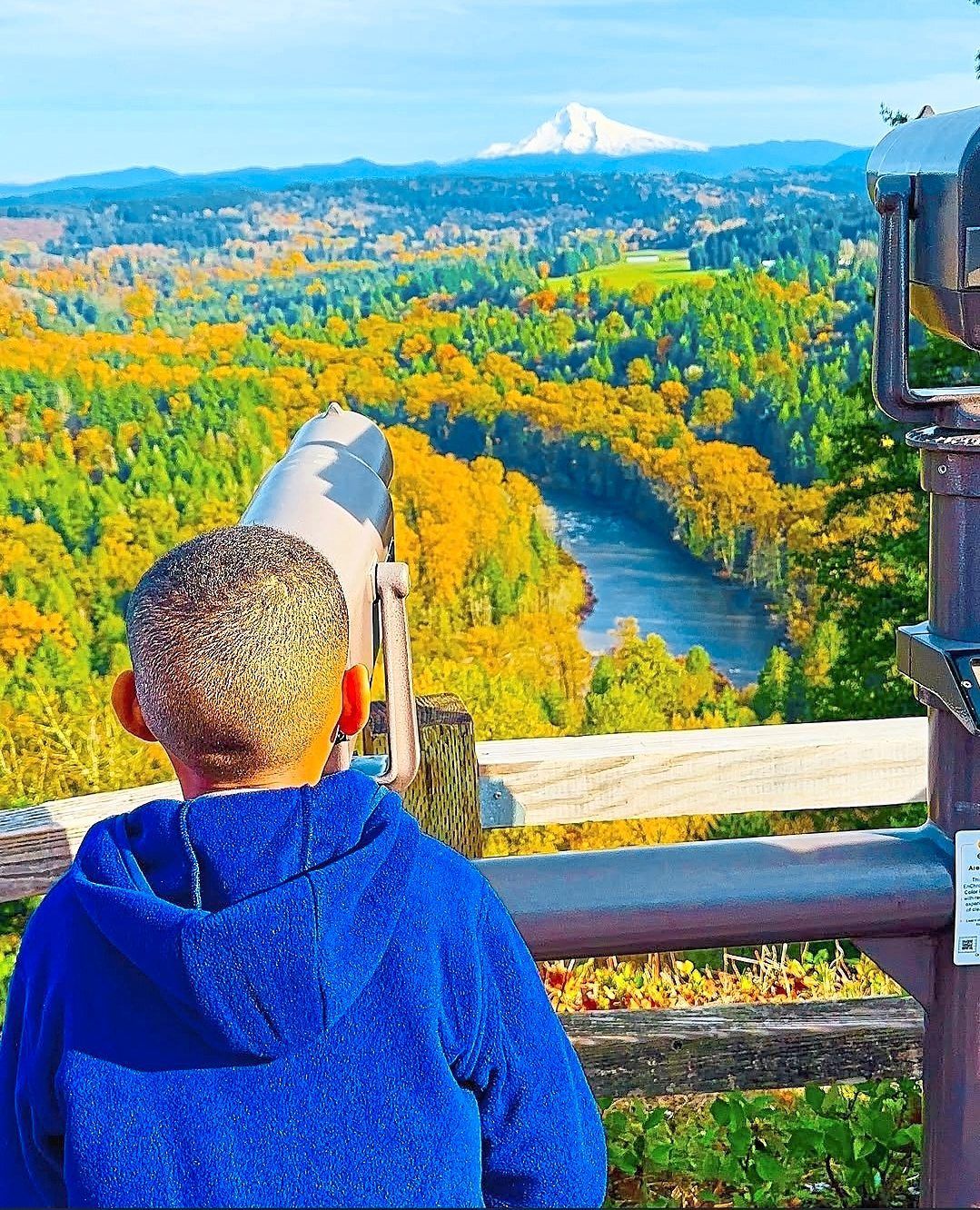
Brown said she keeps travelling with Caleb because she believes the experiences help expose him to new cultures and strengthen his speech and confidence.
"Travel helps autistic children build real-life skills like communication, flexibility and confidence through new experiences," Brown said. "It also supports sensory development and emotional regulation when explored at their own pace. Most importantly, it creates meaningful moments of joy and connection."
Brown said the trips have also helped her teach Caleb history and perspective beyond the classroom, from visiting the site in Memphis, Tennessee; where Martin Luther King Jr. was assassinated to experiencing life in other parts of the world.
"I want him to understand that it's a privilege," she said. "But also to learn history and have cultural experiences everywhere we go."
Morris said that kind of hands-on experience can be especially meaningful for some autistic children, particularly those who are strong visual learners.
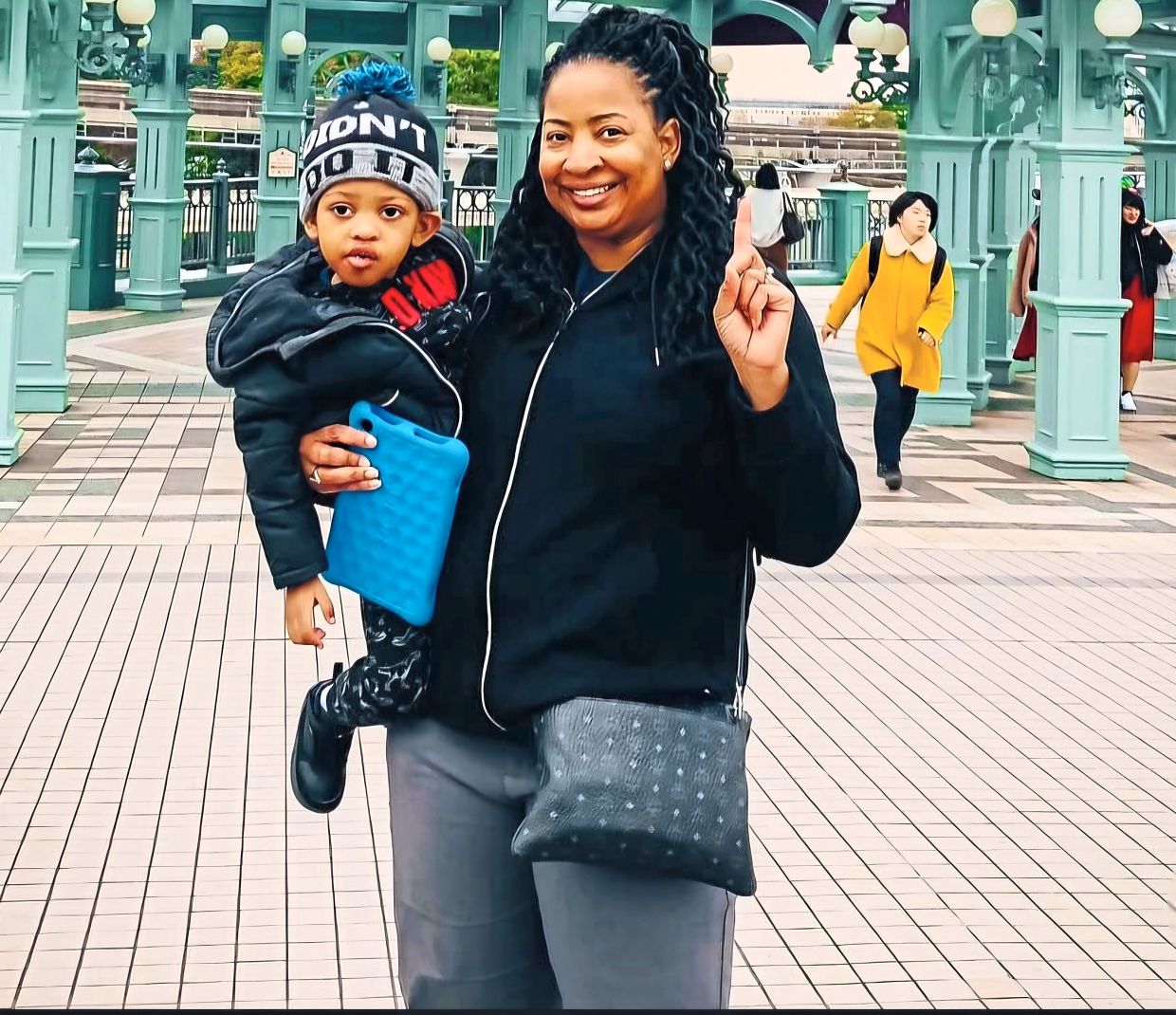
Meaningful experiences
She said the family's story also reflects broader changes in how autism is understood.
"Raising a child with autism in 2026 is very different than it was even a decade ago," Morris said. "There’s more awareness overall. There's earlier identification, and I think far more available resources for families now."
But families still face long wait lists, limited access and fragmented systems, she said, often leaving parents to coordinate medical, educational and behavioural supports on their own.
"While I think things are better in terms of understanding and opportunity for our autistic kids and their families, it's still a really demanding role for parents because it's often that they end up being that central hub that's really like holding everything together to make sure that their child is getting what they need," Morris said.
For Brown, the message is both local and global.
"Autism is everywhere," she said. "I's not just in Maryland or the US. It's across the globe."
That message carried special meaning in Baltimore too. Brown and her husband, Sean, also a retired city police officer, have taken Caleb to city landmarks including museums and police headquarters. During Autism Awareness Month in April, Brown said, she wanted Caleb to see the Baltimore Police Department’s autism awareness vehicle.
Baltimore Police spokesperson Lindsey Eldridge said the department has launched several initiatives to improve interactions with neurodivergent people, including a database to assist officers and a communication partnership programme. Officers also receive training through Pathfinders for Autism and the Autism Society of Baltimore-Chesapeake.
"I'm proud they are taking steps to learn more about autism," she said.
Morris said the family's story shows what can happen when children receive support that fits who they are.
"It's a testament to how resilient a lot of our autistic kids are and how brave and how involved and invested parents are in their children having really valuable, important life experiences," Morris said.
"With the importance of spreading awareness across the country and across the globe, I think it's a really incredibly inspiring story, and I think it really highlights what's possible when the right supports are in place for an individual," she said. – Baltimore Sun/Tribune News Service