One of the most consumed meats in the world, chicken has a history that dates back 8,000 years and traces its roots to the South-East Asian jungle fowl. This means that every single chicken in the world has ancestors that hail from the Far East, including our neck of the woods.
At some point in history, the South-East Asian jungle fowl is believed to have bred with the Indian grey jungle fowl, resulting in modern iterations of chicken.
Initially chickens were believed to be domesticated not for consumption but for cock-fighting. The bird was probably introduced to the rest of the world through the Indus Valley, which was a robust trading hub around 4,000 years ago.
According to an article in Smithsonian magazine, large-scale industrial production of chicken didn’t begin until the 20th century. Until then, chicken was consumed in modest amounts. As a result of more widespread chicken rearing, global consumption of poultry has quadrupled from 1961 to date. In Malaysia, for instance, chicken is the most highly consumed protein nationally, averaging 50kg per person per year, the highest in South-East Asia.
As a result of chicken’s widespread proliferation, a huge number of fowl-focused dishes have gained momentum around the world. Here, we take a look at a few of them.
Chicken tikka masala
Possibly one of the most popular chicken dishes in the United Kingdom, chicken tikka masala is considered a national dish there. It is thought to have been created in the 1970s by Ali Ahmed Aslam, a Pakistani chef in Glasgow, Scotland, who is believed to have created the dish at his restaurant Shish Mahal.
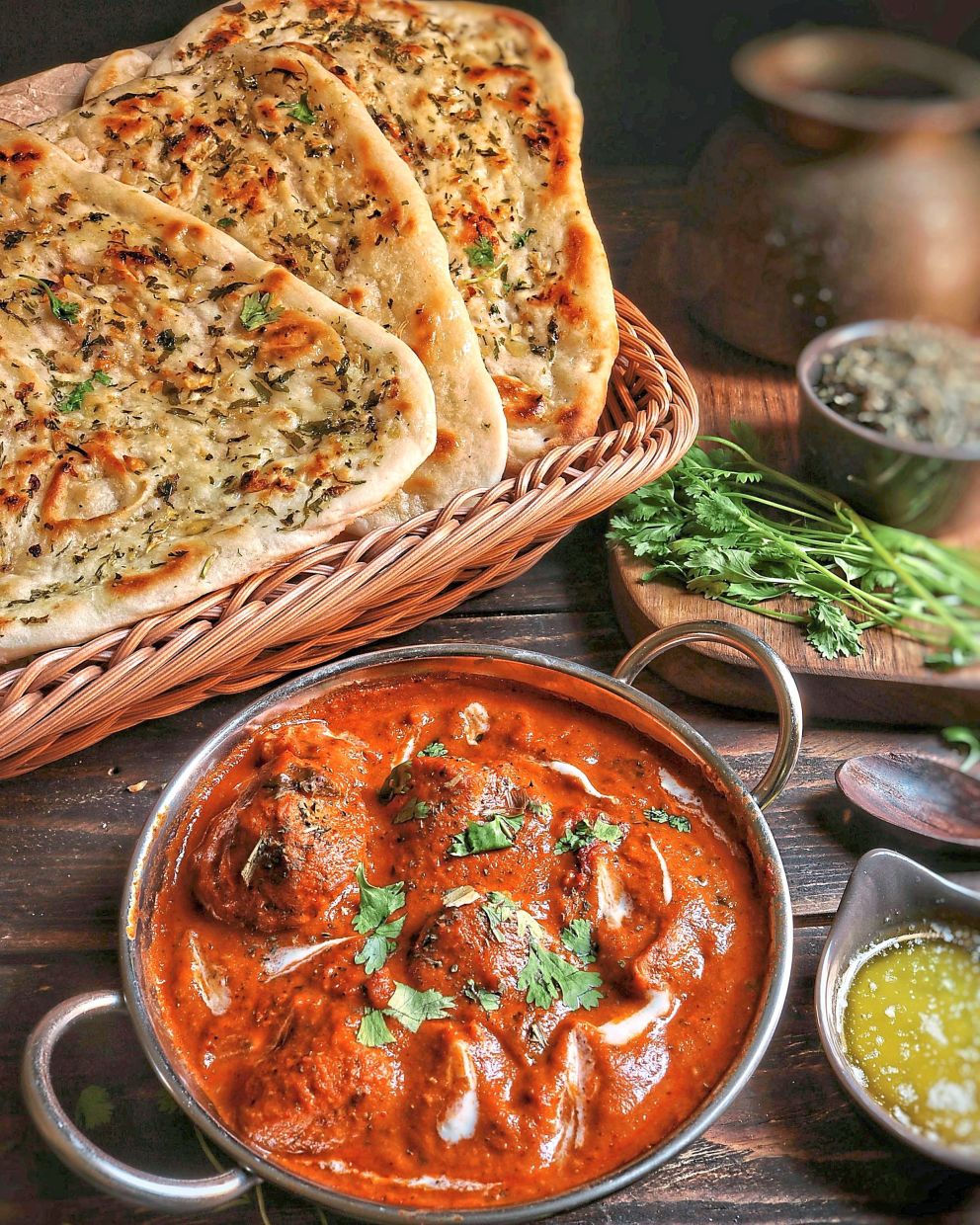
Ali’s recipe was developed to please a customer who wanted something different, so he simply simmered his chicken tikka pieces (chicken marinated in spices and yoghurt and grilled in a tandoor oven) in a soothing, creamy tomato-based gravy.
“Chicken tikka masala was invented in this restaurant, we used to make chicken tikka, and one day a customer said, ‘I’d take some sauce with that, this is a bit dry’,”.
“We thought we’d better cook the chicken with some sauce. So from here we cooked chicken tikka with the sauce that contains yogurt, cream, spices.
“It’s a dish prepared according to our customer’s taste, usually they don’t take hot curry, that’s why we cook it with yogurt and cream,” said Ali in a previous interview with AFP.
The dish is a perennial people-pleaser that is a popular takeaway favourite in curry houses throughout England. Ali himself passed away in 2022, but his legacy continues through his famed chicken dish.
Kung pao chicken
While the origins of the Chinese dish of kung pao chicken are hotly disputed, the dish has strong links to 19th-century Chinese official Ding Baozhen, known as Gong Bao (literally “palace guardian”) during the Qing Dynasty period in China.
According to renowned cookbook author and food writer Fuschia Dunlop in an article in the Los Angeles Times, Ding was known for his love of stir-fried chicken in his home province of Guizhou as well as Shandong, where he spent some time and the Sichuan province where he lived during his final years.
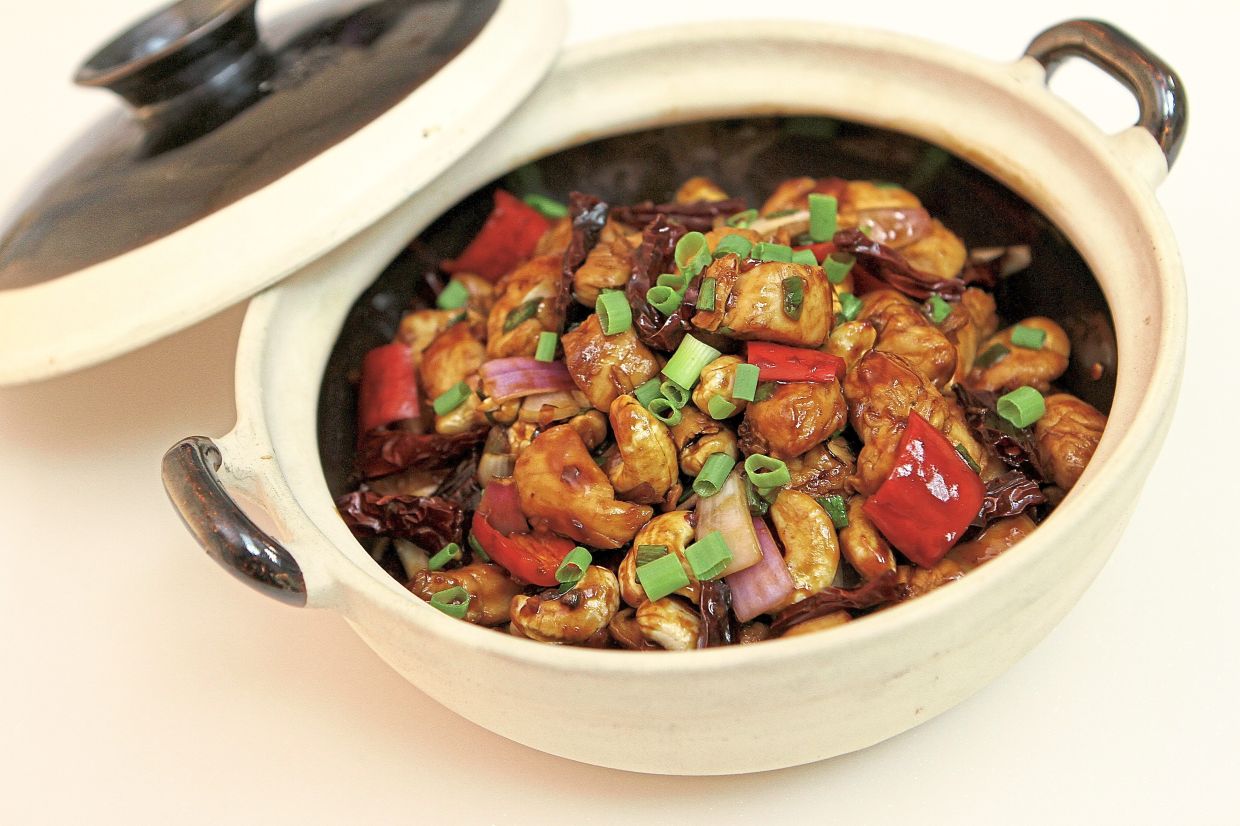
Ding typically served this stir-fried chicken dish at his dinner parties and during his last 10 years of service when he served as the governor-general of Sichuan, his personal chefs were thought to have added Sichuan peppers, dried chillies, sugar and vinegar to the dish – which gave it more potent, fiery flavours.
Current iterations of kung pao chicken now make use of cubed pieces of chicken breast with dried chillies, Sichuan peppers, spring onion, cashew nuts, ginger and garlic all fried over high heat and then coated in a thick, syrupy dark sauce that has hints of a sweet-salty balance folded into its structural configuration.
The dish may have had its roots in a 19th-century Chinese official, but its popularity has endured for well over 150 years and it is now a mainstay in the Chinese culinary canon.
Jerk chicken
Jerk chicken is an evergreen remnant of the relationship forged between the Caribbean’s native Taino people and African slaves brought to Jamaica by Spanish conquistadors in the 15th century.
According to an article in Smithsonian magazine, the war between England and Spain in the 17th century caused the Spanish to abandon Jamaica for their more established footholds. To escape the invading British, many of the enslaved people fled to the mountains and became known as the Maroons.
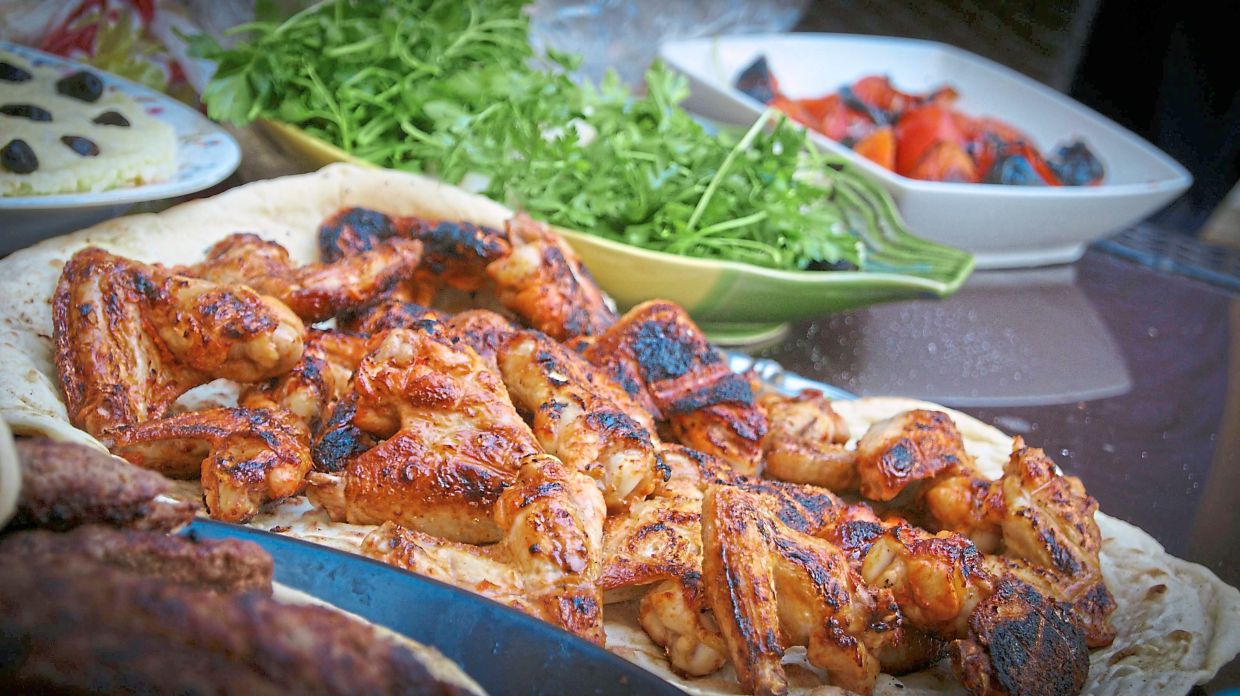
The Maroons befriended the native Taino people and many settled among the indigenous people, exchanging their culinary culture. This is how jerk chicken was born.
Jerk actually refers to the smoking and cooking method of chicken and is a byproduct of slavery when lean, impoverished times called for means and ways of tenderising tough cuts of meat.
In the past, meat was seasoned with pimento, salt and bird peppers and wrapped in traditional pepper elder leaves and cooked in a smokeless pit roasted over dying embers. The smokeless pit was designed to conceal the Maroons’ whereabouts from invading colonisers.
Modern iterations of jerk chicken typically include chicken seasoned with pimento, Scotch bonnet peppers, garlic, thyme and cinnamon. The chook is then smoked before being grilled to perfection, sealing in all those delicious flavours that have made Jamaican chicken such a global hit.
Coq au vin
While Julia Child may have made the French dish of coq au vin ubiquitous in the 1960s, the dish itself is thought to have roots that date all the way back to Julius Caesar and ancient Rome when a Gaul leader allegedly sent Caesar a dish of chicken cooked in wine.
Traditionally, coq au vin was once a simple peasant dish used to cook roosters, whose meat was much hardier, which in turn is what required the slow braising associated with the dish.
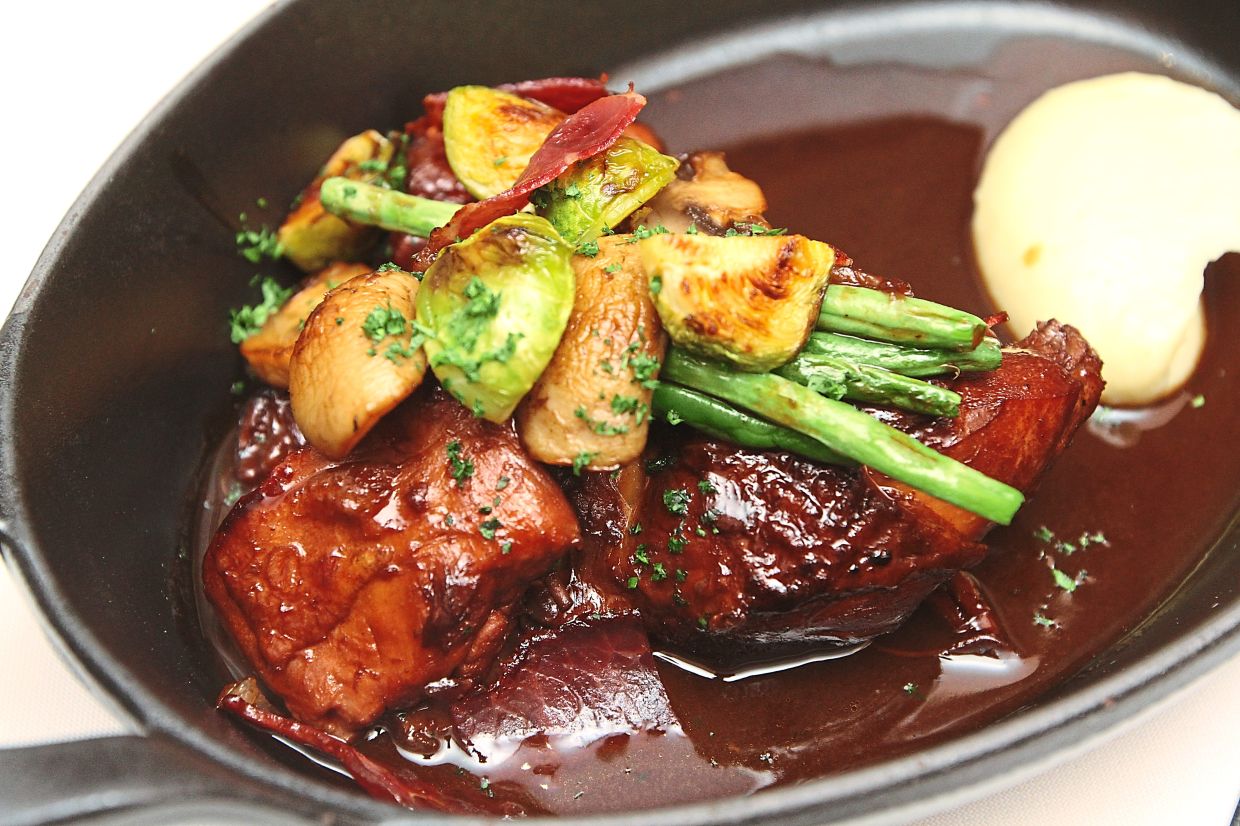
Over time, this rural village dish began to incorporate chicken and by the 20th century, it had become more well-known throughout France.
Coq au vin is made by sauteing onions and garlic in butter, then browning the chicken in the pan. To this, mushrooms and bacon are added before red wine (typically from Burgundy, France) is poured over till it covers the meat. From this point on, the meat is braised over low heat for hours, with the idea being that the longer the braise, the more flavourful the dish.
Korean fried chicken
Thought to have been introduced to Korea by American soldiers stationed in Korea in the 1950s, Korean fried chicken has since taken the world by storm.
Although it is a global staple, Korean fried chicken wasn’t really a thing in Korea until the 1970s, when the country’s economic situation began improving and fast food joints started emerging in the country, beginning with Lim’s Chicken in 1977.
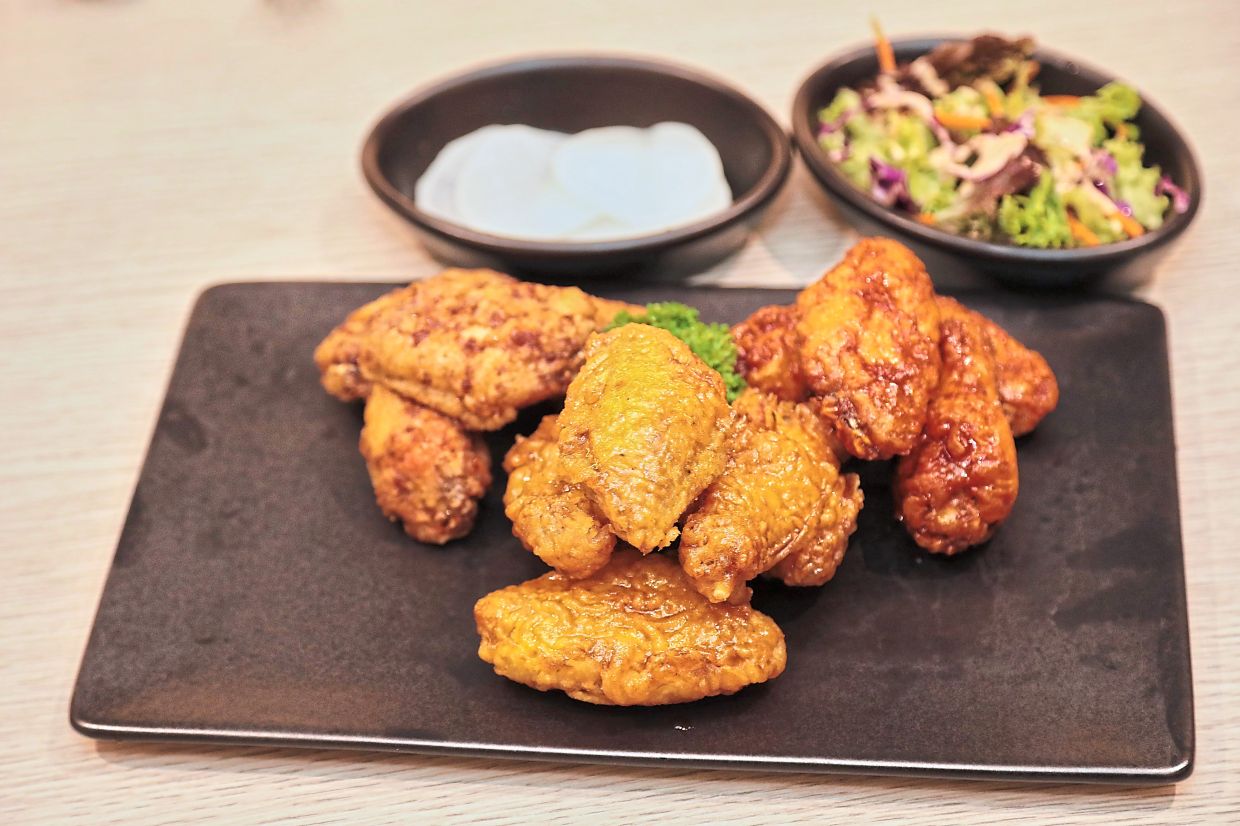
Korean fried chicken is typically lightly battered in corn starch (sometimes wheat flour or rice flour is added too) and then fried not once, but twice to attain that perfect ASMR crackly exterior.
As the chickens used for Korean fried chicken are typically smaller, they crisp up well and are less likely to be tough.
Another notable creation is the crazily popular yangnyeom fried chicken, which sees fried chicken thinly coated in a sweet-spicy sauce that makes use of another Korean staple – the spicy gochujang paste.
In Korea, fried chicken isn’t fried chicken without a side-serving of beer, hence the word “chimaek” – a portmanteau of the words “chi” from “chicken” and “maek” from “maekju” (which means beer).
Pollo al brasa
A relatively new addition to Peru’s culinary repertoire, pollo al brasa dates back to 1949 when Swiss migrant Roger Schuler started cooking chicken on a spit roast at his restaurant La Granja Azul. The simple, salt-marinated chicken cooked and served with French fries was a huge hit, but Schuler hit a snag when he received a large catering order.
He sought out fellow Swiss man Franz Ulrich’s expertise. Ulrich was a metal worker who helped Schuler create a special rotisserie oven.
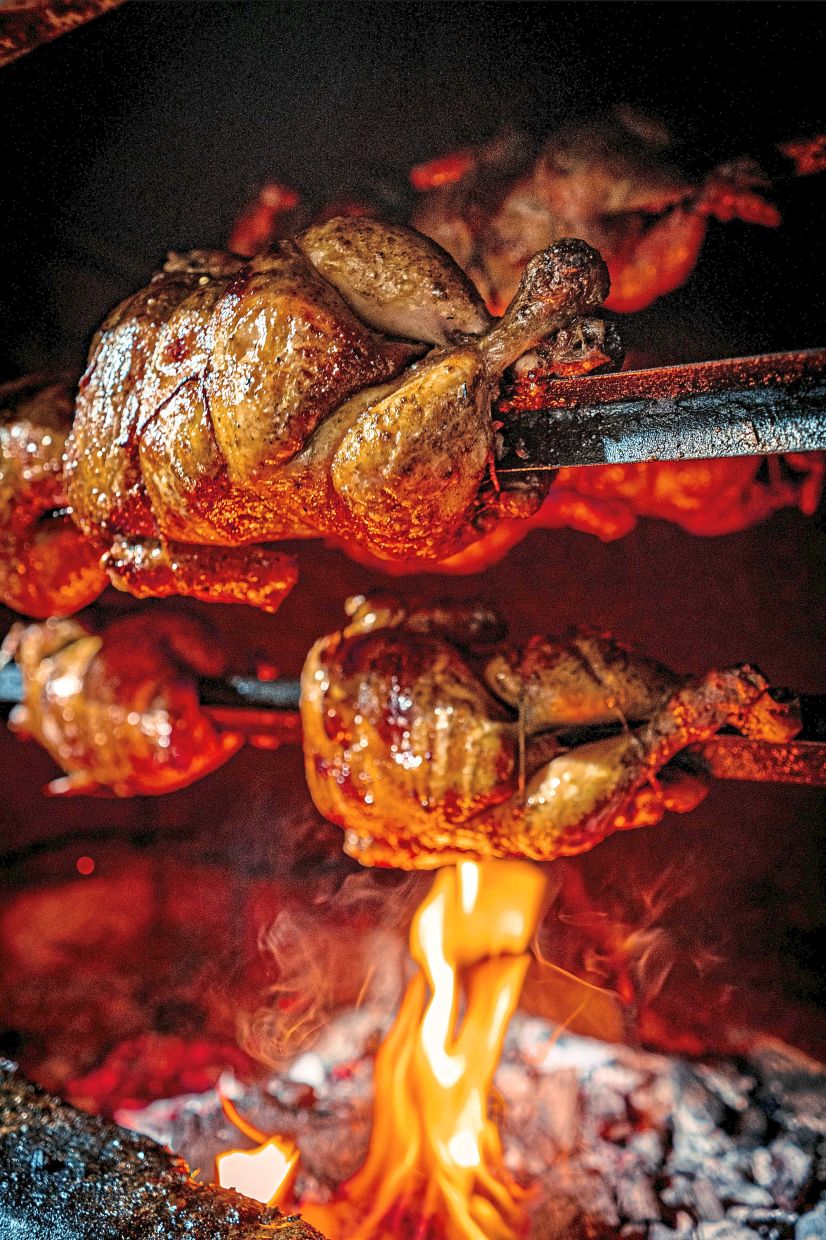
Over time, the dish became more complex – the seasoning for the chicken now includes rosemary, black pepper, huacatay, soy sauce, aji panca and cumin, served with a salsa known as aji.
These days, pollo al brasa is recognised as a national dish in Peru and Schuler’s family still runs the iconic restaurant that started it all.
Ayam goreng berempah
Like so many Malaysian staples, ayam goreng berempah’s history is steeped in mystery. There is no acknowledged creator or even theories as to how it arose.
What is clear though is the dish’s origins can be attributed to a confluence of influences, including Malay, Indian and regional inspirations. These days, it is widely thought to belong to the Malay culinary canon.
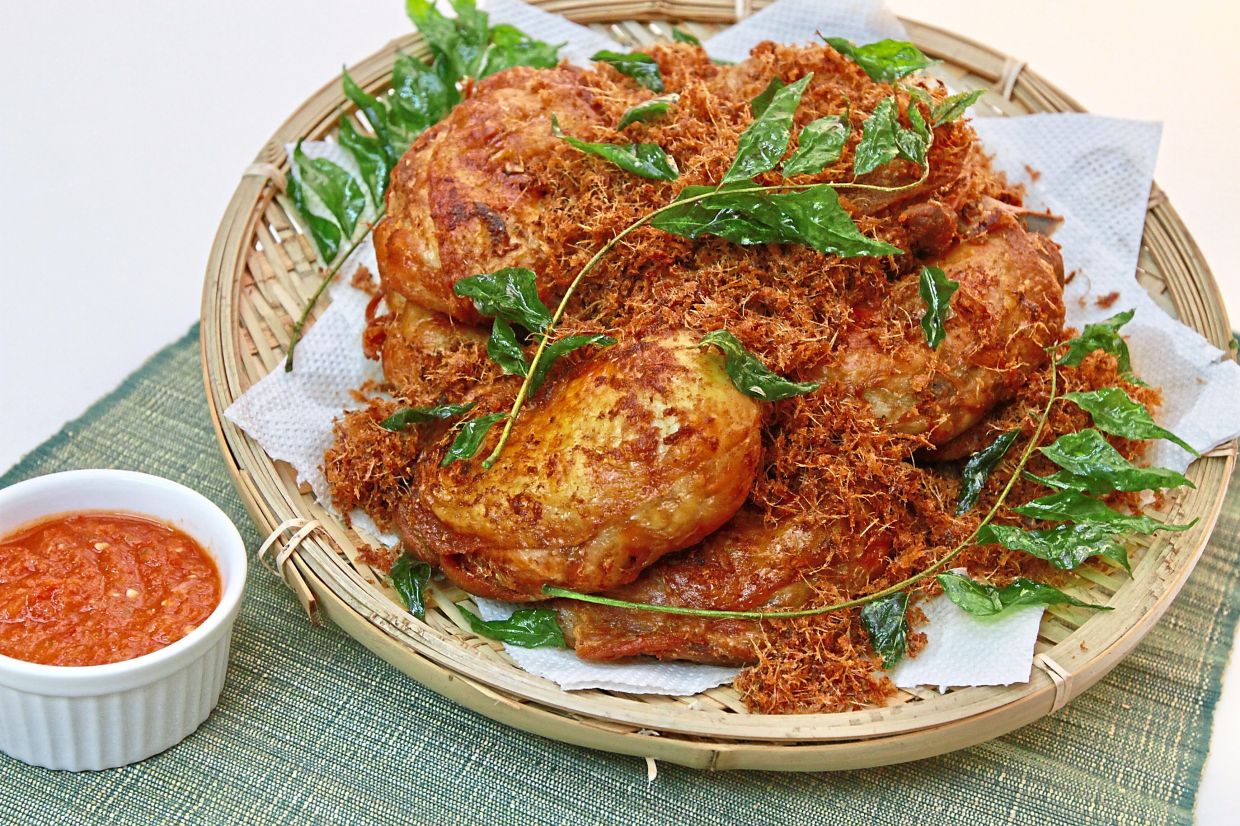
Ayam goreng berempah is essentially – as its name implies – fried chicken coated in spices. To make the dish, chicken is often marinated with ginger, shallots, garlic, turmeric, coriander, lemongrass, galangal, curry powder and then coated in a flour or corn flour batter and deep-fried and topped with fried curry leaves. Often, extra spice marinade is also fried with the chicken, resulting in crispy spice-riddled crumbs that are coated all over the chicken for extra flavour.
Ayam goreng berempah can be served on its own or as an accompaniment to dishes like nasi lemak, where it is a popular sidekick.
Buffalo wings
Despite the name, buffalo wings have no actual buffaloes in them. Instead, this famed American chicken wing dish was created in Buffalo, New York, in 1964, according to an article in Time magazine.
The story goes that Teressa Bellissimo, the co-owner of the Anchor Bar in Buffalo, created buffalo wings when the restaurant mistakenly received an order of chicken wings instead of the chicken necks that Teressa used to flavour her spaghetti sauce.
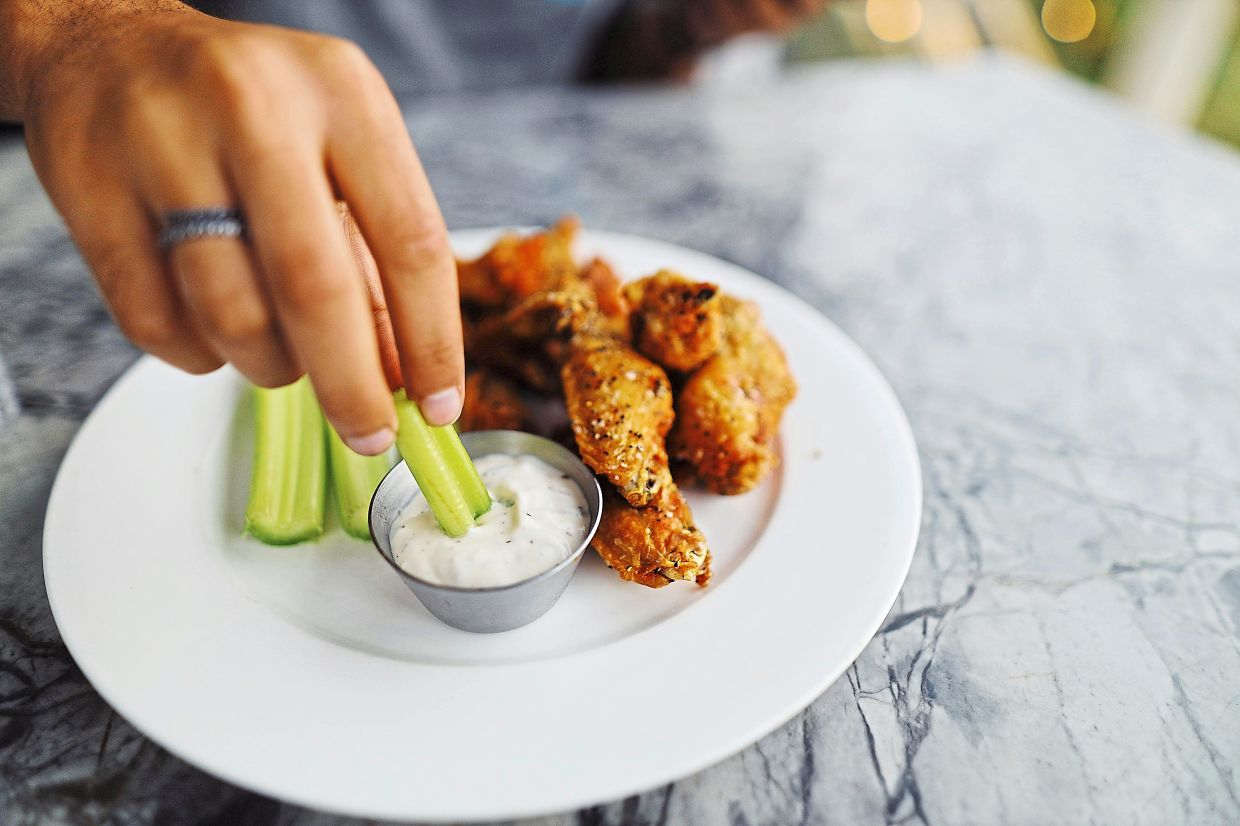
Not wanting to waste the shipment, her husband Frank Bellissimo asked her to cook up something using the wings. Teressa cut them in half, deep-fried them and coated them in her signature hot sauce. The wings were served with celery and blue cheese dressing from the restaurant’s house salad.
From those humble beginnings, those wings spread their erm, wings and became a national icon. In 1977, the city of Buffalo even declared 29 July as Chicken Wing Day.