In the restaurant world, “sustainability” has become more than a trendy buzzword. The omnipresent effects of climate change and how this impacts humankind will inevitably change the way restaurants operate.
This in turn has paved the way for a handful of restaurants to spearhead new ways of thinking – whether that’s turning back to old-world practices or casting their nets towards, new growing technologies – or combining both.
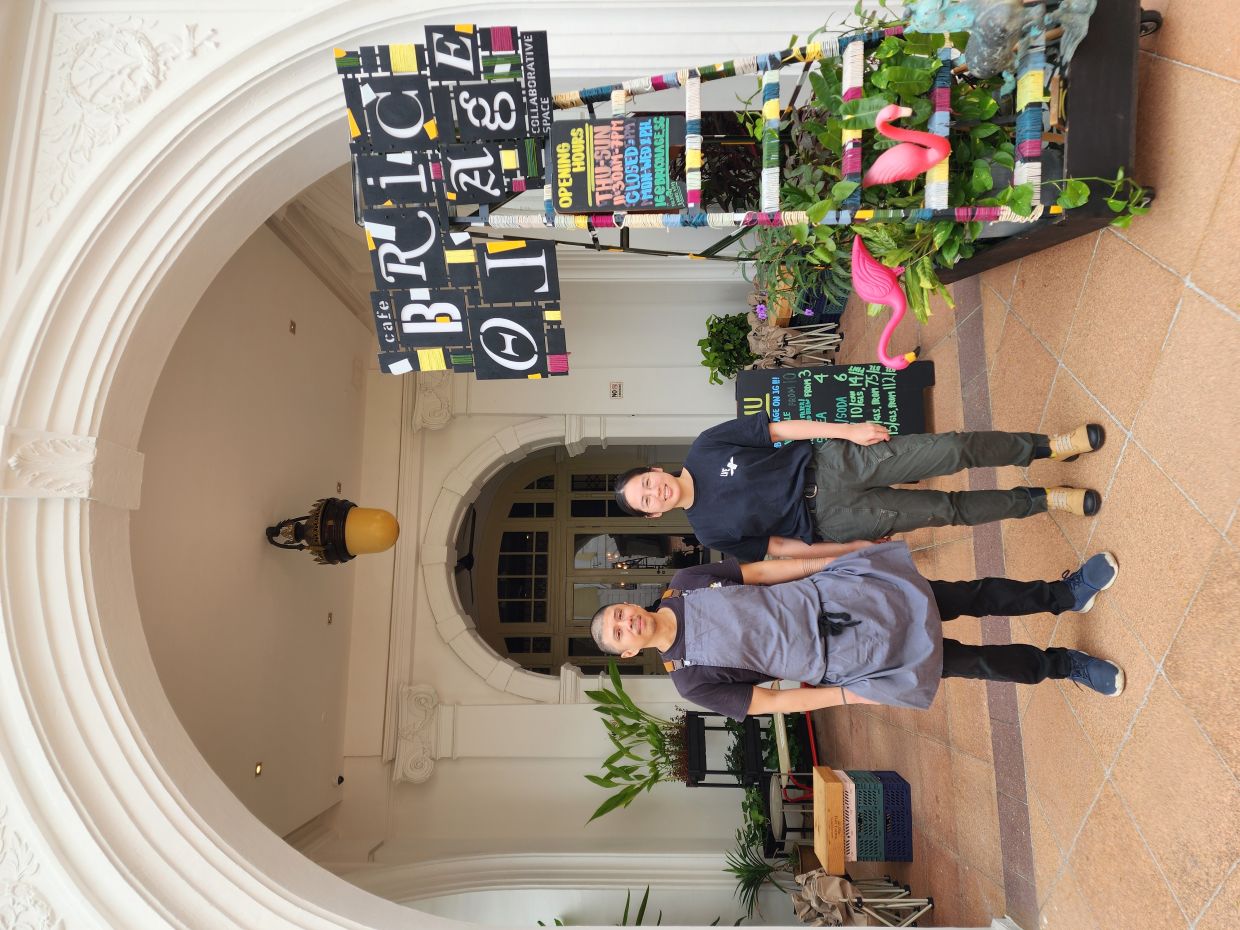
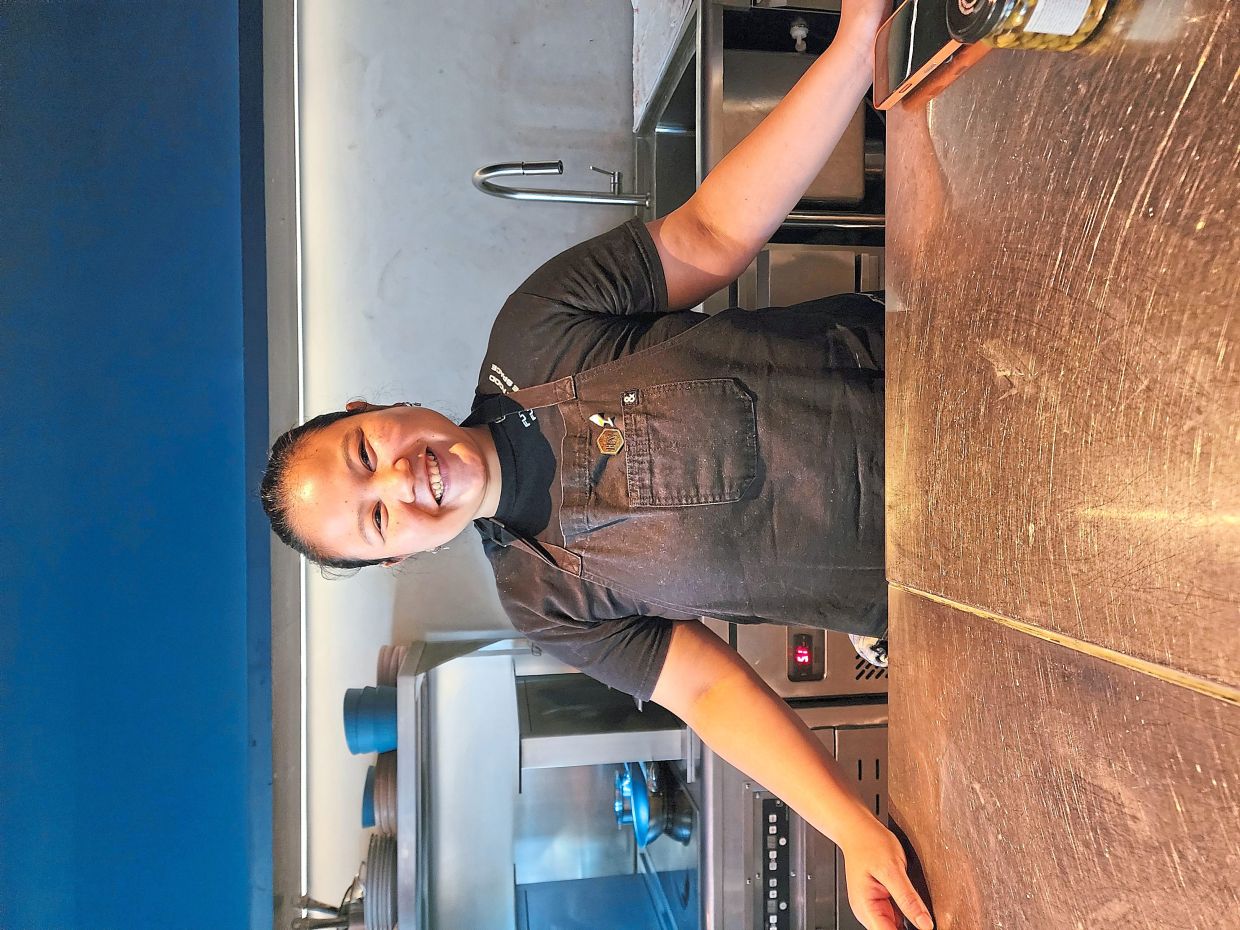
In Singapore, some pioneering restaurants are already leading this charge. At Cafe Bricolage for instance, co-founders Sarah Shum and Russell Nathan are doing something quite curious and seemingly strange.
The two serve up a rotating menu made up of 90% vegetables and fruits that are gathered from surplus produce or ugly produce (typically rejected by suppliers and supermarkets) that they get from a small collective of farms that they work with in Malaysia, like Cameron Highlands’ Weeds & More.
Every week, Shum and Russell collect approximately 15kg of excess vegetables from Weeds & More, which is run by Leisa Tyler. Tyler grows predominantly Western vegetables like radicchio and heirloom tomatoes, which are often sent to fine-dining restaurants in Kuala Lumpur, Penang and Singapore.
“Basically, our arrangement with her is that we have a budget every week and she sends whatever surplus the farmers have. And it really ranges from a lot of European cold climate vegetables that they specialise in, like Swiss chard, cauliflower and sometimes broccoli and tomatoes. Sometimes we also get local vegetables like bitter gourd.
“So it’s a mixed bag from week-to-week and we just have to make the best of it,” says Shum.
Russell and Shum also practice full utilisation cooking, which means they try and make use of every single part of every vegetable or fruit that they get, most often using shelf-lengthening techniques like fermentation.
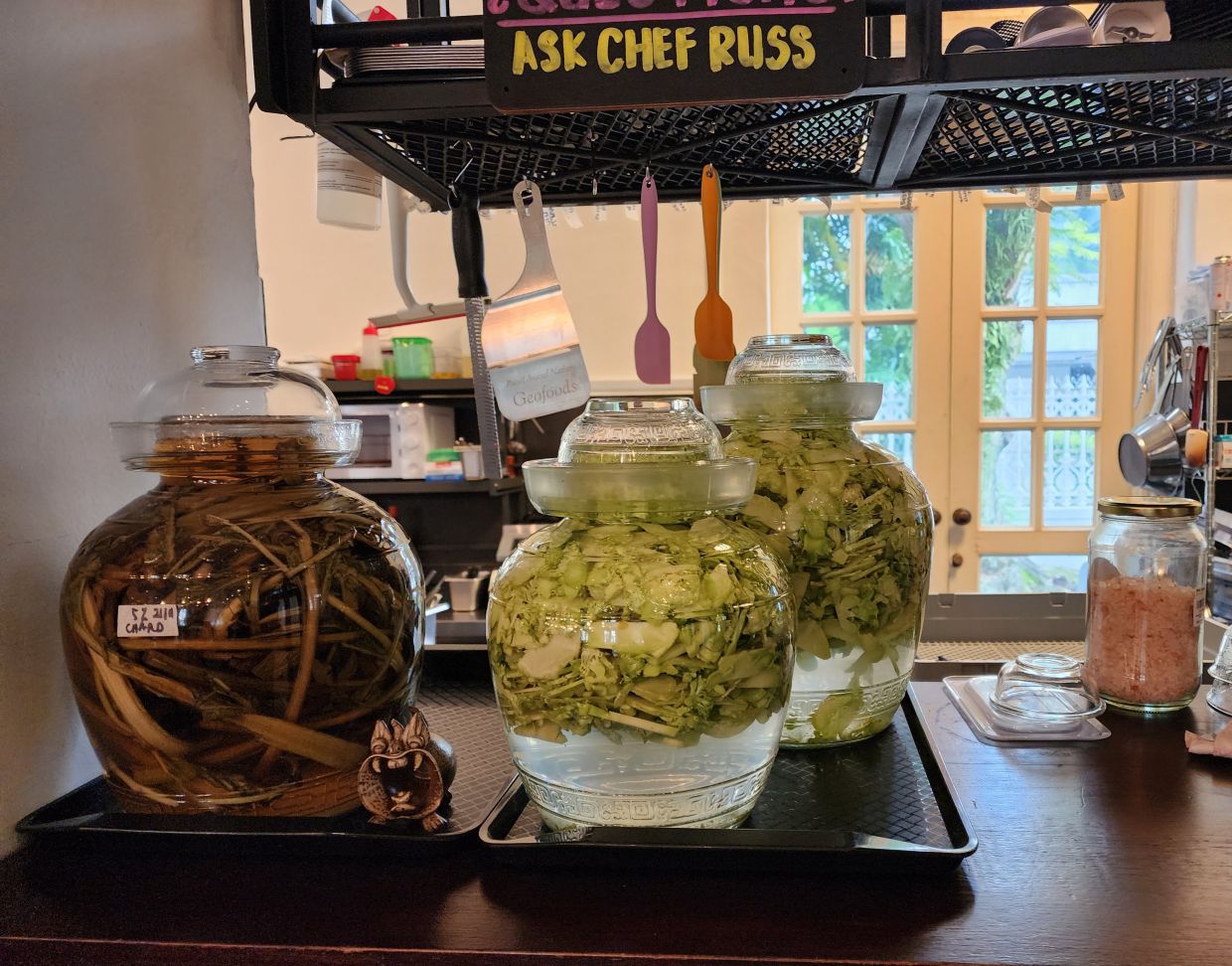
“This involves a lot of preservation techniques, which most people may not be familiar with in their day-to-day lives like goji fermentation, kombucha fermentation and lacto-fermentation. We also do a lot of drying, salting and sometimes smoking too.
“So these techniques are quite important in full utilisation cooking because it enables you to transform flavours and textures – it can help make things that were inedible or not very palatable on its own into something that is really tasty that you can put on a plate.
“So yeah, we do a lot of creative cooking techniques, like right now we are fermenting Swiss chard stems and broccoli stems,” says Shum, laughing.
Given their unusual penchant for wanting to work with produce that many people consider past their prime or less appealing, the restaurant has also become a space where suppliers sometimes send overripe fruits, like bananas, which the duo then work to transform into long-lasting dishes like banana kimchi, banana caramel and even banana jerky.
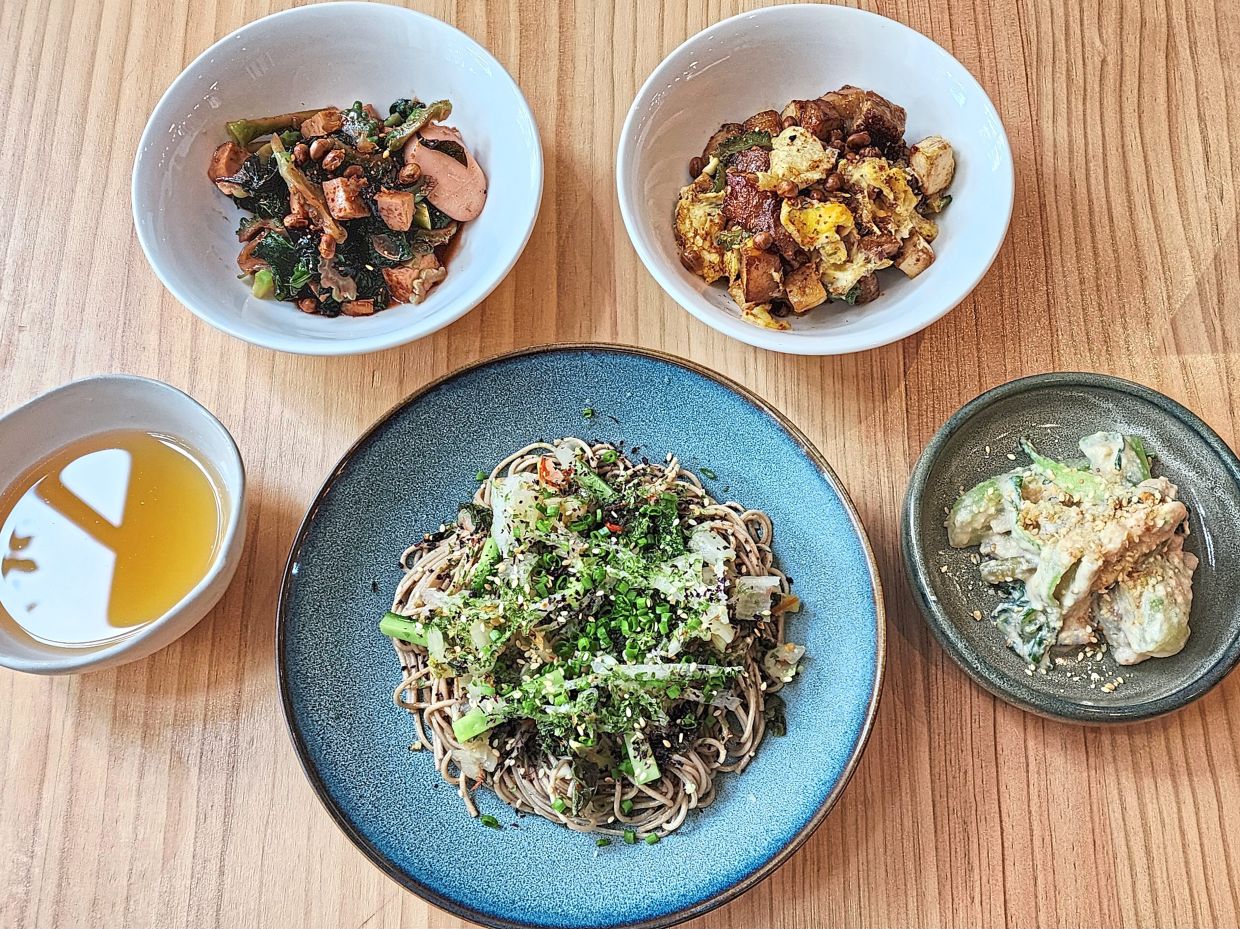
To make it even more interesting, despite all the work that is put into the meals, the restaurant’s plant-dominant set lunches are offered on a pay-as-you-wish basis.
While Shum and Russell do provide a recommended contribution to give people an idea of their real costs, their bigger goal is to introduce Singaporean diners to a wider range of vegetable-focused meals and save surplus produce that would otherwise be discarded.
“Our intention really is to democratise sustainability and healthy dining. Because in Singapore, especially, it’s usually something that you will find in more atas or higher-class dining establishments. But we just feel that it shouldn’t be the case.
“Everyone should have access to healthy food that’s good for you and that’s tasty at the same time. And so that’s why we decided to pursue this format,” explains Shum.
What Shum and Russell are doing will probably be perceived as crazy to many other people, but it’s one of the many ways that restaurant owners and chefs can approach sustainability in a realistic, workable way that actually shifts thinking away from a focus on premium ingredients to what’s available and would otherwise be wasted.
Throughout Singapore, a few innovative restaurants and bars are tapping into sustainability in different ways. At Fura for instance, science and future-forward innovations are applied throughout the restaurant. Manager Mulia Rahman says that one of the interesting things the restaurant is doing is actively utilising invasive and prevalent species, like jellyfish.
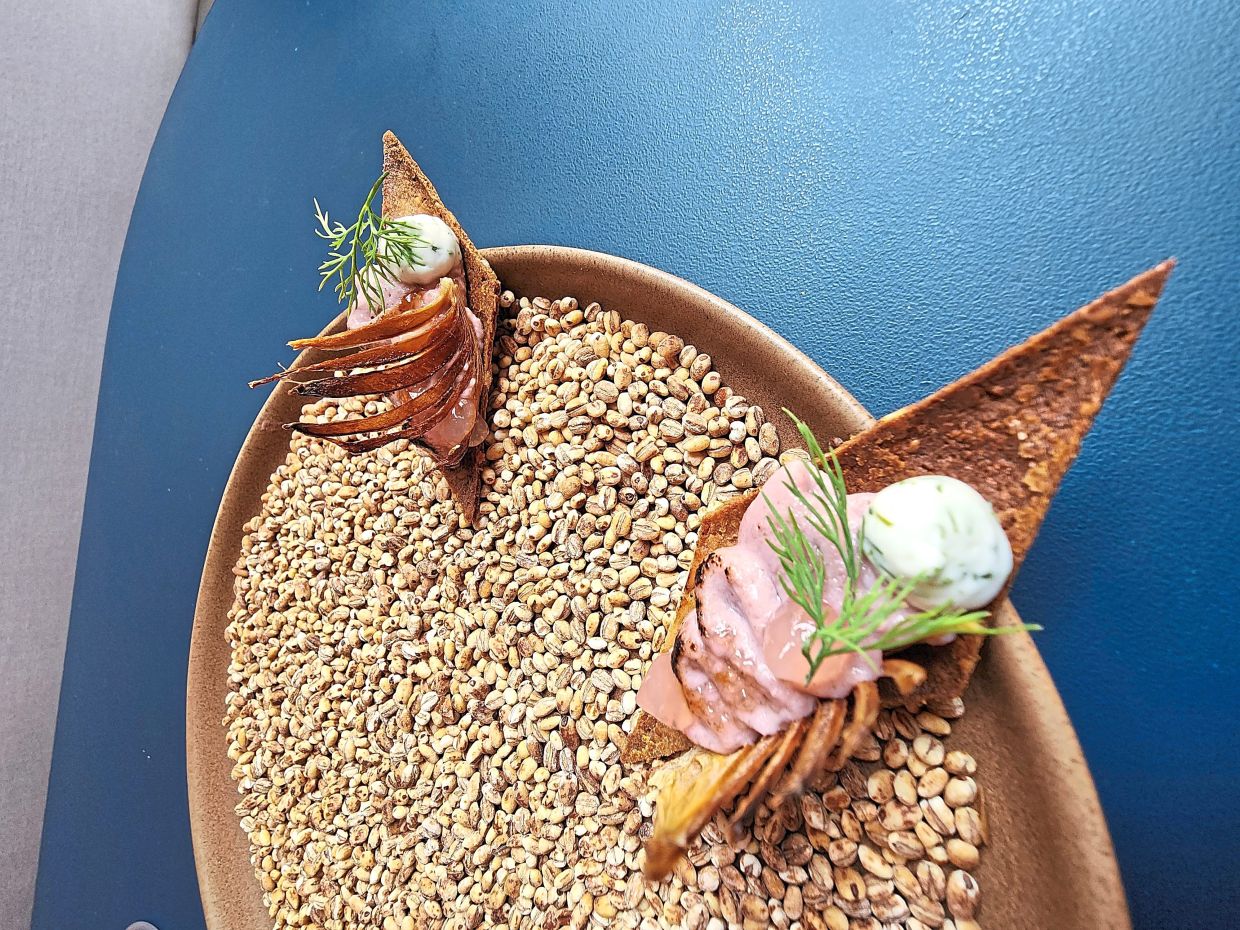
“Jellyfish are invasive because they produce such high oxygen levels that it just kind of kills the other species in the ocean. So how we want to actually introduce it is to tell people it is fine to eat them. So with the jellyfish, we do a jellyfish ceviche and we also serve a jellyfish-based drink,” says Mulia.
Fura is also one of the first few restaurants in South-East Asia to work with cultivated proteins like cultured quail i.e. quail that has been cultivated via extracted stem cells and represents the future intersection of science and technology in the food that we eat.
The restaurant also incorporates proteins of the future, like insects, into interesting-sounding dishes like grasshopper croutons.
“We had some challenges with introducing bugs on our menu, because we had to get a license to serve it and authorisation from the Singapore Food Agency. So we had to wait six months to get the license before we could even serve it on our menu!” says Mulia.
The drinks menu also utilises unwanted ugly fruits like strawberries and peaches as well as overripe fruits that have been rejected by other restaurants, which are then used to create in-house drinks.
Restaurants like Cafe Bricolage and Fura may be the test tube babies of their time, but a decade from now – they could very well represent what diners of the future will be consuming.
And in this way, they play a pivotal role in building bridges to ease diners into these culinary transitions of the future.
“It may not happen in our generation, but for the generations that come after us, it is very possible that they will be eating this way,” agrees Mulia.