They are a common sight in many cities in Africa and across the global South: Small groups of street children, barefoot or in threadbare flipflops, roaming the streets in search of food or a bit of money that they beg from strangers.
Many are unwanted or unloved. Some were sent out to the mean streets by their parents to bring in some income, be it by shining shoes, begging for cash or peddling small items like peanuts or single packs of chewing gum.
Some are little more than toddlers, others teenagers with tough eyes, sniffing glue or huddling under old parcels in the entrance of a shop or a dark corner of a parking lot at night.
"In the beginning, we used to go to the streets and pick them up," Njenga says.
But nowadays Shangilia, as the project is also called, is working with Nairobi Children's Home, a government institution, where they receive street children rounded up by the police.
The conditions are not great in the overcrowded home, where harmful habits from the street can easily continue. While Shangilia cannot take in all needy children, currently about 300 former street kids have found a home there.
"Our first priority is to get them out of that environment," Njenga says. "A child who is 12 or 13 years old has seen more than a 25-year-old in normal life. For a boy in the streets, it is almost impossible to celebrate the 18th birthday."
"They get killed very, very easily," Njenga says.
As for the girls, many of them have run away from physical and sexual abuse, only to end up in prostitution or early pregnancy.
Founded in 1994 by Kenyan actress Anne Wanjugu, the goal is to bring former street children back into school, help them to leave the burden of their earlier years behind, and prepare them for a life according to their skills and abilities.
Wanjugu was the lead actress in a movie about street children, playing side by side with young amateurs who were actually living in the streets of Nairobi. She was so touched by the experiences the children had been through that she decided to build a home and a school for such kids.
What began as a simple shack in Kangemi, one of Nairobi's slums, has turned into a green oasis settled between a slum and the prosperous neighbourhood of Loresho, home of affluent Kenyans and expats.
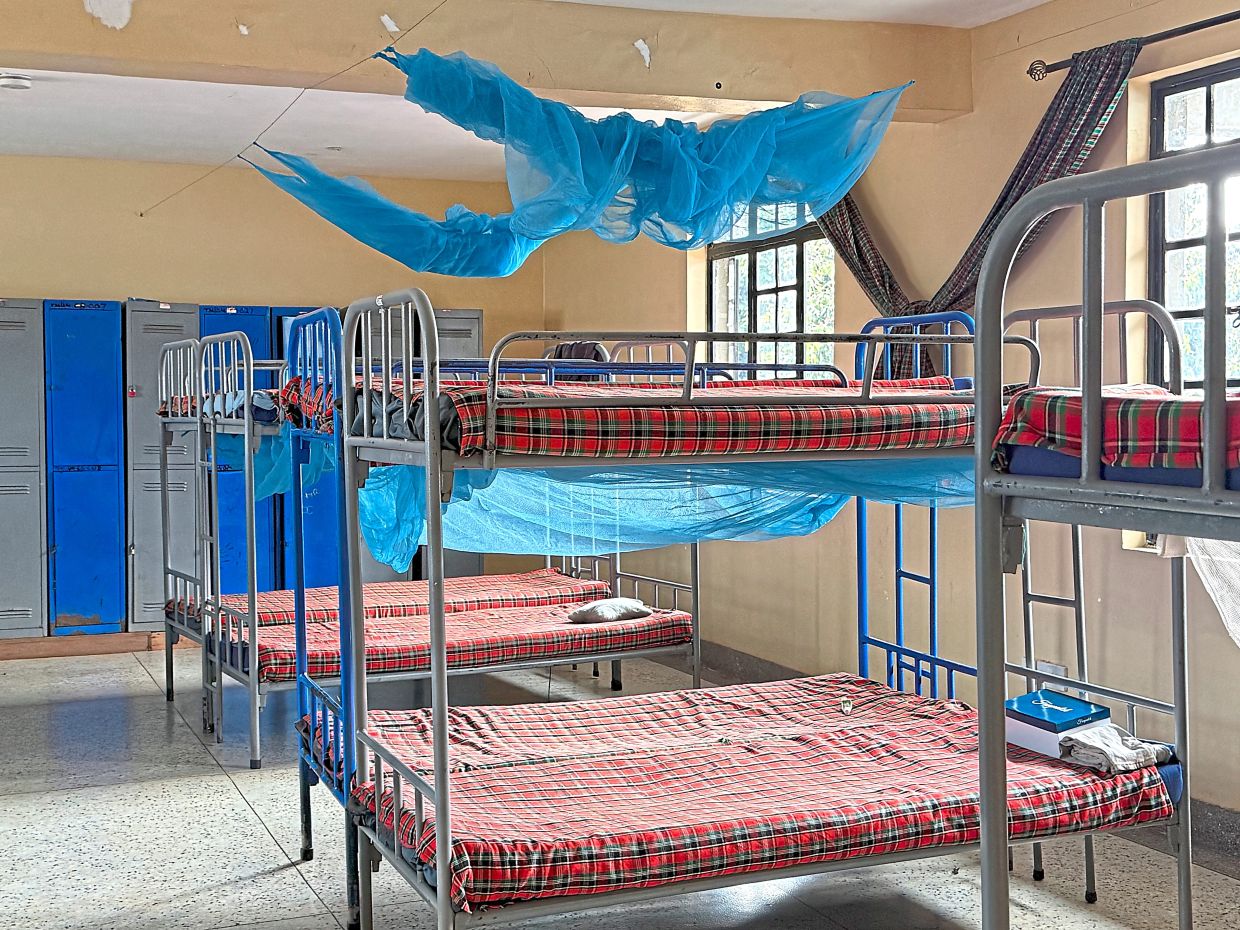
Dorms with stock beds accommodate groups of up to 20 children. The round structure of the main building is supposed to remind one of the traditional round huts in an African village of old.
A central part of Shangilia, as the home is called, is the stage. Performing arts are a big part of the project.
"It's a very good tool for rehabilitation," Njenga explains. "You see, these students from the streets are natural actors."
Street children honed their skills to read to strangers and decide on how to approach them – with a smile, a sad puppy look or aggression – to get some money.
The performing arts also boosts the children's self-esteem and helps them to focus on a task.
Usually, children come to Shangilia at a young age, up to about eight years, Njenga says. For them, there is still a chance to reverse the damage of time on the streets, to teach them to be children again. For older children this is often almost impossible.
But even coming to the home at a rather young age, in the eyes of some of the teenagers, remnants of the streets are still visible. Others run around laughing and yelling with shining eyes and big smiles.
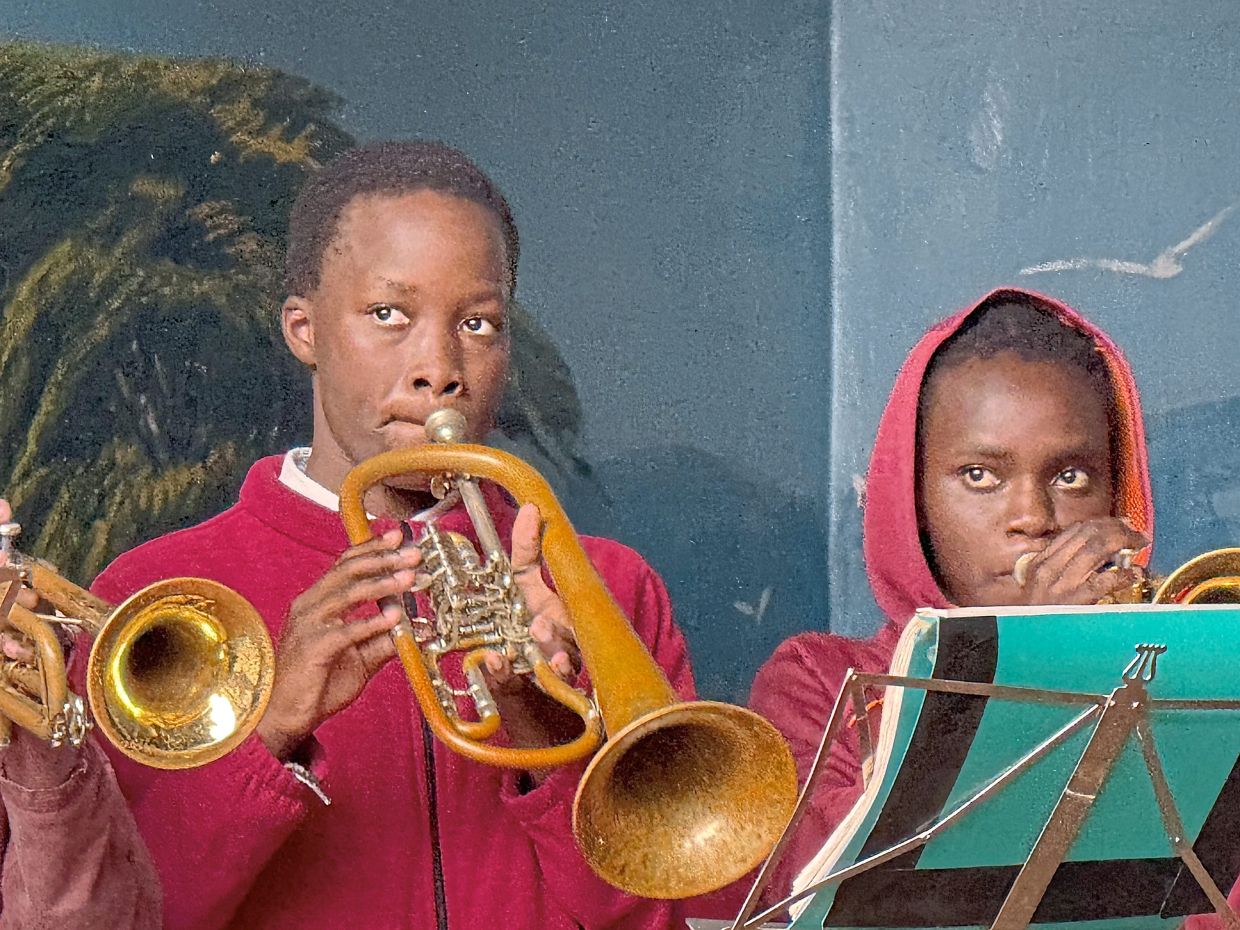
Lorena, 15, and the children's representative at school, might appear a bit shy at first. But the girl with the short-cropped hair who loves playing the trumpet in Shangilia's brass band has a very clear vision. She does not want to talk about the past, but she wants to give back in the future.
"My dream is to become a doctor," the young student says. "Or, if that is not possible, maybe become a social worker. I would love to work with people and help them."
In a country like Kenya, where only the first eight years of primary school are free, academic ambition can be costly. But Shangilia is supported financially by a small association in Germany. The members collect money for education to put gifted children through secondary school and university or a college. Other children get help to get into some professional training.
Some of the former kids in Shangilia have become doctors and lawyers, others are working as hairdressers or drivers. A few are now working in the project and support children whose past is similar to their own.
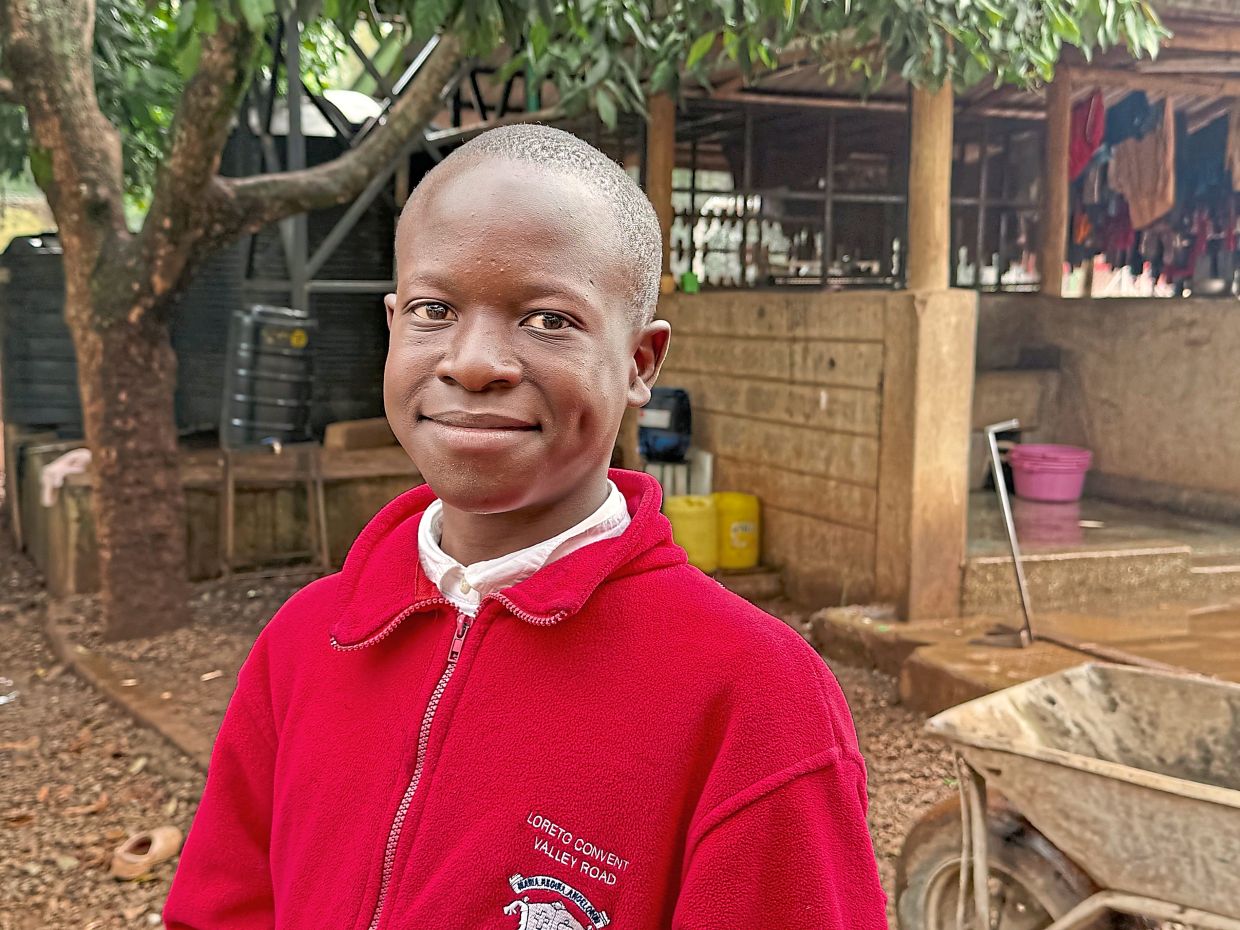
Jabali, 13, dreams of becoming an engineer. The boy is a bit of an inventor – he loves to build something new from spare parts and always carries some notes of projects that come to his mind "so that I don't forget about them until I get the material I need".
On a sheet of paper he has drawn engines, cars and even plane parts. Looking into his eyes, you can see big dreams – and no longer the despair of the streets. – dpa