The lure of visiting the land of my forefathers was too strong to resist when a tour agency organised a trip to Sri Lanka. The place I most wanted to visit was Jaffna, in the island’s northern region, where my father spent his childhood. After completing his studies, he sailed to then-Malaya in the 1930s in search of a better life.
Upon arriving at Negombo Airport, our group travelled by coach to Anuradhapura for an overnight stay before continuing to Jaffna the next day.
The journey revealed a road system reminiscent of Malaysia some 60 years ago. There were no highways, only trunk roads. Unlike the winding roads of old Malaysia, however, these were relatively straight, though overtaking was difficult as most had only two lanes.
The driver had to observe the speed limit strictly, as hefty fines – or even licence revocation – awaited offenders. Traffic policemen were stationed at intervals along the route, though without flashy patrol cars.
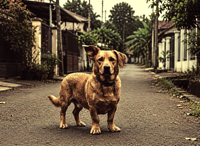
Along the countryside, herds of cows and buffaloes posed constant hazards, often wandering across the road as though it belonged to them. Our driver had to take evasive action countless times to avoid hitting them.
Mandatory stops every two hours allowed the driver to rest. For us older travellers, the breaks were equally welcome for coffee, tea and the inevitable toilet visit.
While roadside restaurants looked attractive from the outside, with eye-catching signboards, their toilets were often in a sorry state.
One had to practise deep breathing to endure them. It made me appreciate the petrol stations and Rest and Recreation areas back home in Malaysia, where clean and functional washrooms are the norm.
Jaffna itself felt like a step back to village life in Malaysia during the 1960s and 1970s. Bicycles, motorcycles and autos dominated the narrow lanes.
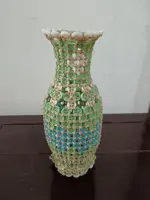
During a one-kilometre walk through a village in search of a pottery workshop, I noticed a woman carrying a bundle of dry twigs tied to the back of her bicycle. She explained they were for firewood – a sight that brought back memories of firewood deliveries to my home in Raub during the 1960s.
Many homes still rely on wells for water, some using pumps to channel it into their houses. The hotel we stayed in looked impressive from the outside but proved disappointing, with mosquitoes and flies aplenty – a reminder of life in government quarters decades ago.
Jaffna town itself was lively but simple, filled with small traders and devoid of high-rise buildings. The hardworking people exuded resilience. I bought several kilos of the region’s famous red rice and flour to bring home.
The food was unforgettable – puttu, string hoppers, thosai, idli, curry crabs, coconut chutney, fried brinjal, paal appam and the fiery seafood broth known as Jaffna kool.
Travelling south-west to Colombo presented a stark contrast. The capital, with its skyscrapers, traffic and bustle, felt much like Kuala Lumpur. Yet across every town we visited, one feature remained the same – the colourful public buses, painted in bright reds, blues and purples, their windows wide open and packed with passengers.
The trip was an eye-opening glimpse into life in Jaffna and the resilience of its people – a journey down memory lane that I will cherish for years to come.