
German nature specialist Markus Port loves his job protecting the lynx.
"It's a great feeling when you open the door and release the animal into the vastness of the Thuringian Forest," he says of the moment when he and the team at BUND Thuringia, an environmental and nature conservation group, release a brush-eared lynx back into the wild.
He is looking forward to many more enlivening moments this year, as the organization and its partners plan to liberate a number of lynxes in the heart of Germany.
They seek to stabilize the population and ultimately save the wild cat from a grim fate, as these predators are on the endangered list in Germany and conservationists fear for their future.
People hunted lynxes for a long time, and by the mid-19th century, they were considered extinct in Germany and neighbouring countries.
It is unclear how many lynxes are now living in Germany. NABU Thuringia, in central Germany, is among the groups monitoring the big cats. It estimated in the summer that around 15 adult lynxes roam through Thuringia, with a maximum of 160 in the whole of the country.
"Alarming loss"
Targeted reintroductions in the Thuringian Forest are intended to connect isolated populations in Bavaria, Saxony, Saxony-Anhalt and Lower Saxony and refresh their gene pool.
The Senckenberg Society for Nature Research noted the loss of genetic diversity in isolated lynx populations in Germany, calling it alarming back in 2022.
To counteract this, lynxes captured in Romania and other parts of Europe are to be relocated to Thuringia in the coming year. Plus selected lynxes from breeding programmes are to be released into the wild there, too.
"It's particularly special when it's an animal that was born in captivity and then released into the wild," Port says.
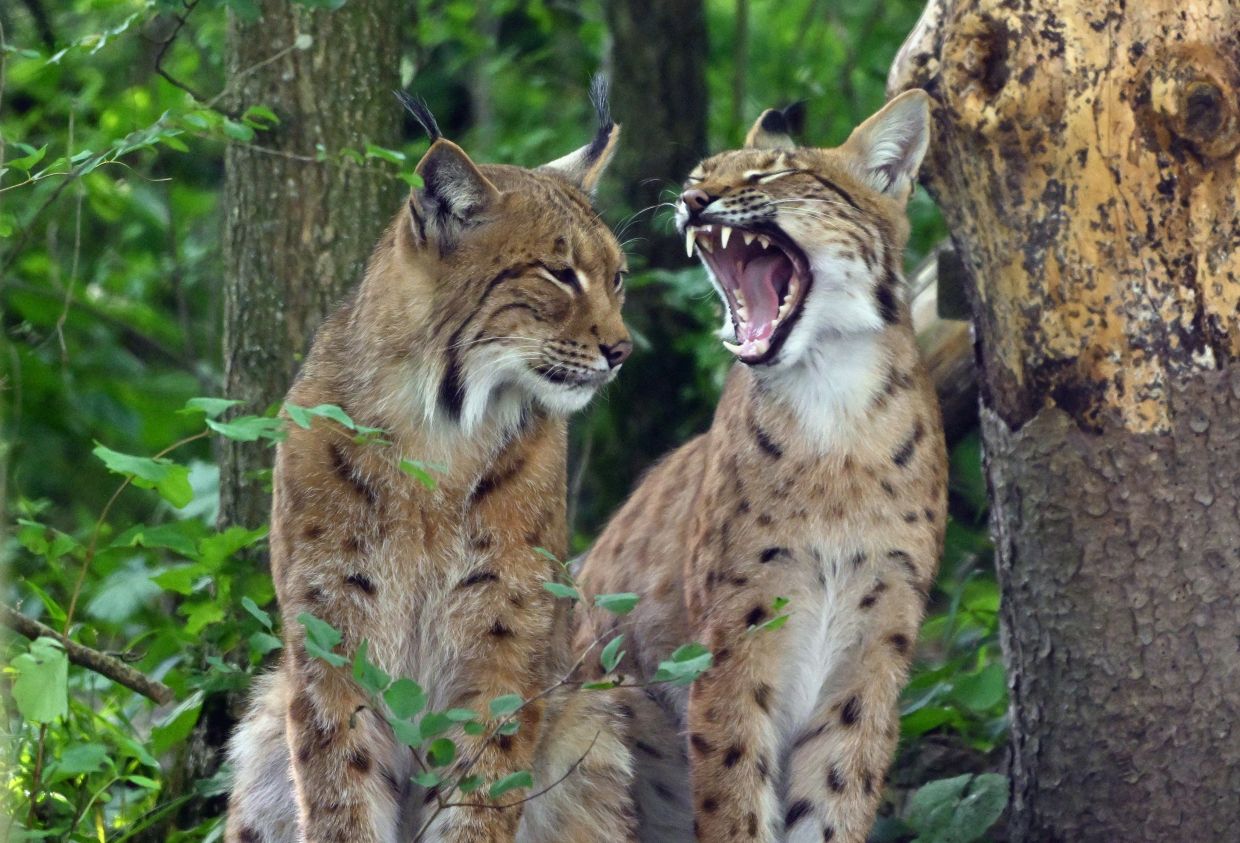
No female lynxes with offspring to be captured
Port does not want to commit to an exact number of releases for 2026 as, especially with wild catches, it is not always clear whether they will be successful within the small time window when you may remove the animals from the wild. "We don't want to catch a female lynx that has cubs," Port says firmly. "Overall, we are on the right track."
The state BUND group says six lynxes have been released into the wild in the Thuringian Forest since the beginning of 2024. Evidence of offspring and proof from camera trap images confirm that the strictly protected lynx is increasingly gaining a foothold in Thuringia.
By the end of the project in 2027, a total of up to 20 lynxes are to be released into the wild. Port hopes that the project will be extended, partly so that developments can continue to be monitored, using GPS transmitters in the animals' collars.
Problems include disease - and not being sufficiently shy
However, there have also been setbacks. Port says a wild-caught animal was found to be ill, meaning it could not be released.
Then, a female from an enclosure breeding programme proved to be insufficiently shy, meaning that release into the wild would not have been justifiable. "We select the animals very carefully," Port underlines.
Even though it was not one of the lynxes released by the team, the loss of a male animal that had presumably migrated from Bavaria is particularly sad. A male, christened Baron, was found severely emaciated in Thuringia, nursed back to health and released into the wild.
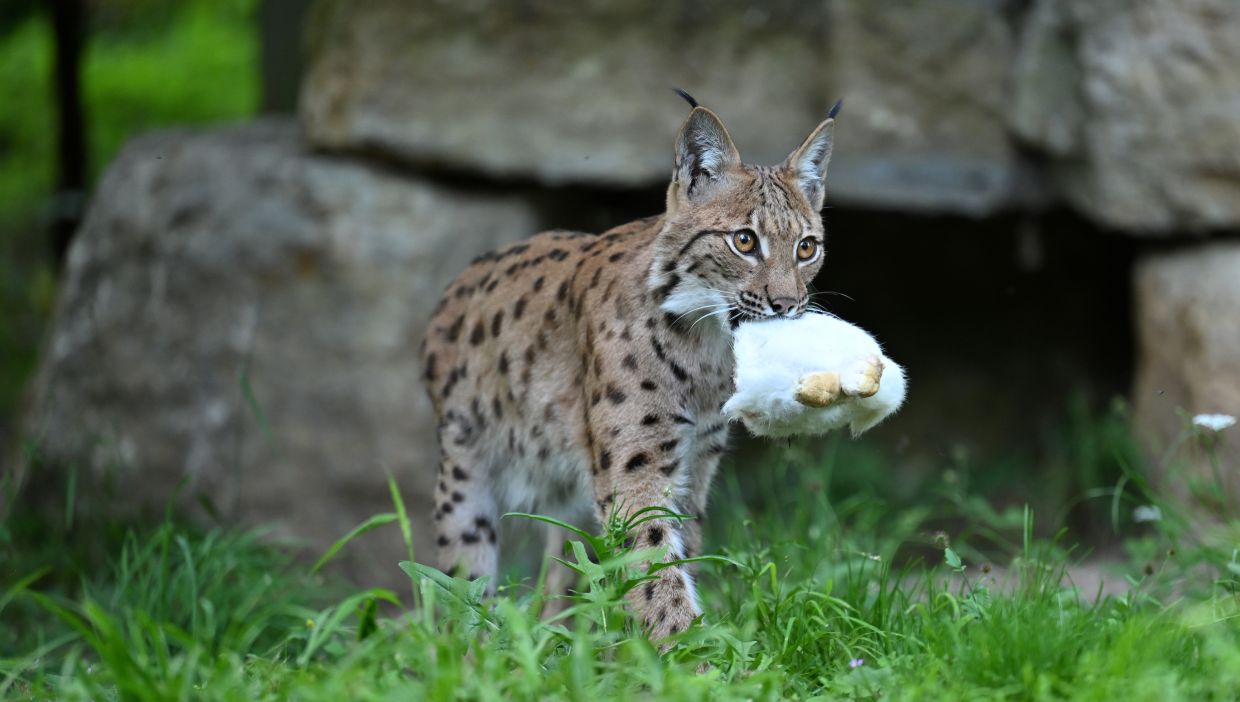
Sad end after second chance
But weeks later, he was found dead next to railway tracks, presumably after being hit and injured by a train. "The loss of a lynx is always a sad moment," Port says.
But Baron's case was particularly tragic because he had grown dear to many people's hearts. "Everyone involved was happy to be able to give the young lynx a second chance at life in the wild."
Baron's fate also highlights another major threat to the brush-eared animals, namely encountering trains and cars. These can be fatal for the animals, as roads and railways cut through their habitat and make it difficult for the lynxes to reach each other and thus produce more offspring.
A way to help could be to cut road construction in lynx areas and building green bridges, the Federal Agency for Nature Conservation suggests. – By Marie-Hélèn Frech/dpa