The eve of Chinese New Year holds significant meaning for most Chinese families, as this is the day that entire families come together for the long-awaited CNY reunion dinner. Designed to bolster family ties and usher in an auspicious new year, the soul of the dinner is a table heaving with specially selected dishes, all chosen to symbolise positive elements.
On the table, there is always one mainstay that never goes out of fashion: fish. A central feature for CNY, fish is a festive staple simply because of its connotations to prosperity.
The Mandarin word for “fish” is “yu”, which sounds very similar to the Mandarin word for “abundance” (also “yu”) and this homophone element is what connects these two in an intertwined, deeply powerful relationship that holds strong cultural significance for the Chinese community.
Many people also use the greeting ‘nian nian you yue’, which means “May you have surplus year after year.”
Chef Vincent Yip, the head chef at renowned Chinese restaurant Grand Harbour at Fahrenheit 88, says that because of the tradition surrounding fish consumption, it is a must-have at most Chinese restaurants and homes come CNY.
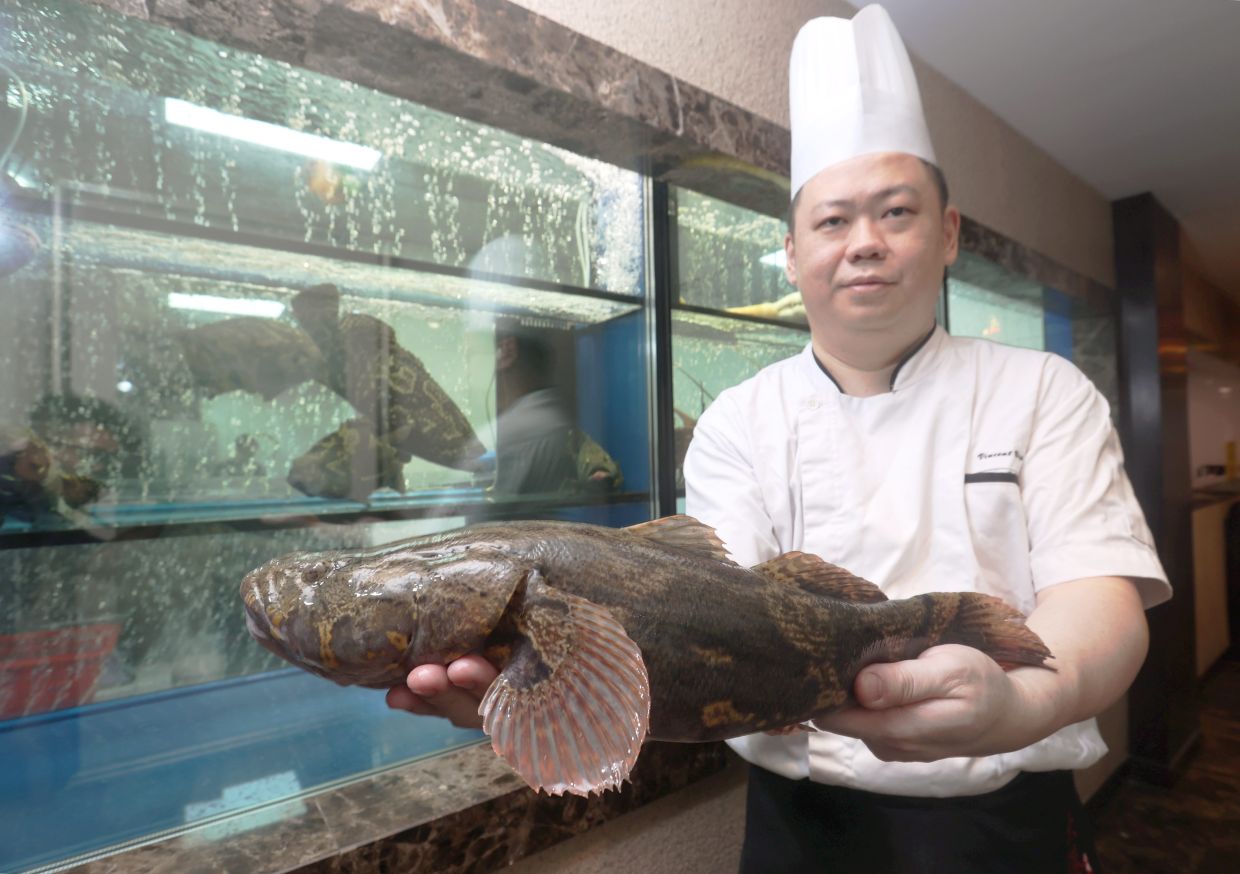
Yip is an award-winning Cantonese chef who has raked in gold awards at competitions like the World Master Chefs Competition for Cantonese Cuisine.
“Fish is very important during CNY because it symbolises ‘extra’. So eating fish is like getting extra money, extra prosperity – everything extra lah,” says Yip, laughing.
During CNY, fish is typically served whole with head and tail intact to symbolise a good start and finish to the year. The belief is that the larger the fish, the more blessings people will receive. Often the head of the fish is angled in the direction of the oldest or most revered person at the table – signifying respect. Some people also believe in leaving some of the flesh when partaking in the meal so that there will be leftovers in the coming year.
In terms of fish dishes to serve, Yip says that one of the best things about cooking a fish dish for CNY is that this aquatic animal is incredibly versatile and serves as a base protein for multiple cooking styles.
One of the most traditional, simple Cantonese recipes that home cooks can make is a steamed fish with soy sauce. This recipe highlights the attributes of the protein to the fullest effect without layering on too many additional elements. Yip recommends applying this cooking style for more premium fish like soon hock (marble goby).
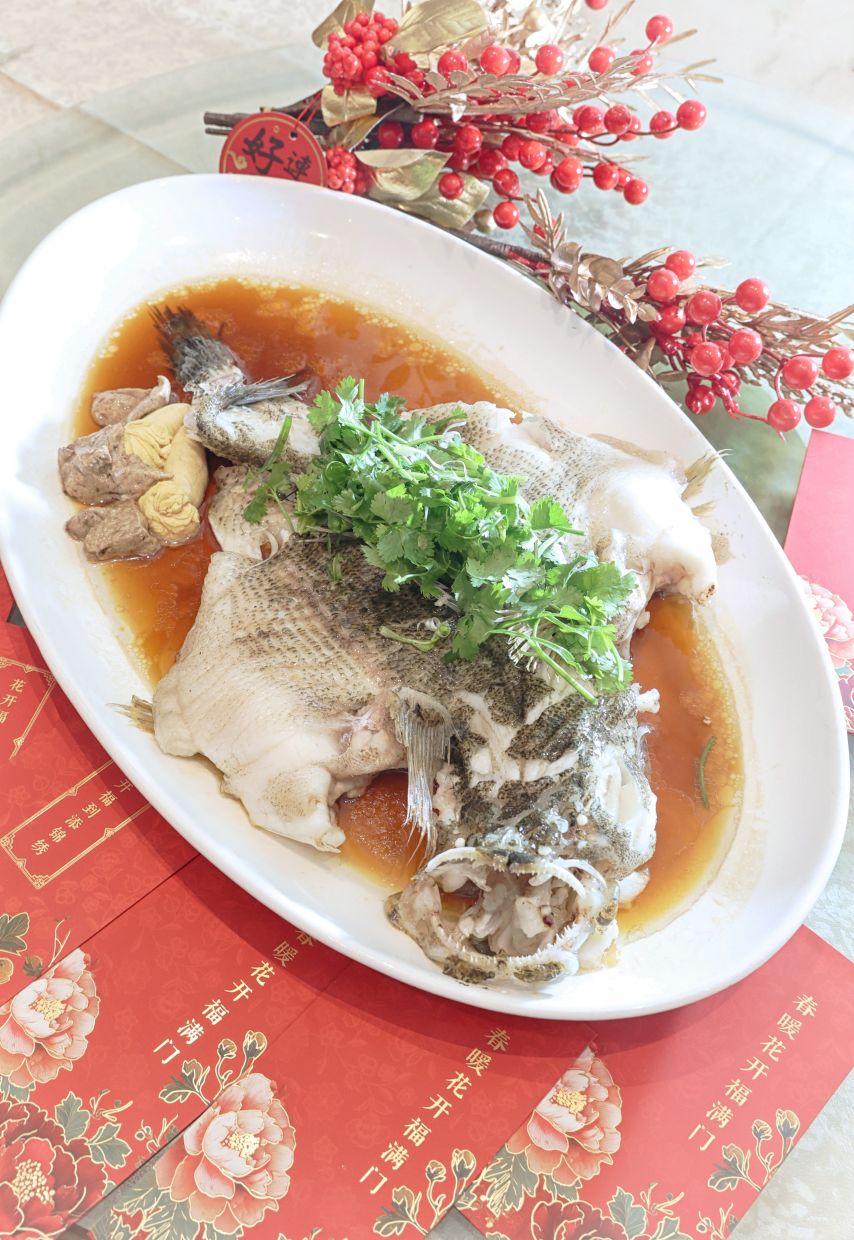
Yip also makes a delicious steamed tiger grouper with Hainan yellow lantern chilli sauce. Hainan yellow lantern chillies grow mainly in the southwest and southeast of Hainan island and in Yip’s recipe, the fermented chilli sauce drapes a fiery cast over the fish, giving it heat, spice, a touch of acerbity and funk, followed by a final, sweet flourish.
Although CNY is traditionally dominated by whole fish, multiple other recipes that make use of different parts of fish can also be utilised, either on their own or as supplements to the meal.
Yip’s claypot patin fish with yellow wine, for example, features slices of patin, a river fish found most widely in the northern state of Pahang in Malaysia. In this recipe, fish pieces are braised in a claypot with Chinese yellow wine, lots of crushed ginger and garlic, baby shallots and bird’s eye chillies. As a result of the Chinese wine in this amalgamation, the fish doesn’t have the rustic, riverine undertones so familiar to most Malaysians. Instead, it has been offset by the sweetly, lightly alcoholic qualities of the wine and the strength of the garlic and ginger in this configuration.
Another dish that makes use of fish slices is Yip’s simple, fuss-free dish of grouper slices that are lightly poached and then stir-fried alongside macadamia nuts, bamboo shoots, black fungus, lotus root, celery and snow peas.
“This is a lighter, healthier dish that can be served at CNY to offset the heavier meat and chicken dishes,” says Yip.
Yip also makes use of grouper head and belly to put together a hugely addictive dish filled with red chillies, scallions, spring onions and copious amounts of crispy fried garlic.
“This is a dish that younger people will definitely appreciate because they really like fried food. And it goes really well with alcohol too,” says Yip.
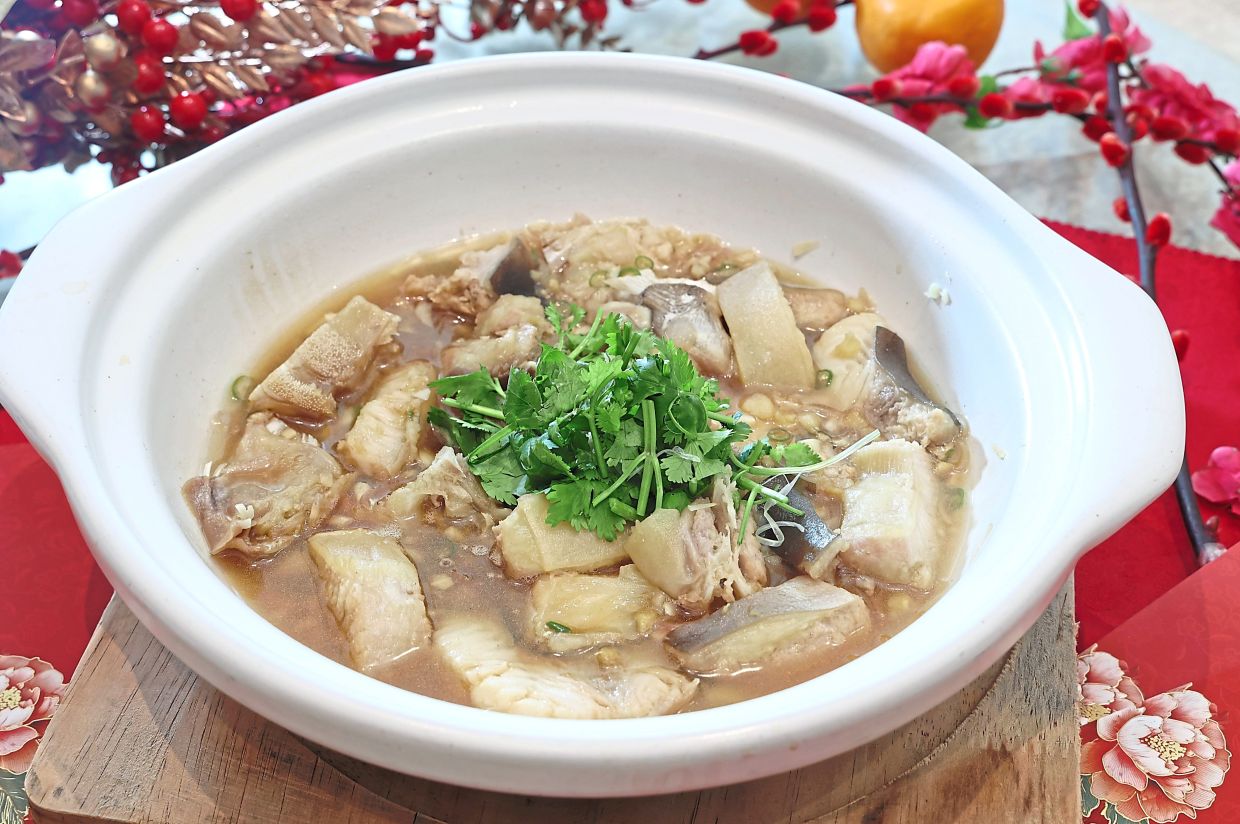
CLAYPOT PATIN FISH WITH YELLOW WINE
1 patin fish, cut into large pieces
60g ginger, sliced
60g garlic, sliced
60g shallots, sliced thinly
60g green chillies, cut thinly
200g Chinese yellow rice wine (Huang Jiu)
400ml oyster sauce
40ml light soy sauce
1 tsp sugar
To make
Heat a large claypot until hot. Add some oil, then add ginger, garlic, shallots and green chillies and stir-fry until fragrant and the shallots are translucent.
Then add yellow wine, oyster sauce, light soy sauce and sugar and mix well.
Add the fish and coat evenly with the sauce. Cover and cook for about 15 minutes until the fish is cooked through.
Serve hot in the claypot.
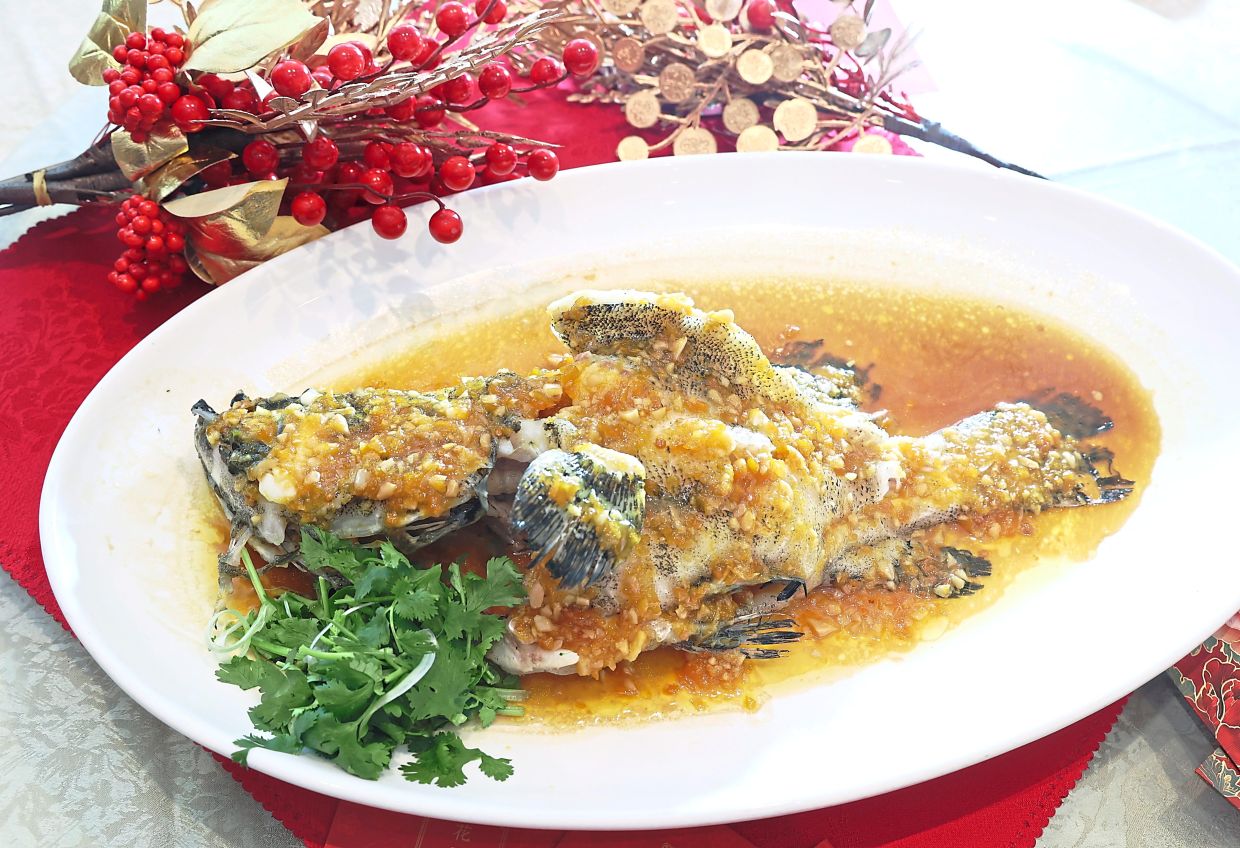
STEAMED TIGER GROUPER WITH YELLOW LANTERN CHILLI SAUCE
1.2kg whole tiger grouper, scaled and cleaned
250g yellow lantern chillies (available at major hypermarkets)
3 ½ tsp salt
2 tsp sugar
20g garlic
30ml white vinegar
50ml soy sauce
To make
Blend the yellow lantern chillies, salt, sugar, garlic, and white vinegar until smooth. Allow the mixture to ferment for one day.
Steam the tiger grouper until fully cooked. Spoon the yellow chilli sauce over the steamed fish.
Pour soy sauce underneath the fish before serving.
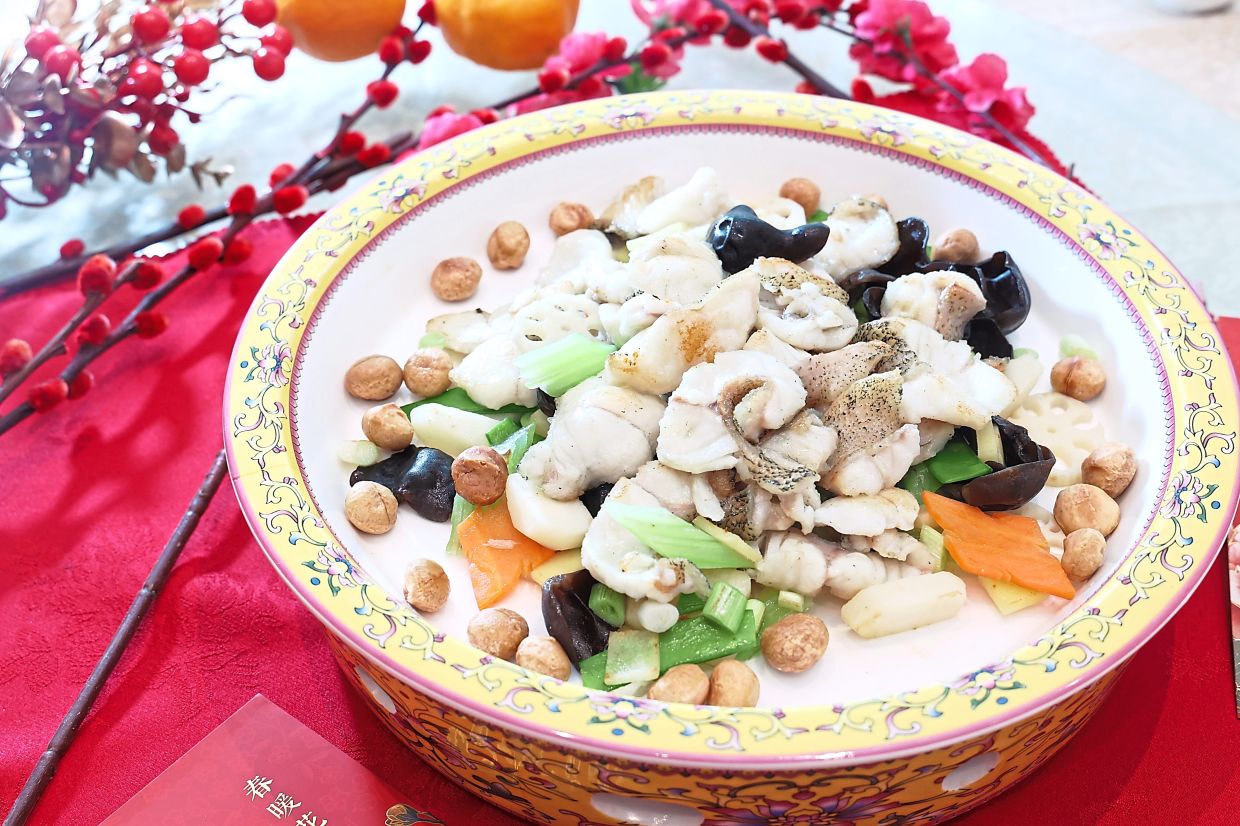
POACHED GROUPER FILLET IN LIGHT OIL
50g dried lily buds
50g enoki mushrooms
50g black fungus
50g water chestnuts
50g celery, sliced
50g snow peas
50g lotus root, sliced thinly
800g grouper fillet, sliced into 0.5cm-thick slices
salt to taste
1 ½ tsp chicken seasoning powder
1 tsp sugar
2 tsp sesame oil
To make
Soak lily buds in water and drain well.
Poach the grouper fillet until just cooked.
In a pan, add some oil and stir-fry all the ingredients with seasoning, then add the fish and toss gently to combine. Serve hot with rice.