
The camera looks down into dizzying depths as Magnus Midtbo struggles with diminishing strength across ice and rock on the Matterhorn.
His YouTube video of the 4,000 Swiss peak has been viewed millions of times and has triggered an avalanche of criticism.
The Norwegian influencer says he climbed to the summit, where hundreds of people have lost their lives, without any alpine experience and without a mountain guide.
Other digital influencers have also won attention by climbing the Zugspitze without preparation in recent months.
And just weeks ago, the Bavarian Mountain Rescue Service rescued two young hikers in the Allgau Alps who planned a challenging mountain tour in snow-covered terrain aided by TikTok.
"Social media is both a blessing and a curse for mountain sports," says Roland Ampenberger of the Bavarian Mountain Rescue Service. Instagram, TikTok and other platforms are not only sources of inspiration, but also media for hedonism and self-promotion, he says.
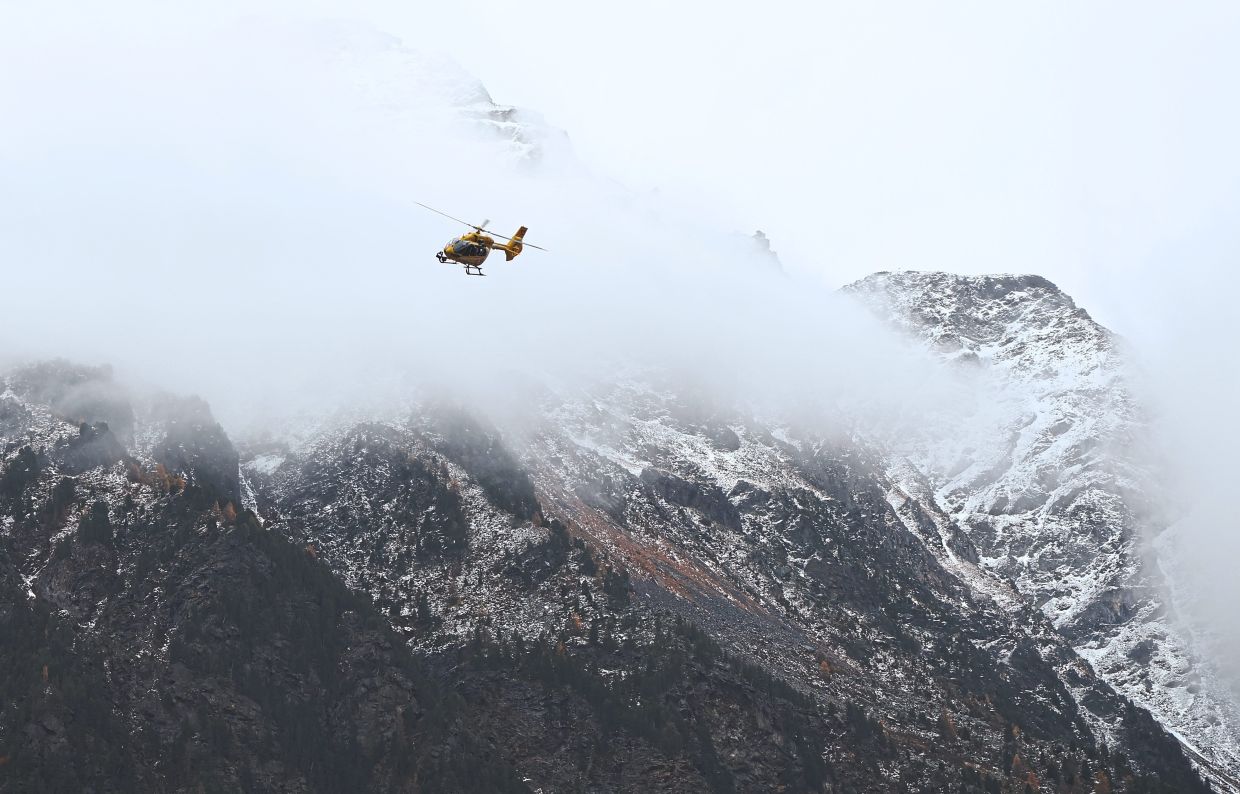
'The craziest thing I've ever done'
His video documents how he reached Germany's highest peak, the Zugspitze, unprepared and despite his fear of heights. Underneath the clip, the influencer encouraged his 1.7 million followers to tag other users of the platform with whom they would like to experience a similar adventure.
"It definitely encourages people to do things they wouldn't otherwise do," he says.
Midtbo is a successful sport climber, but he had no experience in high-altitude mountaineering before his Matterhorn tour. So, as he says in YouTube, this was his first time on a Swiss mountain with an ice axe in his hand and crampons on his shoes.
Fear of copycats
"If just 1% of the people who have seen this want to imitate it next summer, then we have a problem," says mountain rescuer Truffer.
"He was extremely lucky not to have had an accident," says Christoph Pirchmoser of the Austrian Alpine Club (OAV), who is also critical of Midtbo's trip.
Social media phenomena are an expression of our fast-paced times, he says.
"Everyone wants to do everything as quickly as possible," Pirchmoser says. People are looking for experiences that don't require much preparation. Summit videos are simply more attractive than videos of planning a mountain tour, says the expert in training and safety in mountain sports.
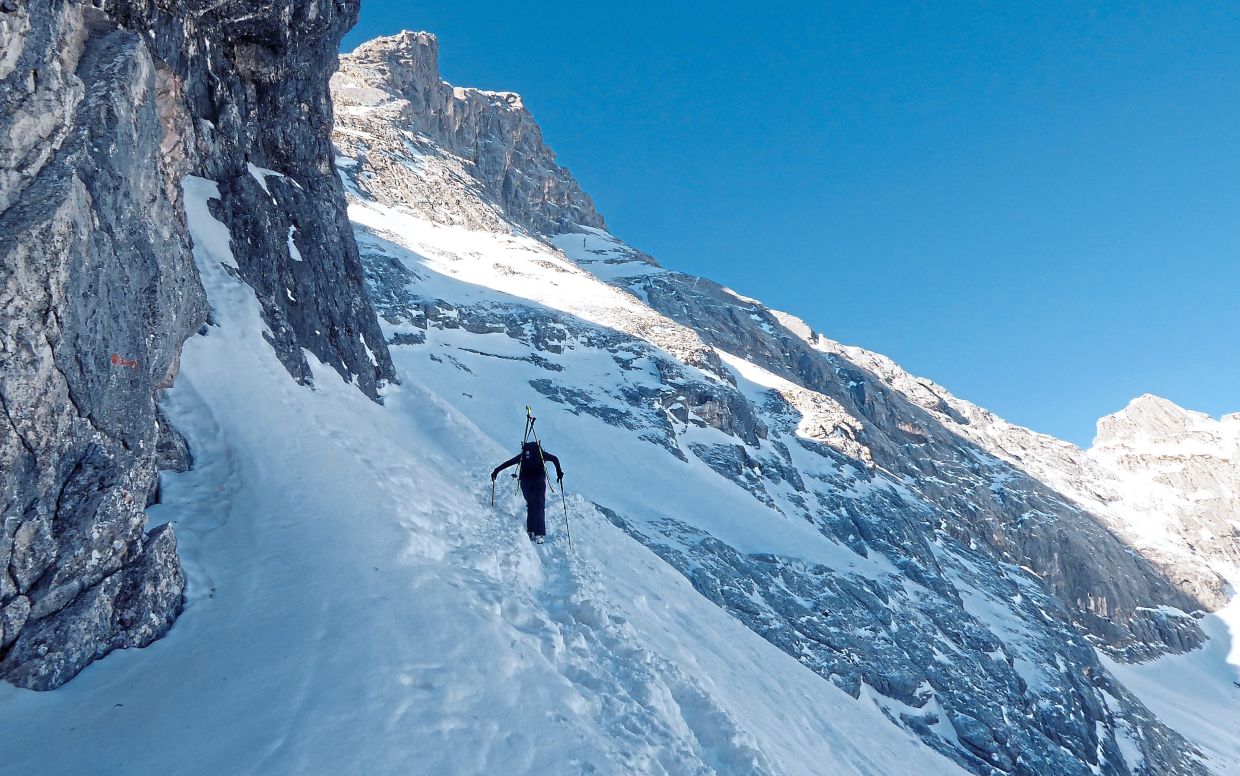
Generation TikTok
Alpine clubs in German-speaking countries are trying to counter this with their own social media content, posting updates on the current avalanche situation or other risks.
Pirchmoser says this approach is successful on YouTube and Instagram. But there is room for improvement when it comes to reaching younger target groups on TikTok, he concedes.
Stefan Winter, head of sports development at the German Alpine Club (DAV), does not see mountain influencers as a new trend, but rather as individuals in search of thrills.
"In the past, individual 'death-defying' individuals plunged down Niagara Falls in wooden barrels; today, influencers have to settle for the Matterhorn," he says.
But in the past, people would have built up their skills slowly, with greater respect for the mountains and nature.
"You didn't just blindly rush into things," he says.
The money factor
"I also don't want anyone to copy what I did or anything that I do on this channel."
Truffer slams Midtbo for posting the video despite these insights.
"Why? Because he's making money from it, of course," says Truffer.
He admits that mountain tourism areas also benefit from the promotional effect of social media.
"The more people, the more money," he says. – dpa