
Holiday sales can put Kristen Conti in a good mood. Whether it’s a bargain on home decor, designer shoes or a new purse, Conti, 60, said shopping makes her feel happy and alive.
"Black Friday is a killer for me; it’s like my Super Bowl,” she said.
"We make a pot of coffee, put the shopping channels on and overdo it,” she admitted.
Last year, however, she’s trying not to spend a dime.
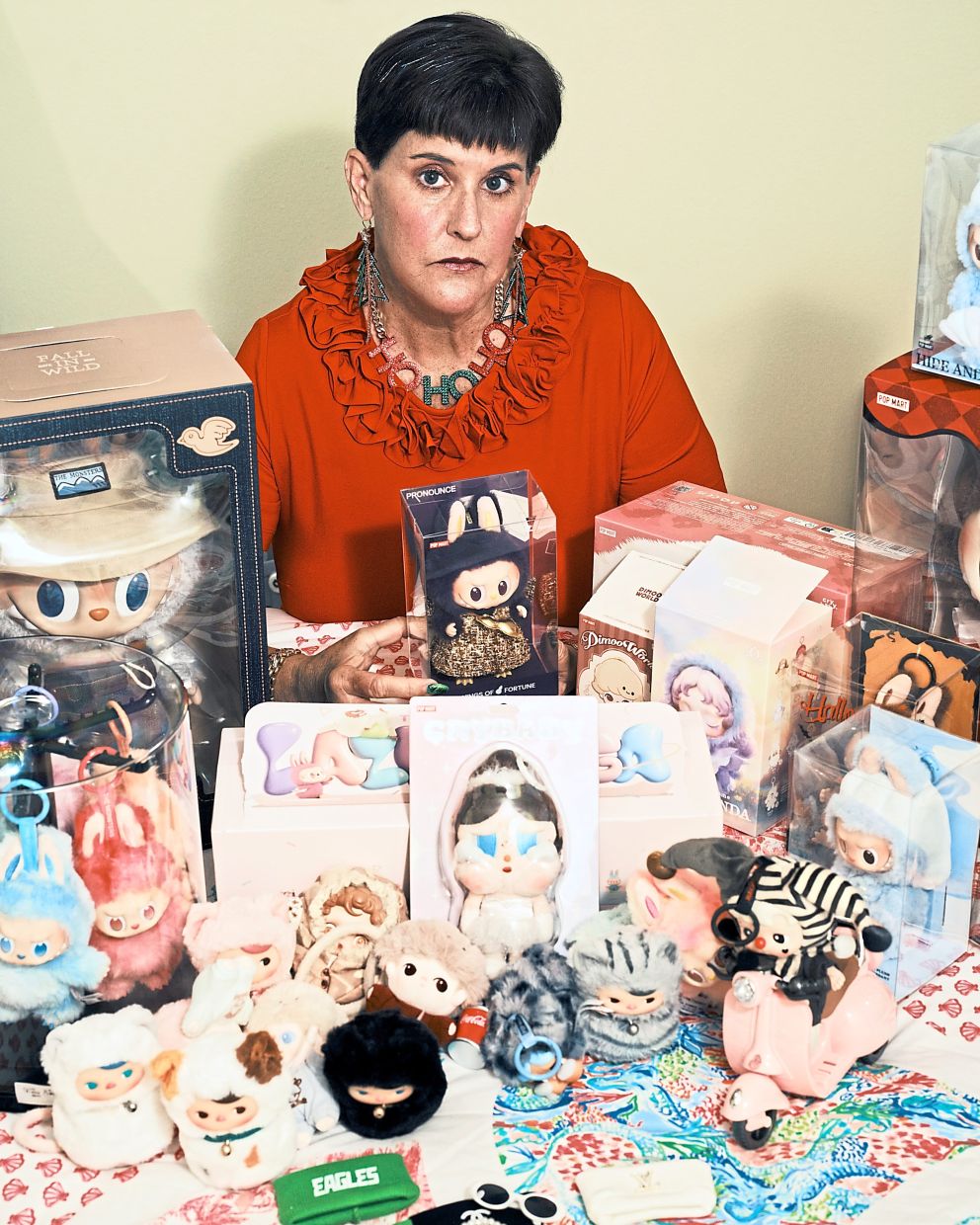
That’s because Conti has more than US$50,000 (RM203,950) in credit card debt, mostly because of her shopping habit. After spending US$800 (RM3,263) on Labubu dolls and US$500 (RM2,040) on Christmas decorations, Conti sought the help of a therapist.
"We went to a capybara farm,” she said.
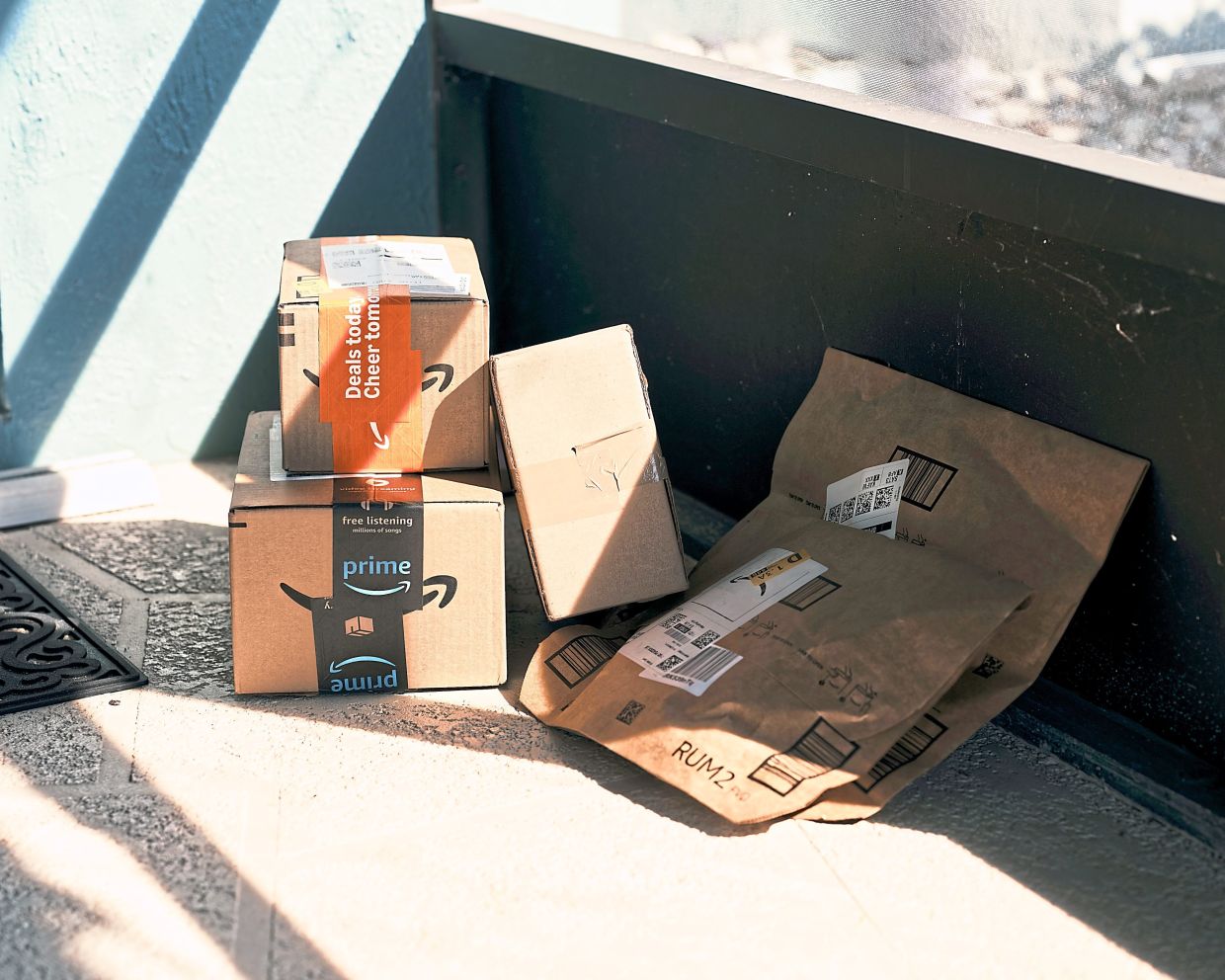
On Black Friday last year, Americans spent US$11.8bil (RM48.1bil) online, according to data from Adobe Analytics. Studies show that the sales incite a sense of urgency — stoking the fear that if you don’t act now, you’ll miss out.
With the convenience of one-click purchases, saved payment information and "buy now, pay later” loans, shoppers get the quick dopamine boost before they are able to pause and consider whether the purchases make sense. This can lead to overspending.
Many shoppers who went into debt last year are now trying to keep their habit in check.
Christina Mychaskiw, a pharmacist and blogger in Toronto, splurged on a pair of boots that cost more than a month’s rent during a Black Friday sale in 2018. Back then, shopping helped her beat boredom and ease stress.
Social media made it worse. She’d spend her paychecks on makeup and skin care.
"It was almost like a flex that I could buy the same bronzer as my favourite influencer.”
While Mychaskiw didn’t rack up debt, she was living paycheck to paycheck, without any money in savings. After springing for the boots, she decided to change her ways.
"I realised that I was going to be broke for the rest of my life if I didn’t do anything about it,” Mychaskiw, 38, said.
Seeking help online, Mychaskiw taught herself how to conduct a financial audit and embarked on an eight-month no-buy challenge, in which participants stop spending on things like clothes, shoes and makeup. She even wrote a workbook, The Minimalist-ish Journal, to help others downsize their consumption.
Doing so makes it more "annoying to spend money”, he said.
Lauren Bowling, a recovered compulsive shopper in Atlanta, places "points of friction” between herself and spending, she said. When she’s at a brick-and-mortar store, for example, instead of using a cart, she carries everything until her arms feel tired. It’s a built-in limit.
If something catches her eye, she must wait at least one day before making the purchase.
To pump the brakes while shopping online, Erika Wasserman, a certified financial therapist in Florida, suggests using music. Choose one song and listen to the entire tune before hitting the "buy” button.
This delay "creates space for you to evaluate that purchase”, Wasserman said. The song can be fun and should relate to your financial goals — a Pavlovian musical cue, like your school anthem that reminds you to pay off your student loans.
And instead of adding items to your cart, cultivate a wish list. Often, that minor tweak alone can curb an impulse buy.
Pausing in the moment is just one part of the solution; it also helps to plan ahead.
When Black Friday comes around, approach spending with intention. Wasserman suggests making a "must-have” list and noting the typical cost of each item. That way, "when you come across the sale price, you’ll actually know if it’s a deal or not”.
"It’s not good for me to look at new makeup launches or what I can buy on sale at Sephora,” Mychaskiw said.
The same goes for Bowling.
"I recently joined TikTok,” and the ads are “rapid fire”, she said. The social media channel offers everything from South Korean skin care to the latest lip oils, which really pulls her in, she said.
Mychaskiw suggested unfollowing or muting influencers on social media who trigger your shopping habit, and swiping away from Black Friday hauls or recommendations.
Beyond avoiding triggers, understanding the compulsion to shop is crucial.
Astle suggests keeping a money journal to spot spending patterns. Record not just how much you spend, but "what you were feeling before, during and after each purchase”, he said. Sometimes, he explained, spending can disguise an emotion that we’re unaware of and need to figure out.

Making this connection with a therapist helped her face her feelings instead of trying to bury them. Within a few years of graduation, Bowling managed to pay off her debt and rein in her spending.
For Conti, spending is a way to deal with stress and sadness. But positive emotions also play a role. She and her mother bond while shopping. After buying the Labubu dolls, Conti said, she and her mother were like "two little girls squealing with delight about how we’re going to use these Labubus for the holidays”.
She also shops to please others. But after each spree, feelings of shame, guilt and disappointment creep in. Even though her husband is aware of her struggles, she’s quick to break down boxes from her shopping sprints. "I don’t want my husband to have to cut up my boxes,” she said. "There’s a lot of self-loathing.”
So if you hide purchases from your partner, avoid looking at your credit card bills or bank accounts, or put off thinking about your finances altogether.
Consulting a financial therapist or financial adviser could be helpful to address the problem.
Group support, either online or in person, can help reduce stigma and provide emotional hand-holding as you work towards your financial goals.
Conti is part of a Facebook group for people with shopping addiction. Members share their successes and encourage one another to keep trying, even when they face setbacks.
Pairing up with a like-minded friend can also keep you accountable during Black Friday, Cyber Monday or other high-pressure sale periods.
Conti plans to speak with her therapist more often during the shopping season.
"It’s stopping me a bit,” she said, because "when we meet, I don’t want to admit that I screwed up”. – ©2025 The New York Times Company