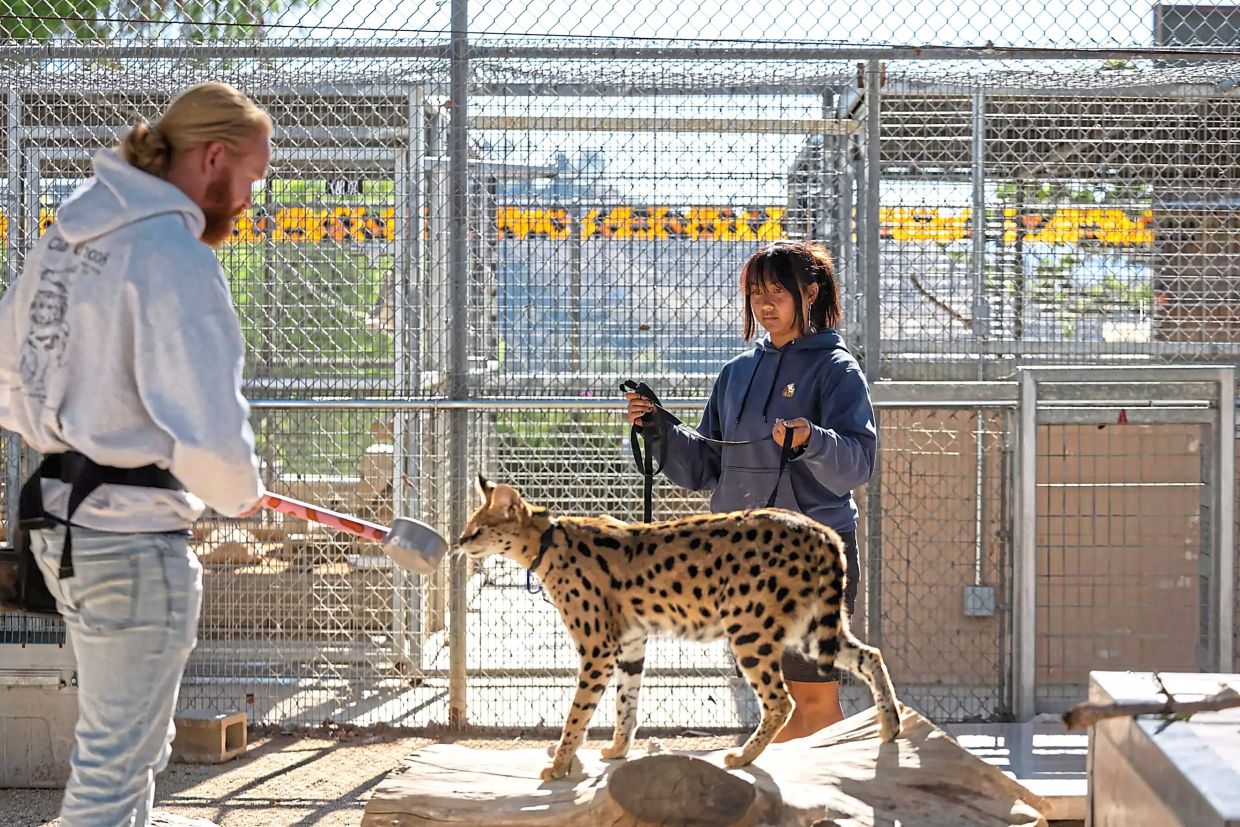
The serval did not want to go into her crate. The spotted cat's name was Naomi, she had just been weighed, and now it was time to do as she was told.
"C'mon – in your crate," urged Thomas Barber, a student at Moorpark College, California, the United States.
Naomi, held on a leash by student Trinity Astilla, was the picture of lithe, feline elegance as she slunk around a dusty enclosure, briefly hopping atop her crate – but not into it.
"Rethink about building behaviour momentum," animal training instructor Amanda Stansbury counselled Barber.
After about 10 minutes – and a repositioning of the crate – Naomi entered.
"Good job – a good demonstration of working through it," Stansbury said.
This is what class looks like in Moorpark College's Animal Care and Training Program, where students get real-world experience at the campus' Teaching Zoo.
Home to 120 animals representing 110 species, the zoo is one of two such collegiate facilities in the country – the other is Santa Fe College Teaching Zoo in Gainesville, Florida – and draws students from California and beyond who are looking for a career working with animals.
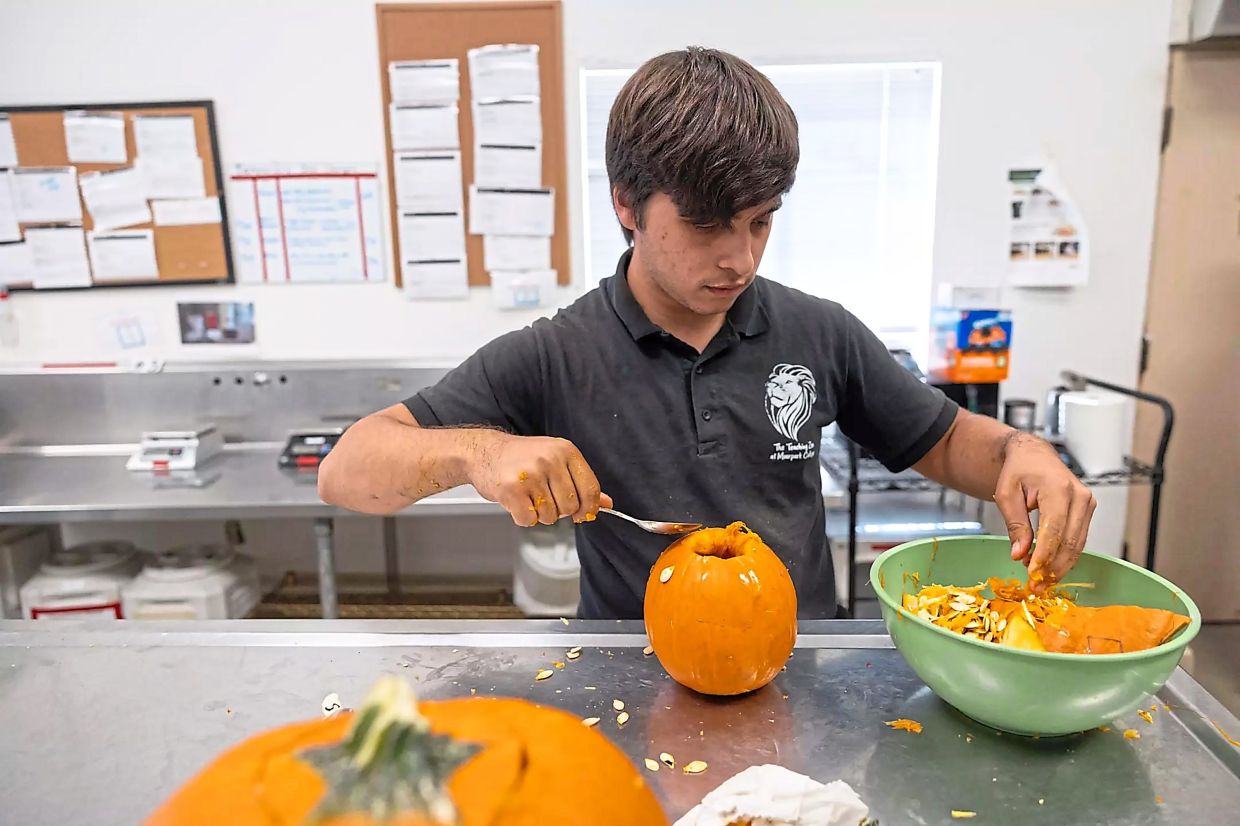
Students learn on the job, preparing food for the animals, feeding them, weighing them and even putting on demonstrations for children visiting on school field trips.
"We do a lot of hands-on training, and to me, it's always magic," said Gary Mui, who graduated from the programme in 1995 and now oversees it.
The programme admits 60 students annually, and about 45 graduate each year.
"That attrition is a marker for how difficult and time-consuming the programme is," said Mara Rodriguez, the zoo's development coordinator.
Still, it's popular: 150 or so Moorpark College students apply each year, gaining entry via a lottery.
The two-year programme prepares graduates for careers in a variety of fields, from zookeeping to Hollywood animal training, wildlife conservation and even pest abatement.
Wait, pest abatement? "At all the landfills now, they use natural ways to deter pests like seagulls and rats... so they fly hawks," said Rodriguez, who graduated from the programme in 1992 and started working at the zoo that year.
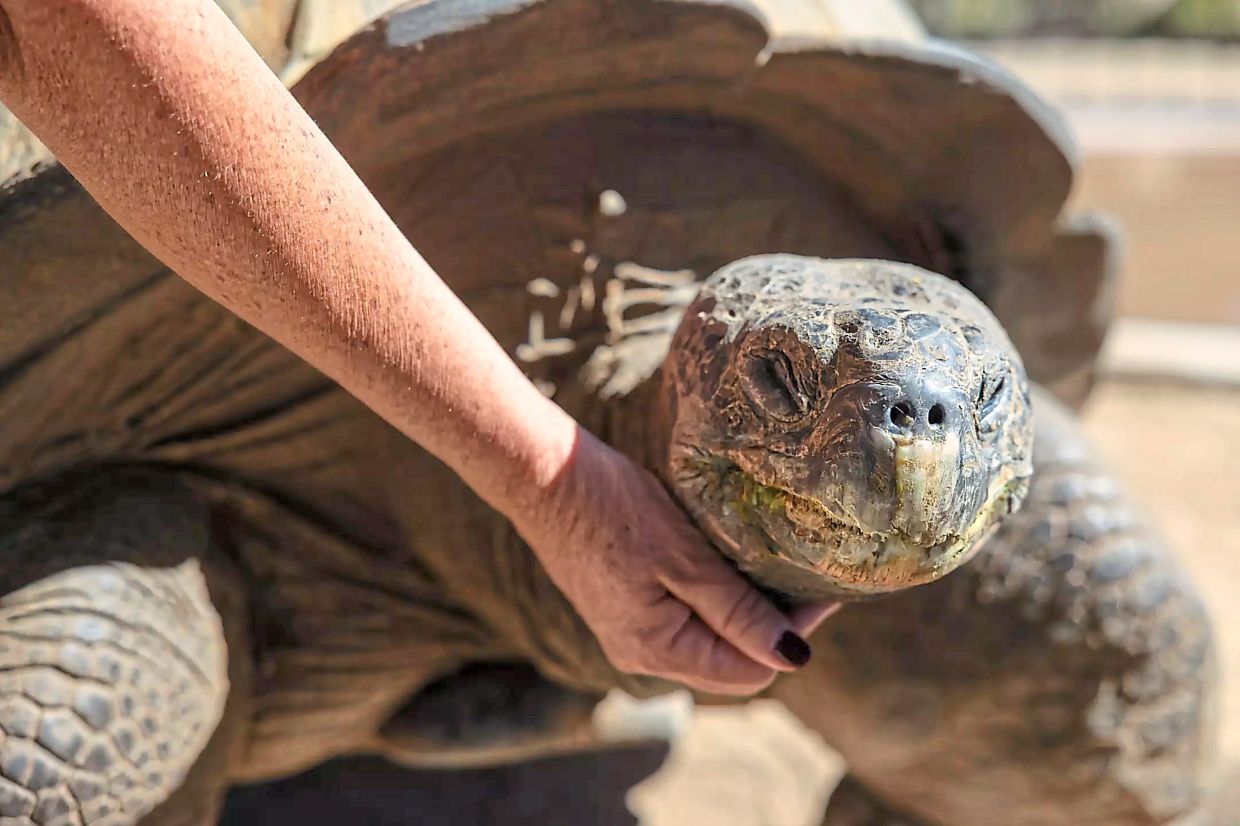
The zoo is open to the public on weekends – admission is US$12 (RM49) for adults and US$10 (RM41) for children – and despite spanning just five acres (2ha), it features animals like a 102-year-old Galapagos tortoise and two Bengal tigers housed in a US$3.5mil (RM14.3mil) enclosure.
Many of the weekend staffers are students in the programme. They even put on animal shows at the zoo's outdoor theatre.
"I'm on stage with my target stick, my equipment, and having a porcupine do circles, follow me, roll a ball," said Jadyn Carnicella, 20, a Simi Valley resident. "It's one of my favourite parts, because it's showing off how incredible our animals are. It really is a way to promote conservation."
What the school's like
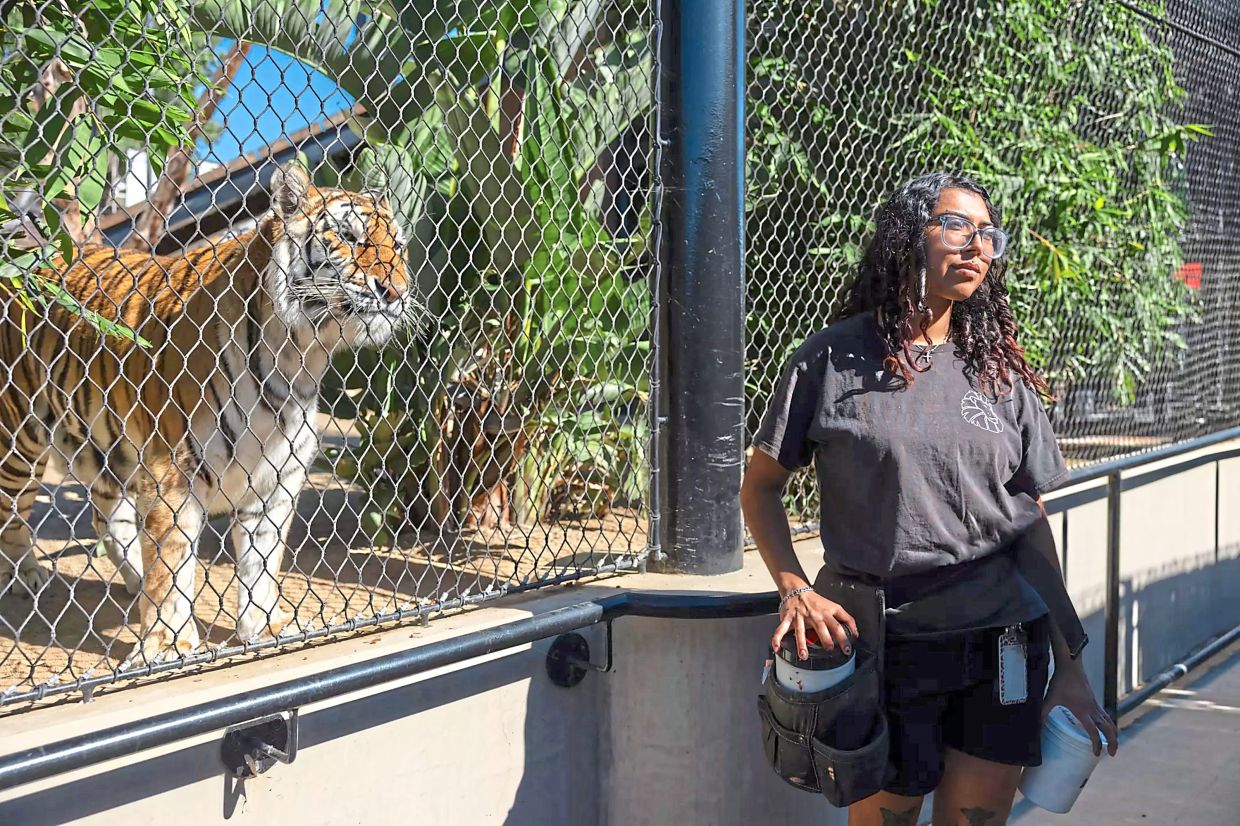
Moorpark College is tucked into the folds of the chaparral-dusted Simi Hills, about 45 miles (72km) northwest of downtown Los Angeles. Walking among the zoo's exotic animals, it feels even farther – especially at the edge of the soaring, 8,000sq ft (743sq m) tiger enclosure.
During a recent visit, Carnicella and another student, Trinity Sato, fed the two big cats, who had lumbered up to the fence after catching a whiff of their meal: a mixture of beef and horse meat called "Nebraska". (Carnicella advised against eating it: a student who did "got severe food poisoning".) She and Sato smushed big clumps of the meat through the chain-link barrier, careful to keep their hands flat, lest they lose a digit.
"It's an honour to be able to work with them and be entrusted with their care."
One of those big cats, Neil, is something of a celebrity. He was confiscated from a Studio City man years ago after appearing in a widely seen YouTube clip with Logan Paul, the influencer and reality TV star.
Unlike institutions such as the Los Angeles Zoo, Moorpark College's facility has not faced major criticism on ethical grounds, perhaps because of its academic focus. It hosts many animals that previously were injured, ostracised from their social groups or illegally kept as pets – such as Neil.
"When we're acquiring animals, it's always about the fit – not just the fit for our programme but the fit for the individual animal," Mui said. "We want to make sure that they have the best life possible."
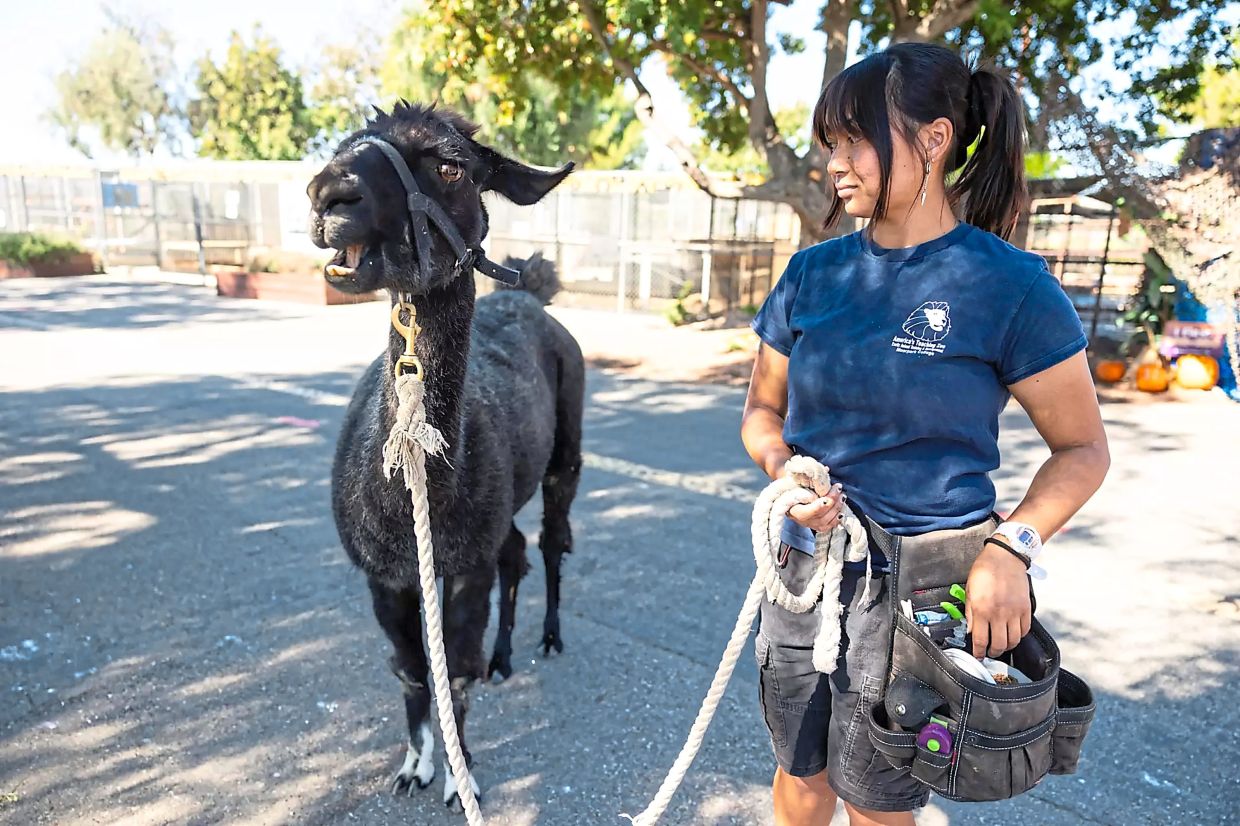
Students must do a training stint in each of four main categories – carnivore, herbivore, bird and primate – so they may wind up working with animals they find unpleasant.
For Mui, it was rats. Same for Rodriguez.
What does a typical day look like? Roll call at 6.30am, then clean the animals' enclosures and carry out other tasks. Classes begin at 9am and last until noon, then continue after lunch until 4pm, when students begin closing the zoo for the day.
On weekends they don't have class – but they do have to operate the zoo, along with a few professionals who "oversee and guide everything", Mui said.
What graduates do
After two years, students who entered the programme having already fulfilled all of their general education prerequisites graduate with an associate's of science degree in animal care and training.
The others get a certificate of completion. And where do they go from there?
Grace Nasser, who grew up in Northridge and graduated in 2023, works at Dolphin Quest Hawaii, where customers swim with and learn about the aquatic mammals.
She hadn't worked with dolphins previously but got the chance during a week-long internship at Dolphin Quest that the college facilitated during her second year.
It was, she said, "never something I'd ever envisioned".
Rodriguez said the programme has relationships with more than 100 zoos and other facilities that it can tap for internships.
Second-year students Sato and Carnicella aren't sure what they'll do upon graduation, but both are interested in careers involving big cats.
"I really do want to work with large carnivores, tigers, lions... you know, the things that can kill me," Carnicella said with a laugh. – Los Angeles Times/Tribune News Service