
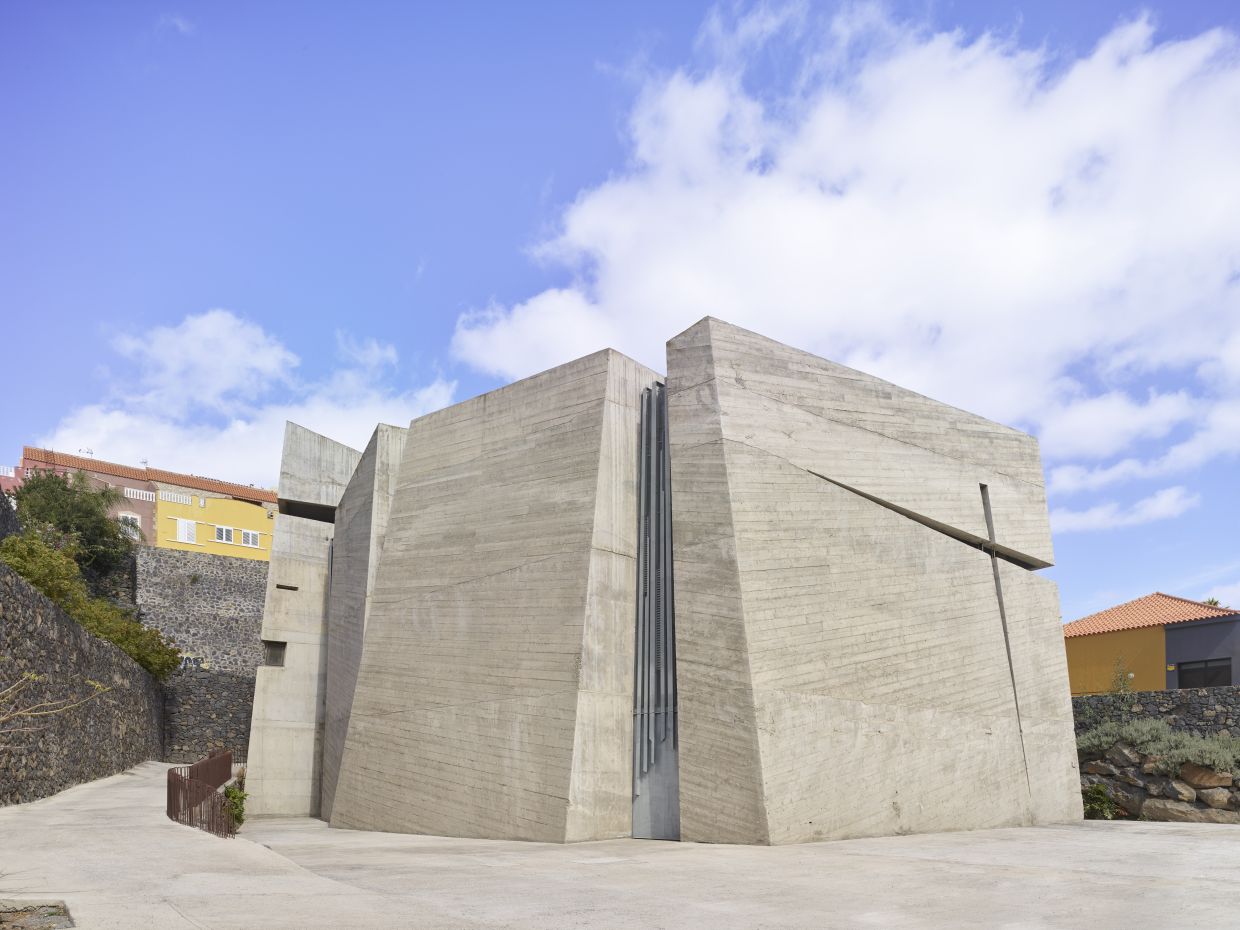
Its facade may be unassuming, but the Holy Redeemer Church and Community Centre of Las Chumberas in La Laguna, Tenerife, Spain wowed the judges to bag the World Building of the Year title at this year’s World Architecture Festival (WAF).
A project by Fernando Menis Architect, the building serves as a significant landmark in its neglected, outskirts neighbourhood, acting as a catalyst for urban renewal within a fragmented built landscape.
Fernando Menis, founder of Fernando Menis Architect said: “Winning is a great gift, not only for me but also the church neighbourhood, who will now be recognised beyond Tenerife.”
Paul Finch, WAF programme director commented: “The judges particularly admired the intensity of the architecture and the way light has been used to shape the quality and character of the interiors, enhancing the tactile nature of the surfaces.
“The building manages to masterfully accommodate symbolic and everyday needs of the community... The project has become a fine addition to the architecture of Tenerife.”
The building features a church, a community centre and a public square, creating a vital gathering space for local residents.
The design and construction of the complex were heavily influenced by the irregular flow of funding through donations.
This constraint led to a design that features four independent volumes built in distinct phases.
The first two volumes, housing the community centre, were completed within two years and have been operational ever since.
The remaining structures were finished 16 years later, as funding slowly became available.
Inspired by the surrounding volcanic landscape, the architecture is defined by massive, rough forms that intentionally contrast with the existing built environment.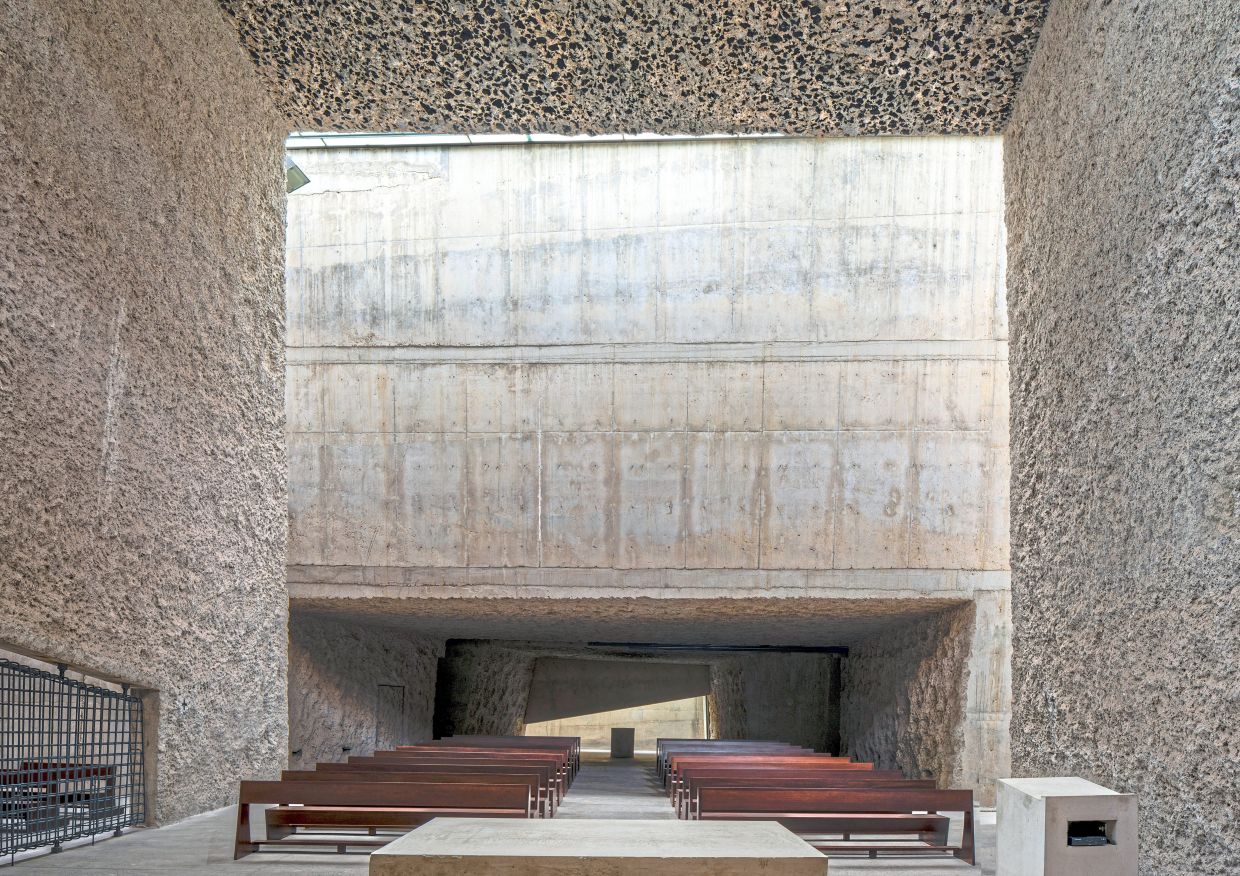
Narrow cracks between the structures, filled with sculptural metal and glass, filter daylight to illuminate a minimalist, spiritual interior.
Daylight is treated as a key architectural element, shaping an introverted, austere space designed to invite reflection.
Lacking traditional windows, the building is illuminated primarily by an unglazed cross and carefully controlled skylight.
As the day progresses, the shifting light naturally highlights different areas, subtly guiding users through their interior exploration.
A mindful design
The WAF2025 was held Nov 12-14 in Miami, Florida, the United States. Besides World Building of the Year, it also awards prizes for World Interior of the Year, Future Project of the Year and Landscape of the Year.
This year’s Future Project of the Year award went to Gelephu International Airport by BIG-Bjarke Ingels Group in Gelephu, Bhutan.
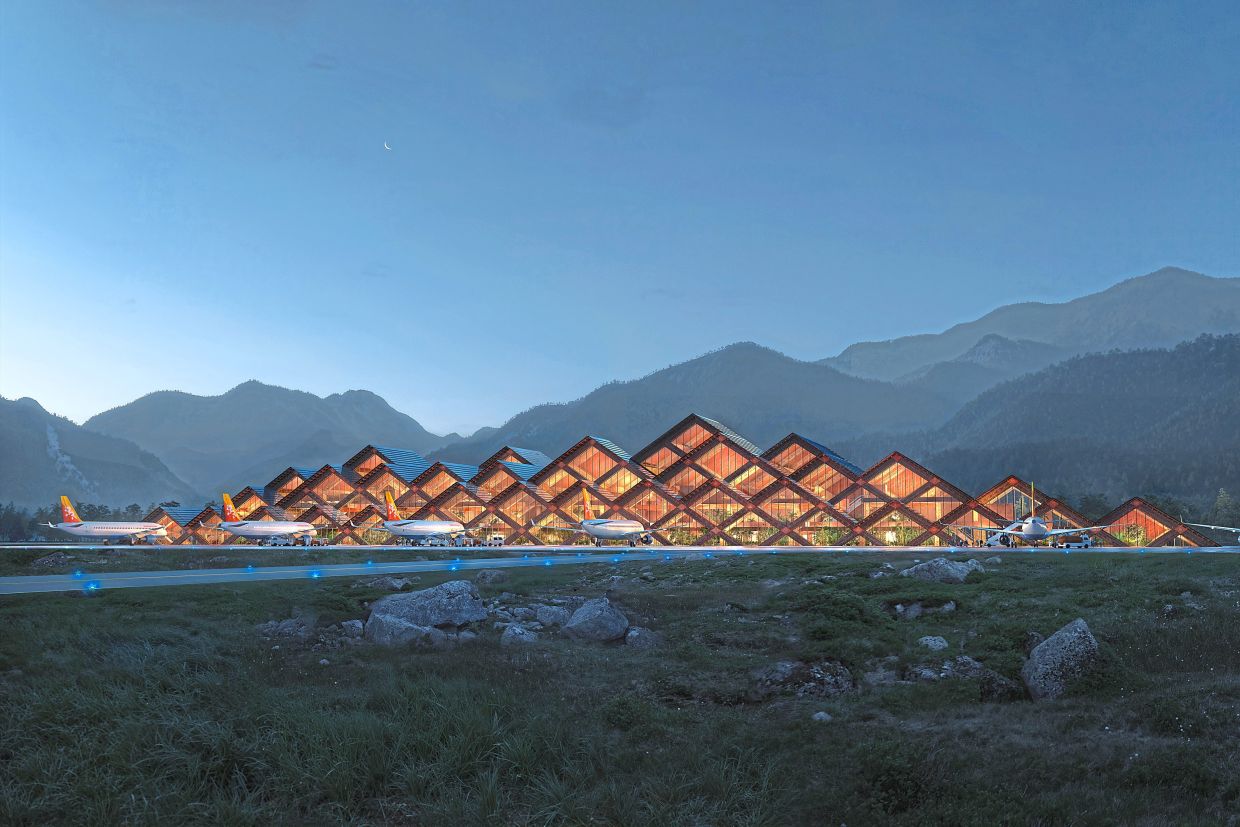
Blending traditional craftsmanship with modern innovation, the Gelephu International Airport is Bhutan’s second international gateway, strategically located near the Bhutan-India border and the Paitha River.
Set to open in 2029, the airport will initially support 123 daily flights, with projected annual passenger numbers reaching 5.5 million by 2065.
The design of the new Bhutan International Airport celebrates Bhutanese culture and a commitment to mindfulness.
The terminal instils a sense of calm in travellers through its use of natural light, a grand triple-height entry, skylights and floor-to-ceiling windows.
The facility includes both indoor and outdoor lounges offering spaces for yoga, gong baths and meditation.
The terminal’s striking diagrid structure is constructed from locally and sustainably- sourced timber. This structure is also richly adorned with traditional Bhutanese wood carvings.
Additionally, the painted facade references the Kachen, a sacred structural wooden pillar, effectively fusing spiritual symbolism with architectural heritage.
The timber structure is functionally designed to help regulate indoor humidity, while ventilated roofs and courtyards actively promote airflow.
Extended eaves are incorporated to provide necessary shade and protection from the intense monsoon rains.
Biodiversity and urban resilience
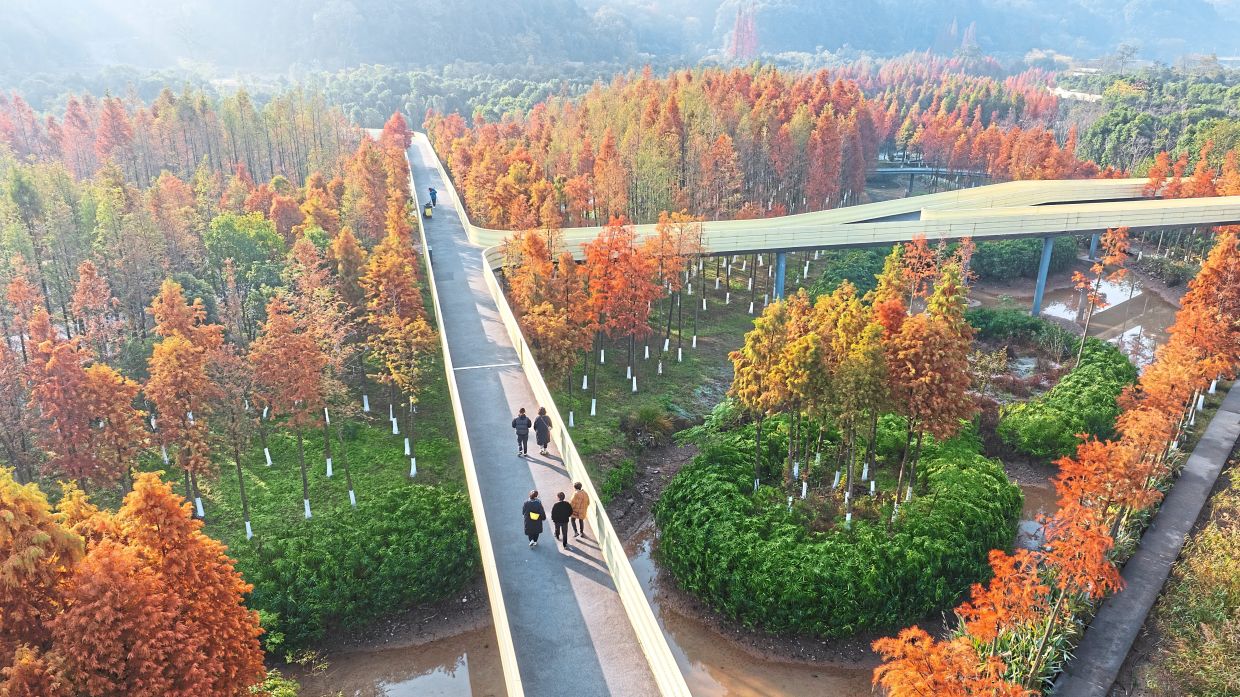
The Landscape of the Year title was won by Turenscape’s Embracing Flood: Xinjiang River Ecological Corridor in Shangrao City, Jiangxi Province, China.
The project revitalises a 102ha floodplain, transforming it into a vibrant ecological and recreational space.
Utilising sponge city principles, the project enhances flood resilience, restores native habitats and offers year-round public access.
Rather than resisting seasonal floods, the design embraces water as a dynamic force, integrating it into the landscape to support biodiversity and urban resilience.
With a cost-effective and low-maintenance approach, the corridor reconnects people with nature while protecting the city from climate threats.
Now a regional landmark, it serves as a scalable model for flood-prone cities worldwide.
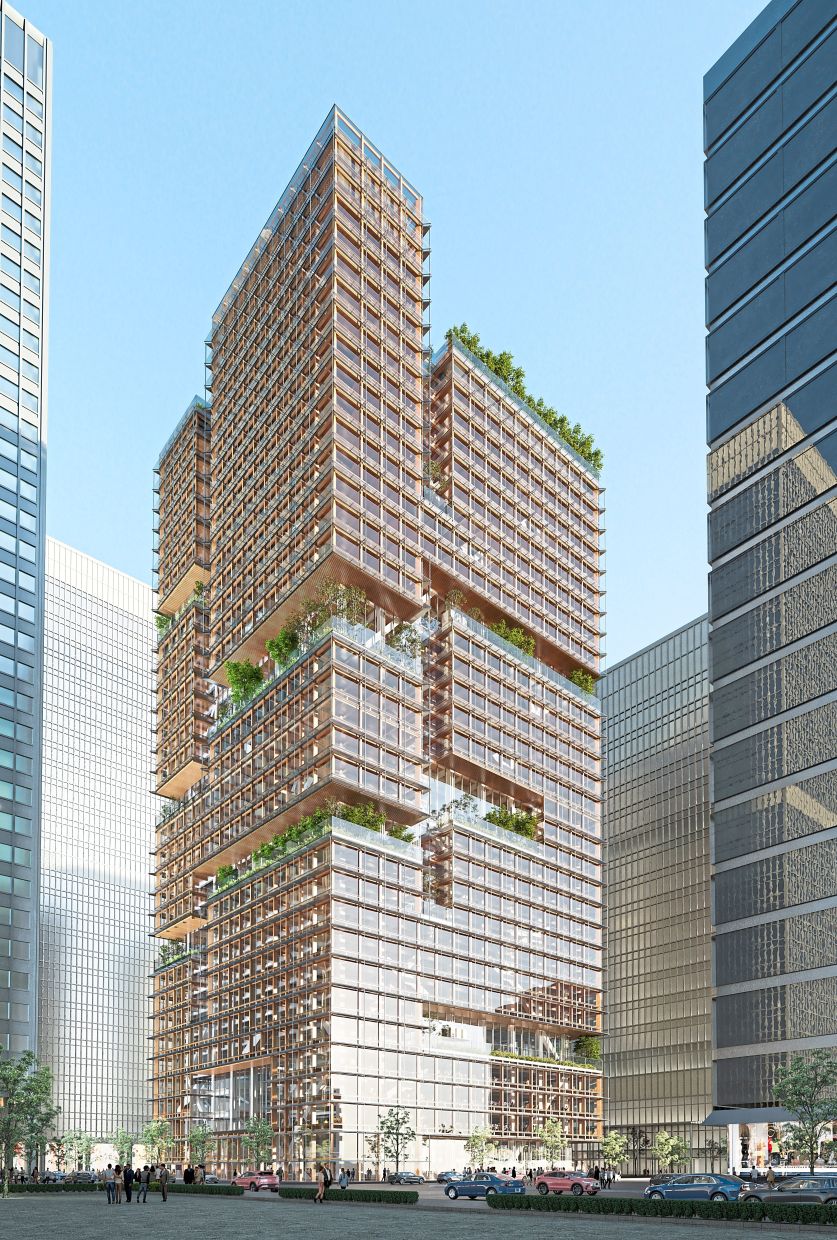
Meanwhile, the winner of the WAFX Prize – which recognises future projects that best use design and architecture to tackle major world issues – went to Regenerative Tree, a next-generation skyscraper in Tokyo, Japan by Nikken Sekkei.
The project is designed to reduce the whole life carbon cycle of the building by 40% through a list of measures.
The WAF is organised by Emap Publishing, publisher of The Architectural Review and The Architects’ Journal.
This year’s shortlist showcased 235 completed buildings, 157 future projects and 64 interior designs.
Here is the full list of Completed Buildings winners from different categories:
Category: Civic and Community
Name: The Holy Redeemer Church and Community Centre of Las Chumberas in La Laguna, Spain
Firm: Fernando Menis Architect
Category: Creative Re-use:
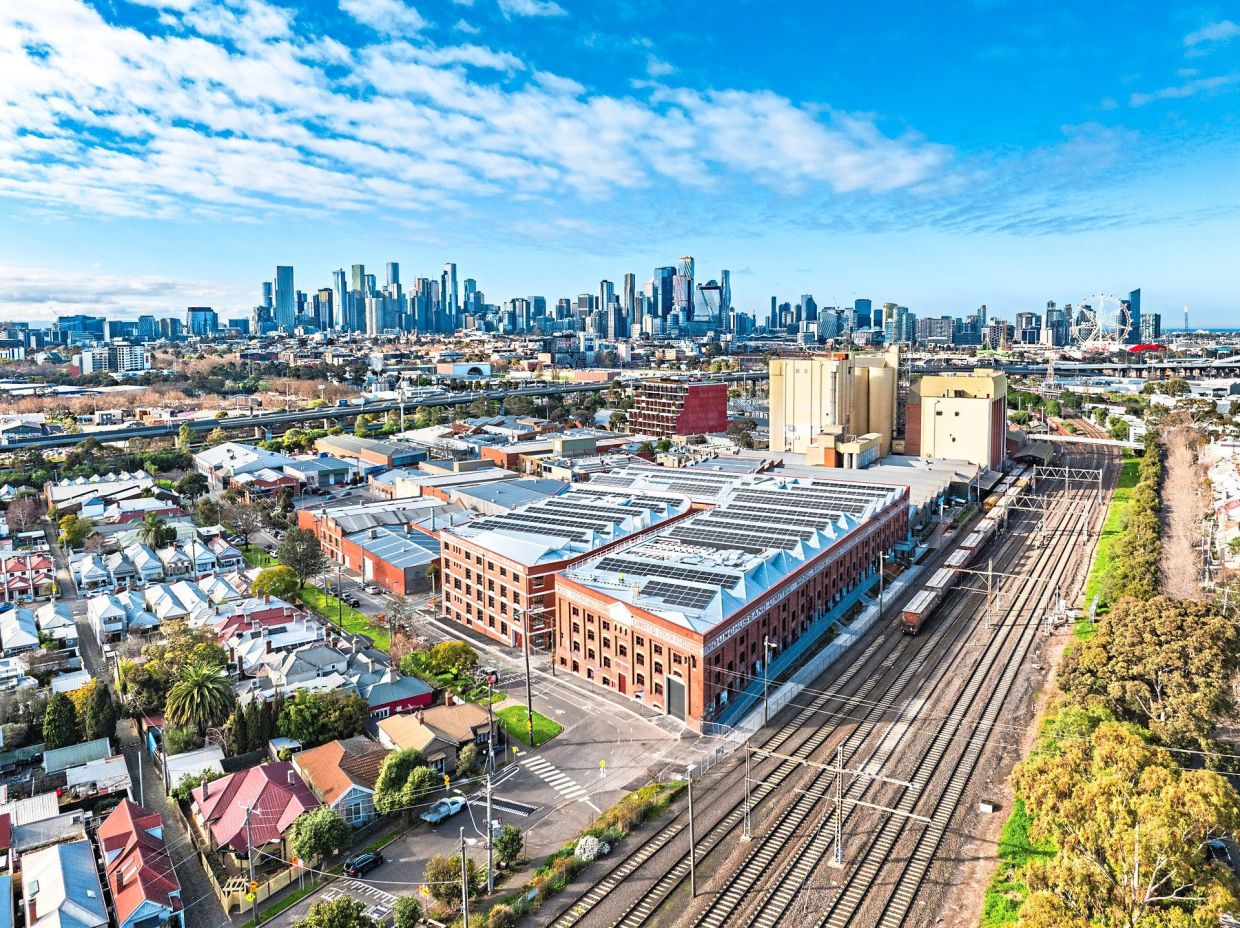
Name: Younghusband in Melbourne, Australia
Firm: Woods Bagot
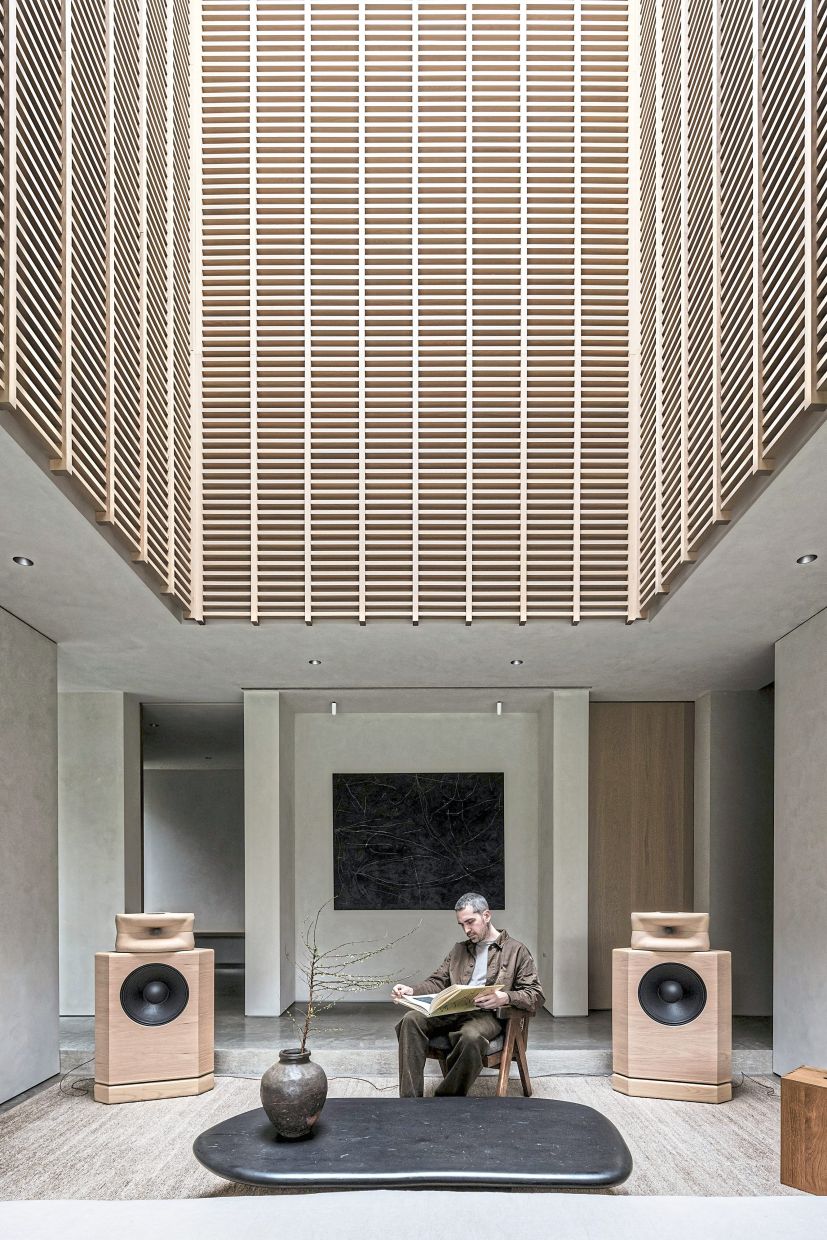
Category: Culture
Name: Shunde Yunlu Wetland Museum in Foshan, China
Firm: Studio Link-Arc
Category: House & Villa (Urban) supported by Grohe
Name: Lantern House in Vancouver, Canada
Firm: Leckie Studio Architecture + Design Inc
Category: House & Villa (Rural/Coastal) supported by Grohe
Name: Ridge House in Grey County, Ontario, Canada
Firm: Superkul
Category: Housing supported by Grohe
Name: Isla Intersections Supportive Housing & Paseo in Los Angeles, California, the United States
Firm: Lorcan O’Herlihy Architects
Category: Office
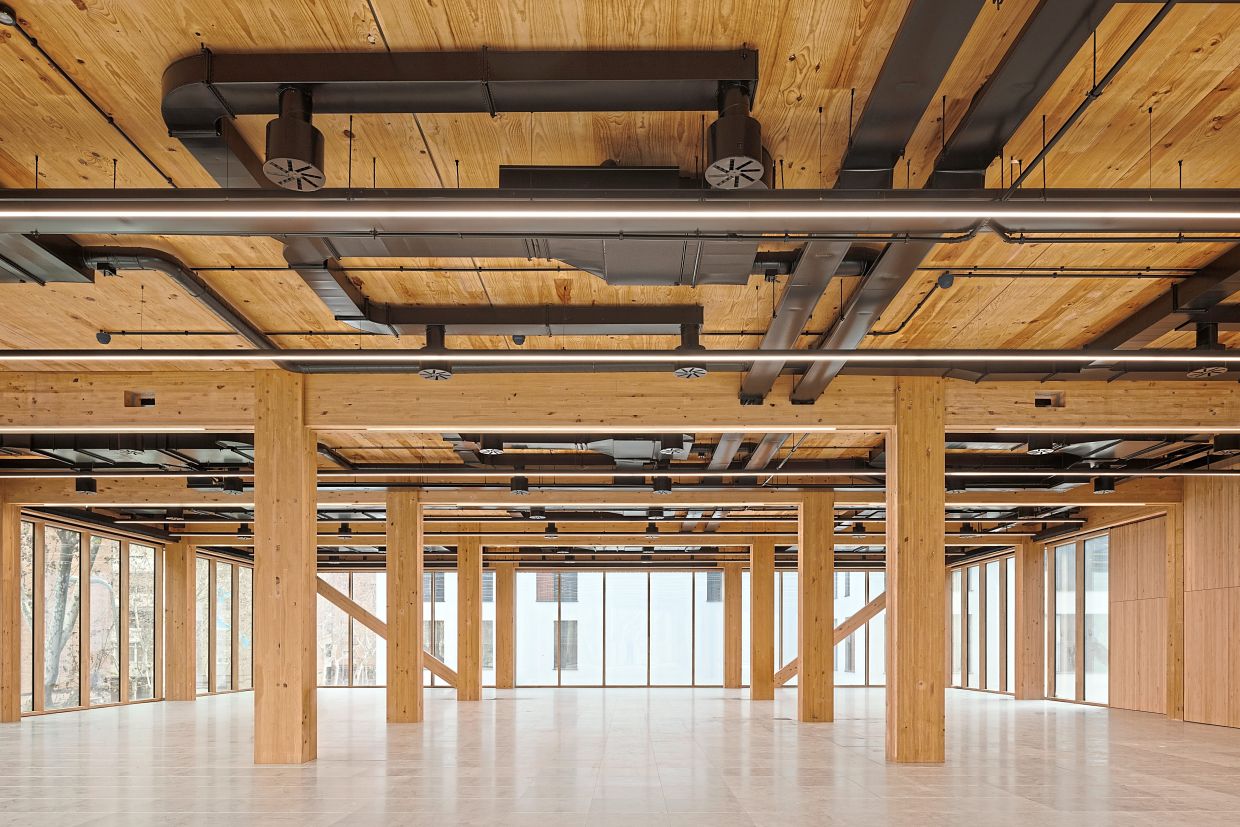
Name: T3 Diagonal Mar Offices in Barcelona, Spain
Firm: Batlleiroig
Category: Production, Energy and Logistics
Name: Quinta de Adorigo Winery in Tabuaço, Douro Valley, Portugal
Firm: Atelier Sergio Rebelo
Category: Retrofit
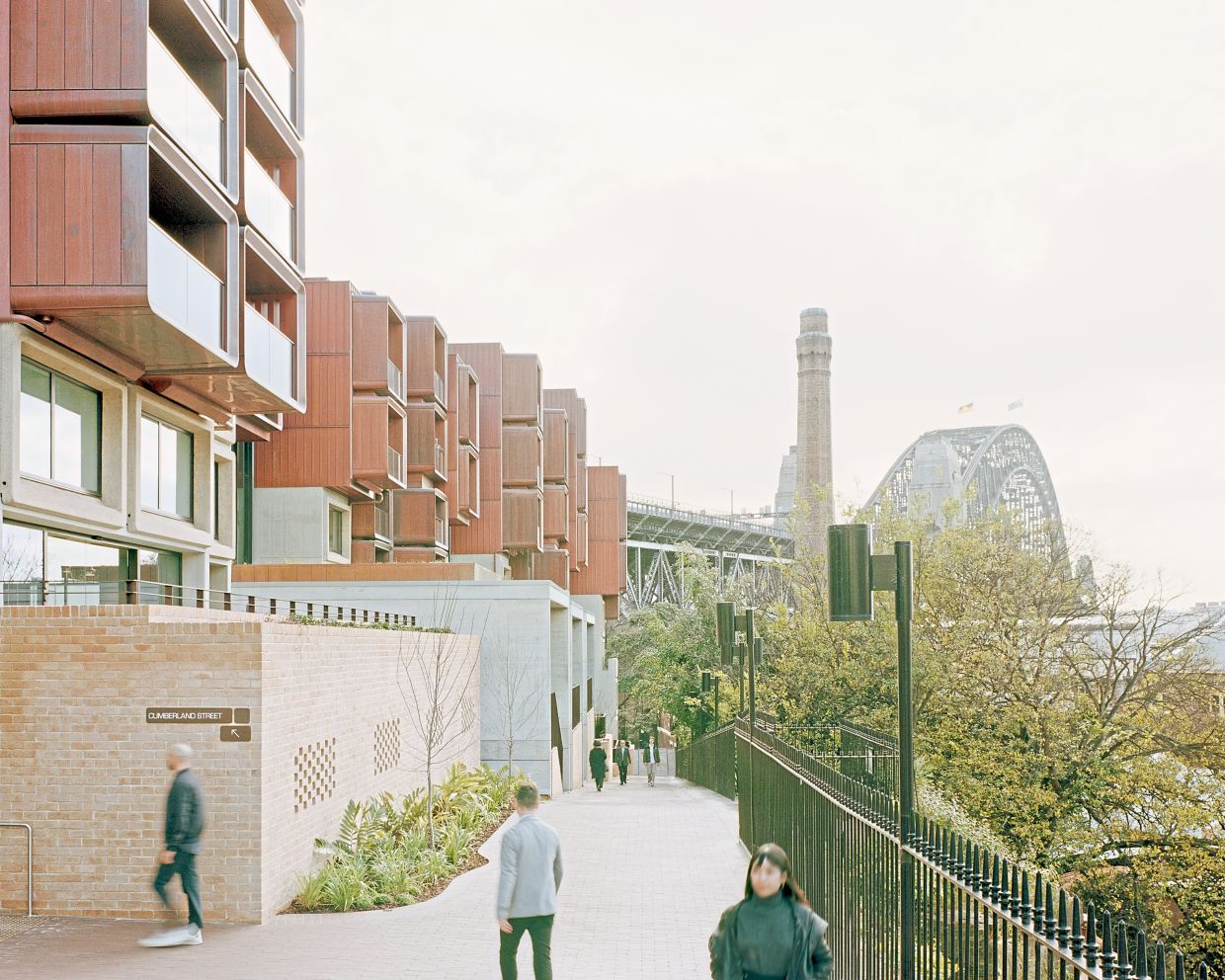
Name: Sirius Redevelopment in Sydney, Australia
Firm: BVN
Category: School
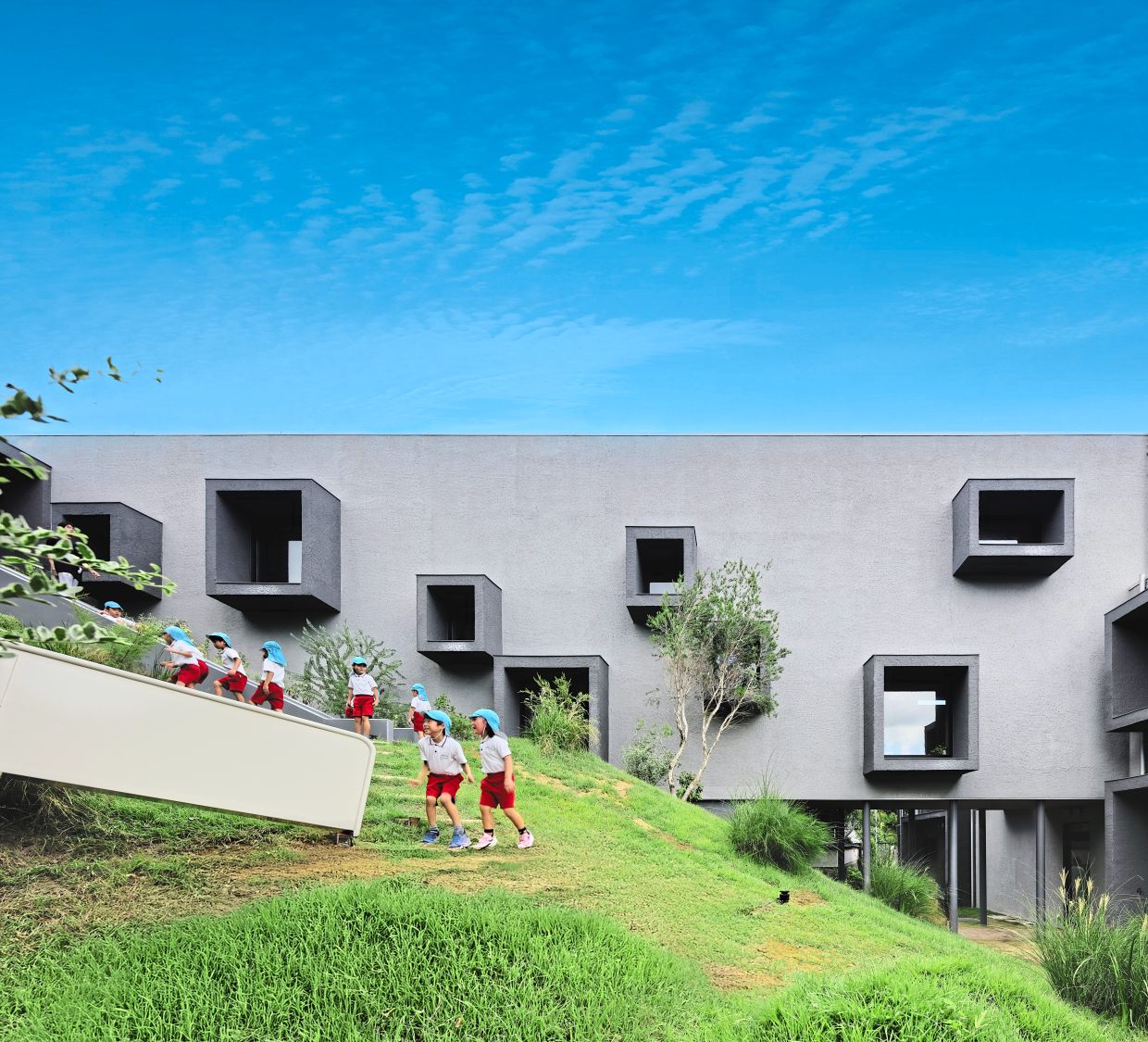
Name: FK Kindergarten and Nursery in Nagasaki City, Japan
Firm: Hibinosekkei + Youji no Shiro
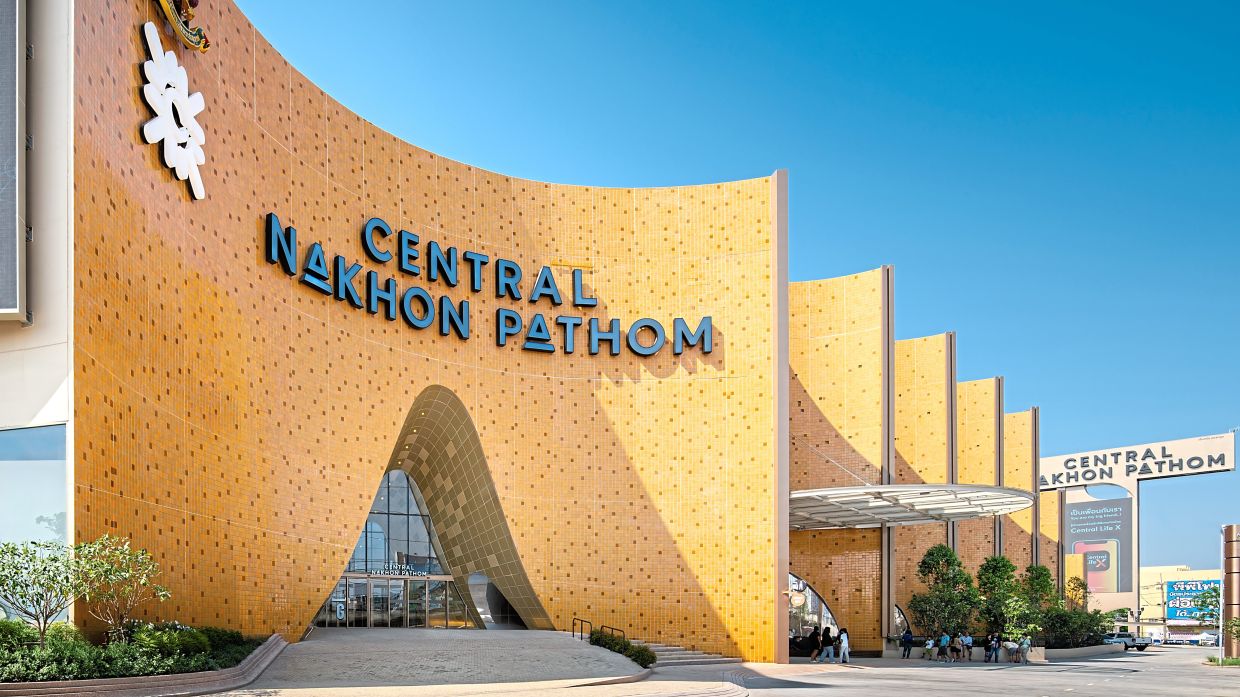
Category: Shopping
Name: Central Nakhon Pathom in Nakhon Pathom, Thailand
Firm: stu/D/O Architects
Category: Sport
Name: Hiwa, Recreation Centre in Auckland, New Zealand
Firm: Warren and Mahoney + MJMA Architecture & Design
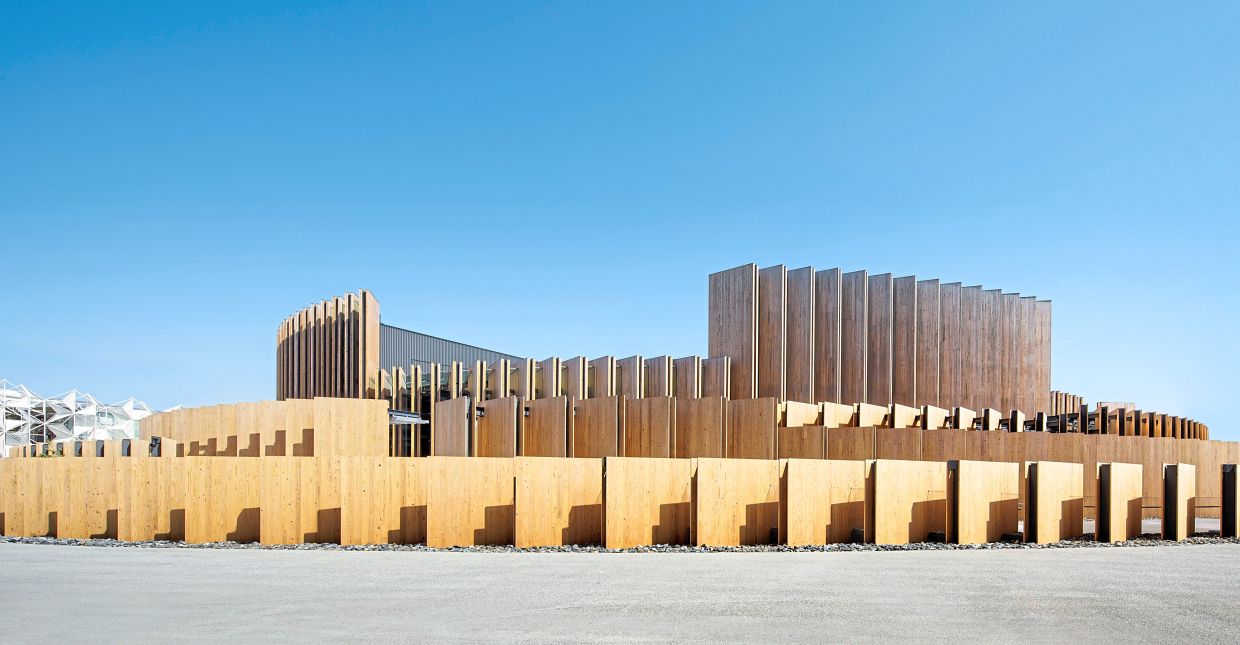
Category: Display
Name: Osaka-Kansai Expo 2025 Japan Pavilion in Yumeshima, Osaka City, Japan
Firm: Nikken Sekkei LTD
Category: Health
Name: Agnes Kantonsspital Baden in Baden, Switzerland
Firm: Nickl & Partner Architekten Schweiz AG
Category: Higher Education & Research
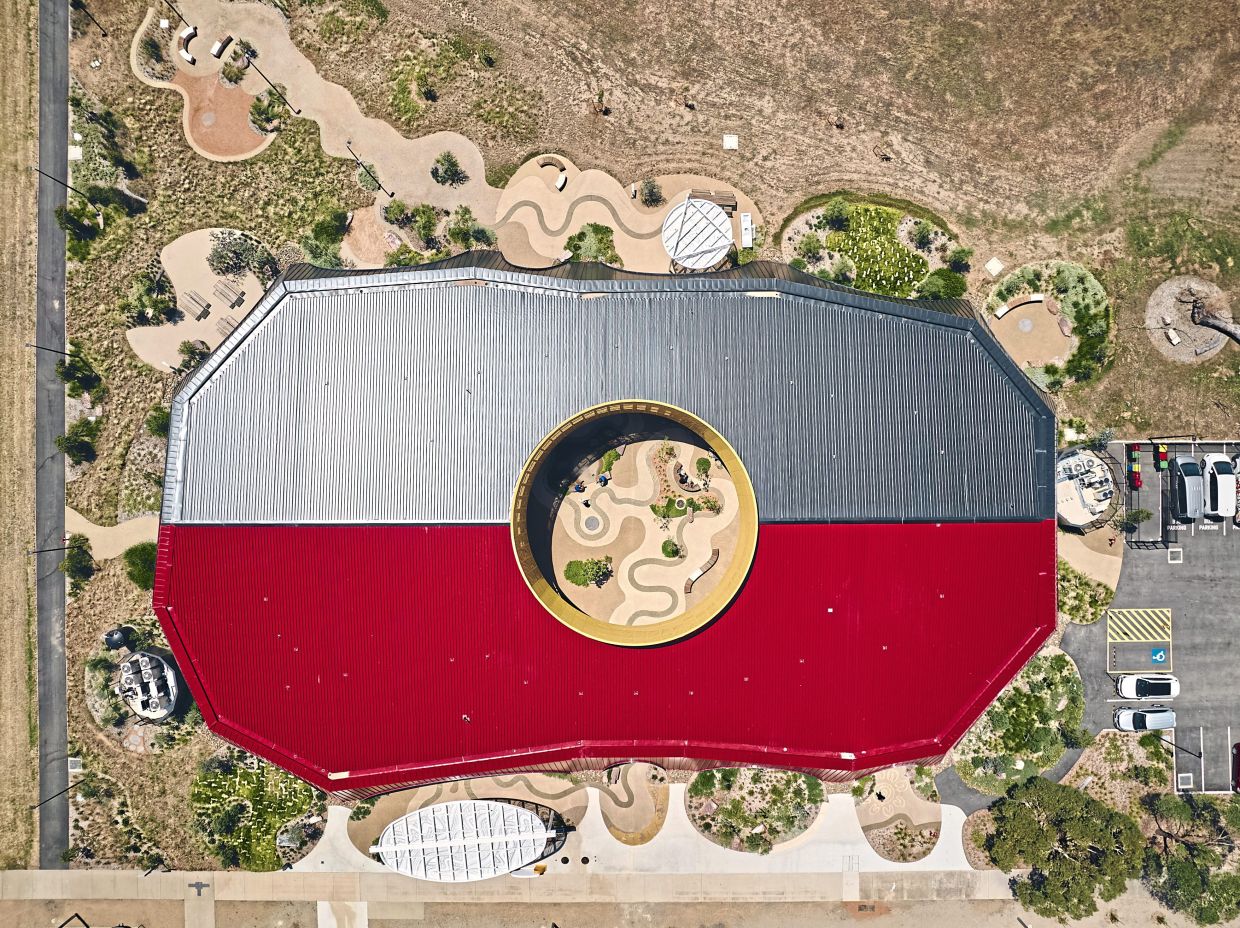
Name: Munarra Centre for Regional Excellence in Shepparton, Australia
Firm: Arm Architecture
Category: Hotel & Leisure supported by Grohe
Name: Poodom Deqin Meri Hotel in Diqing, China
Firm: Buzz/Buro Ziyu Zhuang
Category: Mixed-Use
Name: Republica in Amsterdam, Netherlands
Firm: Marc Koehler Architects
Category: Transport
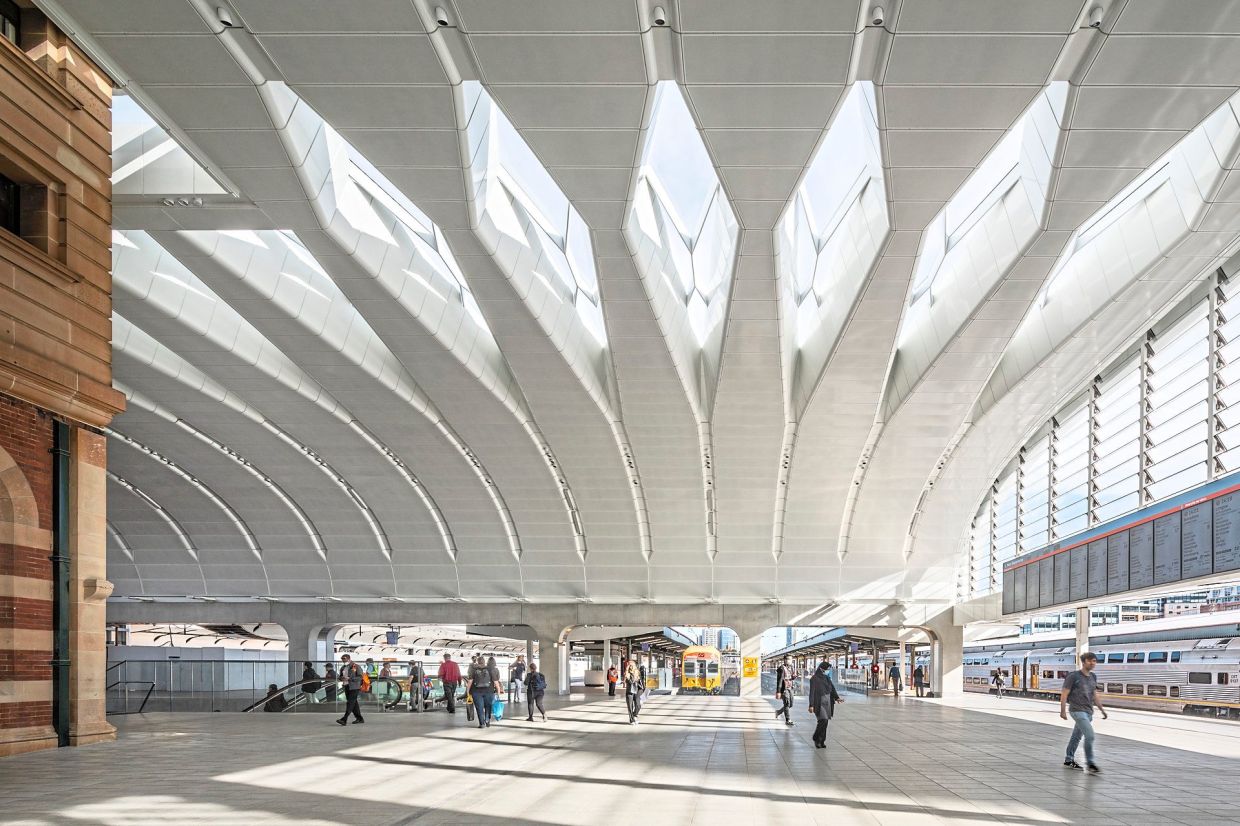
Name: Central Station Sydney in Sydney, Australia
Firm: Woods Bagot in collaboration with John McAslan + Partners
The Central Nakhon Pathom in Nakhon Pathom, Thailand. Photo: stu/D/O Architects
The FK Kindergarten and Nursery in Nagasaki City, Japan. Photo: Hibinosekkei Youji no Shiro
The Lantern House in Vancouver, Canada. Photo: Leckie Studio Architecture Design Inc
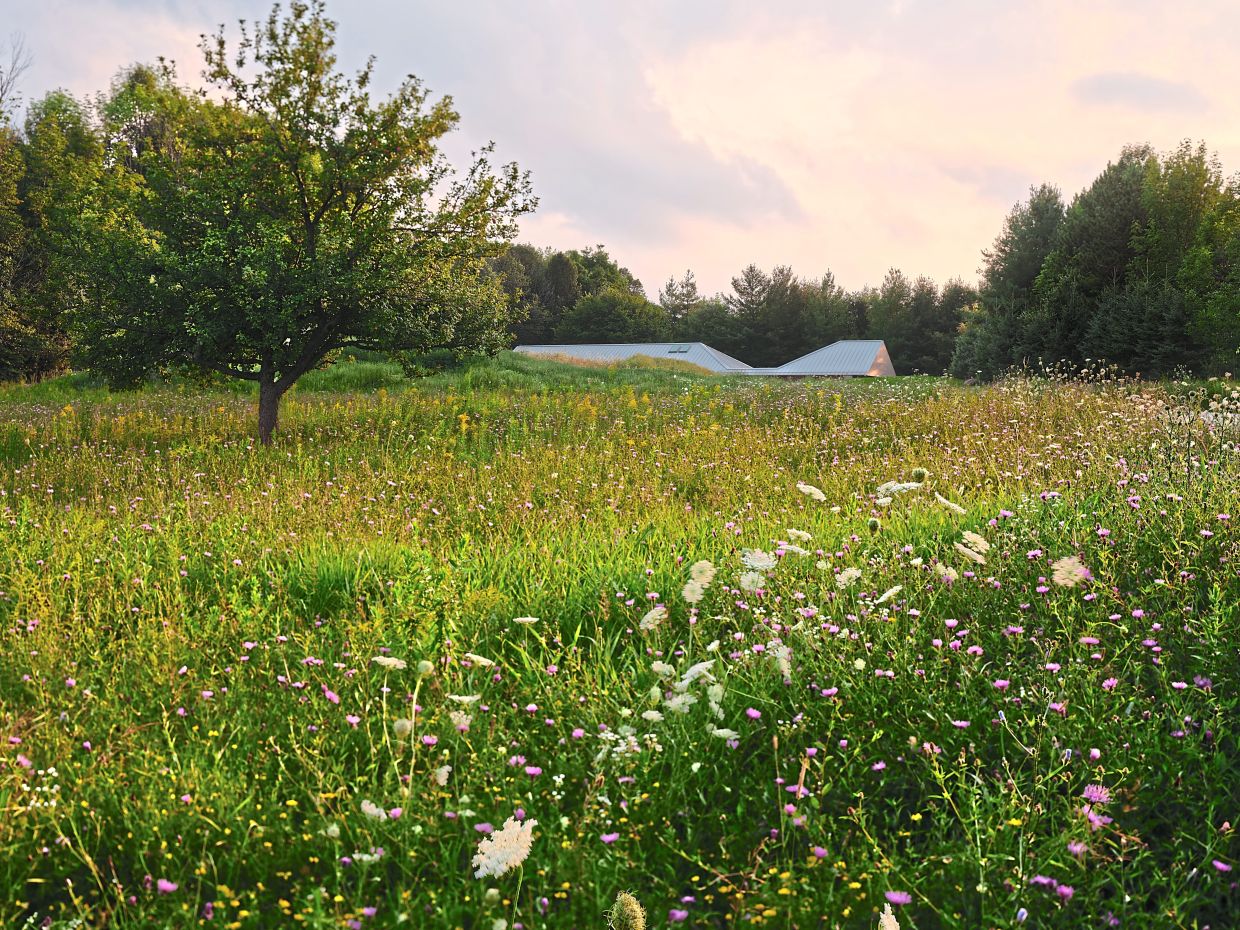
The Ridge House in Grey County, Ontario, Canada. Photo: Superkul
The Sirius Redevelopment in Sydney, Australia. Photo: BVN
The T3 Diagonal Mar Offices in Barcelona, Spain. Photo: Batlleiroig
The Younghusband in Melbourne, Australia. Photo: Woods Bagot
The Central Station Sydney in Sydney, Australia. Photo: Woods Bagot/John McAslan Partners
The Munarra Centre for Regional Excellence in Shepparton, Australia. Photo: Arm Architecture
The Osaka-Kansai Expo 2025 Japan Pavilion in Yumeshima, Osaka City, Japan. Photo: Nikken Sekkei
Turenscape’s Embracing Flood: Xinjiang River Ecological Corridor project in Shangrao City, Jiangxi Province, China revitalises a 102ha floodplain, transforming it into a vibrant ecological and recreational space. Photo: Turenscape
The Regenerative Tree, a next-generation skyscraper, is designed to reduce the whole life carbon cycle of the building by 40%. Photo: Nikken Sekkei
Blending traditional craftsmanship with modern innovation, the Gelephu International Airport is Bhutan’s second international gateway. Photo: Bjarke Ingels Group
The Holy Redeemer Church of Las Chumberas serves as a significant landmark in its neglected outskirts neighbourhood.
The Holy Redeemer Church of Las Chumberas was named World Building of the Year title at this year’s World Architecture Festival (WAF). Photos: Roland Halbe