The memories come flooding back whenever Vianney Kambale Kombi hears the word "Ebola".
He remembers the pain and fear in his community in the eastern Congo city of Beni during the 2018-2020 Ebola outbreak, history's second-biggest with more than 3,400 reported cases and over 2,200 deaths. It was stopped with the aid of vaccines.
Kombi also remembers the broad scepticism over the disease, attacks on health workers and inaction from patients that he blames for the speed in which the disease spread.
"We thought it was witchcraft,” said Kombi. "The community had not accepted that this disease existed and it had not accepted that we could recover from it.”
In Beni, a bustling commercial hub near the borders with Uganda and Rwanda, some fear that a repeat of mistakes made during Congo’s past outbreaks and the lack of an approved vaccine this time around might make the response to the latest outbreak more challenging.
A total of 550 cases of the disease were confirmed as of June 7 in the current outbreak caused by the rare Bundibugyo virus, which can cause Ebola disease, including 101 deaths and 19 recoveries.
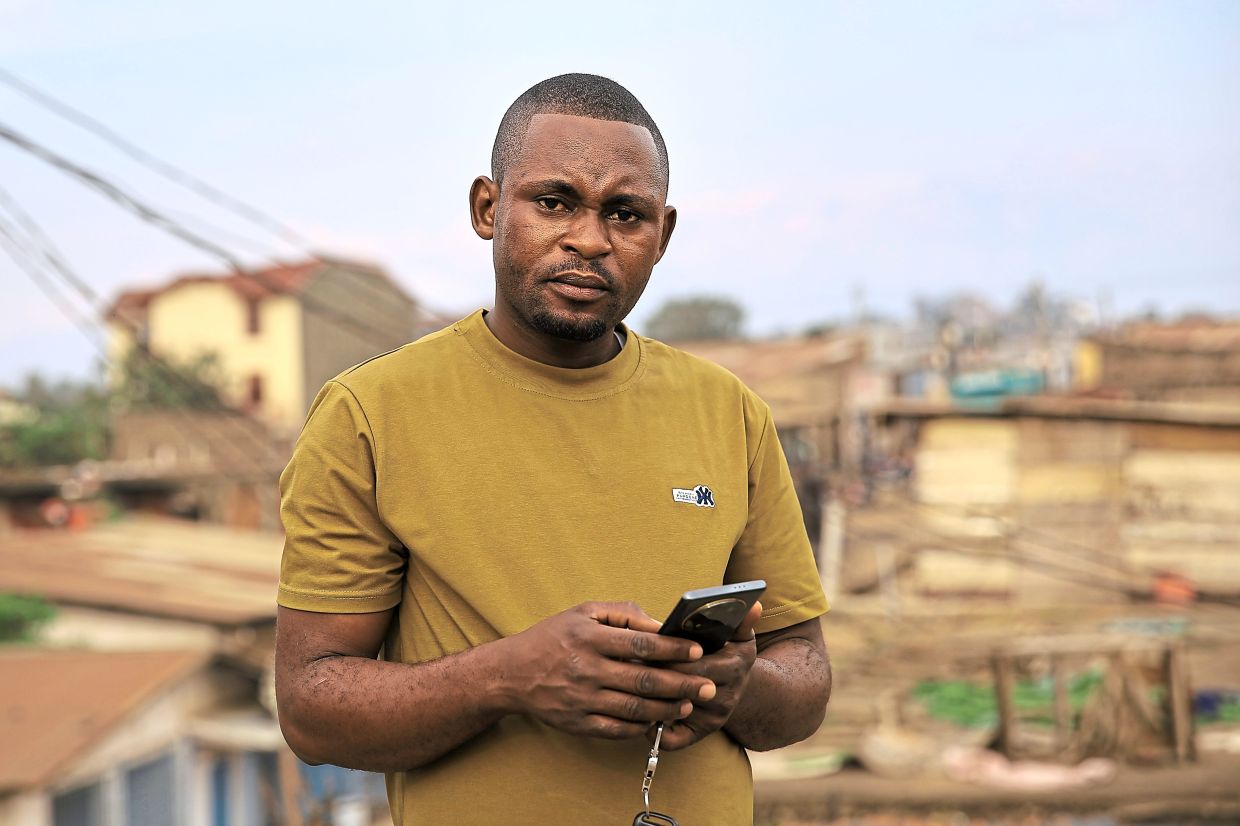
Kombi recalled how he contracted the virus after being exposed to others who had it. He said they had little information about the disease at the time, and that while many thought it was witchcraft, others described it as a "Western conspiracy for funding reasons”.
"The community had not accepted that we could recover from this disease, that’s why reintegrating into the community at first was a bit difficult,” he said.
"When a pandemic hits here in Congo, we initially think it’s a political issue,” said Bienfait Wanzire, who also recovered after contracting Ebola during the 2018 outbreak.
"At first, we thought it was a spiritual illness,” he said. "Then because there were election campaigns, we believed it was political.”
Dr Babah Mutuza Lusungu, a physician at "Dieu Est Grand” Medical Centre in Beni, remembered losing his uncle and two colleagues even as he tried to convince people the outbreak was real.
"There was very strong resistance,” said Dr Lusungu. "And so there was a climate of mistrust that took place between the population, the authorities, the partners, and the health workers.”
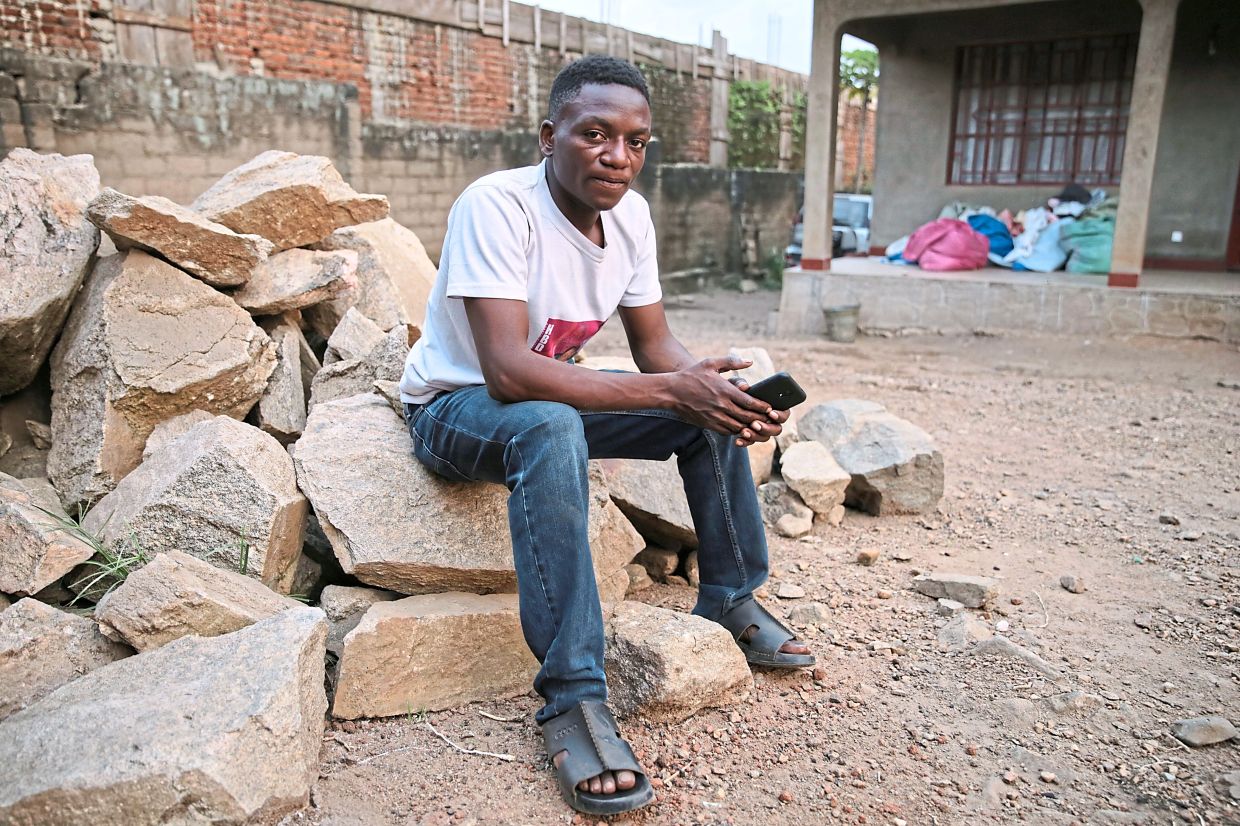
Youths at the time were not directly involved in response efforts, he said, urging local authorities to work more closely with youth leaders to enlighten people about the disease.
"If we wait until they have so many declared cases to start making an effective response, we will have totally missed the target,” he said.
Esperance Masinda, who was working for the UN children’s agency in Beni during the 2018 outbreak, said it was particularly difficult caring for children who had lost their parents to Ebola.
She contracted the disease while looking after her husband who was working as a medical doctor. Although they both later recovered, the vaccine that helped save them distanced them from family and neighbours.
"When we were in the community, we were told that you’re not going to make it even five years, you’re going to die with that medication that you took there,” Masinda said.
"And today, when they see us, these people no longer stigmatise us,” she said. "We are all humans, even though we have been victims of Ebola, all of us are humans.” – AP