
Axel Kramer knows exactly where to find amber.
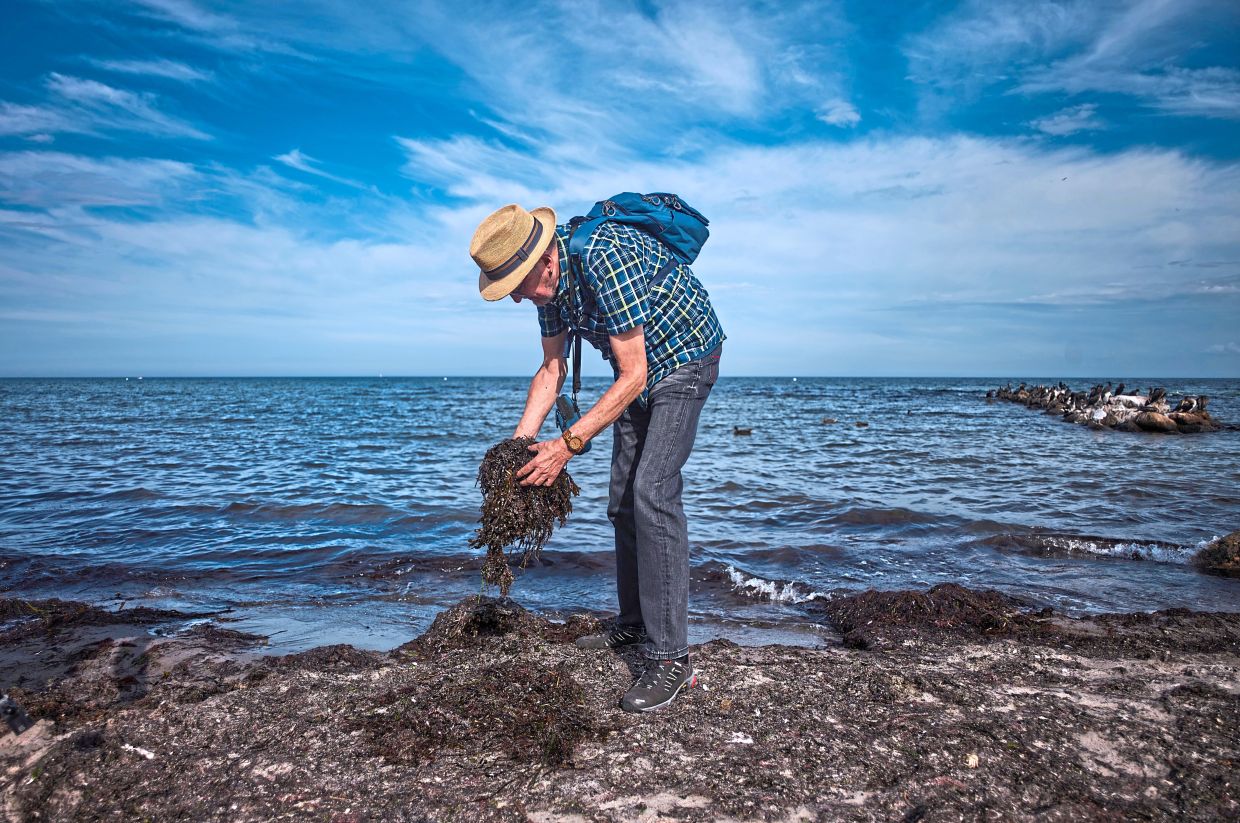
He walks down the boardwalk of the village of Dahme on the German Baltic coast, checks the wind and the surf, looks at the different kinds of mussels and algae that have been washed up, and points to a small bulge on the beach.
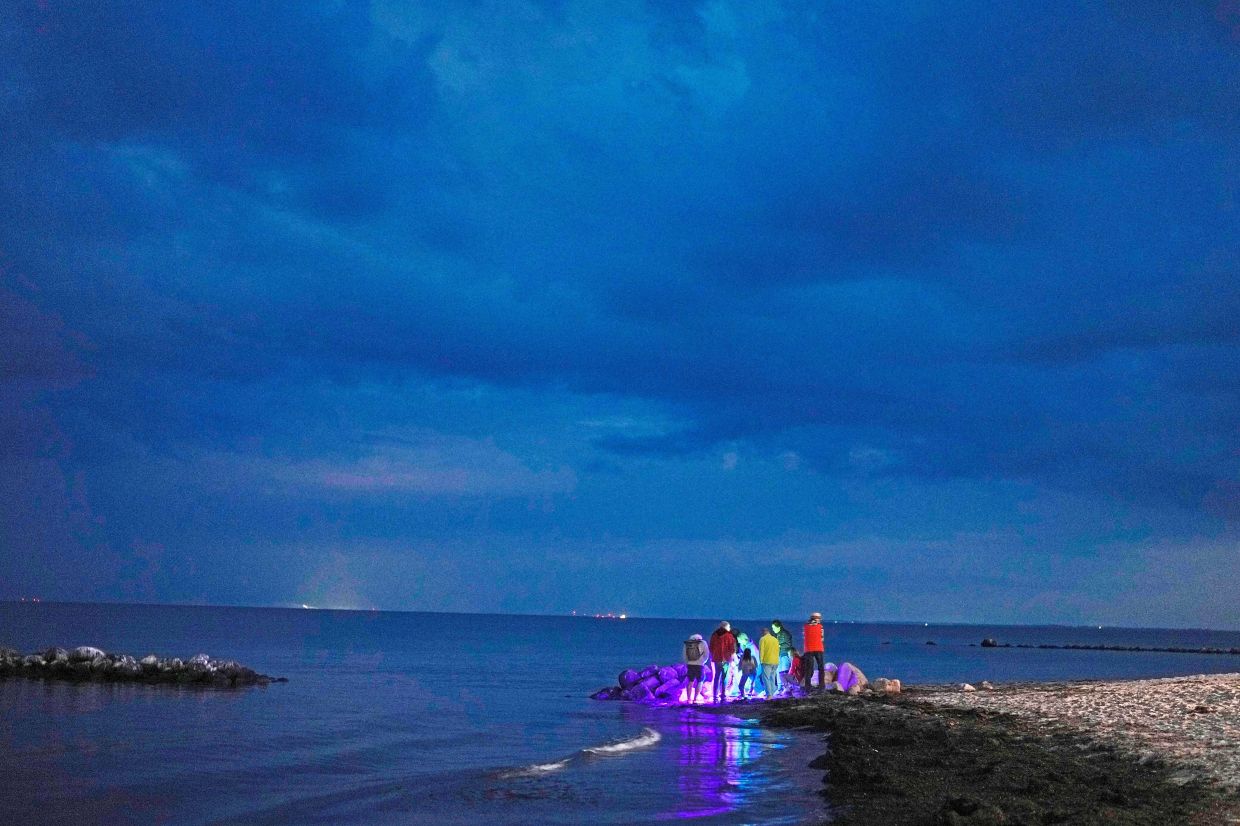
Eagerly, a dozen people who have been following his every move, jump down to the waterline, pull up seagrass and kelp, and, indeed, after a few moments one of them triumphantly holds up a little piece of shiny, honey-coloured amber.
"Unbelievable. I’m 57 now and grew up on the Baltic Sea, and I’ve never found it before," says Frank Philipp. "I’m really excited about it. Now I’m digging around more and I’m hooked.”
Kramer, a 66-year-old nature guide, has been collecting amber since he was six years old. At some point he realised that he has talent – or just decades of experience – for discovering the coveted pieces and started offering amber collecting tours for locals and tourists alike.
People living along the Baltic Sea – from Denmark and Germany to Poland, the Baltic states, and up north to Sweden – have been collecting amber for thousands of years. They made beautiful jewellery out of it, used it in barter and placed it in graves.
Even today, amber stores line the Baltic coastal towns, and many tourists take necklaces, earrings and rings home with them as souvenirs.
Contrary to what many believe, amber, which is has also dubbed the "gold of the ocean”, is not a gemstone or a jewel, but fossilised resin.
While some kinds of amber are up to 400 million years old, Baltic amber is only around 45 million years old. It originates from the forests in Finland and Sweden and was brought to the Baltic coast by glaciers during the Ice Age. Because resin is sticky, one can sometimes find so-called inclusions of insects or plants inside amber – they were initially stuck to it when the resin dropped off the trees.
"There used to be 120 commercial grades of amber, all very different, from practically black to practically white," said Vollrath Wiese, a biologist and expert on amber. ”Bony white forms with lots and lots of bubbles inside and beautiful, almost clear amber, honey-coloured."
"Whether amber is transparent or not actually depends on the number of microscopic (air) bubbles it contains," said Wiese, as he showed some of the most valuable pieces of the amber collection at the House of Nature museum in Cismar, which he runs.
The value of amber, which is called Bernstein in German, depends on its quality and runs from a few euros per gram for regular pieces to up to more than €1,000 (RM4,950) for especially beautiful, big pieces with rare inclusions such as scorpions, small lizards or spiders.
However, for Kramer, the nature guide, the real value of amber can't really be measured in money.
"Collecting amber makes you happy,” Kramer said with a big smile. "Many people tell me that collecting amber is better than yoga. It’s pure therapy.”
He said that everyone, from children to older people, enjoys his amber collection tours tremendously and often comes back again and again.
"I’ve had CEOs who crawled around on all fours on the beach and were delighted when they found a small piece of amber,” Kramer said.
Authentic or not
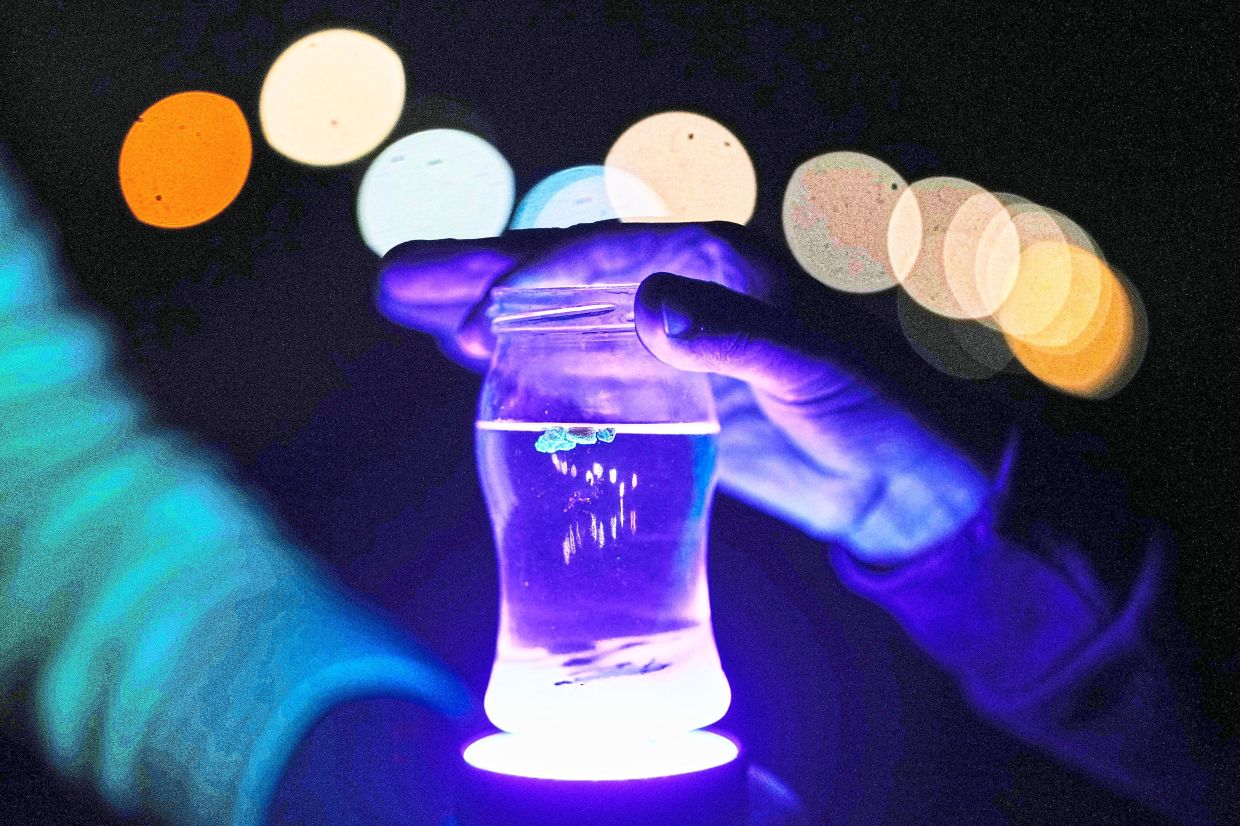
Once a newbie has found a piece, they come to Kramer and ask him to check it – to find out if it's real amber or just an ordinary stone or piece of plastic. To find out, Kramer pulls out a small glass jar with highly concentrated saltwater inside and drops the piece inside. If it sinks, it's a stone, if it swims, it's amber.
In addition to the water test, a wool cloth also does the job: dry amber becomes electrostatically charged when rubbed and attracts paper scraps.
In recent years, collectors have come up with another unique way of identifying amber. They go out at night, lighting up the beach with flashlights equipped with black light. When amber is exposed, it glows up in a bright yellow colour. This way, collectors can also find tiny pieces hidden between stones and wood that they wouldn't notice in daylight because they are too small.
While many beach lovers collect amber on their own, organised collection tours, like the ones offered by Kramer, have sprung up in recent years in almost every resort town on the Baltic Sea in Germany. The walking tours cost around €10 to €20 (RM49.50 to RM99) and in addition to the amber hunt on the beach they often include lectures about folk customs surrounding amber.
In the Middle Ages, people attributed magical powers to amber and believed it protected them against witches and demons. Nowadays, many parents in Germany put amber necklaces on their babies because they are supposed to help with teething. And many jewellery stores on the Baltic Sea offer amber collars for dogs, which supposedly keep away ticks.
However, more than anything, collecting amber seems to be fulfilling, says Marion Ruprecht. The 54-year-old from the western city of Bochum, who works in the administration of a hospital, has been vacationing in Dahme for over 40 years.
"I find it absolutely thrilling, exciting, and also a lot of fun," she said, as she proudly held up two pieces she had found during a night tour with Kramer. "I just think there’s nothing better to do in the evening – it is relaxing and slows me down.” – AP