National Day is in two days, and crafter Sharmila Kaur, 46, is all set to celebrate the nation’s 68th year of independence with fervour.
Her Jalur Gemilang flag – a symbol of unity and patriotism – is ready to be displayed.
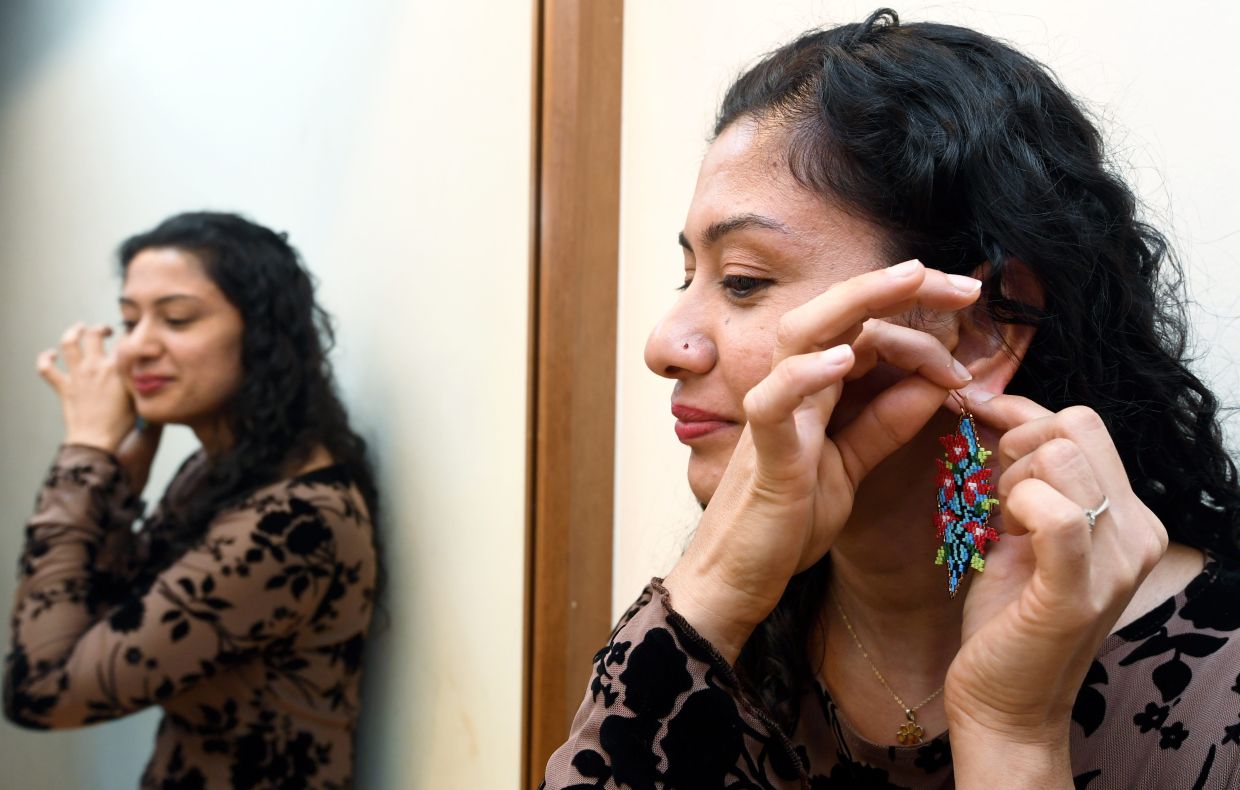
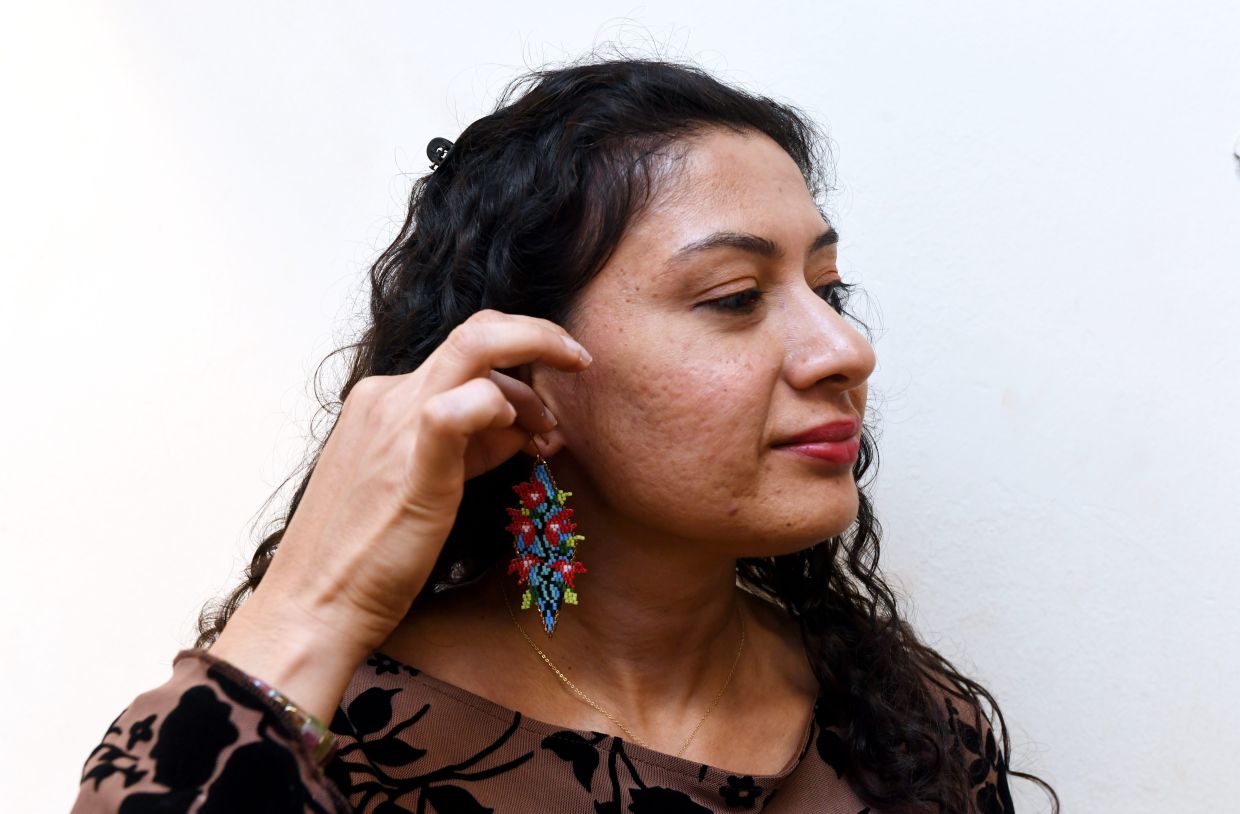
But what truly stands out this year is her latest creation – a pair of hibiscus-inspired beaded earrings, specially designed in honour of Malaysia’s National Day.
The hibiscus was declared the national flower by our country’s first prime minister Tunku Abdul Rahman Putra Al-Haj in 1960. Its vibrant colour symbolises courage and vitality, while the five petals represent the five principles of the Rukun Negara.
For Sharmila, it symbolises strength, beauty and resilience.
“Its bright red petals remind me of love and unity. That is why I wanted to capture its essence in my beaded earrings, so that anyone who wears them can carry a little piece of Malaysia with pride,” says Sharmila during an interview in Rawang, Selangor.
The bead crafter is proud of her country’s rich heritage and believes Malaysia’s vibrant culture and lush biodiversity are treasures worth celebrating.
She is always thinking of ways to showcase the beauty of all things Malaysian – from traditional motifs to the wonders of local flora and fauna – in her beaded earrings and pendants.
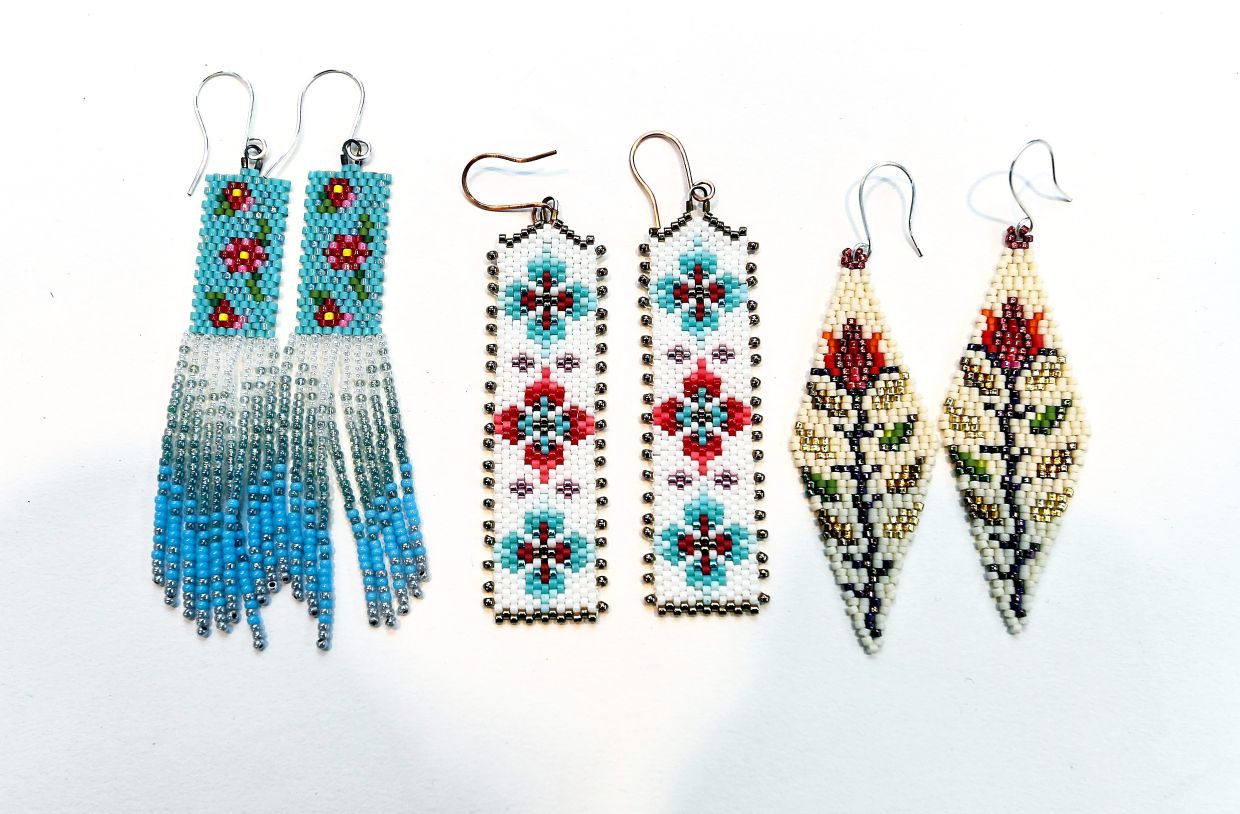
Her earrings are inspired by the songket, batik, ketupat, Peranakan tiles and kelarai (a checkered woven pattern).
“By taking inspiration from these cultural elements, I’m able to promote our unique Malaysian identity. It is very gratifying to see our heritage reflected in beaded jewellery – they tell stories about our culture, history and traditions.”
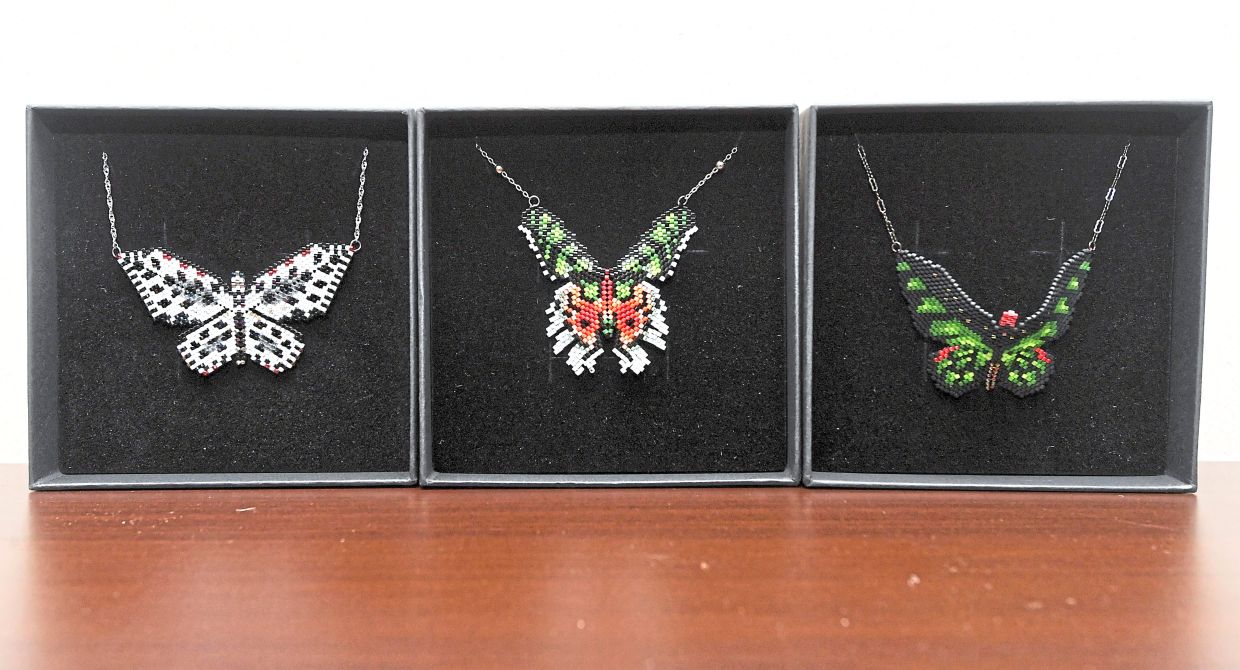
Nature forms another rich source of ideas for her creations.
“I am inspired by landscapes. Nature is my go-to guide most of the time. It’s always said that nature is the best designer,” she shares.
Her floral and fauna earring and pendant collection includes designs featuring the bougainvillea, caladium, myosotis (forget-me-nots), insects such as the paper kite and Rajah Brooke butterflies, the Madagascan sunset moth, snakes and peacock feathers.
“I look at the colours found in nature and think of how to incorporate them into my designs. I also observe the symmetry of flowers or the hexagonal pattern of a honeycomb and use them as inspiration.”
Beads of joy
Sharmila worked as an internal auditor for 14 years before deciding to quit her full-time job in 2000 to make beaded accessories.
“I didn’t hate my job; I was pretty good at it. But deep down I knew that kind of life was not for me, and I couldn’t imagine working as an auditor for the rest of my life.
“I craved for something different, with a harmonious equilibrium between work and personal commitments. I am a big advocate of spending my life doing what I enjoy and love,” she says.
“It was a risky attempt but you would never know until you tried it, right? If it (turned out well), then I would be lucky. But if I failed, I could always go back to a full-time job.
“Thankfully I have a supportive husband. While it isn’t easy, it feels rewarding and fulfilling,” adds Sharmila, who holds certifications from the London Chamber of Commerce and Industry and the Chartered Institute of Management Accountants.
To start a creative business, advises Sharmila, develop strong skills in your craft, be patient while learning, and create a clear plan to build a unique brand
She adds that it is important to promote one’s work to gain exposure, and that people should not hesitate to experiment and push creative boundaries.
She admits that initially, quitting her full-time job wasn’t easy. Her biggest problem was boredom.
Before fully committing to beadwork, she tried other ventures, including a home-based dog boarding service for a year.
“It was a good experience. I loved taking care of these furry kids, but it was not my true calling.”
Next, she dabbled in an online business, selling handcrafted crochet bags from Mexico.
“I was so thrilled that sales were very good. That gave me the confidence to venture more into this handmade business. Then I thought of selling more handmade accessories, such as earrings and necklaces.
“While surveying on things to sell, my husband gave me an epiphany. He told me to make something on my own, develop a new skill and not to rely on others, which was a brilliant idea. I have loved earrings all my life, so beaded ones are a plus.”
A trip to Kuching – famous for Indigenous beadwork – in 2017 inspired her passion further.
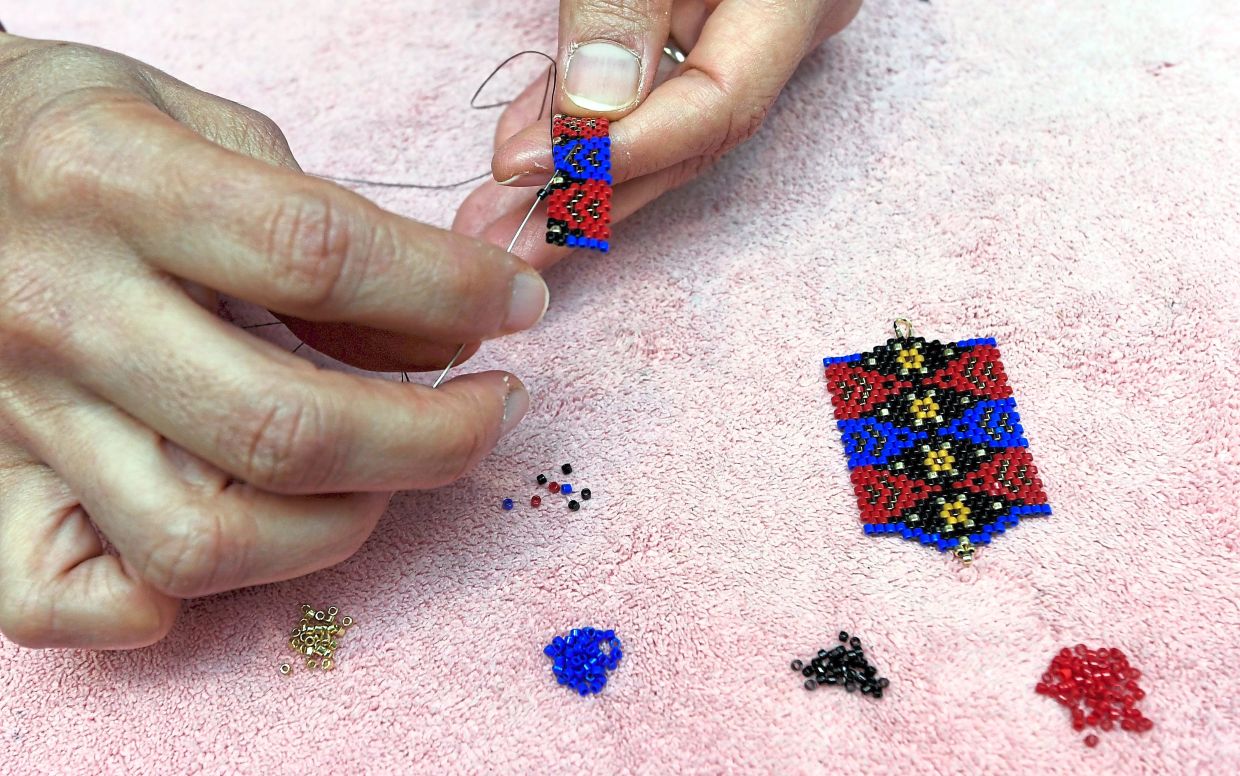
“It is an amazing art with vibrant colours and graceful fluidity. It was always my dream to make beaded jewellery. I am glad I have fulfilled my dream,” says Sharmila, who learned bead stitching through YouTube tutorials, mastering ladder stitch, brick stitch, herringbone stitch and more.
A fun hobby
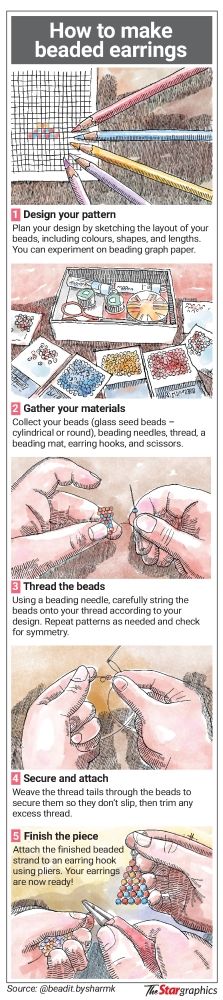
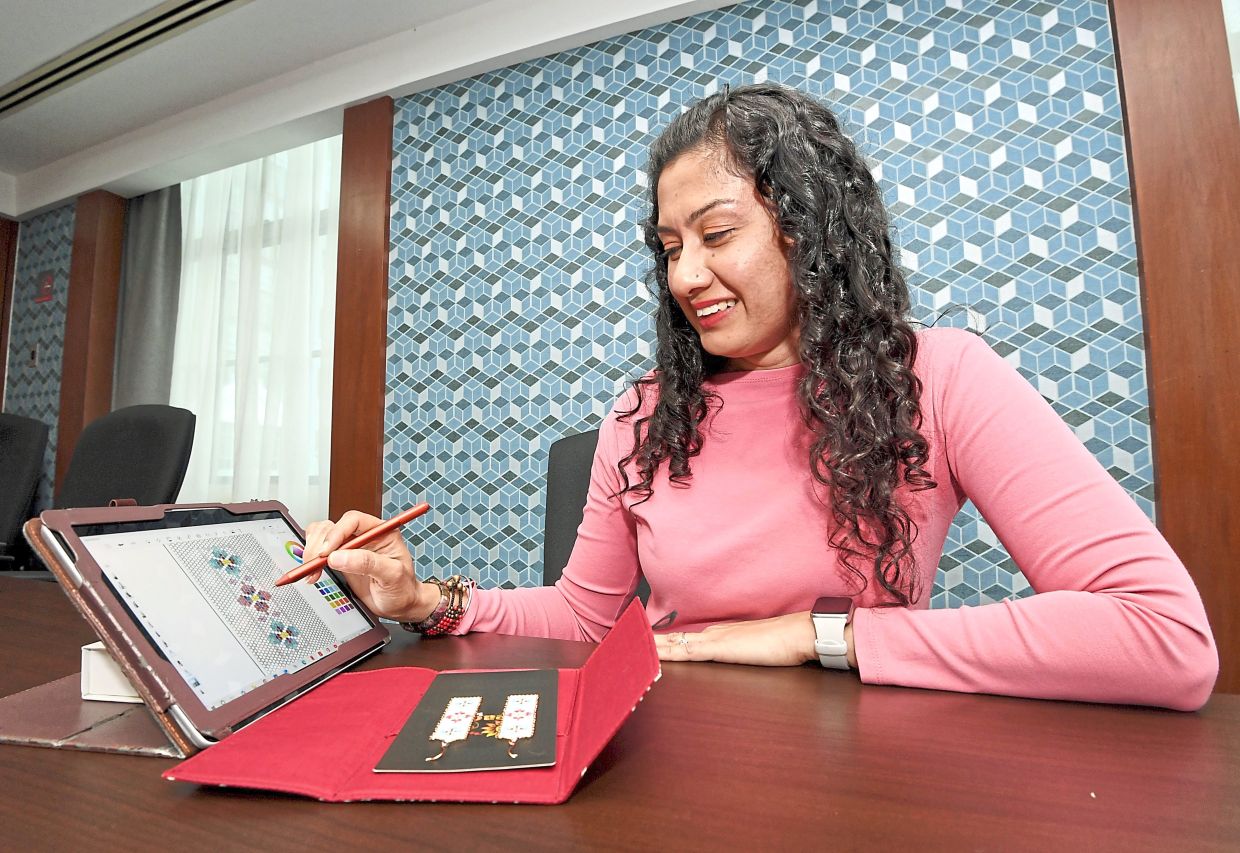
Sharmila uses a digital tool called Sketchbook to develop her ideas.
Depending on the complexity, it takes between three and 10 hours to complete a pair of earrings.
She often uses Japan’s Toho and Miyuki beads, which come in cylindrical and round shapes. For her, they are better in quality.
Cylindrical beads are tubular and ideal for tight-fitting stitches like peyote, ladder, brick and herringbone, while round beads suit brick and fringe stitching.
“I love all beads; the more, the better. They come in many colours – matte, metallic and transparent – and in sizes ranging from 1.5mm to 2mm. They are made of glass, perfect for intricate designs and weaving techniques,” says Shamila, who sources the beads from Sarawak, Kuala Lumpur and online suppliers in China.
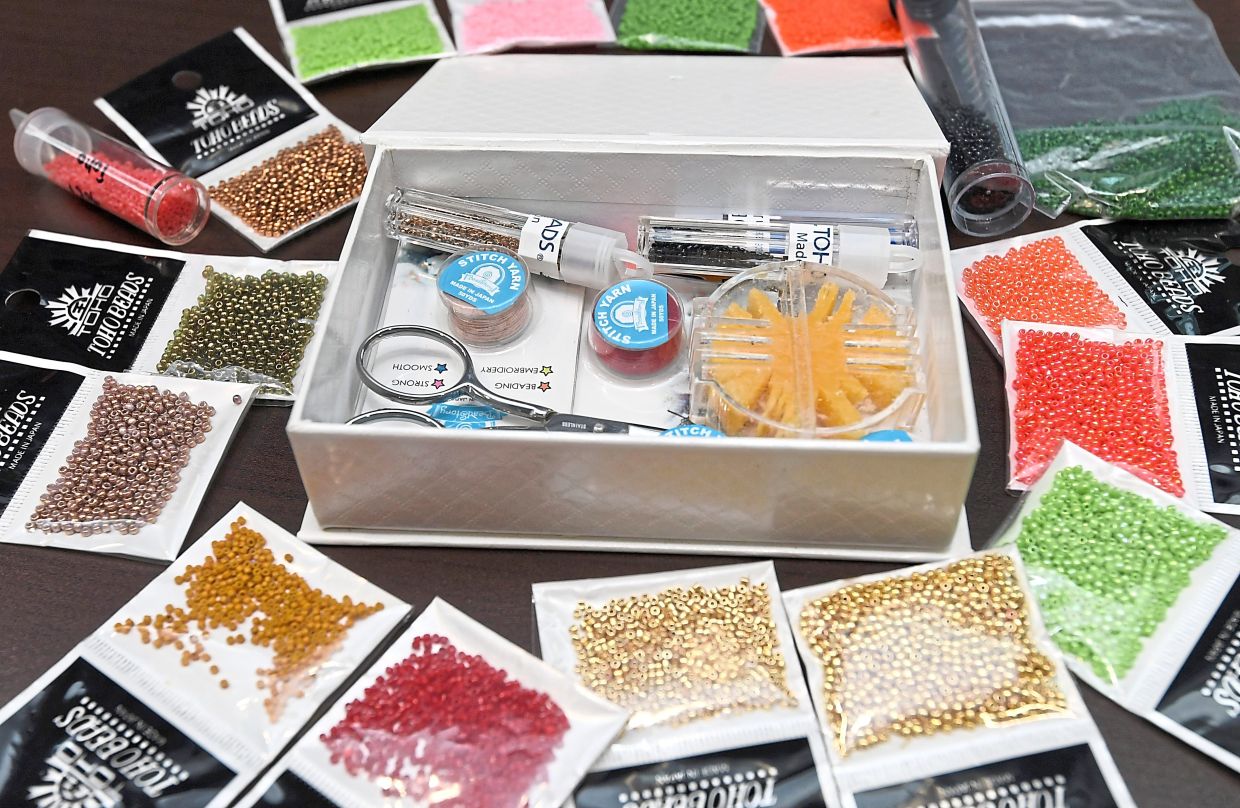
To Sharmila, beading is more than a hobby – it’s fun and a creative outlet.
“But most importantly, it is therapeutic. Beading sharpens your focus, requires patience and reasoning, and also calms the mind. You’d be surprised what you can create with tiny seed beads,” she says.
Her Instagram handle, @beaditby.sharmk, was inspired by her favourite Michael Jackson song, Beat It.
Any challenges in learning beadwork?
“Learning something you love is never intimidating. It has been a pleasant experience. I had the time, resources and support.
“Of course, there were physical strains like neck aches – I had to invest in a proper chair and magnifying glass – but the satisfaction of creating something beautiful makes it all worthwhile.”
And with each piece, she weaves not just beads, but joy, meaning and a celebration of Malaysia’s rich identity.