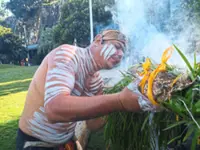
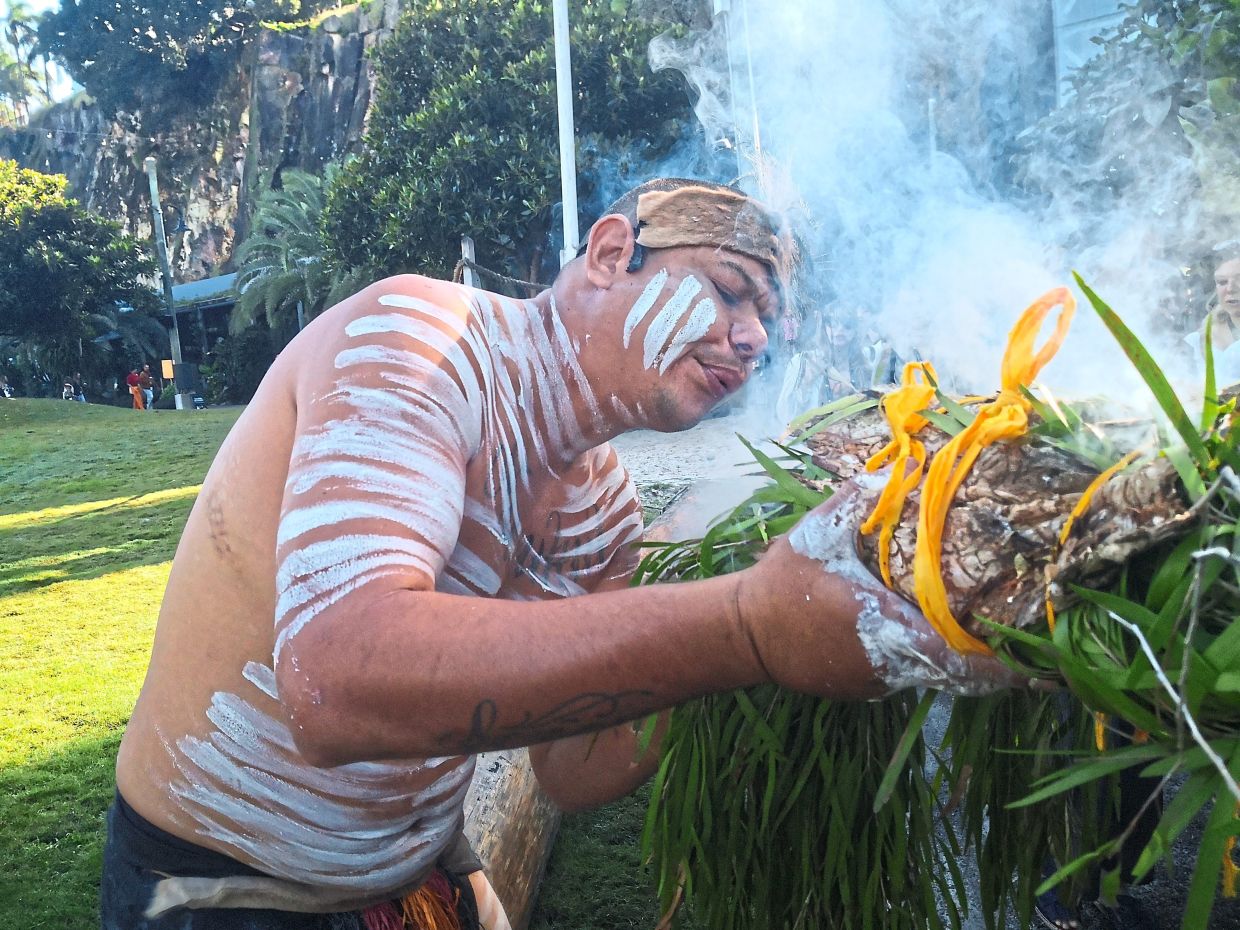
As the late afternoon sun glistens off his sweat-drenched body paint, the half-naked man glances at his firestick and quickly raises it up to his lips after realising that the glowing embers within are about to extinguish.
With just a few well-timed puffs of breath, the Turrbal tribe elder expertly brings the fire back to life with smoke once again billowing from the handy wood and fresh grass contraption.
Although just part of an Aboriginal extravaganza by representatives of the First Nation Aboriginals in modern-day Brisbane, this exact enactment could very well have been part of the daily lives of the people who called this amazing place home more than 65,000 years ago.
Sophisticated knowledge
Believed to have originally migrated from Asia, the Aboriginal people in this land known today as Australia adapted to the continent’s varied landscapes that ranged from coastal areas to inland regions by segregating into complex hunter-gatherer societies with distinct linguistic differences and diverse territorial groups, including the Quandamooka in modern-day Queensland.
Developing a strong connection to the land with sophisticated knowledge of plant and animal life, female group members gathered food while their male counterparts hunted, taught the young survival skills and maintained social structures.
In this division of labour, the latter favoured implements like spears, axes, throwing-sticks or clubs and boomerangs to catch animals, while the former mainly used digging sticks to unearth succulent tubers.
Energy-dense food sources were highly prized, as they provided sufficient amounts of protein, fat and carbohydrate to ensure survival in the harsh and unforgiving Australian outback.
New studies and the latest archaeological discoveries have shown that these resourceful people not only obtained nourishment from a wide variety of plant-based foods, including nutrient- and fibre-rich roots, seeds, fruits and vegetables, but also exhibited a deep understanding of food preparation.
At the same time, food acquisition and processing also became more efficient through innovative conceptions like the development of edge-ground axes and grinding stones.
As time passed, these ultimate foragers gradually acquired sophisticated techniques to harness the awesome power of fire for various purposes, including heating, land management and cooking.
Equally crucial to mastering the ability to produce sufficient heat needed to set wood chips ablaze was the invention of ember-preserving firesticks that allowed hunters and travellers to dispense with the inconvenience of having to create fire from scratch to cook food each time they were out searching for prey or walking in the bush for days on end.
Traditionally, Aboriginal cooking methods included roasting meat in hot ashes or earth ovens and wrapping seed cakes in paperbark before roasting them in hot ashes.
Prior to cooking, whole animal carcasses like large kangaroos and wallabies were first thoroughly singed to remove hair from the skin.
After that, they were removed from the flames, gutted and all remains of the fur were scraped off with a sharp implement before being placed on a bed of hot coals until the cooking process was completed.
Insightful eating habits
Just a 45-minute ferry ride away from Brisbane are areas encompassing Quandamooka territory, including neighbouring North Stradbroke Island and Moreton Island.
Together with Fraser Island located further up north, the former and latter make up the three largest sand islands in the world, respectively.
At North Stradbroke Island, Elisha Kissick brings to life fascinating food sourcing and preparation tales that have been passed down for generations.
Halting briefly at Capembah Creek on the southern end of the island, the knowledgeable Quandamooka woman points out an ancient midden that has provided historians and researchers with insightful information on past indigenous food preparations and eating habits.
“Consisting primarily of shell and animal bone discards, this 3,000-year-old midden is just one of many found throughout the island. Having a deep understanding of hygiene, my ancestors shared meals by the creek here and not at their homes, which were always built a distance away.
This was because they knew that food scraps attracted flies and other disease-bearing organisms,” she explains before pointing out that koalas were not typical food sources, as the marsupial’s diet of toxin-laden eucalyptus leaves gave their flesh an unpleasant bitter taste.
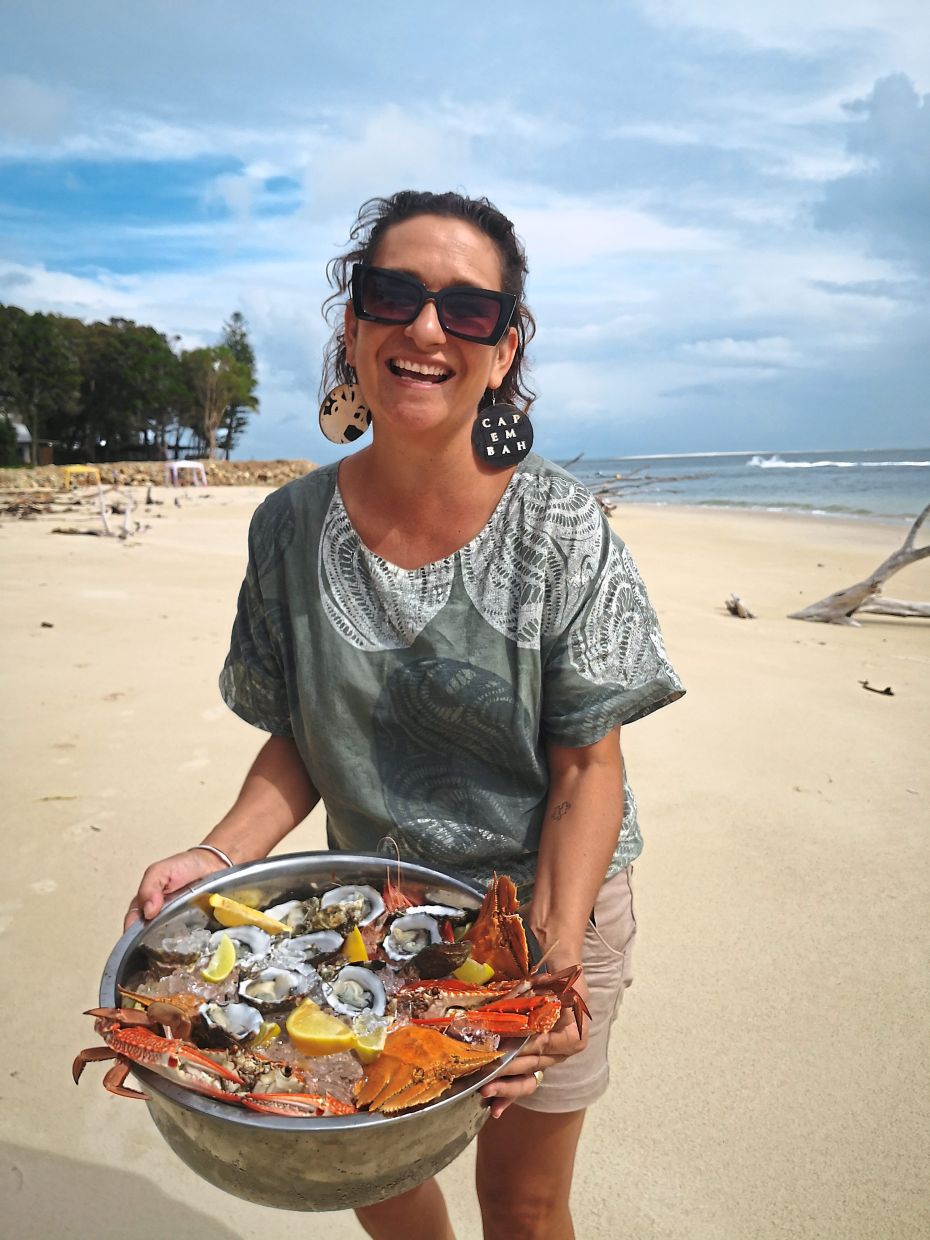
According to Kissick, shellfish like mud mussels were usually cooked briefly on the coals at the side of a fire and removed from the heat source as soon as the shells opened slightly and the contents within started to froth. This simple yet effective cooking style not only made the flesh easily accessible but also prevented it from becoming overcooked and tough.
During communal gatherings, earth ovens were used to cook larger quantities of shellfish. Also known as “kup murri”, this innovative cooking contraption involved digging a pit and filling the base with hot stones. The food, layered between leaves and earth to prevent heat loss, was left to steam until ready for consumption.
Observing nature
Reaching a secluded cove, Kissick highlights the ocean’s importance as a vital food source to her Quandamooka people.
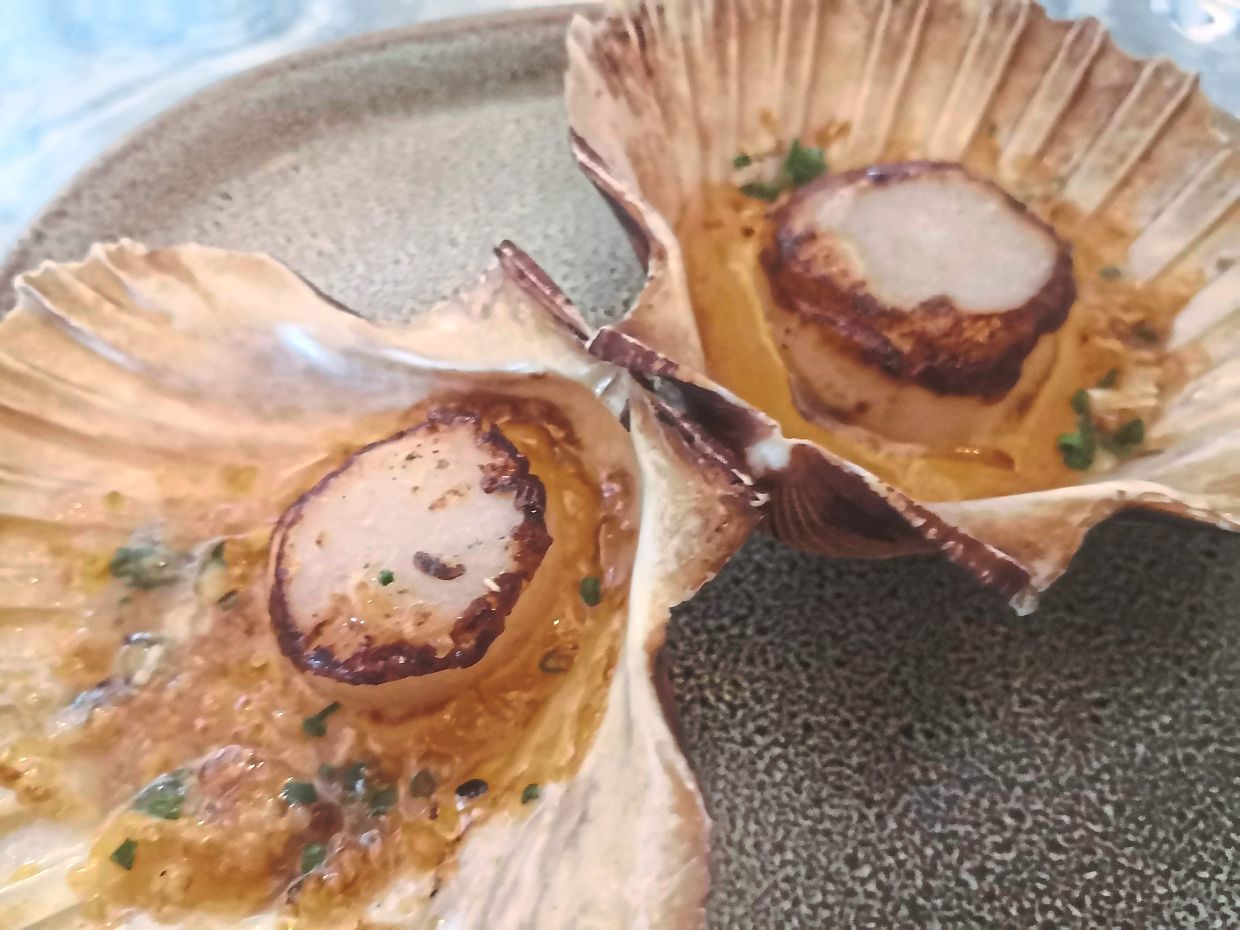
“Like modern-day Queenslanders, the ancients harvested oysters, mussels, razor clams, scallops and other shellfish from the sea.
Keenly observant to changes in nature, they came to realise that mullet was abundant in the channel between North Stradbroke Island and Moreton Island when parrots took to the sky in huge flocks, while en masse caterpillar movements coinciding with simultaneous wattle flowerings served as key signals to lower the nets to catch migrating schools of tailor fish,” she declares.
While the Quandamooka people cooked food and derived warmth from campfires, their elders used these get-togethers to recount past legends.
Also referred to as Dreamtime stories, these knowledge-filled tales established a profound connection between the group’s younger generation and the land, animals, sky and water where they lived.
Most intriguing is the story about an unusual human-animal cooperation. When fish were in abundance, the men walked out to sea and splashed the water with their spears.
The commotion roused the curiosity of dolphins in the vicinity. Swimming towards the shore to investigate, the dolphins fortuitously herded fish towards the waiting nets. In return, the inquisitive dolphins were generously rewarded for their supportive role with part of the harvest.
Exploring the island
Although this symbiotic synergy has long faded into the annals of history, memories of this mesmerising relationship live on at neighbouring Moreton Island through Tangalooma Island Resort’s wild bottlenose dolphin feeding program.
With endangered aquatic mammals like humpback whales frequently passing through Moreton Island waters on their annual migration, the resort’s Eco Centre plays an important role in overseeing best practice adherence in the hugely popular government-permitted dolphin feeding programme as well as spearheading crucial wildlife conservation and education efforts within the extended Quandamooka territory through various activities, including the Moreton Island National Park Explorer Walk.
During the exhilarating two-hour ramble, Joseph Scott reveals that people in the past supplemented their primary marine-based diet of shellfish, crustaceans, dugong, turtle and fish with various edible plants found on the island.
“The traditional bush tucker encompasses edible native Australian plants and animals. While the exact diet composition depended heavily on location and season, it generally included fruits, seeds, roots, vegetables and animals like honey ants, kangaroos, emus and fish,” the Tangalooma Island Resort marine educator details.
Tasty ancient crustacean
Pausing briefly at the elevated Moreton Island Lookout to highlight the surrounding bushland diversity, Scott draws attention to a nearby Pandanus plant.
“Its fruit turns from green to orange-red when ripe. Known to cause mild to severe mouth and throat irritations when consumed raw, the knowledgeable Aboriginal people first roasted the fruit before eating it. Apart from making the flesh palatable, the cooking process also renders the fruit’s solitary seed edible,” Scott explains.
A little further down the track, the sight of a blooming Banksia tree prompts Scott to state that the Quandamooka people crushed the nectar-rich flowers and used the extracted sweet syrup to flavour food, including flour cakes made from Bungwall fern root tubers.
On the way back, Scott gestures towards several acacia trees and highlights the fact that the Aboriginal people capitalised on the natural curves on the wind-swept, gnarled branches to make returning boomerangs. Apart from enjoying cultural and ritual significances, boomerangs were also used for hunting and digging for food both on land and in water.
“Besides using the boomerang to club turtles and dugongs, they also used it to dig for Moreton Bay bugs embedded in sandy sea beds,” he explains.
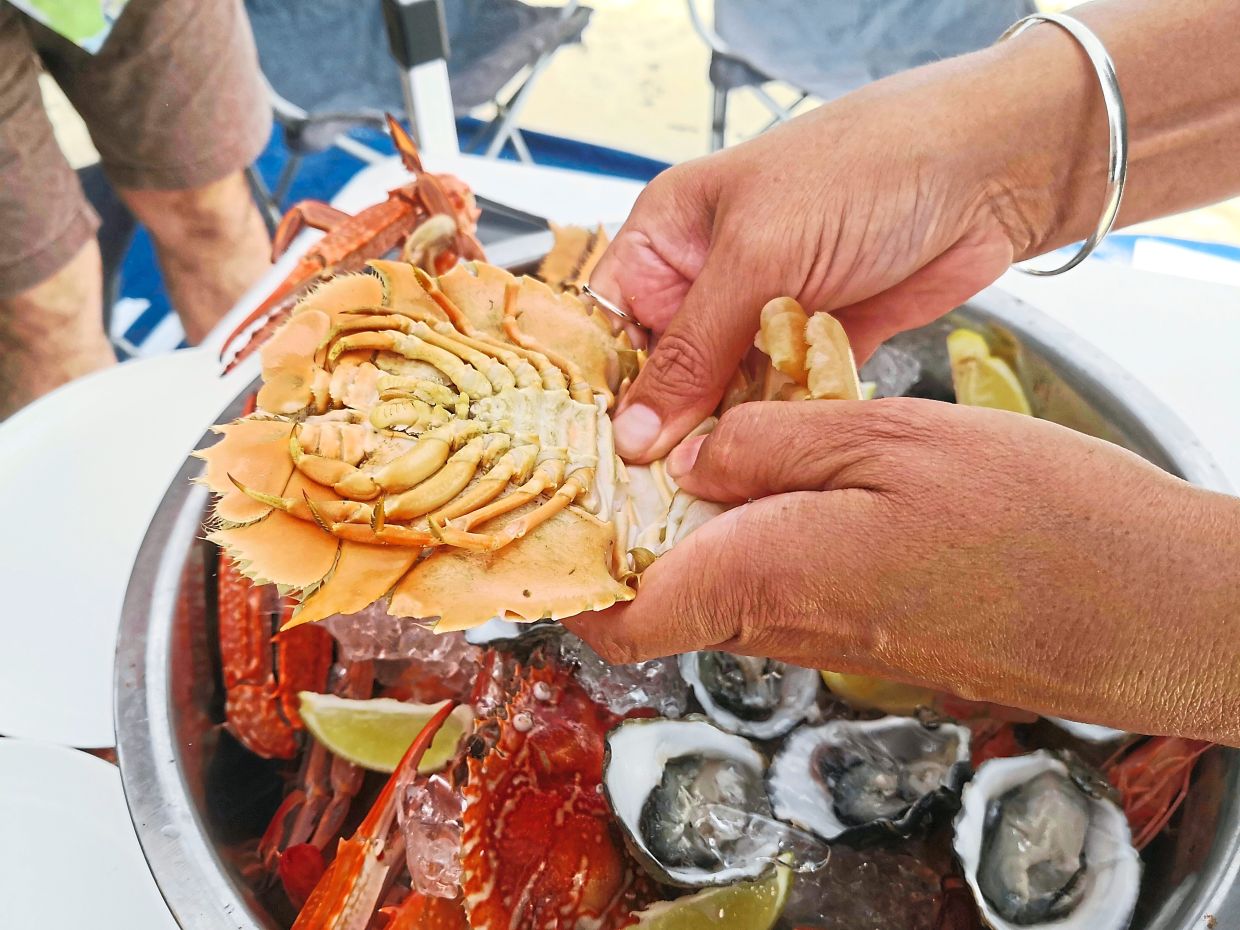
More commonly known as the slipper lobster, the Moreton Bay bug features prominently in the Quandamooka diet.
Although this ancient crustacean is still caught today using contemporary fishing techniques, Aboriginal harvesting methods in the past were considered more sustainable, as they were only caught to fulfil the needs of small, close-knit local communities.
Modern interpretations
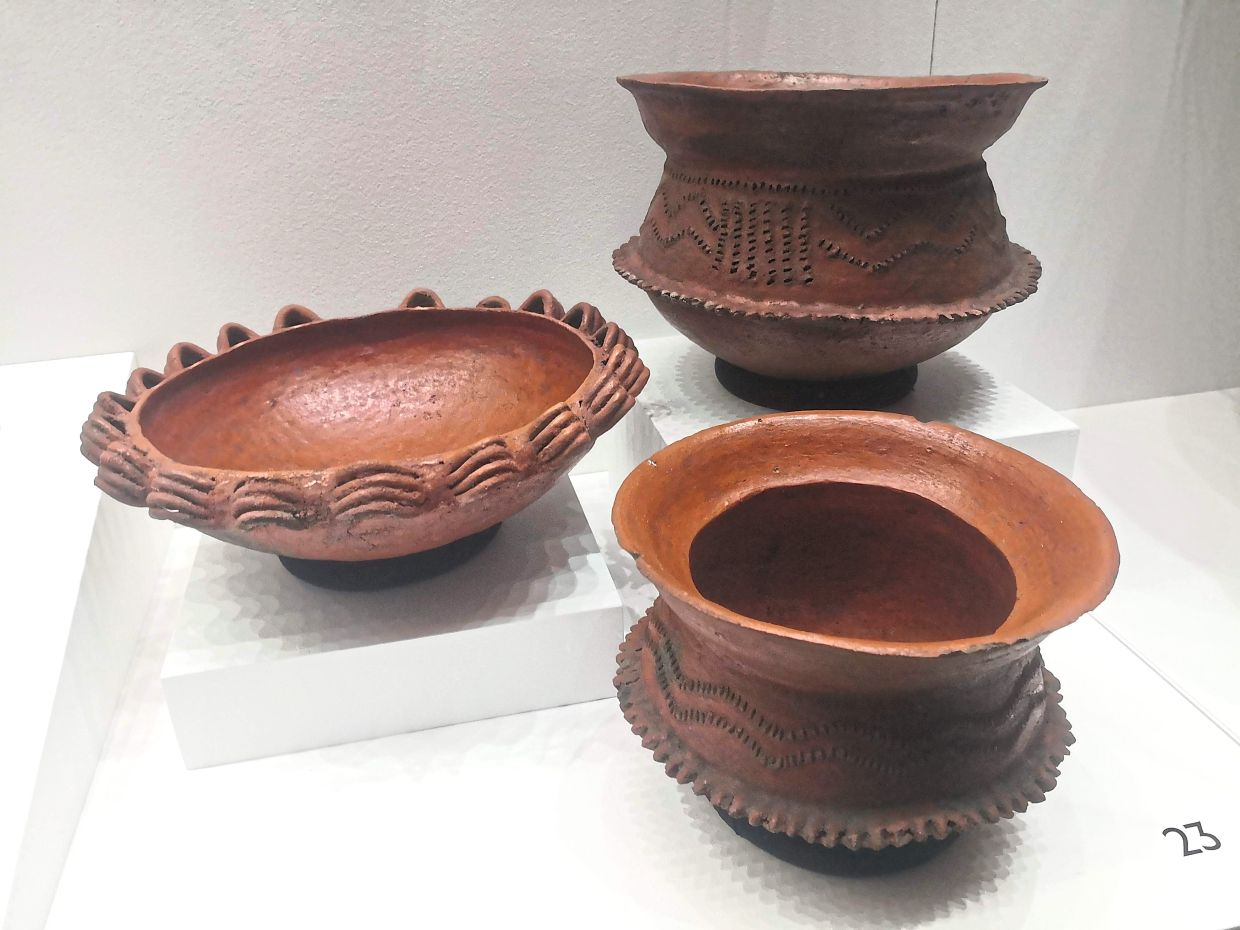
While a visit to South Brisbane’s Queensland Museum provides a deeper understanding of various Aboriginal culinary practices like the use of large baler and clam shells to cook and carry food, it is the modern interpretations of traditional seafood at contemporary restaurants in the city that have been receiving much attention from discerning gourmands.
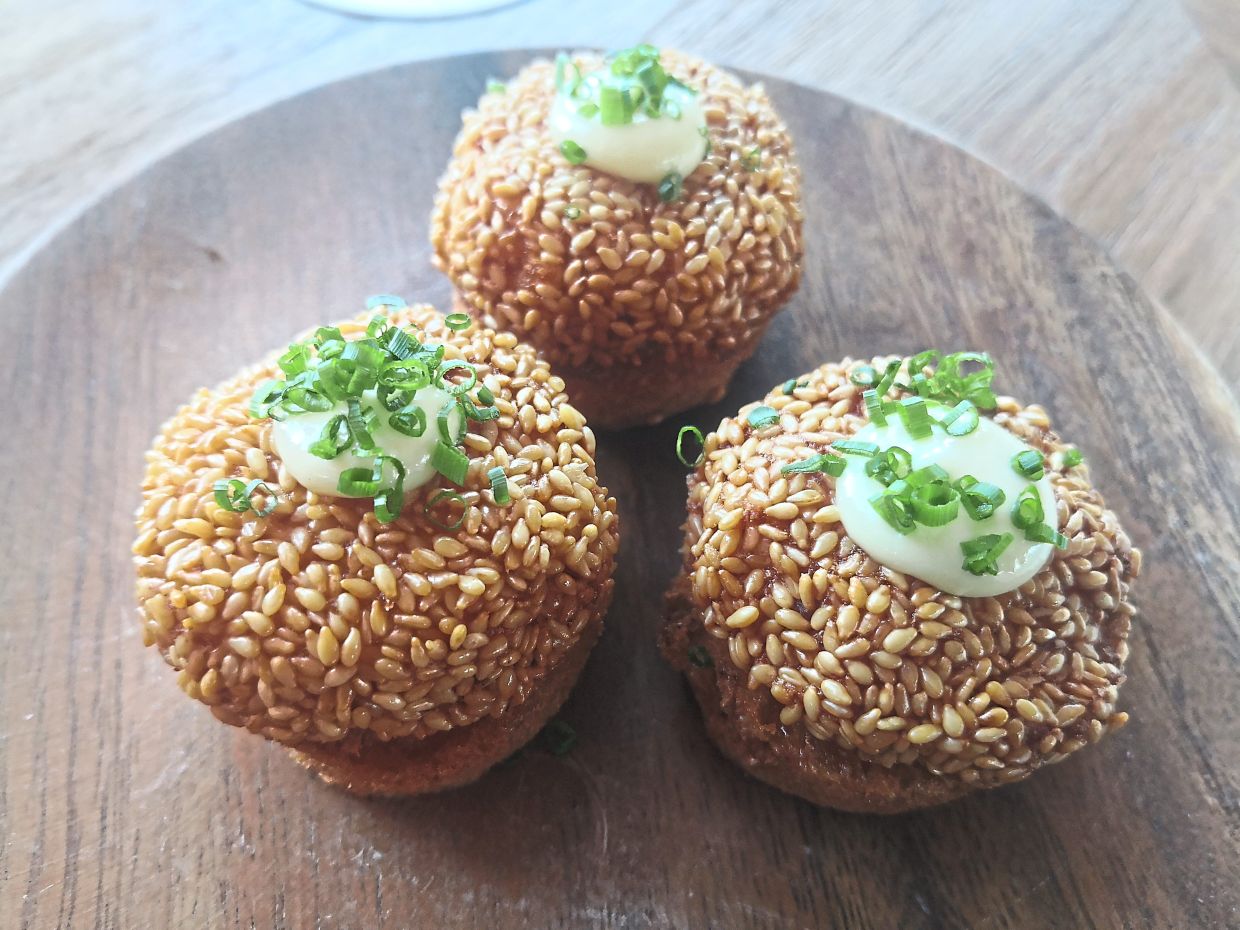
Although Supernormal Brisbane’s Moreton Bay bug toast does not bear any external similarities to the peculiarly shaped but tasty crustacean, this crispy sesame-crusted prawn and scallop toast is the perfect meal starter, as it is filled to the brim with fresh and juicy Moreton Bay bug flesh.
Recently named one of the Best New Restaurants in the world on Condé Nast Traveller’s Hot List 2025, this riverside offshoot of Melbourne’s acclaimed laneway diner not only boasts of a menu that celebrates local produce and connects with local Queensland farmers, fishers and foragers but also treats diners with spectacular views of the stunning Brisbane skyline.
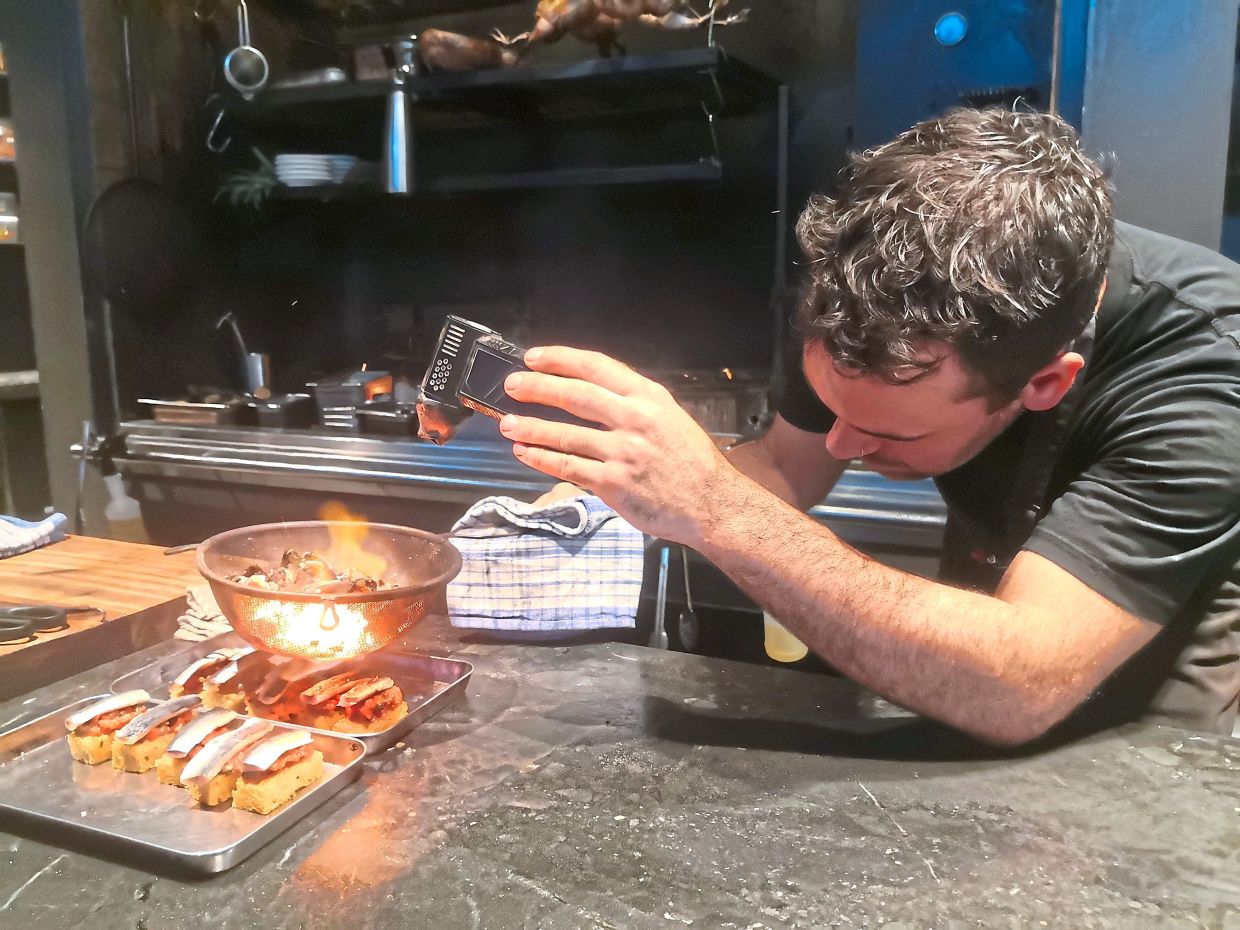
The Brisbane culinary experience comes full circle at Fortitude Valley’s Agnes Restaurant. Voted Australia’s Best Restaurant in 2023, this popular dining outlet’s cooking with fire engagement combines drama and spectacle with novel dining perspectives.
Inspiring recollections of the Quandamooka people feasting on shellfish at the Capembah Creek midden, Agnes Restaurant’s live flambadou demonstration involves the use of melted beef fat from a flaming metal cone to sear freshly shucked oysters.
Together with the use of air blown over hot coals to sear sardines on toast, this interesting cooking technique that dates back to the Middle Ages serves as the perfect end to a truly memorable Australian culinary experience that transcends time.