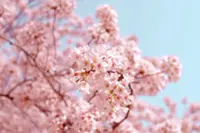
For about two weeks every spring, my letter carrier, delivery drivers and just about everyone else who walks into my yard comments on the deliciously strong scent emanating from the two lilac shrubs flanking the front gate.
Most days, the breeze carries the fragrance all the way to the front door or even indoors if the windows are open.
Not many flowers have that power. Some never did. Others no longer do, thanks to breeding that has developed bigger, prettier, hardier and disease-resistant plants at the expense of scent.
Most carnations and violas aren’t what they used to be, and even some roses are now fragrance-free.But if it’s an intoxicating perfume you’re after, there are still some flowers that will make your nose – and your heart – happy.
Gardening zones, also known as hardiness zones, are geographic areas in the United States defined by their average minimum winter temperatures. These zones help gardeners determine which perennial plants are most likely to survive the winter in a specific location.
Other lilac varieties that stand out for their scent include Syringa x Josee, Syringa vulgaris Krasavitsa Moskvy, also known as Beauty of Moscow, and Syringa vulgaris President Lincoln.
Magnolia, especially the southern grandiflora species, is another highly aromatic shrub or tree that puts forth large, sweetly fragranced flowers you’re not likely to forget. The more cold-hardy sweet bay magnolia (Magnolia virginiana) will provide a similar service in zones 5-10 or a warmer climate.
Texas lilac, also known as chaste tree (Vitex), is a beautiful specimen with purple flowers that bloom in midsummer, imparting a delightful scent that wafts through gardens.
Consider roses in the tea, gallica, damask and alba classes for the most intense scent.
As far as vines go, the scent of star jasmine (Trachelospermum jasminoides), a climbing evergreen vine with star-shaped white flowers, will stop you in your tracks.
Although not related, common jasmine (Jasminum officinale) also smells as good as it looks.
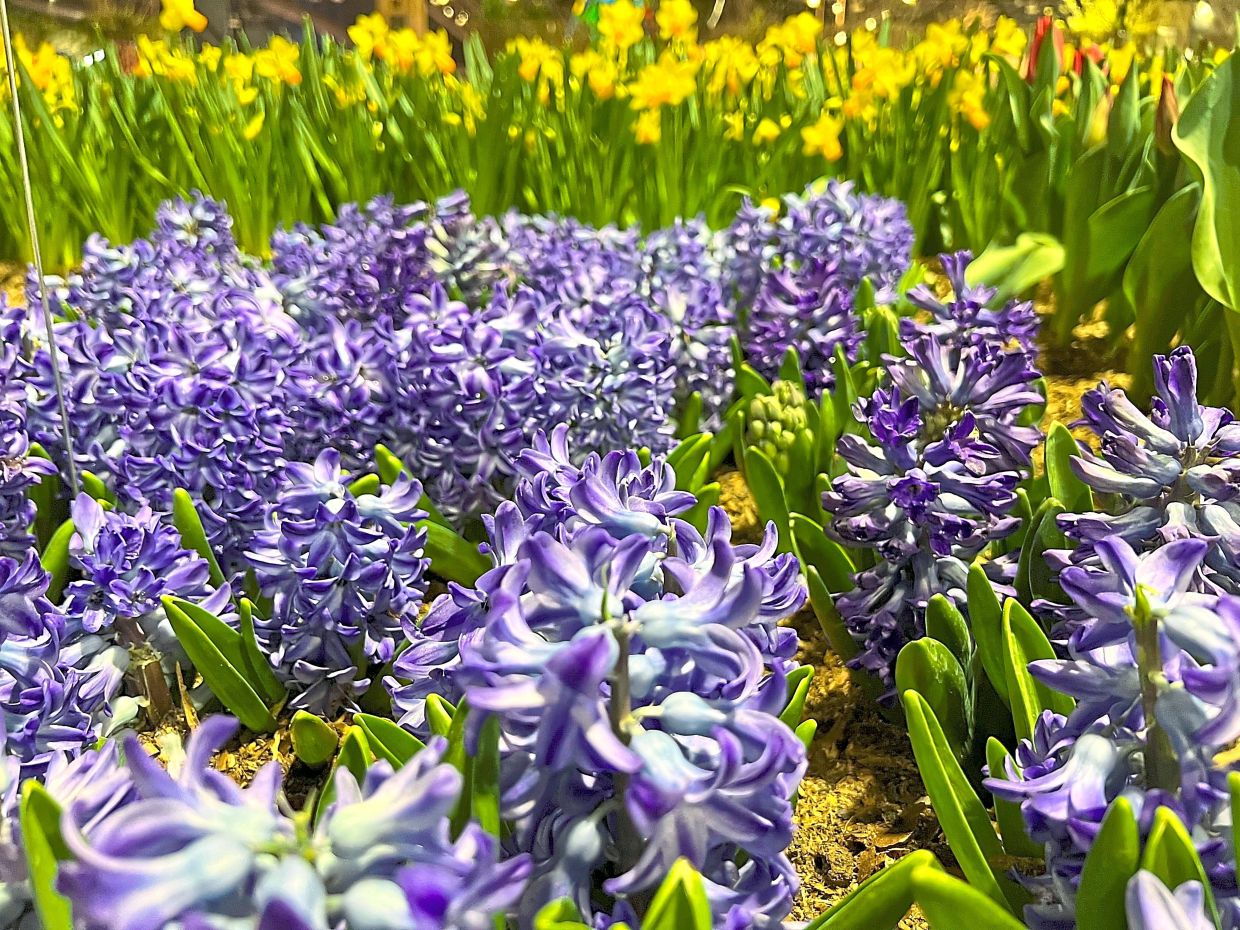
Dutch – or common – hyacinths (Hyacinthus orientalis) make the early spring garden smell delightful. Think ahead and plant a grouping of bulbs by the front door in autumn.
When shopping, let your nose be your guide. – By JESSICA DAMIANO/AP