An astronaut's take on 2021 climate disasters


By AGENCY
Pesquet recently finished up his second mission at the International Space Station. Photo: AFP

From his perch 400km above Earth, French astronaut Thomas Pesquet has had a unique perspective on the climate-fuelled natural disasters that have swept the planet over the past six months.

Pesquet recently finished up his second mission at the International Space Station, an experience that made him appreciate Earth's fragility like never before.

He spoke to AFP ahead of the United Nations climate summit that kicks off today (Oct 31), sharing his hopes and fears for the planet.

What images strike you the most?

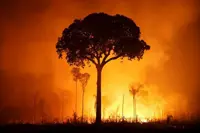
The massive storms and the forest fires. I have never seen anything like it, incredibly huge fires with plumes of smoke visible from space for days and days. It was striking to think about the energy it gave off and the damage it caused for people unfortunate enough to be in its path.

We had never seen so many extremely impressive tropical storms – you could practically see into the eye of the cyclone. They're walls of clouds with phenomenal power, coming more and more often and causing more and more destruction.

Does the Earth seem fragile?

Yes, absolutely. Seeing the planet from the window of your space craft makes you think. You only have to see it once: you can spend two days in space and just getting that distance, seeing the fragility of the atmosphere, that thin bubble that makes life possible in the vacuum of space, that incredible oasis – it changes your life.

When you see changes over the long term – sometimes you need more than five years to see it – you can't help but feel concerned.

That's why I became an ambassador for the (UN's) Food and Agriculture Organization, and an advocate for many environmental causes.

What worries you the most?

The idea that we might not succeed in reaching an agreement at an international level, and that economic concerns dominate over environmental ones.

It's a completely short-sighted approach. Over the long-term, profits are directly threatened by climate change. When you see the Great Barrier Reef not included on the list of endangered sites because of Australian government pressure, you think the priorities are wrong and we're in trouble.

The first thing to do is listen to the experts who have dedicated their lives to providing solutions on a local, regional, national and global level. We have to try to put solutions in place.

The most urgent task at hand is to decarbonise. You have to prioritise renewables and carbon-free energy. And that takes restrictive measures and international commitments for which countries can be held accountable. That's what COP26 is all about. – AFP Relaxnews

Get 20% OFF The Star Digital Access

Monthly Plan

RM 13.90/month

RM 11.12/month

Billed as RM 11.12 for the 1st month, RM 13.90 thereafter.

Best Value

Annual Plan

RM 12.33/month

RM 9.87/month

Billed as RM 118.40 for the 1st year, RM 148 thereafter.

Follow us on our official WhatsApp channel for breaking news alerts and key updates!
Next In Living

Heart And Soul: Hit film 'Dear You' evokes an overwhelming emotional response
Lonely end for race track: 132-year-old Aqueduct runs its last race
How this Malaysian couple helps clean up hoarder homes
Why hoarding disorder deserves more understanding in Malaysia
This mental trick may help you get more exercise
China's bull wrestlers fight to keep the centuries-old tradition alive
How to spot hidden price increases or 'shrinkflation'
Feeling drowsy at your desk? A 5 minute stroll will perk you up
What’s in your dog’s food? How to make sure your pet is getting quality meals
'Dutch sashimi': Getting the young to swallow herring

Others Also Read