
Frailty refers to a person’s mental and physical resilience, or their ability to bounce back and recover from events like illness and injury.
“Frailty is regarded as a syndrome, and a syndrome is a group of signs and symptoms that helps recognise frailty, which includes things like being slower,” says Dr Nasrin Razzaq, a general practitioner (GP) lead for personalised care in Britain.
“Generally, when we start thinking about frailty clinically, we are thinking about the over-65s, and to do with the way the body’s ageing and the physiological things that are changing in the body.
“However, frailty can exist under 65.”
He adds that being able to diagnose frailty enables healthcare professionals to think about a patient more holistically.
“I often use the example of if a 35-year-old woman with a UTI [urinary tract infection] comes to a GP, they are likely to be given three days of antibiotics and general advice, and be set on their way,” he says.
“However, if an 85-year-old with frailty comes in with an UTI, that is very different in terms of their illness, and they are likely to take longer to recover.
“The beauty of having that sort of label or understanding that somebody has frailty is that it prompts healthcare professionals to think about the patient in a more holistic way.”
Signs of frailty
Spotting the signs of frailty early can help increase someone’s quality of life.
“The aim of all of the work that we do with frailty is to try and maintain people’s independence in their own home, because that’s what most people want,” says Dr Razzaq.
Here are some key signs of frailty to look out for:
Taking longer than usual to walk a certain distance is seen as one of the major signs of frailty.
“Being able to recognise frailty includes things like being slower, what we call ‘gait speed’, and you can measure that,” explains Dr Razzaq.
“One of the ways that we measure it is something called a Timed Up and Go (TUG) test, where we have a stopwatch and get a person to stand up, walk three metres, turn around and walk back again.
“We time that and if it’s in double digits – so more than 10 seconds – then it means they’ve slowed down a little bit.
“Less than 10 seconds is considered normal, slightly more is considered mild frail, and more than 15 seconds is moderate frail.”
ALSO READ: Slow walkers at risk of poor health
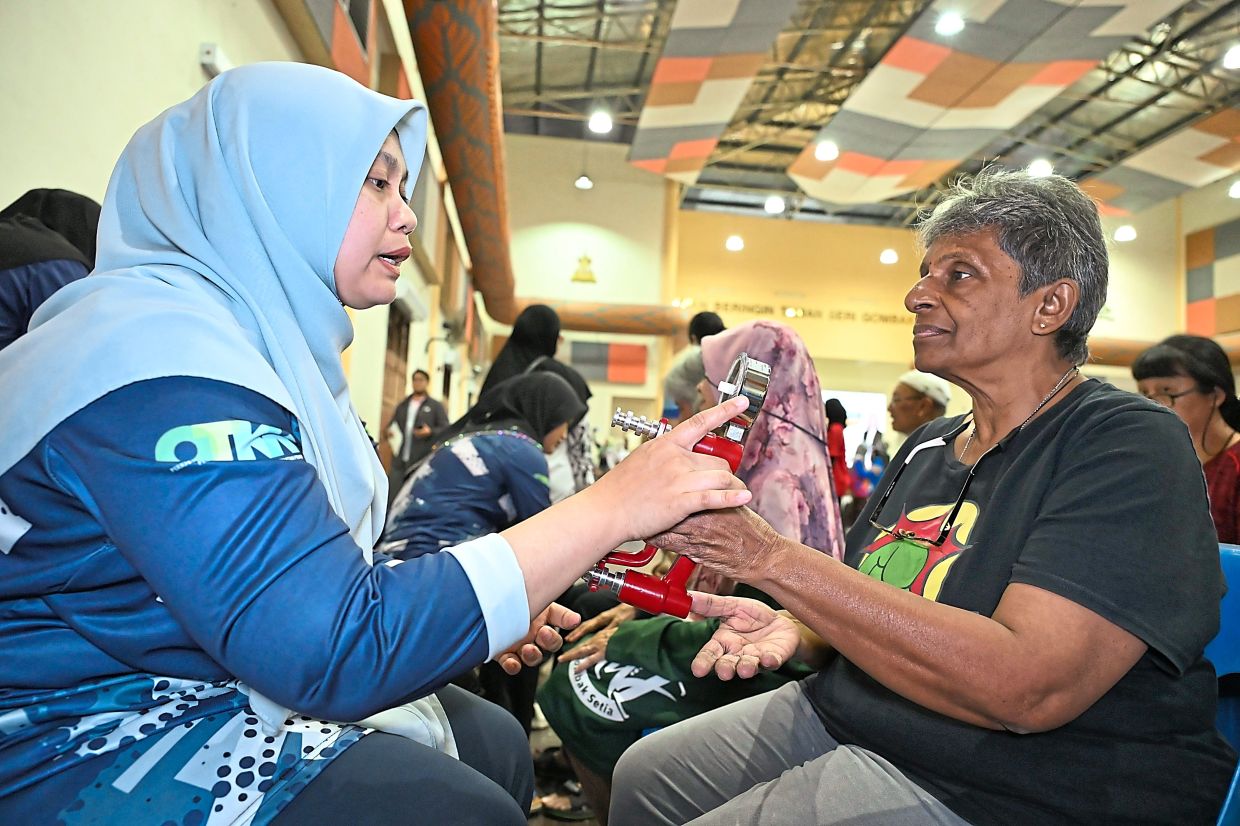
This can be seen as reduced grip strength or general muscle weakness.
“One of the other symptoms of frailty is weakness or lack of muscle strength,” says Dr Razzaq.
“We’ve got instruments that we can measure grip strength with.”
“Feeling tired all the time is also a common presentation that GPs often see,” he says.
“Being tired isn’t in itself a symptom of frailty, but if it’s associated with things like muscle weakness or slowing down, then we will start thinking, is this person frail?”
“Weight loss is another one,” says Dr Razzaq.
“People can lose a significant percentage of their weight just because they’re frail.
“It’s important that doctors make sure that it’s not cancer or anything else more serious, but once that has been excluded, we may suggest that it’s part of frailty.
“This is often to do with muscle weakness, or what we call sarcopenia (losing muscle mass), as that has an impact on the actual weight on the scales.”
ALSO READ: Is muscle loss inevitable as we grow older?
Many patients with frailty find that it takes longer to bounce back from illnesses.
“Patients will sometimes say I had a cough, and instead of it taking three or four days to recover, it takes a week or two weeks,” he says.
What to do
According to Dr Razzaq, once you start having these symptoms, you should first see your GP.
“When I talk about the GP, I don’t necessarily mean just your doctor.
“Now we have primary care teams, clinical pharmacists and care coordinators [in Britain] who have all been trained on what to do if somebody presents with these symptoms and is worried about frailty.”
When it comes to assessments that are used to diagnose frailty, ”the TUG test is probably the classic one, and then there’s also something called the Comprehensive Geriatric Assessment, which looks at the different components of a person,” he says.
“The aim is to holistically assess the patient, and we also do cognitive assessments.
“Then we also do functional assessments, for example, getting them to stand with a broom and then squat to see how far they can bend down, or getting them to lean forward.
“Sometimes we also do bone health screenings for things like osteoporosis.”
ALSO READ: Want to know how well you are ageing? Here's an easy test
The earlier you recognise the signs of frailty, the better.
“Frailty is not an inevitable part of getting older.
“There’s an element of reversibility at the early stages, what we call pre-frail or mild frail,” says Dr Razzaq.
“If we can build up the muscle mass, improve the diabetes control, improve renal function, then that frailty can shift back to pre-frail or no frailty.”
The scale goes from fit, to mild frail, to moderate frail, to severe frail.
“The aim is to recognise which part of that continuum a patient is on, and then to offer the services or the care that’s required for that particular cohort,” he says.
Treatment and management
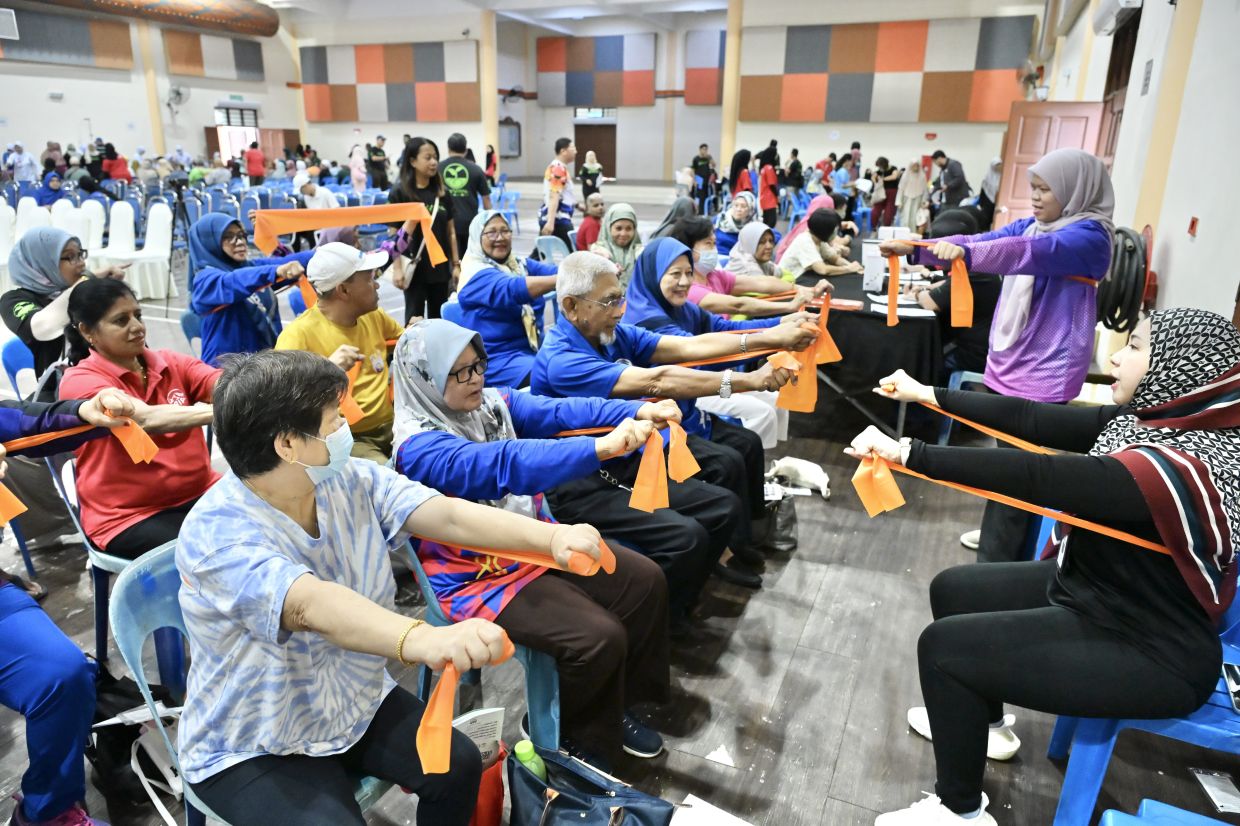
“The management or treatment of frailty is to develop a personalised care plan,” says Dr Razzaq.
“The first part of a care plan is to just explore what’s important to that person.
“We ask them about what matters to them most – so that might be being able to walk around a park every day, for example.
“Then we start matching interventions to their needs.
“So, we look at the results of their assessments and think about if they require strength and balance exercises or swimming sessions, for example.
“You can get exercise on prescription now, which helps meet a lot of patients’ physical and social needs.” – By Camilla Foster/PA Media/dpa