
While we haven’t quite achieved the level of truly personalised medicine yet, cell and gene therapy come fairly close.
Viralgen chief executive officer Jimmy Vanhove notes that there have been three important waves of innovation in the pharmaceutical space to date: small molecules, large molecules and targeted therapies, and now, cell and gene therapy.
The first two, he observes, are usually more geared towards treating disease symptoms, rather than a cure.
However, he says: “Cell and gene therapy have the potential to change the course of a disease, and eventually cure disease.
“And that is something we are very excited about.”
Asklepios BioPharmaceutical Inc (AskBio) chief executive officer Gustavo Pesquin agrees, calling cell and gene therapy “not the next page in the book, but a new page in a new book”.
“The objective of why cell and gene therapies work is because it allows us to reach undruggable targets; it can reach those areas that cannot be reached by traditional medicines.
“And it allows us to do it with a completely new approach,” he told Asia-Pacific journalists during a media briefing at Viralgen – a subsidiary of AskBio – in San Sebastian, Spain.
Cell therapy
As per its name, cell therapy utilises human cells in order to treat the patient.
These cells can come from either the patient themself (autologous) or from a donor (allogeneic).
The necessary cells are removed from the patient or donor, and processed or engineered to the requirements of the therapy, before being delivered into the patient.
The advantage of autologous cell therapy is that there are no concerns over the patient’s immune system identifying the cells as an “enemy” and killing them.
This is a major concern in allogeneic cell therapy.
That is why the donor has to be carefully checked that they are immune-compatible with the patient.
Even then, patients typically have to undergo treatment to suppress their immune system so that the new cells aren’t immediately destroyed.
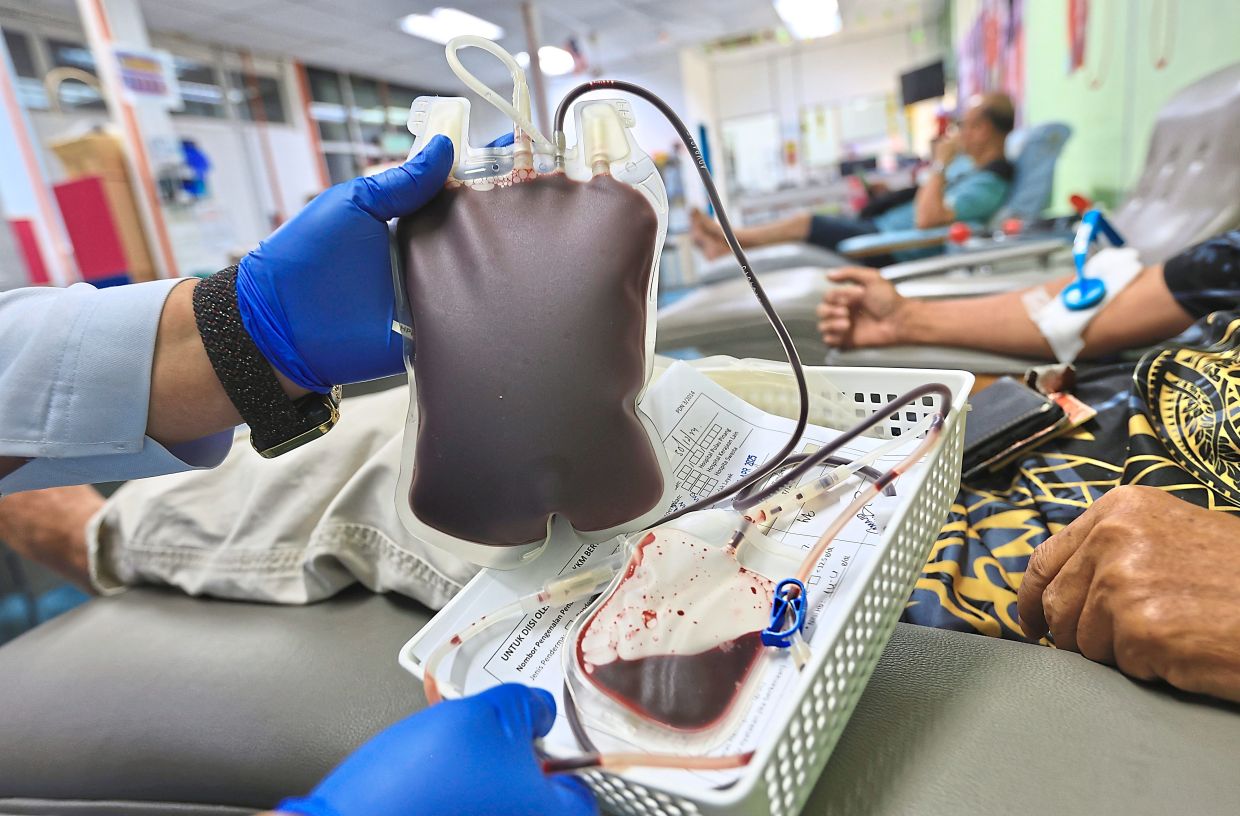
Blood transfusion, where donated blood helps replace that of patients who have lost a massive amount of their own blood, is probably the most recognisable form of cell therapy – although most people might not be aware that it is cell therapy!
Another common type of cell therapy is bone marrow transplants, which involve haematopoietic (blood-forming) stem cells that are used to treat various blood cancers and disorders.
Gene therapy
Meanwhile, the completion of the Human Genome Project in 2003 (where the entire human genome was mapped out) and the development of gene-editing technologies like CRISPR-Cas9 have enabled the rapid evolution of gene therapy.
With genes being the blueprint for the production of proteins that keep our bodies functioning, any mutation (changes) in one or more of them could have a big impact on our health.
Gene therapy has the potential to fix these genetic disorders.
There are three main components to this kind of therapy: a vector or delivery platform, a promoter and a therapeutic transgene.
“Now, with gene therapy, what we do is, we use a very small vehicle, which we call a delivery system – in our case, we use a virus that is non-pathogenic [doesn’t cause disease].
“And the virus will deliver to the cells a very small piece of genetic material that is missing or that can potentially course-correct the disease,” explains Vanhove.
Viralgen specialises in the large-scale production of adeno-associated virus (AAV).
According to Vanhove, AAVs are the delivery platform used in about 60% of gene therapies.
Others include adenoviruses, lentiviruses and retroviruses.
Viruses are currently the best delivery platforms as they are very efficient in infiltrating human cells.
The virus’ own genetic information is first removed so that it is rendered harmless, leaving just its protein shell, also known as a capsid.
Some capsids naturally have an affinity for certain types of human cells, while others can be engineered so that they attach specifically to a particular type of cell, thus ensuring that the therapeutic transgene is delivered precisely to where it is needed.
This transgene is where the genetic information needed to treat the disease is contained.
According to Pesquin, this information can result in the production of a missing protein or the correct version of a faulty protein; the “silencing” or switching-off of a gene that is expressing a harmful protein or one that is preventing another essential protein from working; or the direct modification of a disease-causing gene to stop its effects.
Meanwhile, the promoter – a piece of DNA (deoxyribonucleic acid) – functions as a switch to start and control the expression of the transgene once it’s delivered into the target cell.
Combination therapy
There is another type of gene therapy that is also known as gene-modified cell therapy or ex-vivo (out of the body) gene therapy.
This is where cells are removed from the patient and genetically-engineered to add in the missing gene or modify the non-functional gene, depending on the problem.
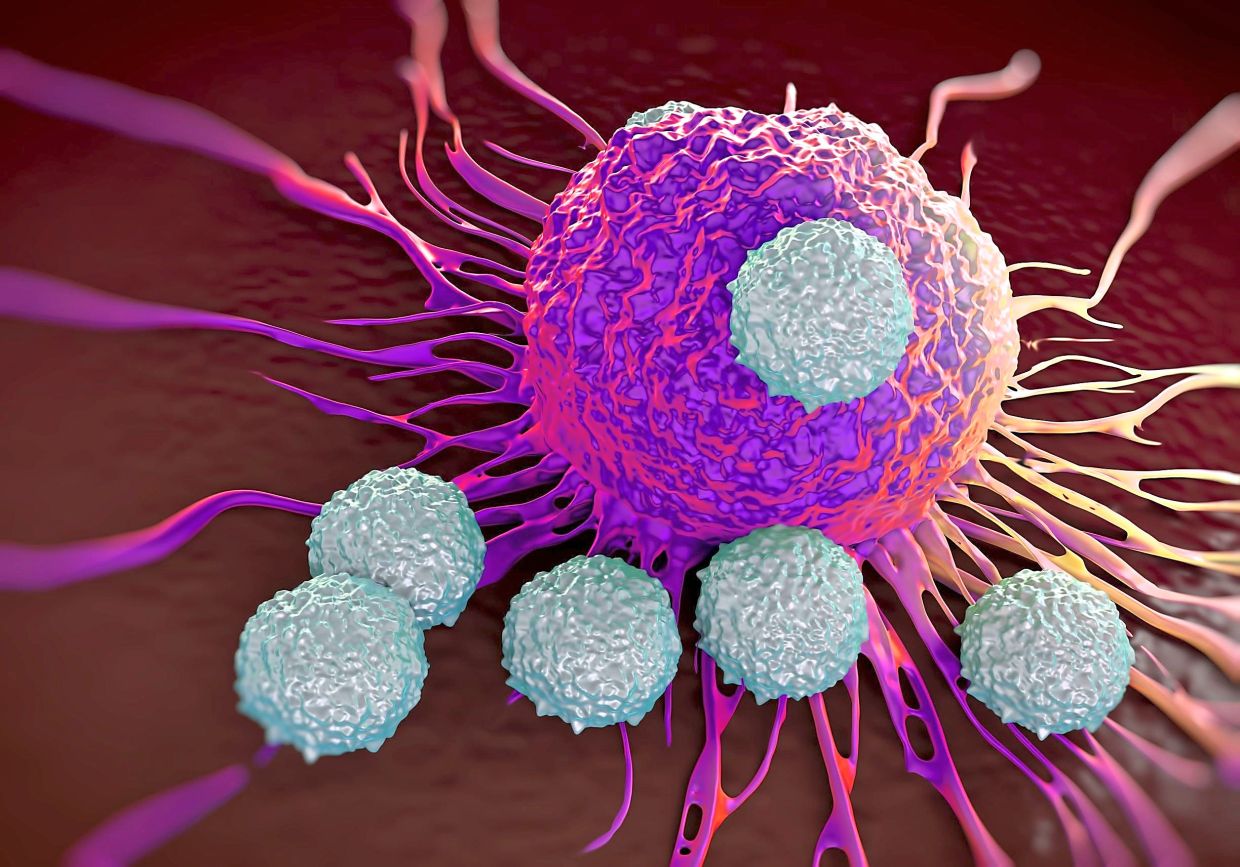
A common example of this is chimeric antigen receptor T (CAR T) therapy.
In this treatment, the patient’s T cells are collected through a process called apheresis.
These immune cells are then genetically-engineered to produce CARs, which are designed to recognise and bind onto specific proteins on cancer cells.
These genetically-modified T cells are then infused back into the patient, where they are now better able to zoom in on the cancer cells and kill them.
Looking at pathway diseases
Gene therapy was initially focused on monogenic diseases, i.e. conditions caused by mutations in a single gene.
“Very often, these are rare diseases,” says Vanhove, who adds that the number of rare disease patients who still have no treatment available to them would make up the third most populous country in the world.
“The unmet medical need is extremely high, and that is where gene therapy was basically really focused on.
“Now, what we have seen in the past years and how science is evolving, is that there is a lot of potential to treat pathway diseases.”
Pathway diseases are those that have a particular biologic pathway or pathways involving multiple proteins, where something has gone wrong, thus resulting in the disease.
The idea behind gene therapy in such diseases is to target the gene behind a particularly crucial protein along this pathway so that it will disrupt the disease process and help restore normal function.
Similarly, cell therapy would replace a crucial cell type that has been affected by the disease process to help restore normal function.
Among the diseases AskBio is working on are congestive heart failure and Parkinson’s disease.
Congestive heart failure
Congestive heart failure (CHF) occurs due to the inability of the heart to sufficiently fill up with, and efficiently pump out, enough blood to the body.
It can be caused by any condition that damages or weakens the heart, such as coronary artery disease, a heart attack, high blood pressure and various heart diseases.
Because of the multiple factors that affect the condition, it is hard to treat effectively, with only around 50-60% of patients still alive five years after diagnosis, and around 35% after 10 years.
CHF is classified according to the patient’s left ventricular ejection fraction (LVEF).
This is the percentage of blood the heart’s left ventricle pumps out to the body with every heart beat.
Patients with reduced LVEF (40% or less, compared to the normal range of 50-70%) have the worst prognosis.
“This apparent root cause of half of all heart failure patients is still not successfully treated with any available treatment.
“So, this is exactly what we are trying to treat with our current treatment candidate, currently in a phase 2 clinical trial,” says AskBio CHF Integrated Product Team lead Dr Lothar Roessig.
He explains that CHF patients with reduced LVEF experience an increase in the production of the protein phosphatase 1.
This elevated amount triggers a series of reactions that eventually results in the decreased ability of the heart muscle to contract (or squeeze), leaving it unable to pump blood out effectively.
The first-in-human gene therapy being tested by AskBio, called AB-1002, promotes the production of protein inhibitor 1, which blocks the action of protein phosphatase 1.
It is administered through a catheter inserted at the groin and up into the coronary artery, where it is infused in a 10-minute period.
According to Dr Roessig, who is also AskBio Clinical Development senior vice-president, the entire procedure takes about 45 minutes.
The results of the phase 1 clinical trial with AB-1002 indicated that the gene therapy appeared safe to use and had promising effects on the 11 participants, who all had CHF with reduced LVEF.
The study, which contained data collected one year after the therapy was administered, was published last month (October 2025) in the journal Nature Medicine.
Parkinson’s disease
For Parkinson’s, Pesquin points out that the key is to understand that all patients have similar symptoms caused by the loss of the nerve cells that produce the neurotransmitter dopamine.
“If you can add DNA there – in this case, add well-functioning copies of the guy producing GDNF – then that should prevent the main practical issue of patients,” he says.
GDNF, short for glial cell-derived neurotropic factor, is a protein that is crucial for the survival of many types of neurons.
While the cause of Parkinson’s disease is still unknown, its main feature is the progressive death of dopamine-producing nerve cells.
By increasing the availability of GDNF via gene therapy, it is hoped that these endangered nerve cells will be better able to survive.
This gene therapy, called AB-1005, is currently undergoing a phase 2 clinical trial.
Meanwhile, cell therapy company BlueRock Therapeutics announced that it had treated the first Parkinson’s patient in its phase 3 clinical trial for the investigational cell therapy bemdaneprocel on Sept 22 (2025).
Bemdaneprocel consists of pluripotent stem cell-derived dopaminergic precursor cells.
These cells are transplanted into the patient’s brain via surgery, where it is hoped they develop into fully-functional dopamine-producing nerve cells, thus replacing those lost from the disease.
On Oct 6 (2025) at the International Congress of Parkinson’s Disease and Movement Disorders held in Hawaii, United States, BlueRock reported that their therapy continued to show no adverse effects, as well as a promising trend related to motor symptoms, in the 12 Parkinson’s patients from its phase 1 clinical trial, which was initiated three years ago.
Both BlueRock and AskBio are independently-run subsidiaries of the German multinational pharmaceutical and biotechnology company Bayer.
Already a subscriber? Log in
Get 20% OFF The Star Digital Access
Cancel anytime. Ad-free. Unlimited access with perks.