Using WhatsApp to manage depression in older adults


By AGENCY
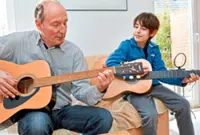
Audio messages were used, rather than text messages, as many low-income older Brazilians are semi-literate or illiterate. — Filepic

The messaging app WhatsApp can be a highly effective tool to help older people overcome loneliness and depression, according to the findings of a study conducted in Guarulhos, the second-largest city in São Paulo state, Brazil.

Published in the journal Nature Medicine, the study was a randomised controlled trial involving 603 participants aged more than 60, who were registered with 24 primary care clinics belonging to Brazil’s national public health network Sistema Único de Saúde (SUS).

According to study co-corresponding author and University of São Paulo’s Hospital das Clínicas scientific researcher Professor Dr Marcia Scazufca, the participants – the large majority (74.8%) of whom were women – had been positively screened for depression and displayed significant symptoms of the disorder.

Selection of the participants was based on answers to Patient Health Questionnaire-9 (PHQ-9), a widely validated screening tool used to assess the presence and severity of depression based on a scale from 0 to 27.

A score of 0-4 indicates absence of depression, and 5-9, 10-14, 15-19, and 20-27 indicates mild, moderate, moderately severe and severe depression respectively.

“We invited everyone with a score of 10 or more in the initial assessment to participate, so that our sample included people with moderate, as well as severe depression,” said Prof Scazufca.

The participants were then randomly divided into two groups.

“The intervention group, with 298 participants, received WhatsApp messages via the Viva Vida programme twice a day, four days a week, for six weeks, with educational content on depression and behavioural activation.

“The control group, with 305 participants, received a single message with educational content.

“Neither group received support from healthcare professionals,” explained Prof Scazufca.

The name of the programme, Viva Vida, means “Long Live Life”.

Although 603 people were initially recruited, only 527 (87.4%) completed the follow-up assessment.

Symptoms of depression improved in 42.4% of the intervention group, compared with 32.2% in the control group.

“This suggests that intervention in the form of mobile phone messages was an effective short-term treatment of depression for older people in areas with limited health services,” said Prof Scazufca.

Because many low-income elderly Brazilians are semi-literate or illiterate, the intervention group received three-minute audio messages or images, but no text messages.

The researchers took care to use simple language inspired by popular radio programmes.

Two actors, pseudonymously named Ana and Léo, read the messages, which evolved from educational phrases about depression to guidance on behavioural activation and advice on avoiding a relapse.

“The difference of 10 percentage points between the intervention and control groups in terms of improvement may seem small, but considering the very low cost of Viva Vida and the very large proportion of the population it could potentially reach, these 10 percentage points could represent millions of people.

“Moreover, Viva Vida should be seen as a first step, which can be combined with other forms of intervention.

“It’s important to note that that vast majority of the participants had never received treatment of any kind for depression, and hadn’t even been diagnosed as depressed,” Prof Scazufca said.

The result is especially relevant in a middle-income country like Brazil, where the number of older people is rising fast and mental health services are scant, she added.

The low cost of the programme and the ease with which it can be implemented means that it can be replicated in other countries with similar or worse socioeconomic conditions, and where conventional treatment is unavailable or unaffordable for many.

“As we continue this type of research, we may find even stronger evidence of the benefits of digital mental health intervention and of extending the coverage of psychosocial treatment globally,” she said. – By José Tadeu Arantes/Agência FAPESP

Get 20% OFF The Star Digital Access

Monthly Plan

RM 13.90/month

RM 11.12/month

Billed as RM 11.12 for the 1st month, RM 13.90 thereafter.

Best Value

Annual Plan

RM 12.33/month

RM 9.87/month

Billed as RM 118.40 for the 1st year, RM 148 thereafter.

Follow us on our official WhatsApp channel for breaking news alerts and key updates!

Next In Health

Avoid this dangerous ‘shortcut’ to losing weight
Despite a rare heart condition, he still runs marathons
Getting old before their time
Scientist say creatine could be a therapeutic agent to fight depression
Signs you are a ‘salty sweater’
Can cash rewards help addicts overcome their brain disease?
New, more efficient pill to lower cholesterol
This woman has survived seven near-drowning episodes
Why it's difficult to spot signs of drowning
'Decoupling' technique to stop nail-biting

Others Also Read