
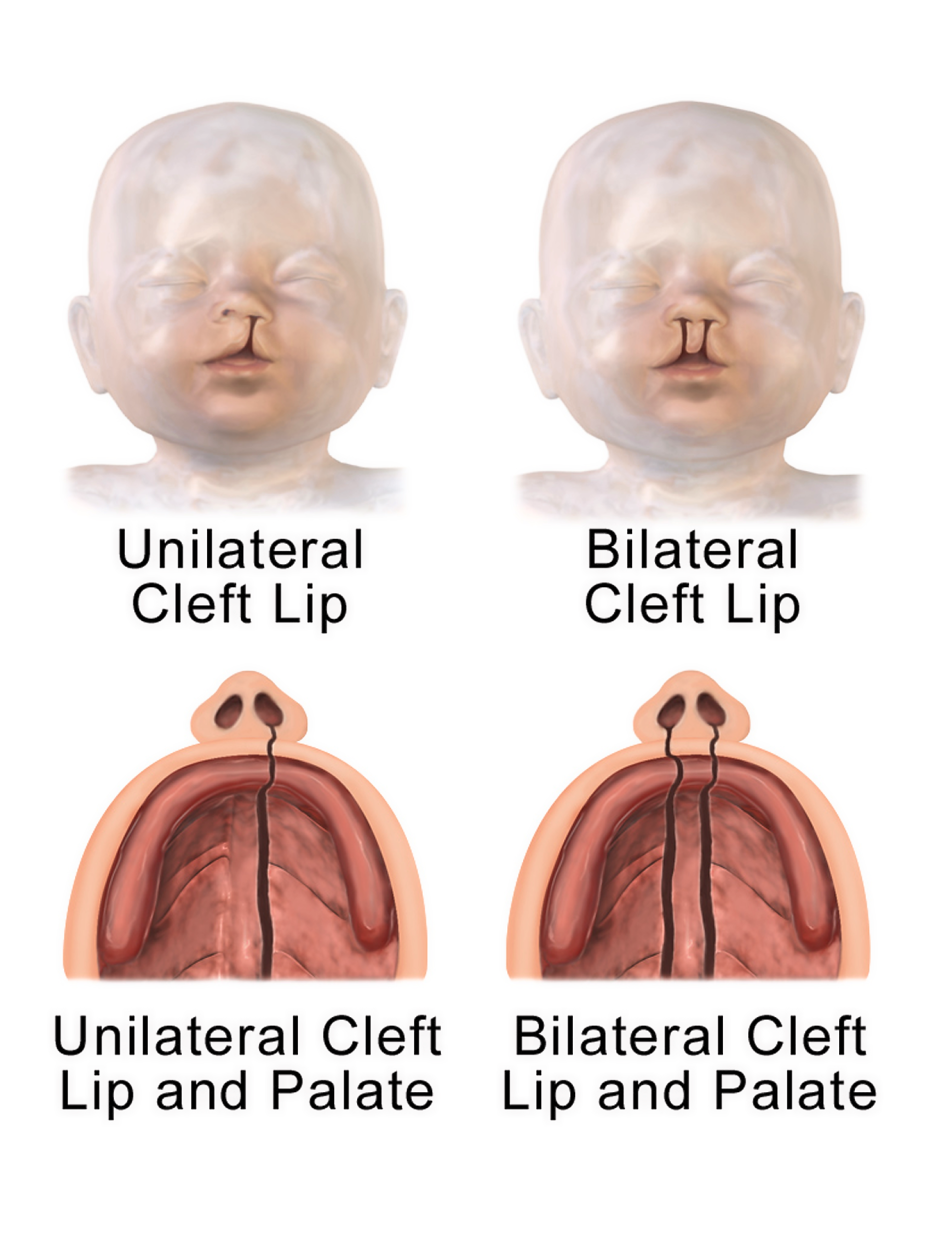
Cleft lip and palate (CLP) are the most common congenital deformities of the head and neck, affecting thousands of infants worldwide each year.
During the early stages of pregnancy, the different parts of the head and face develop separately.
They then come together later in the pregnancy and fuse.
Failure of this fusion to occur results in a cleft deformity.
This condition, characterised by a split or gap in the upper lip and/or roof of the mouth, can have profound physical, functional and psychosocial implications.
In Malaysia, CLP occurs approximately once in every 700 live births.
While the actual cause is not yet fully understood, it is deemed to be multifactorial.
Contributing factors include the types of drugs taken during pregnancy (in particular, vitamin A, epilepsy medicine e.g. topiramate or valproic acid, and antiretroviral drugs), viral infections e.g. rubella, alcohol consumption, smoking and genes.
And it can occur regardless of socioeconomic status, religious background or race.
In Malaysia, it is important to reassure parents that they are not to blame for their child developing CLP, especially as some might still cling to cultural beliefs of the deformity being a result of some action (e.g. the father going fishing) or natural phenomena (e.g. an eclipse during the pregnancy).
Prone to oral issues
Most individuals affected by CLP have moderate to severe malocclusion, i.e. imperfect positioning of the teeth when the mouth is closed.
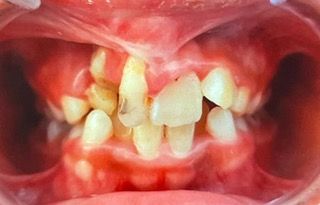
This can be associated with missing or extra teeth, impacted teeth, and teeth malformed in shape and size.
The teeth crowding together in the mouth often makes cleaning a little bit harder.
Irregular positioning of the teeth and scarring can affect access to parts of the mouth and result in residual food being left behind for a prolonged period.
Due to this, children with CLP are more prone to developing caries, periodontal disease, and other oral health issues.
They need timely and regular dental care to ensure adequate monitoring, education and treatment to prevent oral diseases and achieve the highest possible quality of life.
Cleft care often begins in the earliest stages of life, as infants born with CLP face unique challenges, particularly in feeding and oral hygiene.
In Malaysia, orthodontic care for individuals affected by CLP is typically provided by specialist orthodontists.
The exceptions are if the child has a cleft lip only or a soft palate cleft, which may never require orthodontic intervention.
Aside from the orthodontist, comprehensive cleft care requires a multidisciplinary team from various fields such as plastic surgery, speech-language pathology, oral surgery, audiology and paediatrics.
The initial stages of care require the expertise of both paediatric dentists and orthodontists to ensure the child’s oral health and development are on the right track.
In particular, they provide guidance to parents on specialised feeding techniques, as babies with clefts may experience difficulty latching onto a breast or bottle.
A growing problem
As the child with CLP grows, the complexities of their condition become more apparent.
Orthodontic treatment may be performed at different stages of the patient’s development, depending on the problems they have.
Many early interventions serve as the foundation for subsequent treatments.
For example, lip strapping (or taping) and other pre-surgical orthodontic appliances are first applied to the separated cleft segments in preparation for corrective surgery.
Orthodontists also work closely with oral and maxillofacial surgeons to ensure that the teeth and jaws are correctly aligned before surgeries such as alveolar bone grafting (to replace the missing bone in the cleft) and orthognathic (jaw) surgery, as well as prosthetic rehabilitation.
Proper alignment is crucial for the success of such operations.
Beyond functional improvements, the goal of orthognathic surgery is to achieve better facial aesthetics.
Achieving symmetry and balance in the facial structure can significantly impact a patient’s self-esteem and overall well- being.
This phase involves not only the expertise of dental and surgical specialists, but also emotional support and guidance for patients and their families.
Post-surgery, the orthodontist monitors the healing process and makes any necessary adjustments to the position of the teeth to preserve the surgical correction and ensure its stability.
Beyond the mouth
While dental and orthodontic care is central to the cleft care journey, it is not solely about teeth and jaw alignment.
Besides the obvious surgical and medical inventions, psychological support for both parents and children affected by CLP may ease the emotional burden associated with the social and mental aspects of living with the condition.
Education is a cornerstone of cleft care, and empowering families with knowledge equips them to actively participate in their child’s care and overall well- being.
Patients should also be connected with support groups and community resources.
These networks offer individuals and families the opportunity to share experiences, gain insights, and build a sense of belonging within the cleft community.
Improving our cleft care
This is as there is no restriction on the minimum experience or training in cleft care a local orthodontist must acquire to treat such children.
Although the European Consensus recommendation states that orthodontic care for CLP patients should only be provided by an experienced orthodontist who has undergone special training in cleft care, there is a lack of such sub-specialised dentists in Malaysia.
Therefore, our main concern should be to optimise the care provided to children with CLP.
Quality improvement is best achieved by having quality assurance.
If a methodology for assessing outcomes for CLP patients could be defined and established by consensus, medical centres would be able to evaluate their own quality of care, compare it with other centres, and enable the implementation of standardisation of quality care.
For example, in Europe, the first step towards the attainment of minimum standards of care has been to encourage consensus on the type and timing of data collection for the measurement of outcomes.
This would result in the accumulation of a wealth of data that can be used for comparisons, both for research, i.e. establishing the best possible treatment methods, and for audit, i.e. ensuring that the best methods are being implemented.
Having a National Cleft Registry in Malaysia to collect and store the relevant health information on CLP patients nationwide would not only help in the above goal, but also enable clinicians to keep track of their patients’ conditions over time.
Producing a clinical practice guideline for CLP care would also help with standardising the provision of best care.
Dental and orthodontic care in the realm of CLP is far more than clinical procedures; it is a journey of transformation.
It is about nurturing the smiles and self-esteem of young children and guiding adolescents through the complexities of dental care, especially those involving orthognathic surgery, with unwavering support along the way.
Through ongoing research, innovation and a holistic approach, we can continue to shape a brighter and more confident future for our patients.
Colonel (Rtd) Dr Mumtaj Nisah Abd Rahim is a consultant orthodontist and Universiti Kebangsaan Malaysia senior lecturer. For more information, email starhealth@thestar.com.my. The information provided is for educational and communication purposes only, and should not be considered as medical advice. The Star does not give any warranty on accuracy, completeness, functionality, usefulness or other assurances as to the content appearing in this article. The Star disclaims all responsibility for any losses, damage to property or personal injury suffered directly or indirectly from reliance on such information.
Already a subscriber? Log in
Get 20% OFF The Star Digital Access
Cancel anytime. Ad-free. Unlimited access with perks.
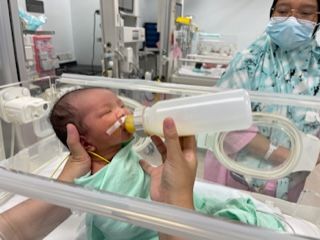
This baby is undergoing lip strapping of the upper lip, which will gently change the position of the baby’s lip to help facilitate corrective surgery. It also helps with feeding. — Photos: Col (Rtd) Dr MUMTAJ NISAH ABD RAHIM
This baby is undergoing lip strapping of the upper lip, which will gently change the position of the baby’s lip to help facilitate corrective surgery. It also helps with feeding. — Col (Rtd) Dr MUMTAJ NISAH ABD RAHIM
Graphic: Wikimedia Commons
Graphic: Wikimedia Commons
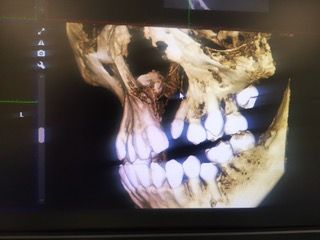
Cone Beam Computed Tomography (CBCT) imaging is extremely valuable for the diagnosis and management of CLP because it provides better information about the appearance and size of the anatomic structures affected by the cleft.
Cone Beam Computed Tomography (CBCT) imaging is extremely valuable for the diagnosis and management of CLP because it provides better information about the appearance and size of the anatomic structures affected by the cleft.
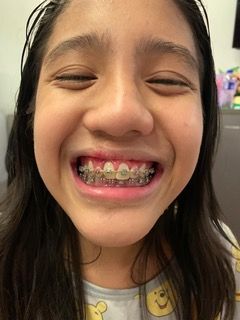
Syahira Dania, 14, was born with a unilateral cleft lip and palate. This was the condition of her teeth before her treatment began.
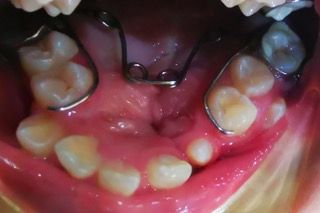
A quad helix orthodontic appliance is inserted to help expand the area within the mouth in preparation for an alveolar bone graft.
In 2022, Syahira Dania successfully underwent a alveolar bone graft surgery.
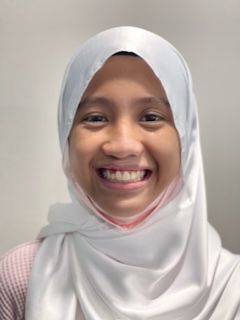
Here she has completed her orthodontic treatment and is awaiting her final restorative intervention.