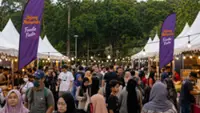
10 tips to maintain health during the Chinese New Year celebrations


When preparing hotpot or steamboat for the Chinese New Year reunion dinner, do use vegetables or bones to make the soup base, rather than ready-made stock, for a healthier meal. — Photos: Filepic

Chinese New Year is a time for reunions, feasts and celebrations with relatives and friends.

With endless get-togethers and tempting festive food, you may eat more than planned.

In addition, visiting relatives and friends, setting off firecrackers, drinking alcohol, playing mahjong and watching TV late into the night are common occurrences.

Such sudden changes from your usual routine may overwhelm your body and affect your health.

During Chinese New Year, the incidence of acute pancreatitis and gastroenteritis, as well as liver, gallbladder, cardiovascular and cerebrovascular diseases, rises sharply.

These phenomena even have a special term: holiday sickness.

Chronic diseases such as hypertension, high cholesterol and diabetes can also become uncontrolled.

Let’s take a look at some tips to help everyone, especially adults over the age of 40, to stay away from “holiday sickness” and stay healthy for the Chinese New Year.

1. Pay attention to your serving size

Foods traditionally served during Chinese New Year are rich in sugar, salt and fat.

In addition, some common snacks contain little nutritional value.

The digestive function of older people is not as good as that of younger people.

Eating too much can easily cause diarrhoea, bloating, loss of appetite and acid reflux.

Overeating can trigger acute pancreatitis, and liver, gallbladder, gastrointestinal and cardiovascular diseases.

It can also increase cholesterol levels, blood sugar and blood pressure.

So do avoid overeating; instead, eat small and frequent meals on time and maintain a balanced diet.

When it comes to the main meals, choose smaller plates to help limit your intake.

It is recommended that you eat until you are only between 70% to 80% full for each main meal.

2. Don’t snack on an empty stomach

Taking cookies and drinks before a meal may affect normal eating, especially for elderly people who have a poor appetite in the first place.

On the other hand, eating too many snacks after a meal will increase their energy intake significantly.

So do snack selectively and limit the tidbits to one or two pieces per serving.

A good way to control the snacks is to not go visiting (where you’ll be prone to snacking) on an empty stomach.

Eat a healthy snack, such as fruits, nuts or yoghurt before your visit.

This will help prevent you from overeating during the visit, while also increasing your total fibre intake.

As for your own home, don’t just serve cookies when relatives and friends come visiting.

Help everyone eat healthy by preparing more low-sugar, low-salt and nutrient-rich snacks like nuts or fruits such as pears, oranges, watermelon, etc.

3. Minimise dining out

Try to eat more at home instead of eating out or ordering home delivery.

Homemade meals are always a healthier choice because you can choose the ingredients for the dishes.

Let the whole family participate in the food preparation and cooking process!

In addition to eating healthier, this is a great way to cultivate relationships in your busy lives.

Here are some tips to help you prepare a healthy and delicious reunion dinner:

  • Add a variety of colourful vegetables to your cooking.
  • Choose lean meats, rather than fatty ones, and remove the skin from poultry.
  • Have more vegetable, fruit and fish dishes.
  • Remember to use any sauces in moderation.
  • If you are having a hotpot, add soybeans and more vegetables to the soup base instead of ready-to-eat or ready-made stock in order to reduce salt intake and increase the nutritional value of the soup.
  • Use less oil, less salt and less sugar.
  • Opt to steam or boil your dishes.

Also note that it is not recommended to eat too much smoked, barbequed or cured meats, as such food is not only salty, but also potentially harmful to your health.

When you eat out, it is best to go to restaurants with good hygiene and order small portions of food, which is cooked on demand (rather than pre-prepared).

Avoid ordering an excessive amount of food and make sure that your dishes contain a mixture of meat and vegetables in the right ratio.

If you expand the concept of the Malaysian Healthy Plate to a meal, this means that half your dishes should comprise of vegetables or fruits, and a quarter should comprise of proteins such as meat, fish and legumes.

The remaining quarter is carbohydrates, like rice or noodles.

4. Pay attention to food hygiene

Food hygiene is very important to avoid food poisoning.

The best meals are cooked and eaten immediately.

Choose fresh food and avoid buying too many ingredients.

Unclean food that is contaminated by flies, expired or spoiled should be discarded.

Leftovers should be wrapped in cling film and stored in the refrigerator, then heated and cooked before they are eaten again.

Vegetables eaten raw must be washed first.

When preparing ingredients, separate raw and cooked ingredients, and cook them thoroughly.

Use common chopsticks and spoons to take food from shared dishes to your own plate or bowl when eating with others, rather than using your own chopsticks or spoon.

If you have symptoms such as vomiting, diarrhoea or fever, you should seek medical attention as soon as possible and avoid handling food to prevent spreading any infectious diseases to others.

5. Stay hydrated and drink alcohol in moderation

Even if you are mildly dehydrated, your body may mistake thirst for hunger, tempting you to snack more.

Senior citizens should not be shy about enlisting the help of younger family members for spring-cleaning or decorating activities that require climbing or heavy lifting.

Therefore, before you go to any gathering, be sure to drink a glass of plain water.

At the same time, cut down your intake of sugary, acidic and carbonated beverages, such as soft drinks or canned beverages.

Instead, opt for fruit and vegetable juices (of which more than 40% of the content should be the original fruit or vegetable juice), yoghurt, milk, soy milk, homemade lemon juice, Chinese tea or flower tea.

These drinks are both nutritious and taste good.

Driven by the traditional concept of “no alcohol, no feast”, many people tend to drink more alcohol during Chinese New Year.

It is acceptable to drink in moderation when family and friends gather together, but you must remember to control how much you drink and avoid drinking on an empty stomach.

Excessive alcohol intake can cause pancreatitis, liver cirrhosis, gastritis, ulcers, cholecystitis and other diseases.

Being drunk can also lead to fights, drunk driving and traffic accidents.

6. Stay active

Watching Chinese New Year TV programmes, playing cards or mahjong, and chit-chatting, means that you are likely to be sitting for a few hours.

When sitting or lying down for a long time, the body is in a state of low energy consumption.

This, combined with the increased snacking and larger meals that come with the celebrations, means that the body’s cholesterol and blood sugar levels, waist and abdomen circumferences, and the risk of obesity, are likely to increase.

Maintaining the same posture for a long time can easily lead to poor blood circulation, and even muscle soreness and stiffness.

Sitting for a long time can also slow down gut motility and affect digestion.

So, be sure to get up and move around once in a while, such as taking a walk or stretching.

You can also plan to incorporate physical activity into your Chinese New Year plans.

For example, take every opportunity to play with your grandchildren and children, or park your car further away from your destination to ensure you walk further.

Perhaps skip the mahjong games or TV programmes and take a walk or jog around your neighbourhood with your family instead.

Exercise helps to regulate one’s emotions and improve physical function and health.

7. Have sufficient sleep and keep a regular routine

During the festival, adults are often exhausted due to the travelling, shopping, cleaning and decorating the house, cooking and eating, and attending the various family, friends, and even business, gatherings.

In addition, they often stay up late to chat, play mahjong, watch TV or sing karaoke, among others.

This may cause fatigue, poor sleep quality, and even insomnia.

This can easily aggravate any underlying chronic diseases and weaken immunity, especially in the elderly.

So, be careful not to overwork or “play” too much.

And also, do not hold your urine in as it might cause a urinary tract infection.

In addition, try to avoid too many emotional ups and downs, so as not to increase your blood pressure or trigger a heart attack or stroke.

It’s best to plan and schedule all the necessary preparations before the festival, so as to avoid disrupting your daily routine too much, as well as reducing any unnecessary stress due to forgetfulness or a last-minute rush to complete everything.

Senior citizens should not be shy (or stubborn) about asking for help from younger family members in cleaning and decorating the home.

This is especially so for work that requires climbing and heavy lifting, like removing and washing bedding and curtains.

Don’t overdo things and maintain a regular routine, have an appropriate amount of sleep every day and avoid staying up late.

If you did not sleep well because there was too much noise in the neighbourhood, e.g. from firecrackers, do take a good nap the next day to replenish your energy.

8. Be careful to avoid accidents

Burns and scalds are among the most common accidental injuries in the home.

During Chinese New Year, fireworks, firecrackers, and even home cooking, may cause burns and scalds.

The risk of traffic accidents, speeding and drunk driving are also present during this period.

In addition, falls, aches and pains, especially back pain, are common due to spring-cleaning and decorating activities.

While playing firecrackers and fireworks is illegal in Malaysia, it must be acknowledged that this is a common activity during festive periods, including Chinese New Year.

Remember to stay away from any site where firecrackers or fireworks are being set off.

If any are being set off in your neighbourhood, do ensure that there is no residual burning material after the display is over in order to avoid any accidental fires or burns.

If anyone is accidentally injured due to a firecracker or fireworks, first remove the foreign body, then rinse the wound repeatedly with clean water, wrap it with a sterile or clean cloth, and go to the hospital immediately.

Due to the large number of cars moving around during this period, the roads are likely to be crowded.

Hence, do pay special attention to road safety.

Try to avoid going out in bad weather, or if you feel unwell, sleep-deprived or drunk.

Wear helmets or seat belts as necessary, and avoid speeding or driving when you are drunk or tired.

Concentrate when you are driving – do not call or play with your mobile phone, and avoid being distracted by your passengers.

9. Take your medicines on time

Some people consider it taboo to take medicines or see a doctor during the Chinese New Year for fear of having bad luck for the rest of the year.

However, the changes in dietary intake and daily routines, and emotional ups and downs, during the festival, may trigger chronic diseases, especially among the elderly.

Sudden withdrawal of any regular medications may cause chronic diseases to relapse or worsen, and even become life-threatening.

Therefore, those with chronic diseases should ensure that they take their medicine regularly, follow their doctor’s advice and attend any scheduled follow-up appointments that fall within the festive period.

You should also prepare “emergency” medicines before the holidays, such as those for cold, cough, fever, diarrhoea, vomiting and trauma, in case of any sudden illness.

If you feel unwell, do not delay seeking medical attention.

Prevention is greater than cure, and minor illnesses can be treated easily early.

10. Don’t get too excited

It is the greatest joy for the older generation when their children and grandchildren come home for the family reunion during Chinese New Year, and it is inevitable that they will be excited.

However, some people also tend to quarrel due to family affairs, or even trivial matters.

You should pay attention to your emotions.

In particular, those with hypertension and coronary heart disease should be careful not to get too excited, angry or overworked, so as to avoid elevated blood pressure, a heart attack or stroke.

Chinese New Year is an auspicious traditional festival.

The elderly enjoy the company of their family and are especially happy to have all their relatives around.

However, in addition to the celebration, we should not forget to maintain a reasonable diet and a regular routine, get sufficient sleep and rest, and take reasonable precautions to avoid disease and accidents.

Health is a treasure and safety is a blessing.

I wish you a Happy Chinese New Year – be healthy and safe!

Dr Tay Hui Sian is a consultant geriatrician. For more information, email starhealth@thestar.com.my. The information provided is for educational and communication purposes only, and should not be considered as medical advice. The Star does not give any warranty on accuracy, completeness, functionality, usefulness or other assurances as to the content appearing in this article. The Star disclaims all responsibility for any losses, damage to property or personal injury suffered directly or indirectly from reliance on such information.

Get 20% OFF The Star Digital Access

Monthly Plan

RM 13.90/month

RM 11.12/month

Billed as RM 11.12 for the 1st month, RM 13.90 thereafter.

Best Value

Annual Plan

RM 12.33/month

RM 9.87/month

Billed as RM 118.40 for the 1st year, RM 148 thereafter.

Follow us on our official WhatsApp channel for breaking news alerts and key updates!

Next In Health

Can our bodies adapt to heatwaves?�
When water takes lives�
What is a head spa?
How elections can affect our emotions
Nutrition during the golden years�
When you're trapped by an earthquake
No, creatine won't make you go bald
Doctors, please treat the woman, not just her cancer
Rabies reemerges in Europe due to disruptions in wildlife vaccinations
Pack these essentials when you're working out outdoors

Others Also Read