Q: My family has been using a lot of hand sanitiser during the pandemic. Is there anything harmful in it?
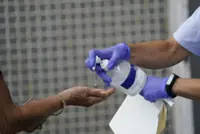
A: Washing hands with soap and clean water for at least 20 seconds is the best way for children to get rid of germs, including Covid-19. If soap and water are not available, children can use hand sanitisers with at least 60% alcohol.
However, swallowing hand sanitiser can cause poisoning in children, so be careful with it.
The American Academy of Pediatrics urges parents to keep hand sanitisers out of children's reach. Don't forget about travel-size bottles in purses, diaper bags, backpacks and cars.
Alcohol poisoning symptoms include loss of balance, sleepiness, low blood sugar, seizures and coma, and it can be fatal.
Children and adults have also been poisoned after using hand sanitisers that contained methanol (also called wood alcohol, methyl alcohol or methylated spirits).
The United States Food and Drug Administration (FDA) has issued recalls for products containing methanol, which is toxic if swallowed or after repeated use on skin.
It can cause problems ranging from nausea and headaches to blindness, nervous system damage or death.
An FDA import alert also warns about products found to contain methanol and/or 1-propanol, another form of alcohol that should not be used in hand sanitisers.
As families are buying more hand sanitisers during the Covid-19 pandemic, the National Poison Data System is seeing an increase in reports concerning exposures in children.
Health experts recommend using hand sanitisers that contain 60% to 95% alcohol to kill the virus that causes Covid-19.
Drinking alcohol typically has 5% to 40% alcohol.
The FDA began letting companies that do not normally produce hand sanitisers make and sell them during the pandemic.
Before buying or using hand sanitiser, make sure it has a label that lists the ingredients, warnings and precautions.
To reduce the risk of injury from children drinking hand sanitisers, manufacturers should add ingredients to make them taste bitter.
This important step helps prevent children from eating the product.
However, the FDA has been alerted that some young people have tried drinking hand sanitisers that come from distilleries that have not taken the step to make them taste bad.
You can check for bitter ingredients such as denatonium benzoate (Bitrex); sucrose octaacetate; or butanol (also called tert-butyl alcohol).
Current denatured hand sanitisers are made to taste bitter, but you should dispose of any old bottles of “denatured alcohol,” which may have toxic methanol added.
Be especially careful with hand sanitisers made with isopropyl alcohol (isopropanol) around children. These can be more toxic than those made with ethanol or ethyl alcohol.
Make-your-own hand sanitiser recipes, which are widely available on the internet, may not be the best option for families.
The FDA warns that if made incorrectly, hand sanitisers may not work.
There have also been reports of skin burns from homemade hand sanitiser.
Call the ambulance right away if your child has collapsed, is having a seizure, is having a hard time breathing, or if they can't wake up after using or swallowing hand sanitisers.
If you're concerned about poisoning risk in your child, talk with your pediatrician. – TNS
Dr Kevin C. Osterhoudt is the medical director of The Poison Control Center at Children’s Hospital of Philadelphia, United States.
Grab kids-safe hand sanitisers at cheaper prices with Lazada Promo Code Lazada Promo Code
Already a subscriber? Log in
Get 20% OFF The Star Digital Access
Cancel anytime. Ad-free. Unlimited access with perks.