One company throws a lifeline to old garments by transforming them into a new product.
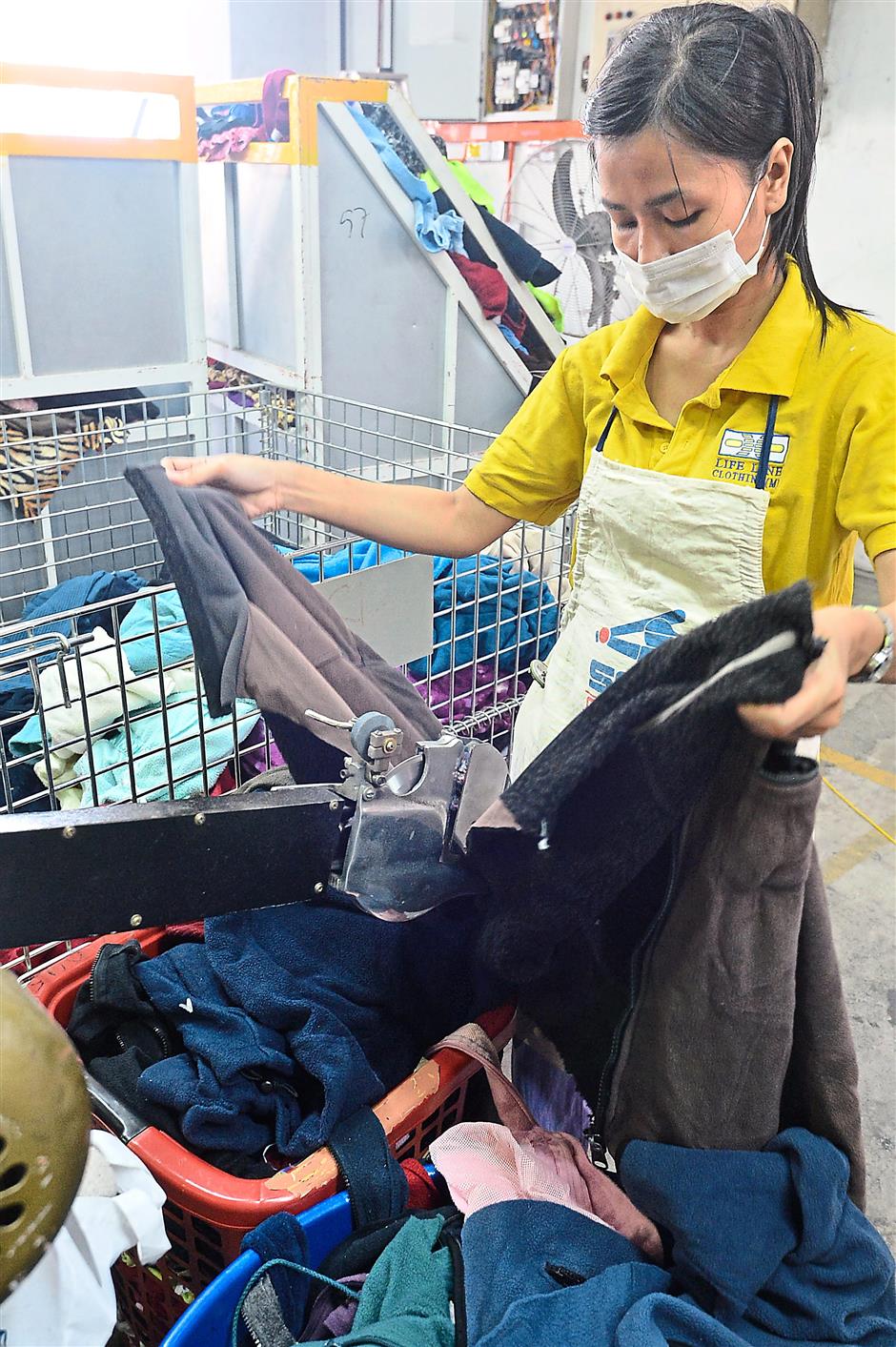
USED clothing and household textiles are widely collected but often, only the good ones are taken away and resold. The old, torn and tattered often end up in landfills.
These unwanted textiles, however, can be recycled into cleaning rags which are in demand by industries. Textile recycling company, Life Line Clothing Malaysia, is doing just that.
“Some textile recyclers just collect and sell whatever they can, and the rest is landfilled. We take it to the next level,” says chief executive officer Dale Warren.
“We take things which cannot be sold and have no value and which will be discarded into landfills or burned, and convert them into something with commercial value.”
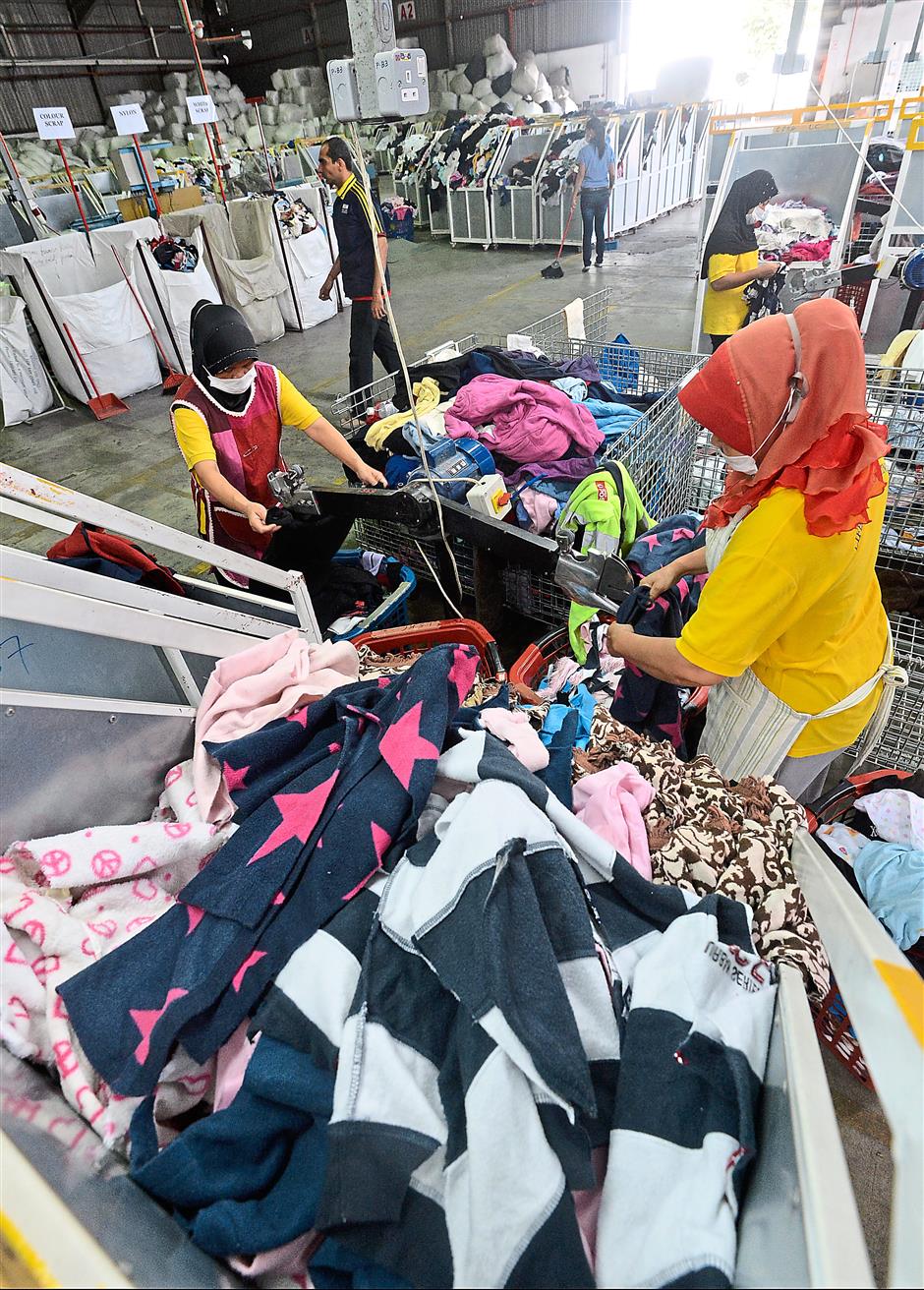
Turning old apparel into scraps involves more than just cutting them up. The process is made tedious because clothing are not only made from different fabrics, they also have components which reduce the quality of cleaning cloths; a metal stud can scratch a car if used for wiping in an automotive plant.
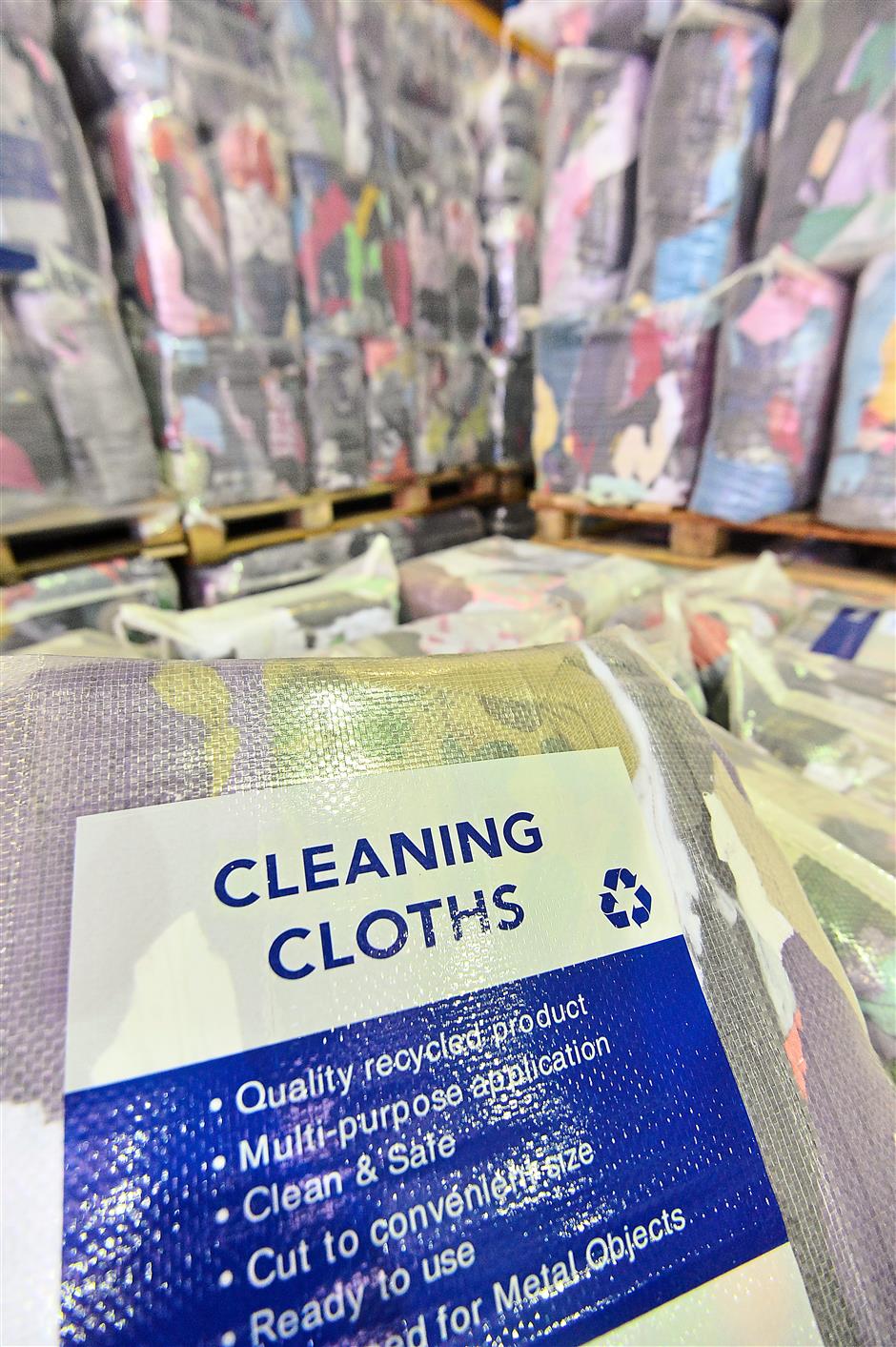
At the Life Line factory in Port Klang, workers operating industrial cutters skilfully trim away unwanted parts with zippers, elastic bands, buttons, beads, sequins and even sewn logos. The clothing is then cut into fairly large, odd-shaped pieces. These fragments are then tossed onto a conveyor belt and passed through a metal detector to remove any remaining pins or studs. They are segregated according to textile types, such as “flannelette range” and “mixed cotton”, and packed into 10kg bundles labelled as “Cleaning cloths” and exported.
“Just about every industry needs cleaning cloths. Proper segregation is important because the industries want products which have consistency and some have specific needs. Printers, for instance, want lint-free cloths, and so they use mainly linen. The mining industry looks for absorbent materials for cleaning machinery,” explains Warren.
Some just want whites. Warren has purchased some 20 tonnes of old hospital blankets which he will eventually recycle into cleaning cloths after mixing with other white materials. He hopes to work with large generators of linen waste, such as hospitals or hotels. As hospitals regularly restock new blankets and linen, he says there is a huge volume of such textile waste that often just lie in warehouses or even end up in dumps.
“Contractors should be required to recycle to avoid these things ending up in landfills,” he says.
The company started operations last March and now produces 12 to 15 tonnes of cleaning cloths each week. As the factory is aiming for “zero waste”, nothing gets thrown away. The unwanted textile scraps which cannot be turned into cleaning cloths, such as “silky” materials (polyster, spandex, lycra) and those with zippers, sequins or plastic beads, are sent to ResourceCo Asia. The company in Ipoh recycles the textile scraps by blending them with other materials to produce engineered fuel for cement kilns.
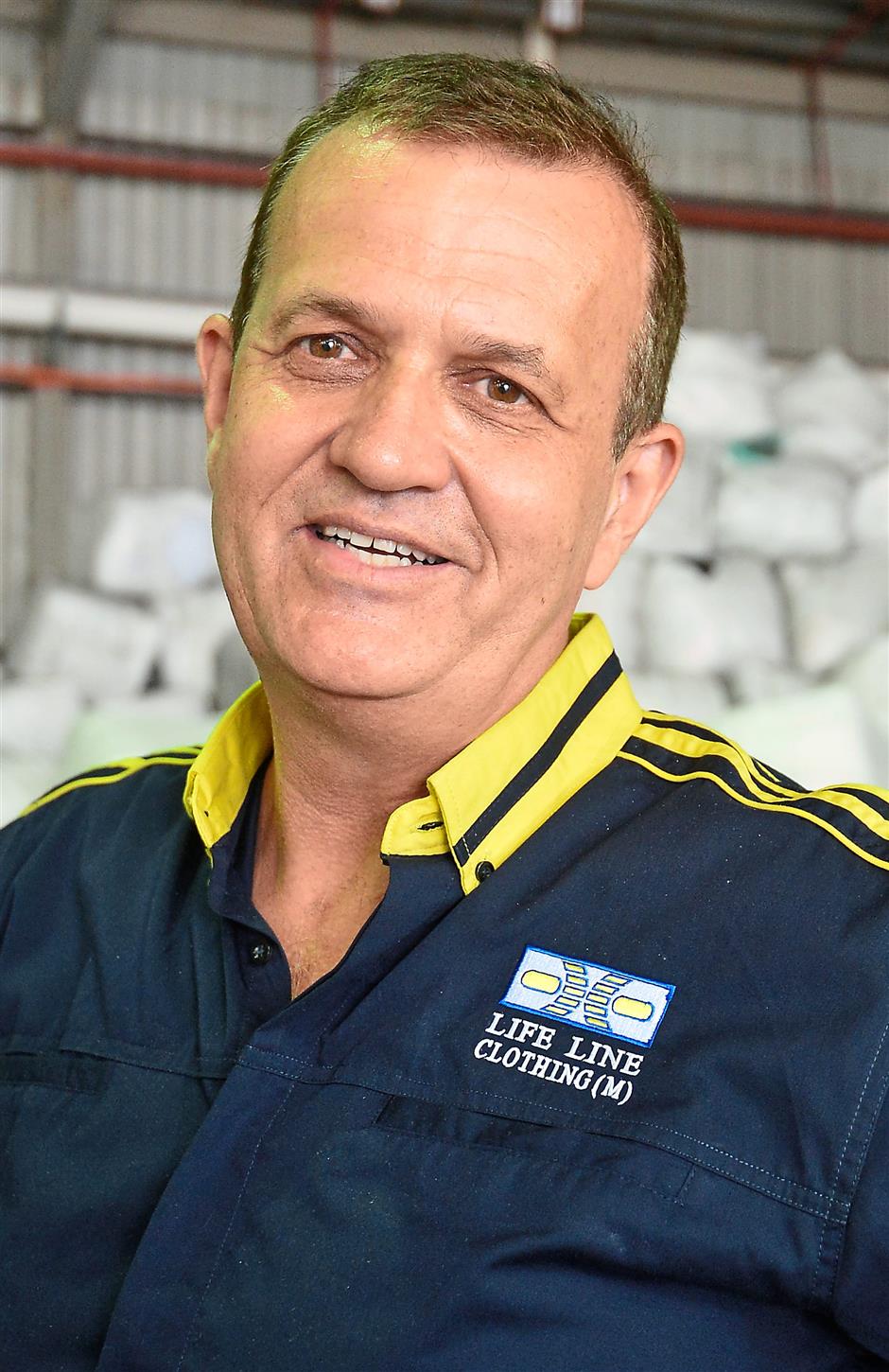
“This is so we don’t create another mound of garbage,” says Warren.
As part of the recycling effort, Life Line has put up 200 textile waste collection bins all over the Klang Valley, as well as in Bentong (Pahang) and Teluk Intan (Perak). Its collaborator for this scheme, Brackwell Malaysia, is responsible for separating the collected waste. For every kilogramme collected, a certain sum (undisclosed) is given to three charities – the Malaysian Association for the Blind, Spastic Children’s Association of Selangor and Federal Territory, and the National Cancer Council.
Related story:
Where do old clothes go?
Already a subscriber? Log in
Get 20% OFF The Star Digital Access
Cancel anytime. Ad-free. Unlimited access with perks.