
Although the skies may have cleared in some parts of the country, the recurring haze issue is still very real.
Depending on wind and rain, air quality levels can change quickly across different areas, so families should continue to monitor official updates rather than assume that clearer skies mean the risk has passed.

“Those with asthma, allergies, eczema, chronic respiratory disease or heart conditions face greater risks and may experience worsening symptoms even when their peers appear unaffected,” she says.
But while the reading is an essential guide to air quality, it doesn’t tell the whole story. Two children exposed to the same haze can respond very differently, depending on their age, health, activity level and environment.
Dr Sapna says protecting children means looking beyond the numbers and paying close attention to individual needs.
“Haze may cause coughing, nasal congestion, headaches, fatigue and breathing difficulties,” she says. “Even mild symptoms can affect a child’s concentration, classroom participation and attendance.”
Children also breathe in more air relative to their body weight than adults.
Physical activity can increase their exposure further, particularly to PM2.5 – fine particles small enough to penetrate deep into the lungs.
This means children who spend time running, playing sports or exercising outdoors may inhale more polluted air.
Therefore, API readings should be considered alongside a child’s health and symptoms. says Dr Sapna and parents should avoid encouraging children to “push through” coughing, wheezing, chest tightness or breathing difficulties simply to complete an outdoor activity.
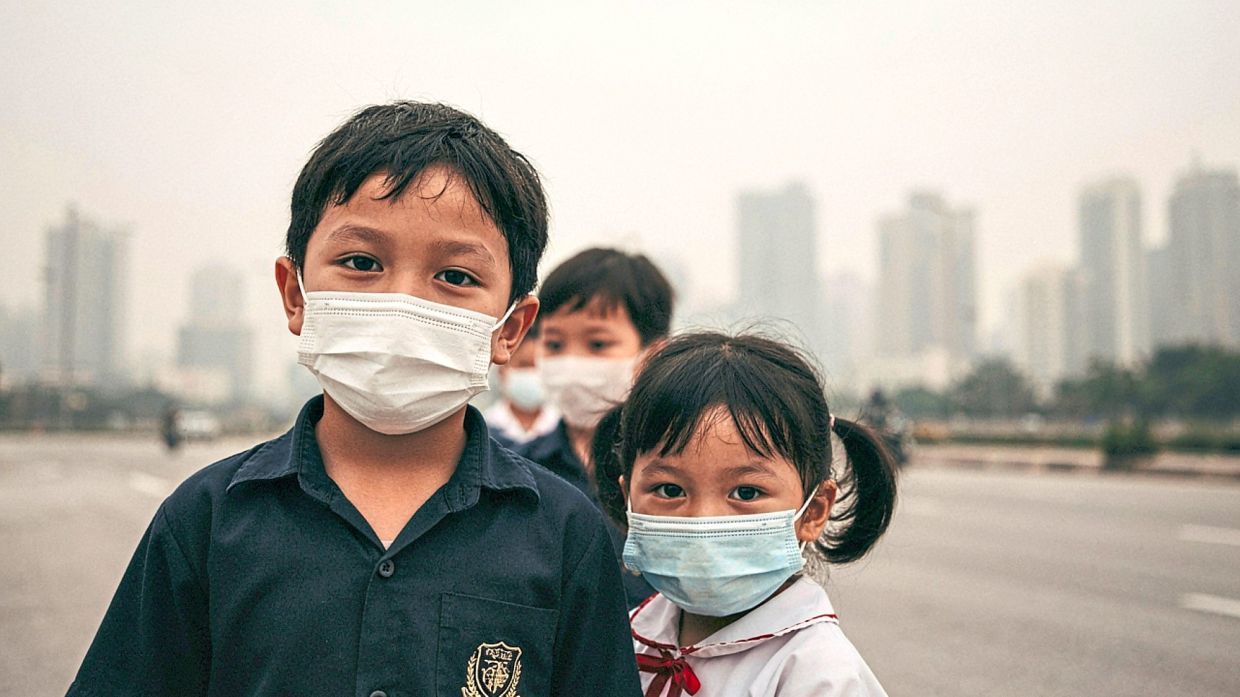
Parents can monitor air quality through Malaysia’s official Air Pollutant Index Management System (API) and reduce non- essential outdoor activities when readings become unhealthy or continue to worsen.
For children with asthma or other health conditions, exposure may need to be reduced earlier, according to advice from their healthcare provider.
Families should also ensure that prescribed medication is readily available and that children know what to do if symptoms develop.
At home, keeping windows and doors closed when appropriate can help limit polluted outdoor air from entering.
Air purifiers equipped with high-efficiency particulate air (HEPA) filters may also help improve indoor air quality.
“Families should also avoid creating additional indoor pollutants. Smoking, burning incense or candles, and other activities that generate fine particles can further compromise the air children breathe.”
“If children need to go outdoors during hazy conditions, it is advisable to wear a well-fitted face mask. The mask should sit securely around the face to provide effective protection,” Dr Sapna says.
During haze, outdoor activities in school may need to be moved indoors or postponed. “Schools should also identify students with chronic health conditions and ensure they have access to prescribed medication and appropriate support,” she says.
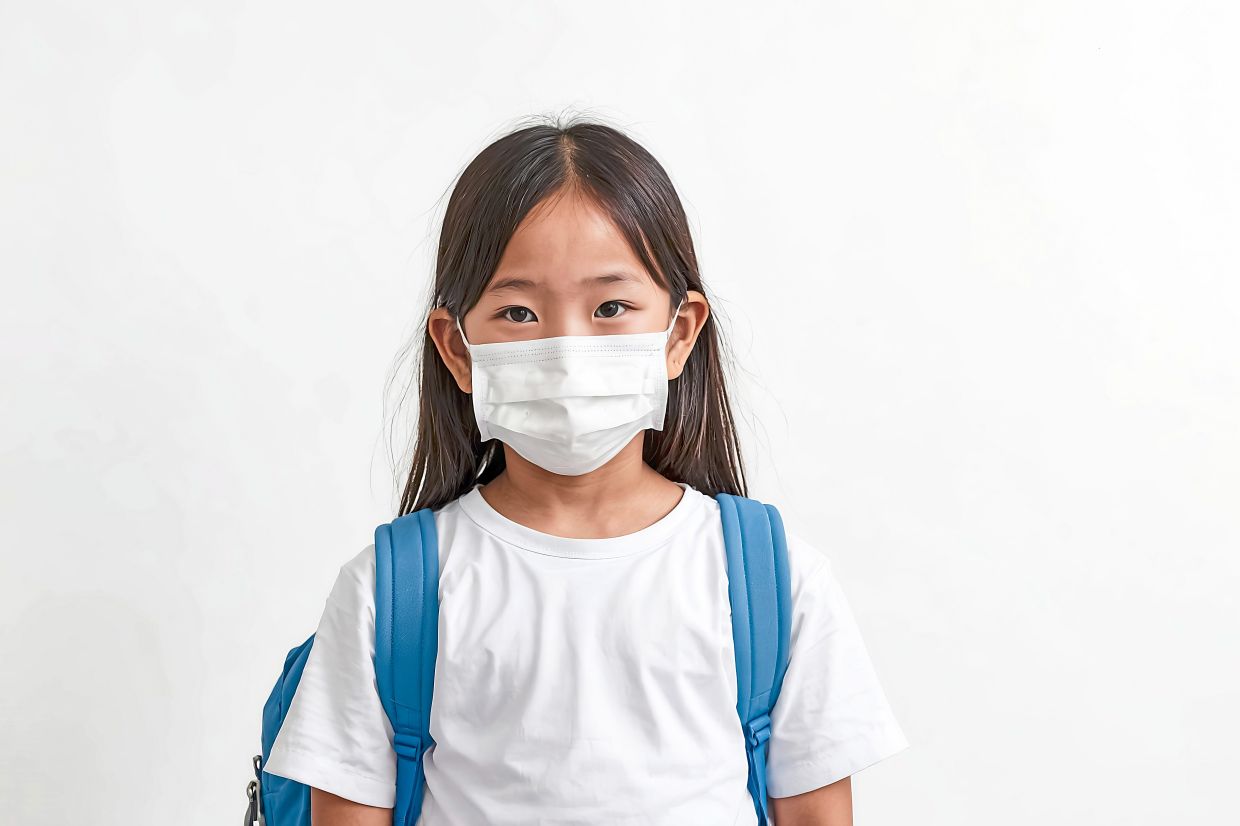
Parents should seek medical advice if symptoms persist, worsen or interfere with a child’s normal activities, Dr Sapna says.
“Children with asthma, chronic lung disease, heart conditions or significant allergies require particularly close monitoring.”
Urgent medical attention is needed for severe breathing difficulty, significant chest pain, marked wheezing, bluish discolouration around the lips, fingernails or face, unusual drowsiness, confusion or rapidly worsening symptoms.
By monitoring air quality, recognising individual vulnerabilities and responding to symptoms early, families and schools can help children stay safer while maintaining as much of their health, learning and daily routine as possible,” concludes Dr Sapna.