When donating to people in a crisis, do it mindfully


The generosity shown by Malaysians has been tremendous, and victims are grateful. But be mindful that our donations don't become part of the problems, says Dr Anasuya. - Dr Anasuya Jegathevi Jegathesan

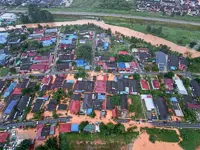
While the generosity of Malaysians has been heartwarming, there are things that Malaysians need to keep in mind before they rush to pack unwanted clothes and stuff for the victims of the floods, says psychologist Dr Anasuya Jegathevi Jegatheesan.

"The generosity shown by Malaysians has been tremendous and the victims are really very grateful. But I think we need to be more thoughtful in how we donate the clothes and things to them," says Dr Anasuya who has volunteered under the Malaysian International Counselling Association (Perkama) to offer mental health support to the flood victims.

"These are people who are in crisis. And, the donated clothes are being sent to places where space is critical. What I have seen is piles of clothes that have been sent to relief centres, some in garbage bags and some just strewn on the floor of the centres. Children are playing on them, they are damp because water is everywhere... and we all know how damp clothes smell. The donated clothes then become part of the mess," says Dr Anasuya.

She decided to share a post on her social media platforms about the issue after she saw a elderly makcik in one of the flood sites in Hulu Langat carefully picking clothes from a neatly-packed box. The elderly lady said that she didn't "feel nice" going through the piles of clothes on the floor, even though she was "very grateful" for the kind donations from Malaysians.

Dr Anasuya's advice is for people to be more mindful when they donate. - Filepic
"If you were in the her place, would you want to look through these piles for clothes? These are victims of floods, they have jobs, some are grandmothers like this makcik. They are not poor nor are they beggars. Give them the dignity of at least going through clean clothes – because there have also been dirty underwear among the clothes – that have been packed nicely," she says.

Dr Anasuya advises those who want to donate their old (but still in good condition) and unused clothes to pack them neatly and label them to make it easier for the victims and volunteers at the flood sites.

"The volunteers who are there are busy with the cleaning and distributing of aid. I know all those who have donated clothes are trying to help but the volunteers don't have the time to sort through the piles of clothes. That should be done by families who are donating or the NGOs who are co-ordinating the donations. I believe we can do better. Labelling the clothes and packing them neatly so that they can just pick clothes that fit their gender and size would really be a great help," she says.

Overall, she says, the flood victims that she has encountered have shown tremendous resilience and are coping "as best they can".

"They are strong and they have hope. People see miracles and they see that God is there for them, their neighbours, NGOs, Malaysians have come through for them. And, generally, Malaysians are really resilient people.

"But there is stress and a lot of them are smiling and pushing through the stress because they are in the midst of a crisis and they have to manage.

"There is also a lot of fear. The word I heard the most was 'tak sangka (unexpected)'. They thought that they were prepared. That they had put all their things in high areas and safe places. They are used to water levels going up to their knees and waist, but not to the rooftops. And they were not prepared for it to last so long. So it has really hit them very hard that all their preparation was for nought," she says.

"We have to understand that its not going to be easy to fully recover but people are doing their best," she says.

Dr Anasuya's advice is for people to be more mindful when they donate.

"When you are donating into areas where you require 4WD to go in, where there is no electricity and clean water is an issue, we need to think about how we can donate in a way that fits the needs of the individuals there and the crisis we are in.

"Apart from the packing of clothes, think about the food we are donating. Take a pack of six instant noodles, for example. That has a lot of packaging. Where will they dispose of all this? Also, is it really nutritious? Would they have clean water to cook it in? Would they have stoves or kettles to boil hot water? It's not wrong to donate instant noodles but in their situation, maybe it isn't the best option," she says.

Get 20% OFF The Star Digital Access

Monthly Plan

RM 13.90/month

RM 11.12/month

Billed as RM 11.12 for the 1st month, RM 13.90 thereafter.

Best Value

Annual Plan

RM 12.33/month

RM 9.87/month

Billed as RM 118.40 for the 1st year, RM 148 thereafter.

Follow us on our official WhatsApp channel for breaking news alerts and key updates!
floods , donating , crisis

Next In Family

How this retired Malaysian transformed his grief into an adventure for good
These dads are experiencing a shift in fatherhood as new norms take place
Study suggests women who do strength training will live a longer, healthier life
Are we failing neglected seniors in Malaysia?
It's time for parents to adopt these Japanese child upbringing approaches
Families in Sri Lanka are bearing the cost of the Middle East conflict
Why parents should step back and allow kids learn on their own
Helping single mothers get back on their feet
Helping single mothers build financial resilience and community
A platform for women entrepreneurs to lead and give back

Others Also Read