Second chance at life after stroke


Stroke survivor Betty Ng (centre) being her usual active self at the Walk for Health event before the pandemic. Photo: Nasam

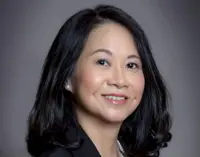
Retiree Betty Ng, who turned 70 in June, has been a stroke survivor for seven years. On her birthday, she started a campaign to raise funds for the National Stroke Association of Malaysia (Nasam).

“It was at Nasam that I recovered from my stroke as I went through physiotherapy and rehabilitation. It was also here that I got my second chance in life and met new friends which made me happy just to be alive,” says Ng

But, for the past one year, the pandemic has somewhat impacted activities at the centre. Although Nasam is still open for one-on-one therapy, there are no in-person group therapy activities and social events which are a major part of a stroke survivor's recovery process, she says.

“Stroke rehabilitation can take a heavy toll physically and emotional on a stroke survivor and their family members. But Nasam has always been a safe space where they can go to for recovery, meet other survivors and be motivated to embrace life after stroke,” she says.

This is why Ng wants to help raise funds for Nasam, an NGO that relies largely on donations from the public to stay afloat during the difficult pandemic time.

Betty Ng excitedly checking up on her SimplyGiving fundraising site. Photo: NASAM

“As an NGO, Nasam relies largely on public donations from members of the public – both corporations and individuals - in order to survive. So I hope that my initiative will help Nasam stay afloat during this time so that they can continue to serve the stroke community, ” says Ng.

The determined Ng, who suffered from a stroke in 2014 during surgery to remove a benign brain tumour, adds that she wants to be a motivator for all who have been stricken with stroke, because as a survivor herself, she understands what they’re going through.

After she had her stroke seven years ago, she could not stand, nor use her left hand or leg.

“I had problems eating, suffered from a slight speech impairment, couldn’t recall words and had difficulty completing sentences. I had to be bathed, dressed, and fed, and even to wear diapers,” she recounts.

“I felt really miserable because I couldn’t help myself. I wasn’t used to being dependent on anyone,” she says.

Ng was in hospital for six weeks and after she was discharged, she could walk with the aid of a quadripod walking stick, and was cared for by her daughter.

Determined to get back to normalcy quickly, Ng started exercising to strengthen her left arm and leg, and improve her speech.

“I pushed myself to the maximum as I was impatient to get back to as normal a life as possible,” she says.

Ng’s daughter would prepare her food and then go to work, but be back to help with Ng’s exercises in the evening.

“I was on my own the whole day, and would spend the time exercising, doing puzzles such as crosswords, and colouring to stimulate my brain.

“In the evenings, I would do my exercises – under the supervision of my daughter - which included walking up and down the stairs and to-and-fro without the walking stick,” says Ng.

Ng started rehabilitation daily at Nasam in Dec 2014, in addition to her rehabilitation at the hospital.


Fourteen months after her stroke (in Aug 2015), she was certified fit to drive.

“I was thrilled because it gave me so much more independence. The following year, my daughter bought me a car and nothing stops me now ... except the MCO,” she says.

But, since the pandemic, Ng’s group rehabilitation sessions at the centre have come to a halt.

“The MCO has made things difficult because I’m not able to move around freely and frequently," she says.


Before the first MCO last year, Ng used to spend a lot of time at Nasam and says it was “like a second home” for her and other stroke survivors.

Betty Ng (in orange) at The Stroke Games before the pandemic. Photo: NASAM

“I would bring my 90-year-old mother and also sisters along for the social gatherings and outings organised by Nasam. It gave us the opportunity to bond and have fun together as a family,” she says.

Ng says that Nasam has helped her grow her confidence and self-esteem.

“I’ve been given the opportunity to reach out to other stroke survivors and their families and I’m grateful for the chance to help others,” says Ng who now is a Nasam ambassador and also on its mentor-mentee programme.

As an ambassador, she helps create awareness through speaking at public forums about stroke and the challenges to recovery. For the mentor-mentee programme, she counsels and motivates stroke survivors who are going through difficulties.

Betty is now a Nasam ambassador and also on its mentor-mentee programme. Photo: NASAM

“I do this alongside Nasam’s founder and chairman Janet Yeo, who created and manages the platform,” she adds.

“Nasam has shown us that there is life after stroke by challenging stroke survivors to achieve a greater recovery by giving us so many wonderful experiences and opportunities like The Stroke Games, as well as social integration and empowerment to return to the community or back to work,” says Ng.


“I started the fundraising campaign, which will run until Jul 17, because Nasam is like family to me. I want to help stroke survivors and see them able to lead a better life,” she concludes.

For more info, visit: SimplyGiving: There is life after stroke

Get 20% OFF The Star Digital Access

Monthly Plan

RM 13.90/month

RM 11.12/month

Billed as RM 11.12 for the 1st month, RM 13.90 thereafter.

Best Value

Annual Plan

RM 12.33/month

RM 9.87/month

Billed as RM 118.40 for the 1st year, RM 148 thereafter.

Follow us on our official WhatsApp channel for breaking news alerts and key updates!

Next In Family

How this retired Malaysian transformed his grief into an adventure for good
These dads are experiencing a shift in fatherhood as new norms take place
Study suggests women who do strength training will live a longer, healthier life
Are we failing neglected seniors in Malaysia?
It's time for parents to adopt these Japanese child upbringing approaches
Families in Sri Lanka are bearing the cost of the Middle East conflict
Why parents should step back and allow kids learn on their own
Helping single mothers get back on their feet
Helping single mothers build financial resilience and community
A platform for women entrepreneurs to lead and give back

Others Also Read