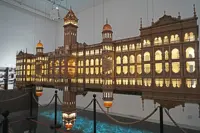
Embroidery and textile arts are rarely afforded significant space in museums, making the Islamic Arts Museum Malaysia’s newly opened exhibition Tatreez: Reclaiming Palestine Through Embroidery a notable undertaking. The exhibition highlights the rich tradition of Palestinian embroidery and is accompanied by the publication of a book.
As the museum – located in the vicinity of Perdana Botanical Garden in Kuala Lumpur – aptly notes, tatreez is more than a decorative art form; it is “a visual language of memory, identity and cultural continuity, passed down by the skilled hands of women who have preserved its patterns over centuries”.
Every part of Palestine has its own distinctive cultural features, while sharing a common identity. It is a living archive of Palestinian history, memory and identity.
Every stitch tells a story – of villages, families, traditions and resilience. As the craft continues to evolve and gain international recognition, tatreez remains a vibrant expression of Palestinian culture, connecting past and present through the enduring language of thread.
In recent decades, tatreez has experienced a remarkable revival. Palestinian artists, designers and cultural organisations have worked to preserve traditional patterns while adapting them for contemporary fashion, accessories and artwork.
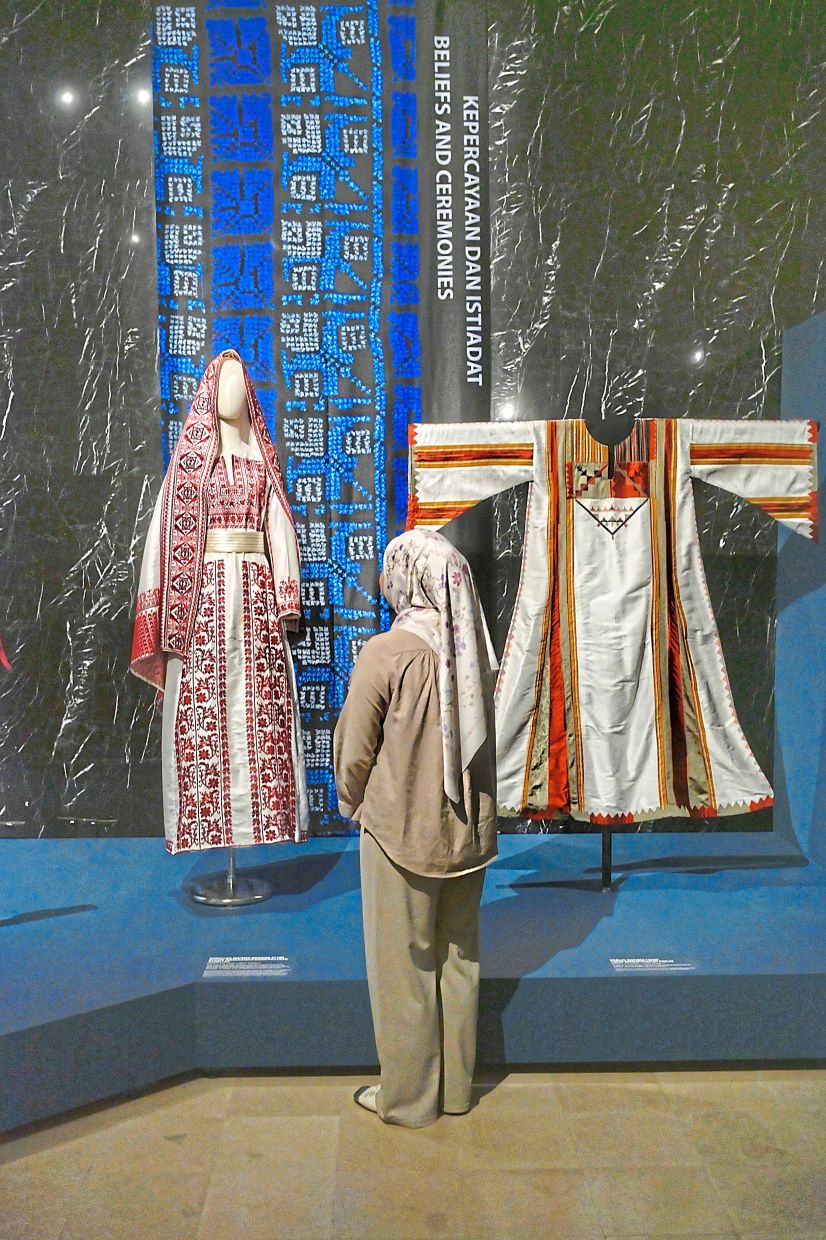
Embroidered jackets, bags, scarves and jewellery now bring tatreez to audiences around the world.
Social media and digital archives have also played an important role in documenting historical patterns and teaching the craft to a new generation.
Workshops, exhibitions and community projects help ensure that the knowledge continues to be shared across borders and generations.
In 2021, the embroidery tradition known as Palestinian tatreez was inscribed on the Representative List of the Intangible Cultural Heritage of Humanity by Unesco, recognising its cultural importance and the efforts of Palestinian communities to safeguard the practice.
Islamic Arts Museum Malaysia (IAMM) director Syed Mohamad Albukhary said the journey towards Tatreez: Reclaiming Palestine Through Embroidery began more than 15 years ago, with the museum building its collection through acquisitions from the Inaash Association in Lebanon, an organisation that has provided vital support amid one of the world’s longest-running humanitarian crises.
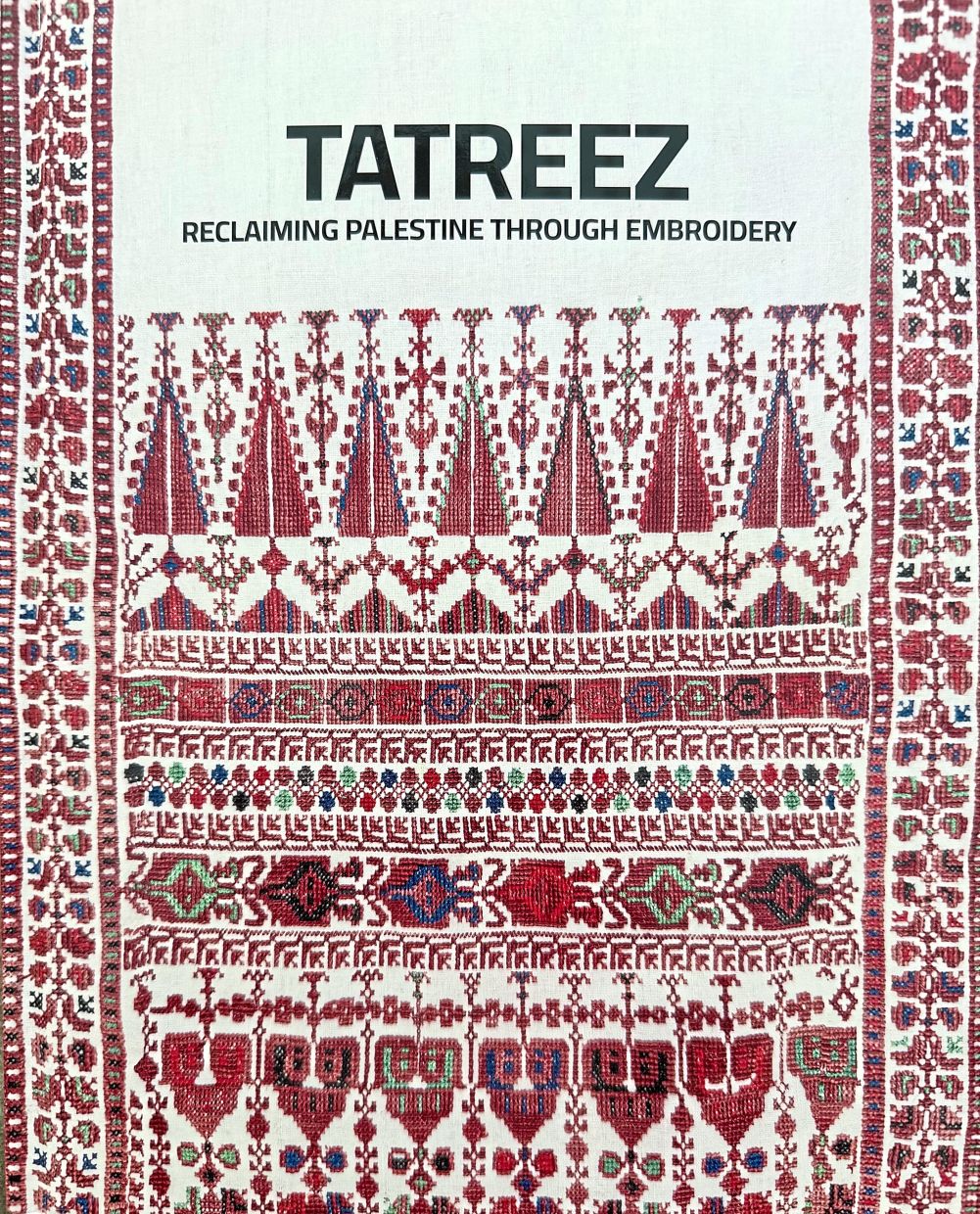
The collection, he added, “would not have been possible without the assistance of private collectors who have for decades been gathering the finest examples.”
Through the exhibition and its accompanying 324-page publication, Syed Mohamad said the museum seeks to highlight that the Palestinian plight extends beyond the loss of land and lives, as “their identity and heritage are also endangered”.
For centuries, tatreez has served as a visual language through which Palestinian women have expressed identity, history, social status and connection to the land.
The origins of tatreez can be traced back hundreds, and possibly thousands, of years.
Historically, Palestinian women embroidered dresses, known as thobes, by hand, using patterns that were unique to their villages and regions. These motifs often reflected local landscapes, agricultural life, religious beliefs and community traditions.
Before widespread literacy, embroidery functioned as a form of communication. The colours, designs, and placement of patterns could reveal a woman’s hometown, marital status, economic standing and even aspects of her personal story.
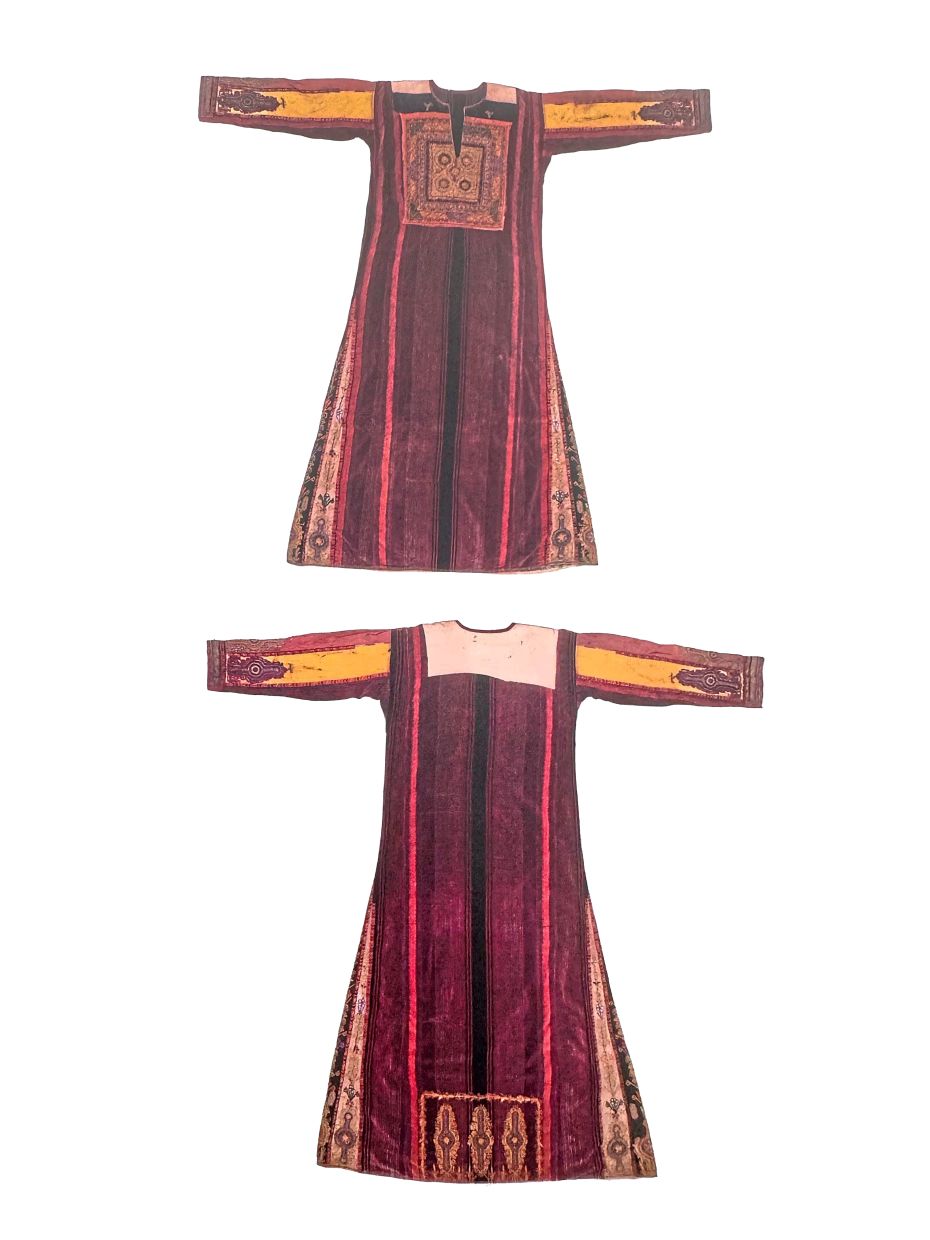
Each garment became a wearable record of identity and belonging.
According to reports, for example, embroidery from Jerusalem often featured elaborate gold-thread work, while villages in the Galilee and the southern Palestinian countryside were known for bold red patterns stitched onto dark fabrics.
The process of creating a tatreez garment is labour- intensive and requires considerable skill. A single embroidered dress can take months, or even years, to complete.
The craft is traditionally passed down from mothers and grandmothers to younger generations, preserving both technical knowledge and cultural memory.
Today, the wearing or creating tatreez became an act of cultural preservation and, for many, a form of resistance against the erasure of Palestinian history.
As the craft continues to evolve and gain international recognition, tatreez remains a vibrant expression of Palestinian culture, connecting past and present through the enduring language of thread.
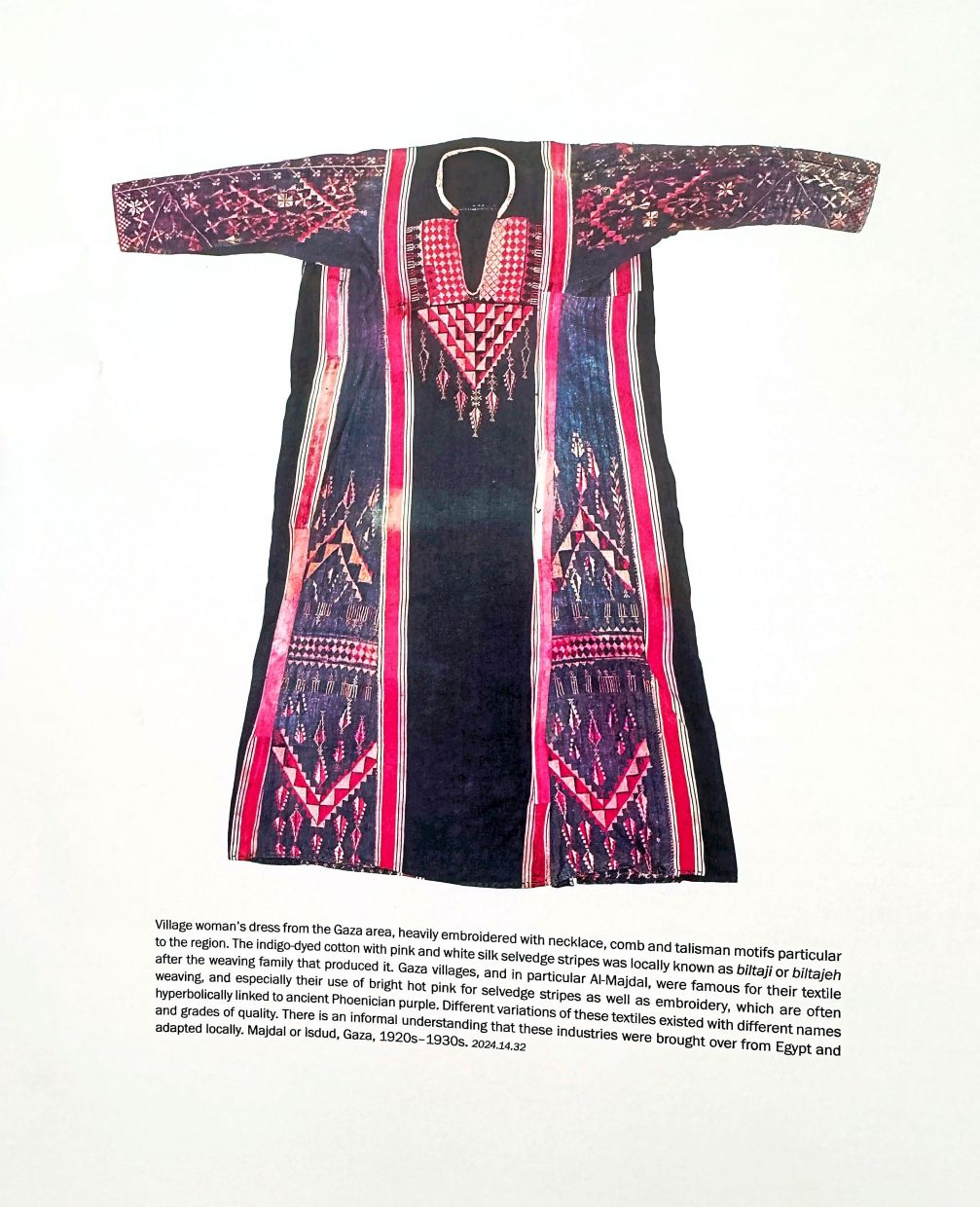
It is important to note that the museum’s collection of tatreez is now perhaps the best around the world.
“We are also aiming to become a global centre of knowledge and research in the field. In the peaceful surroundings of Malaysia, we hope to become a unique resource and custodian of what remains of a once-vibrant culture,” said Syed Muhamad.
“The next step towards this is the exhibition being launched. It reminds us that traditional crafts are living practices.
“They continue to evolve while remaining rooted in community knowledge and experience. These were communities in which the two principal faiths lived in harmony. Muslim and Christian Palestinians created embroidery that is largely no different from each other,” he added.
Let’s hope that both the exhibition and this publication will foster a deeper appreciation for this remarkable craftsmanship and the people who have practised it: past, present and future.
The exhibition which opened on June 19 will continue until April 25, 2027, while the publication is available for sale at the IAMM gift shop (and its online store).
The book is dedicated to Palestinians everywhere – those who remain rooted in their homeland and those scattered across the world – whose resilience and struggle ensure that the cultural heritage of Palestine lives on for future generations.
Datuk Seri Wong Chun Wai is the Bernama chairman and a National Journalism Laureate.