The tradition of "bertuntong" - lighting oil lamps or lanterns to decorate homes before Hari Raya Aidilfitri - which takes place on March 31 - was once a key practice among the Malay community in Sarawak. However, modernisation has gradually diminished this custom.
To help preserve this heritage, the Kuching North City Hall (DBKU) recently held a three-night bertuntong competition.
The competition’s chief judge, Mohamad Nur Syafiq Mohamad Andai said that over the past 10 years, DBKU has worked to ensure that the bertuntong tradition, which involves the use of oil lamps and traditional lighting, does not fade away.
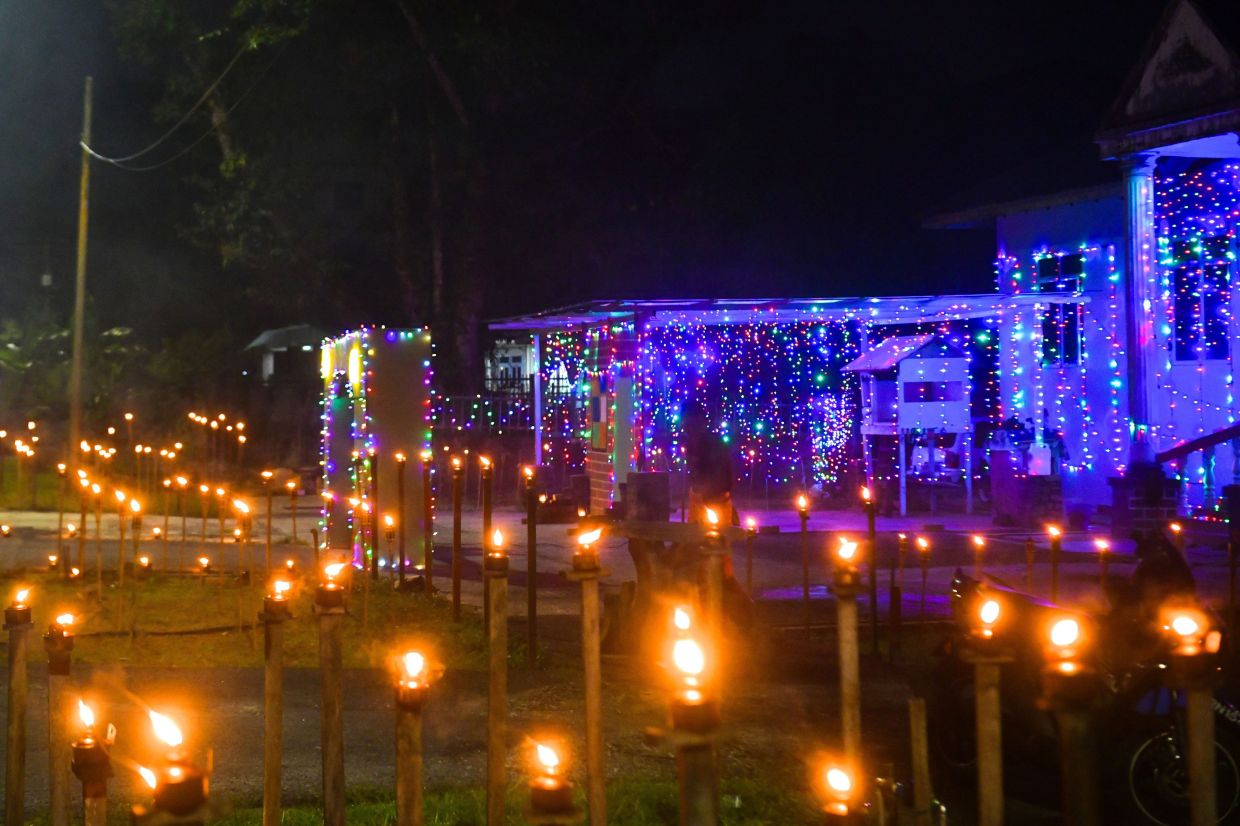
"This year, the bertuntong competition in the Satok area focused on the use of lampu cabik (colourful decorative lights), which is a key element of this tradition," said Nur Syafiq.
"Our main objective is to encourage the younger generation to engage in this tradition and remind them of the importance of preserving a heritage that is becoming less appreciated. This includes the use of oil lamps, which are now rarely seen in villages,” he added.
Nur Syafiq said that the bertuntong tradition also encourages village communities to showcase their creativity through neat and attractive lighting decorations.
"Each year, the judging criteria for this competition becomes stricter, with greater emphasis on the arrangement of lampu cabik and the bertuntong tradition itself.
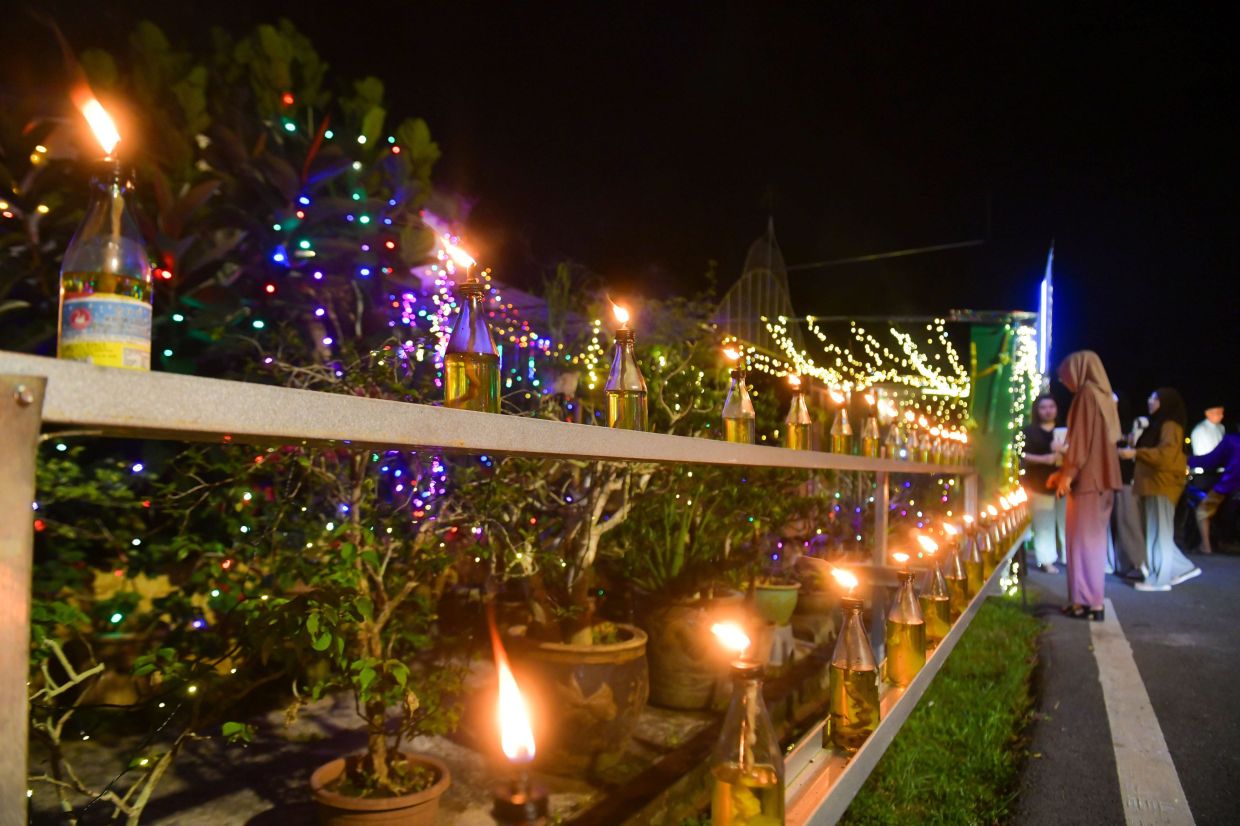
"Although the competition is intense, it continues to reflect the spirit of unity and cooperation within the village communities, alongside the encouraging level of participation,” he said.
Nur Syafiq added that this year, nearly 20 houses from six villages in the Satok area-Kampung Bintangor Kecil, Kampung Bintangor Besar, Kampung Muda Hashim, Kampung No. 5, Kampung No. 3, and Kampung Kudei Baru-took part in the competition.
"Each home is adorned with oil lamps and lampu cabik, illuminating the night and reviving nostalgic memories of Hari Raya celebrations and the bertuntong tradition.
"This is an important step in preserving a heritage that has long been an identity of the local community. With increasing participation each year, my hope is that this tradition will continue to thrive among future generations,” he said. - Bernama