




DID you know that the 14.125 billion cigarette butts Malaysians toss away annually could actually be the secret ingredient to more energy-efficient housing?
A research has shown that adding just 1% of these butts into clay bricks can slash the energy needed to fire them by 10%.
Similarly, the 5.475 billion face masks we’ve discarded since 2020 have the potential to make our concrete roads significantly stronger and more durable.
Yet, as a society, we rarely see this potential. Waste management is not just a you-and-me problem, but an issue that everyone has to bear. We still categorise waste management as a “throw first, pick up second” concept, rarely thinking twice before binning our rubbish.
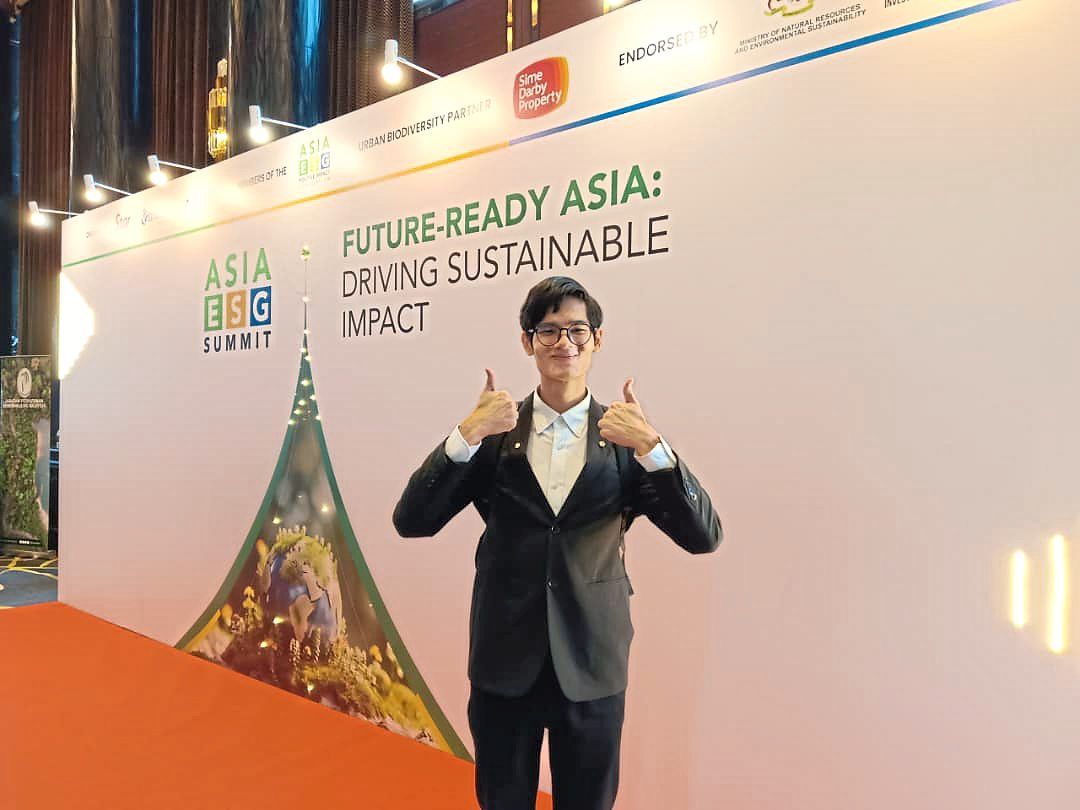
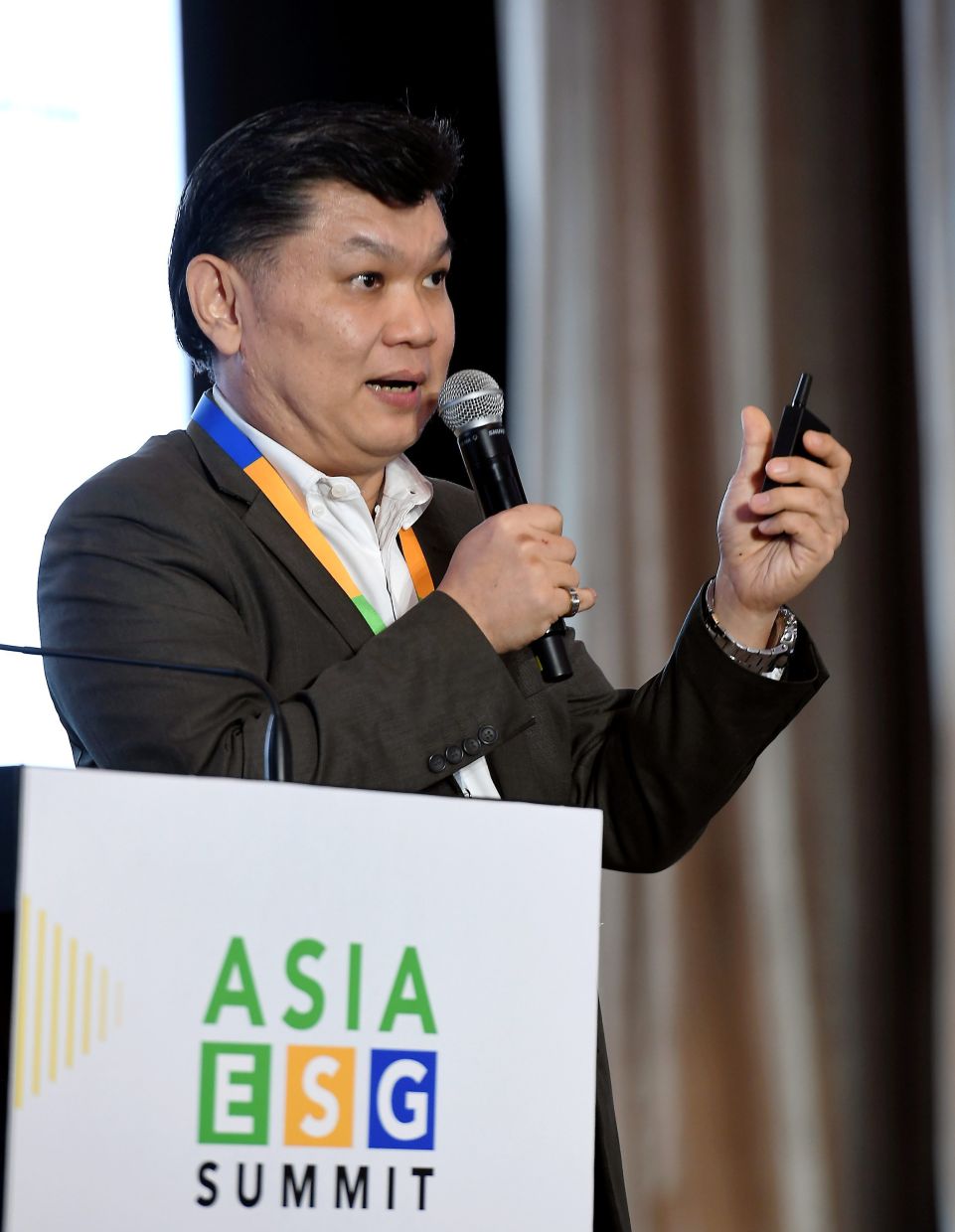
After attending the talk “Waste Management: Stories Beyond the Bin – the Past, Present, and Future” by Dr Theng Lee Chong at the Asia ESG Summit last year, I was astounded by how much we are overlooking, that waste management is of utmost important, and why Malaysians needs to take accountability.
The staggering reality
Hearing from an expert like Theng – a renowned environmental scientist and member of Malaysia’s National Circular Economy Council – was a reality check.
With a population of about 35.56 million, Malaysians are generating billions of items of waste – from household rubbish to commercial refuse – all of which are now riddled with microplastics.
The scale is difficult to grasp. Over 131.7 million lithium phone batteries are discarded every year, alongside those aforementioned billions of cigarette butts and masks. We are not just throwing away “rubbish”, we are discarding materials that leave a massive, permanent footprint on our land and sea.
The three pillars of crisis
With that in mind, why is there so much waste lingering in Malaysia? Theng summarised Malaysia’s struggle into three main issues that I believe highlight a deep-seated cultural problem.
Firstly, illegal dumping and littering, a behavioural issue in Malaysia, where since young it is taught that it is alright to simply throw our waste without consequences, when there were.
One example is Johor’s Sungai Kim Kim toxic pollution 2019, where 30 people were admitted to the hospital with symptoms of vomiting and fainting after breathing in strong fumes from the polluted river.
Although the Malaysian government is implementing stricter laws to close illegal dump sites, many still participate in illegal dumping and littering.
Next is questionable statistics. While Malaysia’s national recycling rate reportedly reached 37.9% in 2024 – just under the Twelfth Malaysia Plan (12MP) target of 40% – Theng find these figures questionable. If we are truly recycling nearly 40% of our waste, why is rubbish still piling up across every state? To me, the math simply does not match the scenery.
The third pillar is rhetoric versus action. Nowadays, everyone is keen to speak about ESG, circular economy and Sustainable Development Goals.
Yet, actions speak louder than words. With 80% of our dumping sites remaining non-segregated and unsanitary, it is clear that many still choose the easy option of open dumping for hazardous materials rather than the responsible one.
Lack of accountability
Theng identified four root causes that resonated with me. First is uncontrolled production. Companies produce unlimited packaging because Malaysia lacks strict restriction laws.
Second is uncontrolled consumption, especially in rural areas where plastic use feels limitless.
Third is a low willingness to pay. Malaysians expect local authorities to clean up after us for next to nothing, failing to see that quality waste management requires investment.
Finally, there is the money-oriented trap. We spend RM3bil annually on waste management, yet some corporations hide behind the trendy phrase “waste to wealth.”
But as a student looking at our growing landfills, if we are too busy trying to find the wealth in our waste, we might forget that the real goal should be reducing what we throw away. To me, this phrase often feels like a smokescreen – a way to justify producing even more rubbish under the guise of making money from it, while the environment continues to suffer.
Overcoming problems
With that, there are two key points to overcome these major issues. The first is to take a holistic approach when managing waste. Businesses should highlight all types of waste, including hazardous ones, and show initiative in willing to pay the amount to have proper waste management.
And business corporations need to stop misleading “waste to wealth”. Waste management is costly, but waste is our responsibility, therefore we need to bear the cost to ensure sustainability for future generations.
A standout example shared by Theng was Ajinomoto. Their Tokyo headquarters instructed all sectors to slash plastic consumption and, crucially, provided the funding to ensure a recycling rate of nearly 97%. They proved that when a company is willing to bear the cost, real sustainability happens.
Conclusion
Waste management is not a one-man job. It requires collective support and a willingness to take charge. Before Theng’s session talk, I never truly appreciated the astronomical costs and resources required to manage our daily habits.
If we cling to a “waste to wealth” or “not willing to pay” mindset, we are merely passing the bill to the next generation. As Theng warned, “Someone, in the end, has to pay the price.” As the leaders of tomorrow, we must be the ones to break this cycle and take charge of our waste respectively.
The Star Journalism Apprenticeship Programme offers hands-on experience and mentorship for aspiring journalists. Interested students can apply at brats@thestar.com.my.


