Emerging Asian currencies inched higher against a softer dollar on Tuesday as odds of a U.S. rate hike next month receded, while the risk of an escalation in the Middle East war sent oil prices higher and weighed on sentiment.
The Taiwan dollar rose as much as 0.2% and hit its strongest level in nearly two months at 31.774 per dollar, while the South Korean won climbed 0.5% to a one-week high.
The MSCI EM currency index was largely unchanged. The U.S. dollar lingered near a two-month low against most major currencies after soft economic data dimmed hopes for a Federal Reserve interest rate hike in September.
Higher crude oil prices tend to weigh on most emerging Asian currencies as they raise energy import bills and widen current-account deficits in the region's oil-importing economies.
The Malaysian ringgit firmed 0.2%, while the Philippine peso slipped 0.3% and was headed for a fourth straight session of losses. The Thai baht and the Singapore dollar eased 0.1% each.
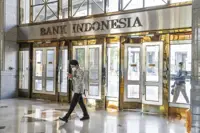
Investors were awaiting Bank Indonesia's policy decision on Wednesday, when it is widely expected to leave its benchmark interest rate unchanged at 5.75% after last month's surprise pause and fresh measures to attract capital inflows and support the currency.
Indonesian markets have been under pressure this year since MSCI warned that the country's stock market could be downgraded to frontier-market status on access and transparency concerns.
Jakarta has since announced several reforms including higher free-float requirements, while index provider MSCI in June deferred a decision on the review until November.
Indonesian stocks, which have fallen about 25% this year, rose 1.3%, outperforming most regional peers. The rupiah weakened 0.1%, losing some ground after a near 1% rise over the past two weeks.
Fakhrul Fulvian, chief economist at Trimegah Securities, said the rally reflected a broader reassessment of Indonesia's economic outlook after markets had previously priced in an overly pessimistic scenario, rather than expectations for Bank Indonesia's policy decision alone.
The MSCI emerging Asia equities index fell 0.7%, weighed down by losses in top constituents Taiwan and South Korea. Taiwan stocks dropped 1%, while South Korea's KOSPI fell 1.1%.
Elsewhere, Singapore shares dropped 1.3% after gaining about 0.8% in the previous two sessions, while Philippine stocks lost 0.7%.
HIGHLIGHTS:
** Big investors hunt for tomorrow's AI winners as capex angst fades
** China's recovery sputters as consumption, output lose steam
** Emerging markets march out of 'valley of tears' as investors diversify - Reuters