MOST emerging Asian currencies and equities dropped on Thursday, with the Philippine peso sinking to a record low, as an escalation in the U.S.-Israeli conflict with Iran shook risk sentiment and drove oil prices higher.
Markets were firmly in risk-off mode, with oil prices rising as much as 3%, after Iran attacked energy facilities across the Middle East following a strike on its South Pars gas field.
The Philippine peso slipped past the key psychological level of 60 against the dollar, touching an all-time low of 60.306 during the session so far.
"Higher oil prices are going to deliver in terms of trade shock for the Philippines and are going to weigh on the current account," said MUFG senior currency analyst Lloyd Chan.
"In that regard, we have heard policy signals from the Bangko Sentral ng Pilipinas (BSP) that they may consider to raise rates (in April), and I think that's the appropriate response, given the inflation risk."
Elsewhere in the region, Malaysia's ringgit weakened to 3.934, Taiwan's dollar slipped to 31.97, and the Thai baht dropped to a roughly five-month low of 32.84 against the dollar.
Among emerging Asian equities, South Korean stocks fell as much as 3.1%, wiping out more than half of the gains from Wednesday, while Taiwan's benchmark index and Philippine stocks dropped more than 1.6% each.
That dragged MSCI's global emerging markets index and its emerging Asia counterpart down about 2% each.
"With higher oil prices, emerging Asia economies like Korea and Taiwan could be negatively impacted," Chan said, noting that it was more of a near-term volatility and potential spillover effect of oil prices on the regions' current account and inflation.
Elsewhere in the region, Thai shares fell around 0.6%. Thailand's Constitutional Court accepted a petition on Wednesday challenging the legality of ballots used in last month's election, but gave no order that would delay parliament's planned vote on a new prime minister. The court gave the Election Commission 15 days to clarify complaints that barcodes and QR codes on ballots could compromise voting secrecy.
Markets in Indonesia are closed for local holidays until March 24.
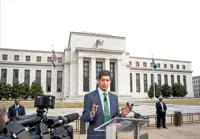
Investors globally also parsed the U.S. Federal Reserve's comments on the risk of higher inflation after the central bank kept interest rates unchanged, as expected.
The Fed was joined by the Bank of Japan in standing pat on rates, while decisions from other G10 central banks are due later in the week.
HIGHLIGHTS:
** Asia's Russian fuel imports poised to hit all-time high due to Middle East disruption
** China set to keep rates steady as Mideast war clouds inflation outlook
** Malaysia's February exports rise 10.8% y/y, below forecast
** Thailand's Anutin seeks new mandate as parliament votes on prime minister - Reuters