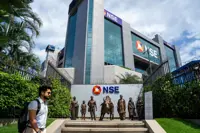
HO CHI MINH CITY: The world’s biggest stock-market slump is testing the resolve of Vietnam’s investing masses.
A government crackdown on real estate companies, corruption probes and tightening credit have pushed the benchmark VN Index down 36% this year – tied with Sri Lanka’s gauge as the world’s worst performance – led by banks and property firms.
While some foreign investors see a buying opportunity, the crisis is punishing for Vietnamese launched into the middle class since 2002.
“I am very upset,” said Nguyen Bien, a 33-year-old swimming instructor who said his dream of buying an apartment in Hanoi is fading after his initial investment of about US$43,000 (RM196,897) shrank about 40%.
“The market kept falling and falling like it would never stop, so I decided to leave it for now.”
Retail traders make up about 85% of the turnover on the benchmark exchange.
But sentiment has soured as authorities have stepped up scrutiny into the fundraising activities of the nation’s property firms – and made some key, high-profile arrests – adding pressure to an economy struggling to keep inflation under control and growing debt burdens.
As a result, an economy the World Bank calls a “development success story” for transitioning from one of the world’s poorest nations to a middle-income level in a single generation is under siege.
Ha Hai Dang, a 26-year-old broker who manages nearly 200 retail investor accounts for a Hanoi-based securities company, said that about 80% to 90% of his customers are suffering losses.
“One or two years ago, I did not even need to invite people to open trading accounts, but now the tables have turned,” Dang added.
In October, 96,290 new trading accounts were opened by domestic retail investors, a decline for the fifth consecutive month after hitting a peak of more than 476,000 in May, according to data from the Vietnam Securities Depository.
It’s the fewest number of new accounts by local investors since February 2021.
Many of the Vietnamese who are new to the market are staying on the sidelines or getting out and liquidity is falling.
The average trading value on the Ho Chi Minh City Stock Exchange has been US$436mil (RM2bil) per day this month through Nov 21. That’s down from about US$761mil (RM3.5bil) per day this year, according to data compiled by Bloomberg.
The market’s decline has also sparked a cycle of selling to meet margin loan requirements, worsening losses for those remaining behind, said Phung Trung Kien, founder of asset management firm Vietnam Holdings Inc.
In a report last week, Fitch Ratings offered support to Vietnamese regulators’ efforts to “contain potential risks” in the real estate sector as “modestly positive.”
However, Fitch said those moves “could result in near-term financial system volatility.”
While domestic investors get pummelling, some foreigners see a buying opportunity with the VN Index trading at 8.3 times projected earnings – the lowest since at least December 2012.
Overseas investors snapped up a net US$315mil (RM1.4bil) worth of stocks so far this month after being net sellers in October and September.
That puts it on track to be the biggest monthly purchase since June 2020, according to data compiled by Bloomberg.
“Overall, I share a positive view of Vietnam’s future economic growth, said Jiyun Chung, Ho Chi Minh City-based head of equities at Manulife IM Vietnam, who said her fund is buying.
“This is good opportunity to accumulate good companies at discounted prices.”
But that shift hasn’t turned the market around, and with the government crackdown continuing, the nation’s retail investors have a bleak outlook, said Dang, the Hanoi-based broker.
“Current investors’ expectations are now to reduce losses, not to get rich like previous years,” he said. — Bloomberg
Already a subscriber? Log in
Get 20% OFF The Star Digital Access
Cancel anytime. Ad-free. Unlimited access with perks.