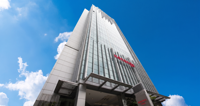
PETALING JAYA: The Covid-19 pandemic has compelled at least six in 10 Malaysians to depend more heavily on the various forms of contactless payment, according to the UOB Asean Consumer Sentiment Study.
The study noted that payments made through mobile banking were consumers’ most popular choice with 69% of Malaysian respondents saying they used them more frequently during the pandemic.
Other contactless payment and transaction services that have become preferred payment options in Malaysia include quick response (QR) code payments (65%), Internet banking (65%) and mobile wallet debit or credit cards (60%).
The survey also found that 75% of Gen-Y consumers relied mostly on mobile banking, while 76% of Baby Boomers preferred Internet banking and 64% of Gen-X used QR code payments more often.
The study showed that about nine in 10 consumers are willing to go entirely cashless if more initiatives were put in place to support digital payments including offering a wider variety of cashless payment options (94%), better security (94%) and greater ease of use (93%).
UOB Malaysia managing director Ronnie Lim (pic) said the findings reflected consumers’ preference for payment solutions that are convenient and are able to meet their everyday needs during the pandemic.
“The pandemic has accelerated the adoption of contactless payments in Malaysia. In the first 11 months of this year, the total number of digital fund transfers through our all-in-one mobile banking app, UOB Mighty, grew more than 76% compared with the previous year, ” he said.
The UOB Asean Consumer Sentiment Study also found that 55% of Malaysian respondents are spending more during the pandemic, while 27% say the exact opposite is happening.
Since the Covid-19 restrictions came into effect, 67% of consumers said they spent more on groceries and 63% spent more on food deliveries. Half of them also reported increased spending for Internet services, online learning and health supplements.
The survey also showed that the top categories in Malaysia for reduced expenditure are travel (68%), jewellery (57%), clothes (49%) and homeware and furniture (45%).
Already a subscriber? Log in
Get 20% OFF The Star Digital Access
Cancel anytime. Ad-free. Unlimited access with perks.